Remainder Trust
Description
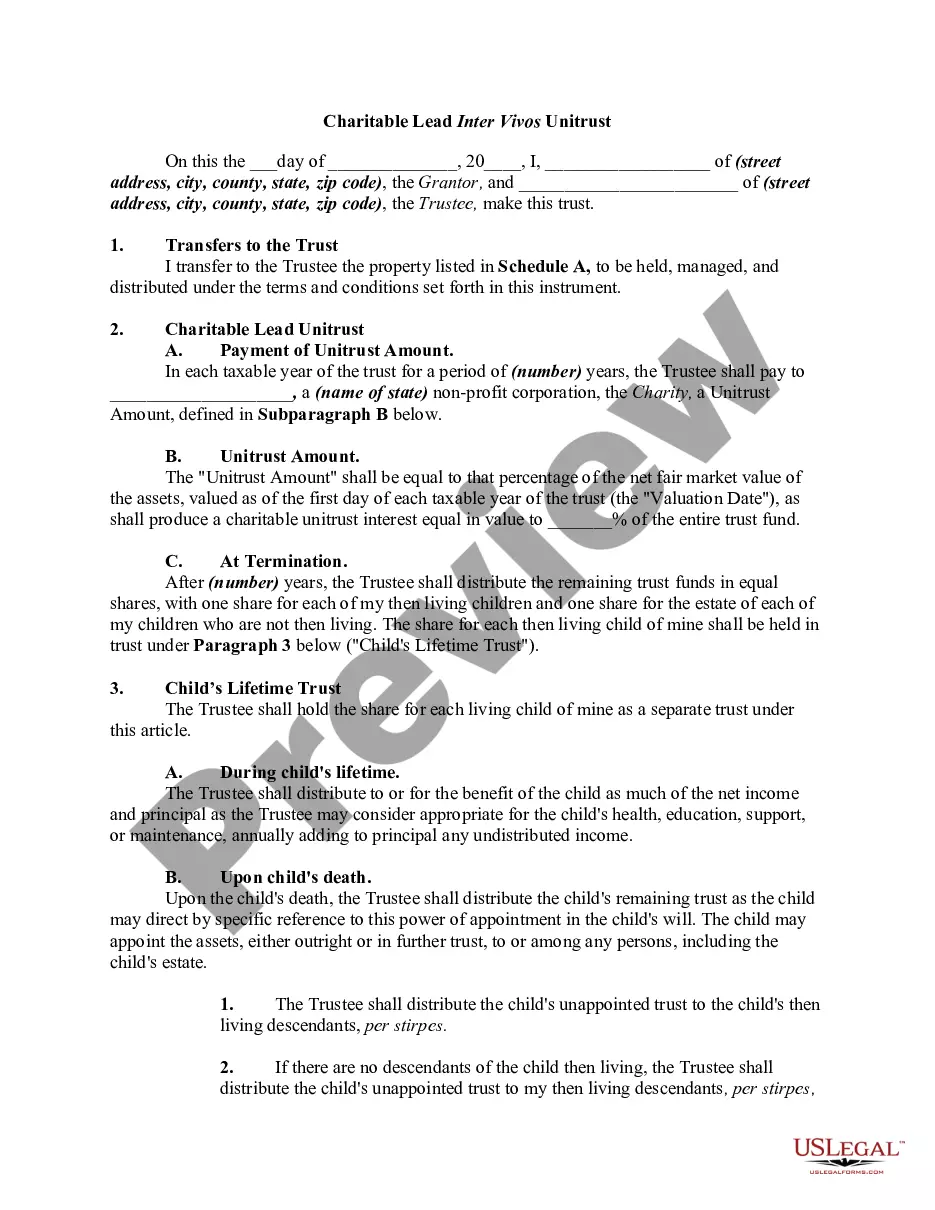
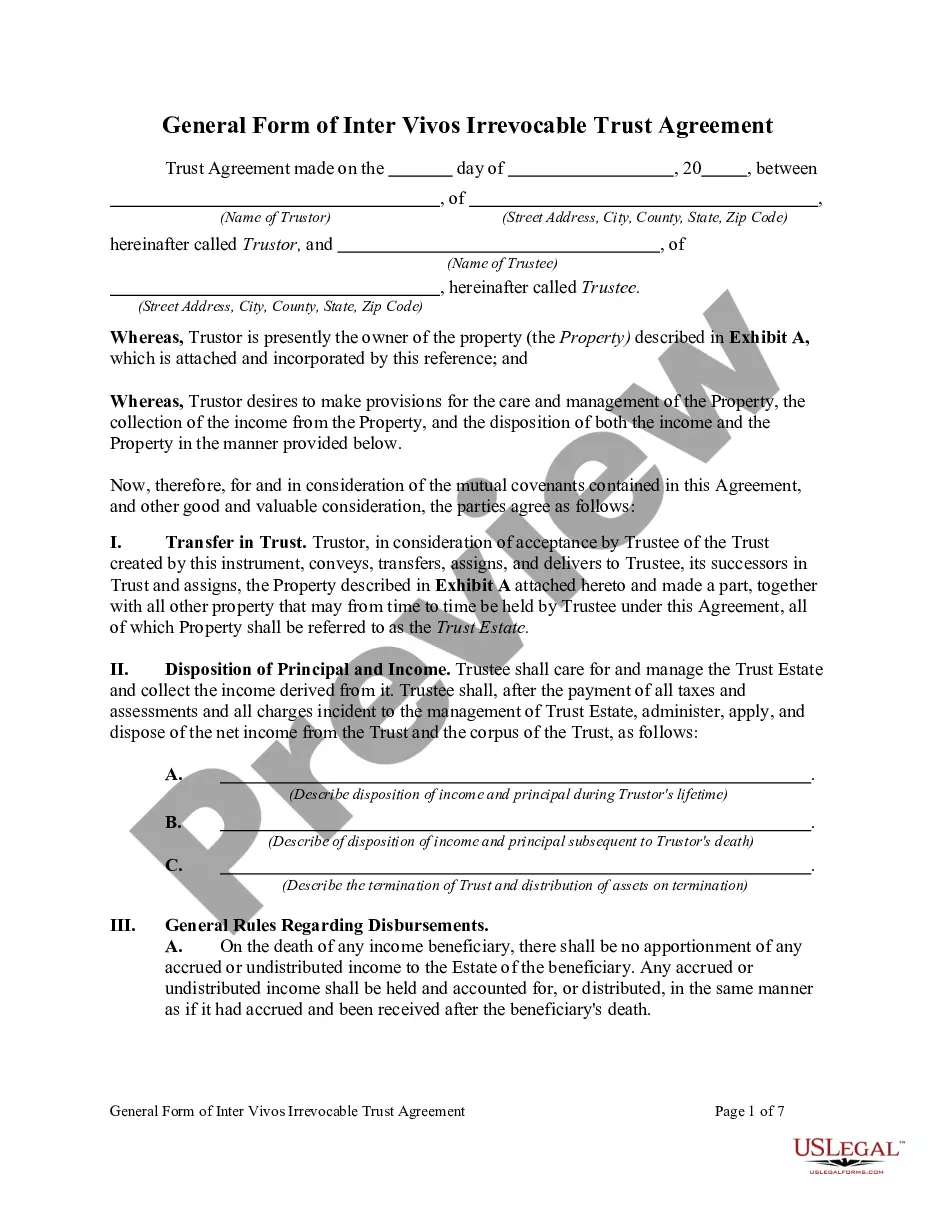
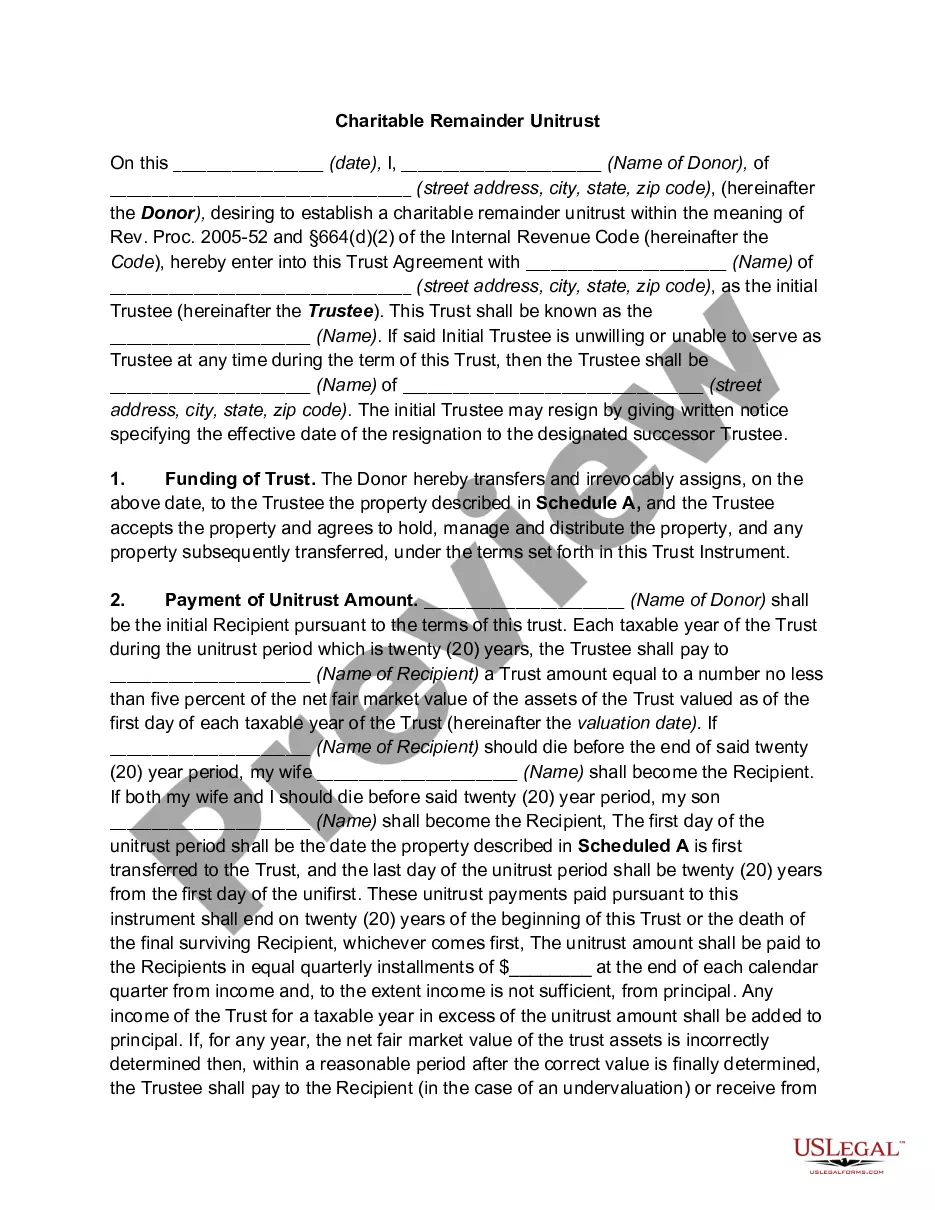
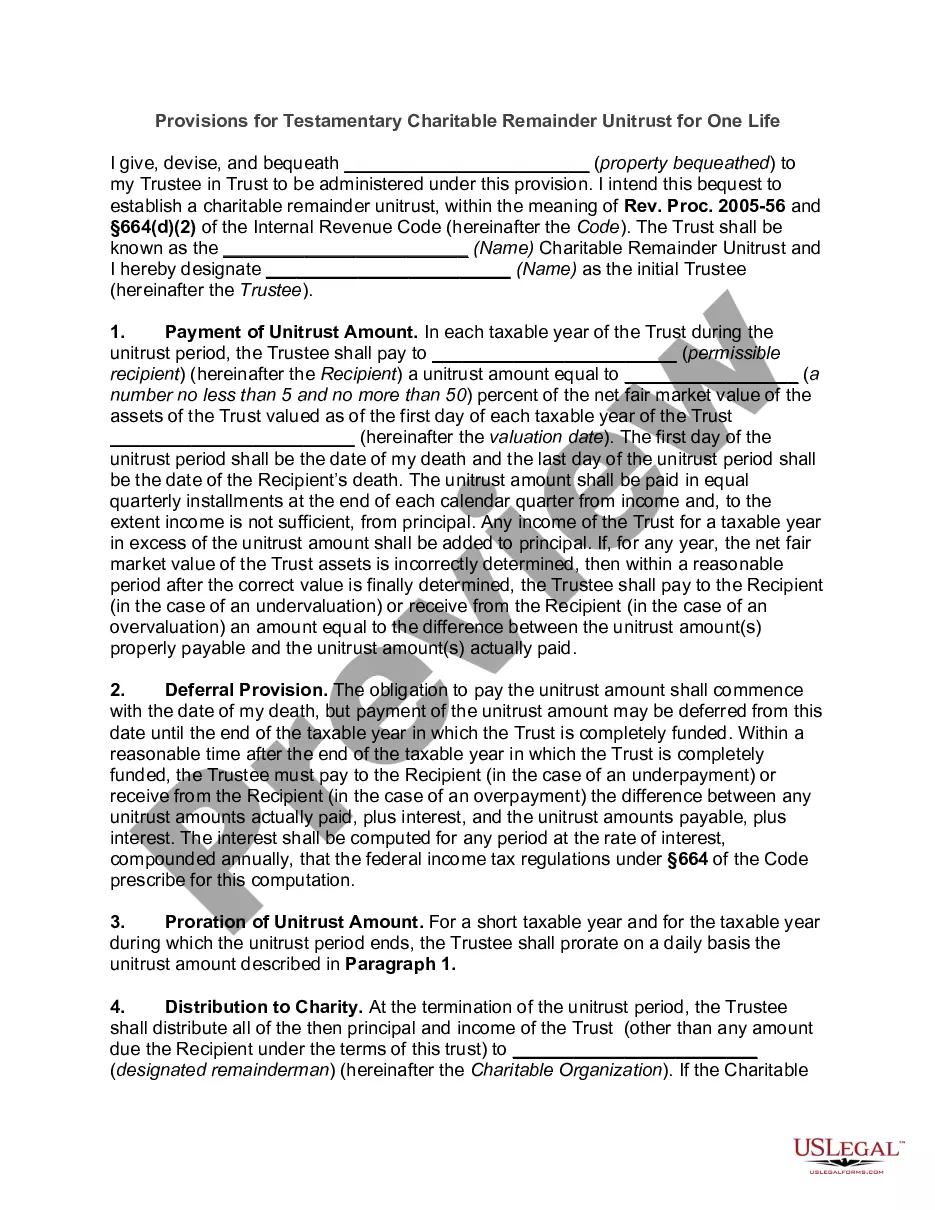
Get your form ready online
Our built-in tools help you complete, sign, share, and store your documents in one place.
Make edits, fill in missing information, and update formatting in US Legal Forms—just like you would in MS Word.
Download a copy, print it, send it by email, or mail it via USPS—whatever works best for your next step.
Sign and collect signatures with our SignNow integration. Send to multiple recipients, set reminders, and more. Go Premium to unlock E-Sign.
If this form requires notarization, complete it online through a secure video call—no need to meet a notary in person or wait for an appointment.
We protect your documents and personal data by following strict security and privacy standards.

Make edits, fill in missing information, and update formatting in US Legal Forms—just like you would in MS Word.

Download a copy, print it, send it by email, or mail it via USPS—whatever works best for your next step.

Sign and collect signatures with our SignNow integration. Send to multiple recipients, set reminders, and more. Go Premium to unlock E-Sign.

If this form requires notarization, complete it online through a secure video call—no need to meet a notary in person or wait for an appointment.

We protect your documents and personal data by following strict security and privacy standards.
Looking for another form?
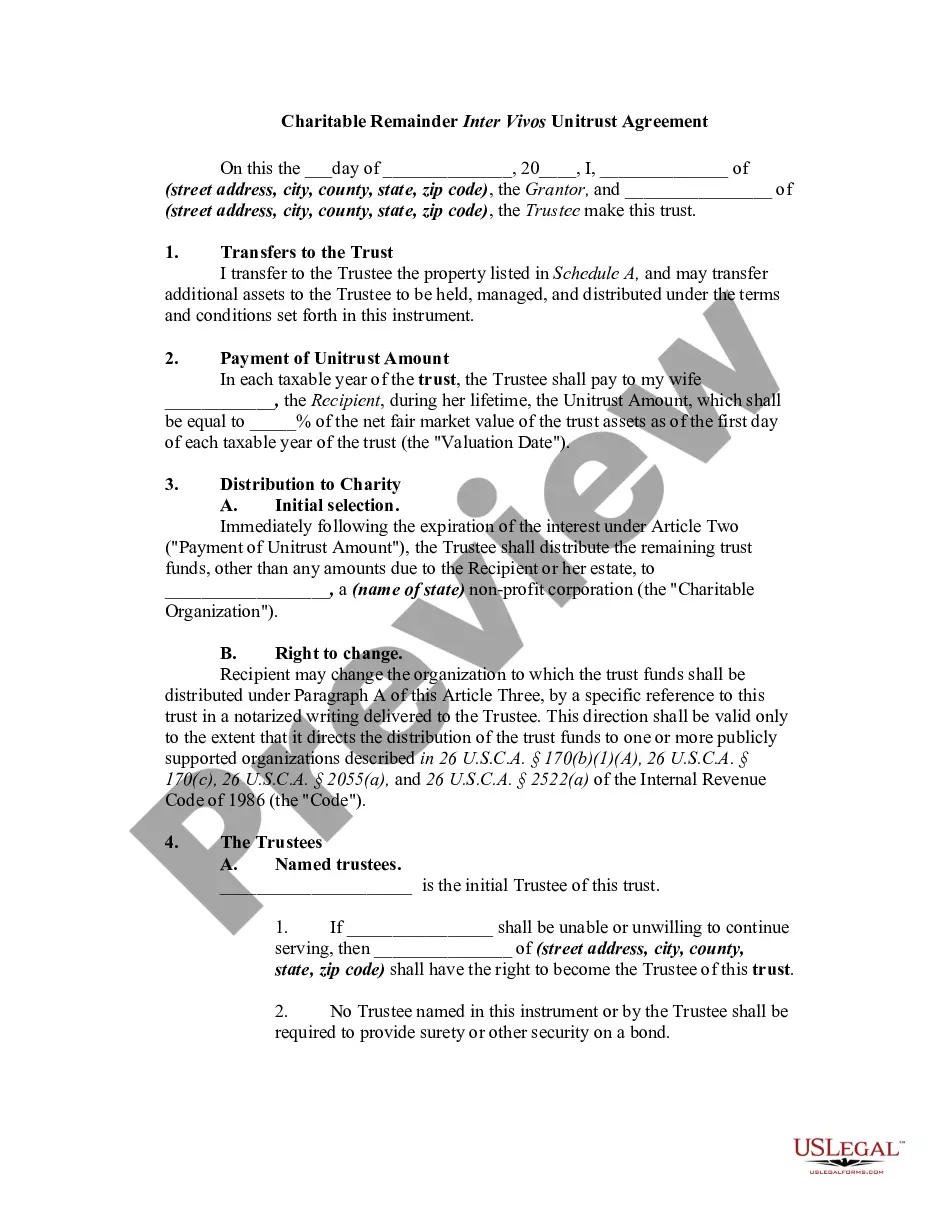
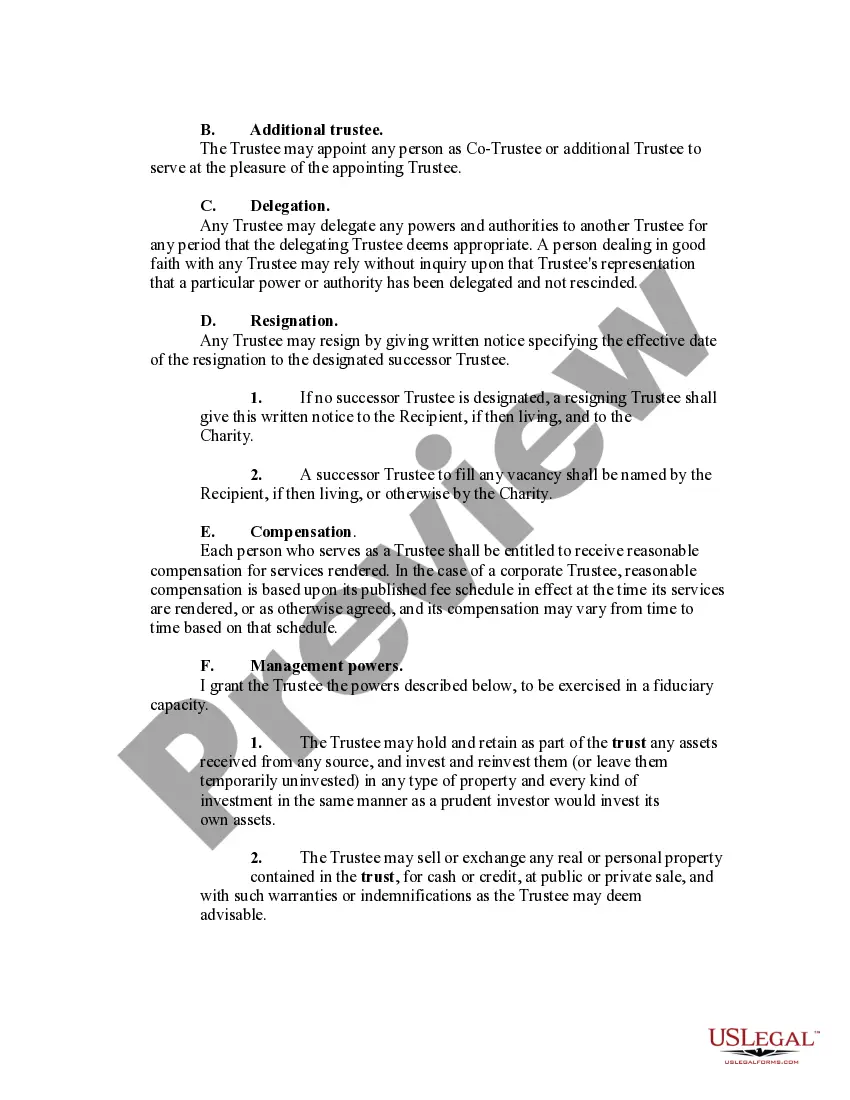
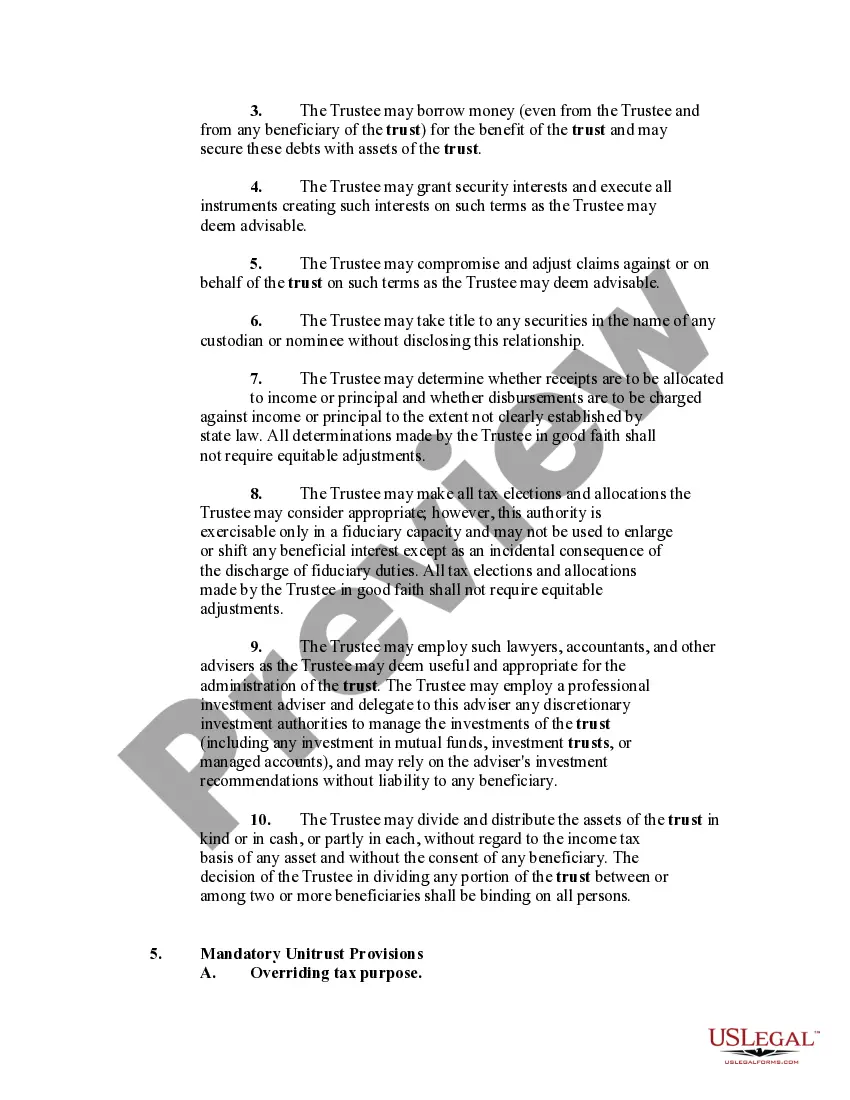
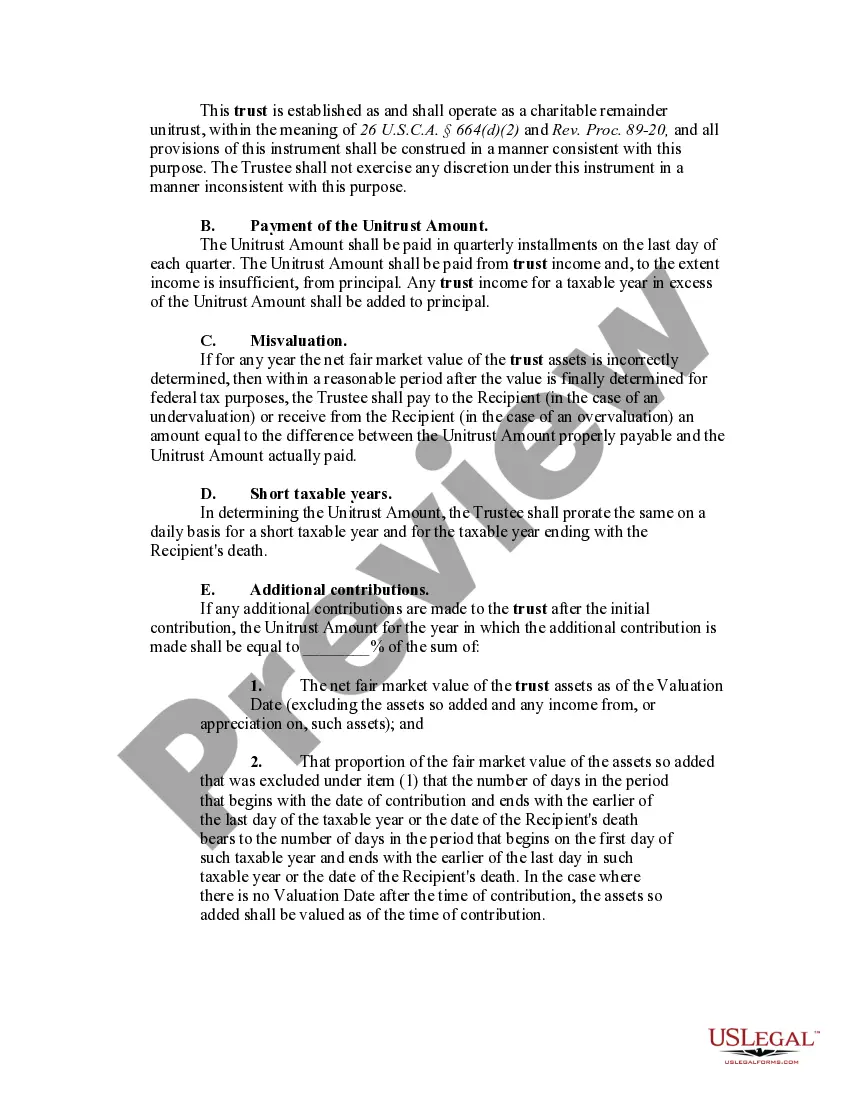
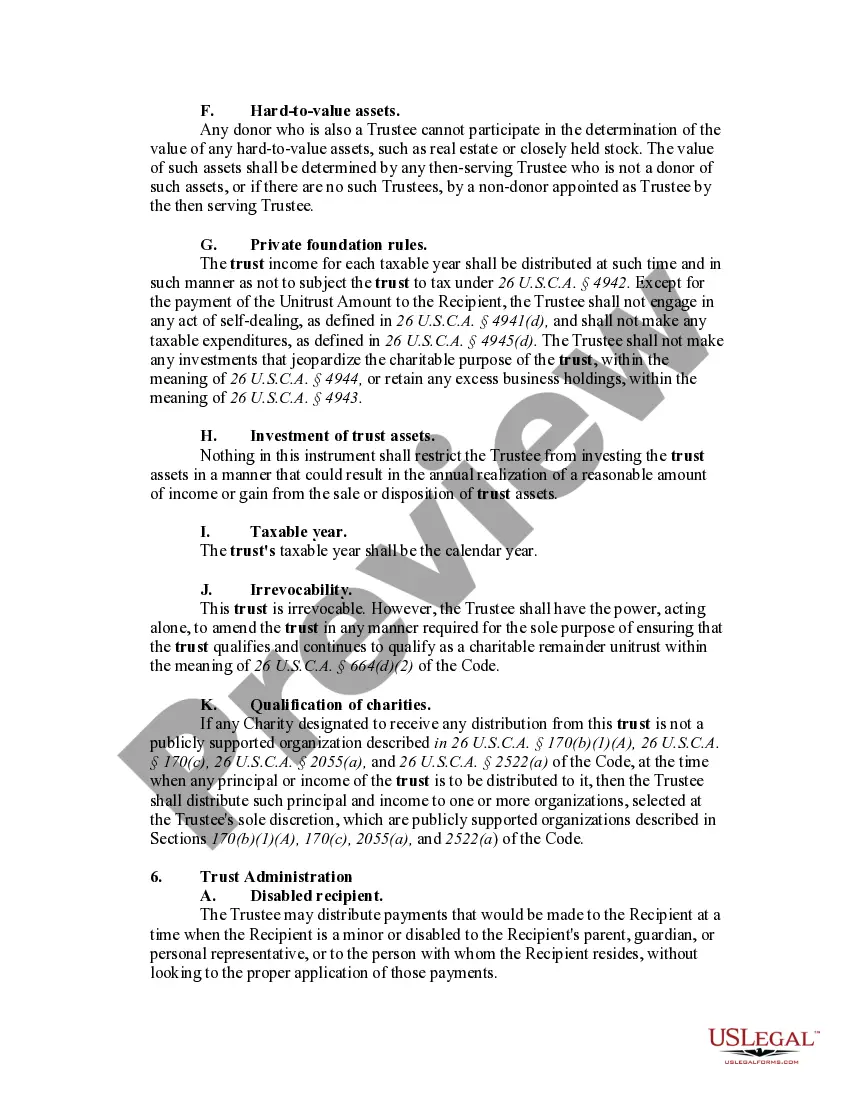
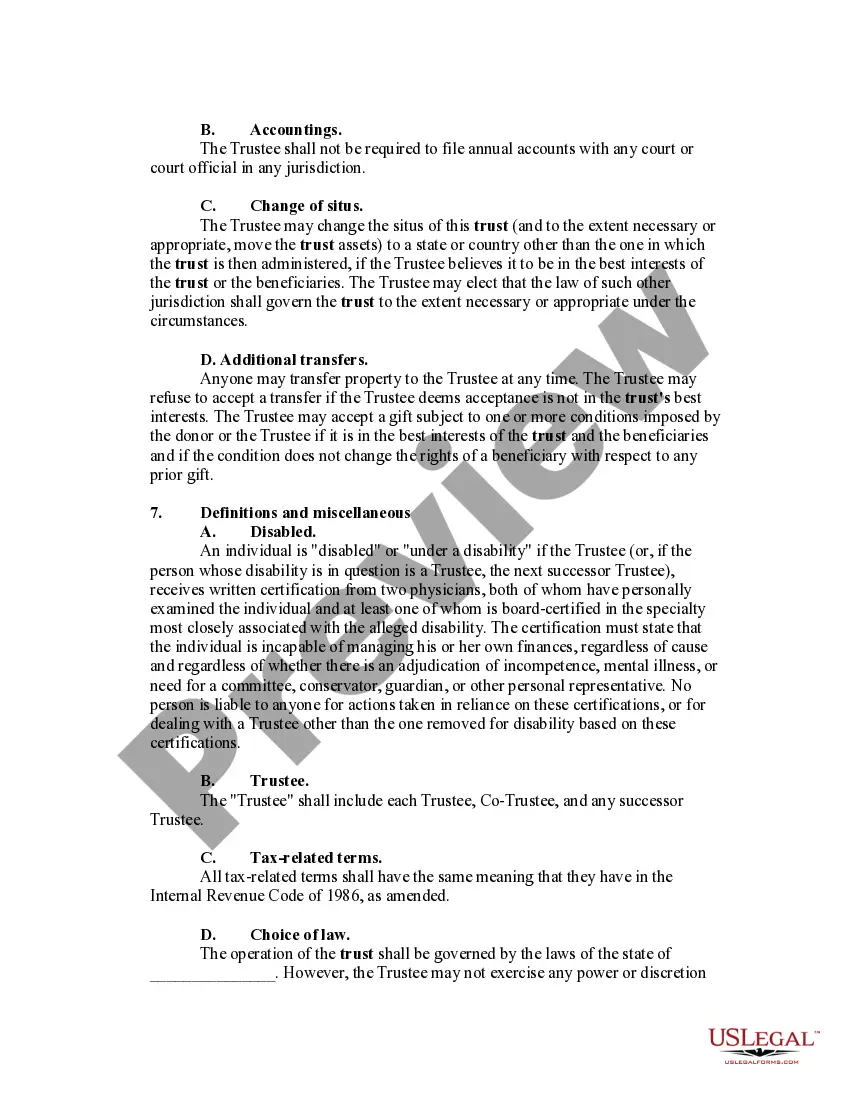
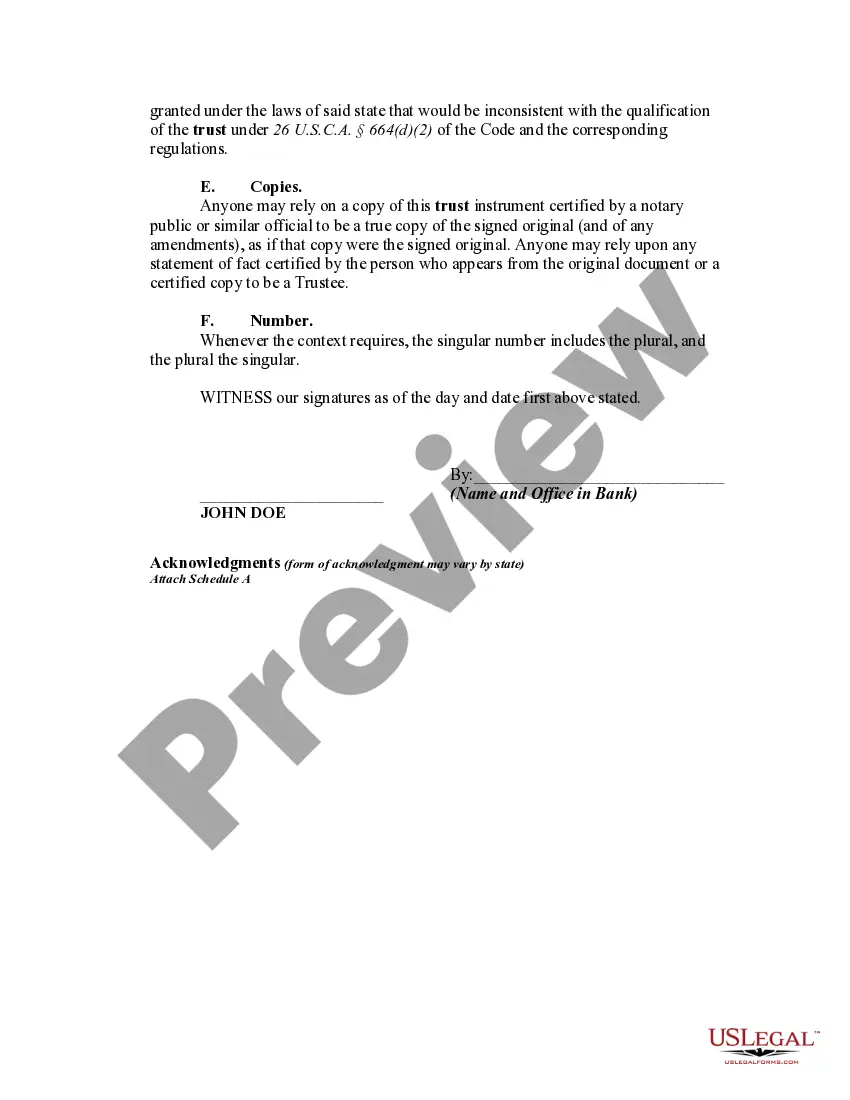
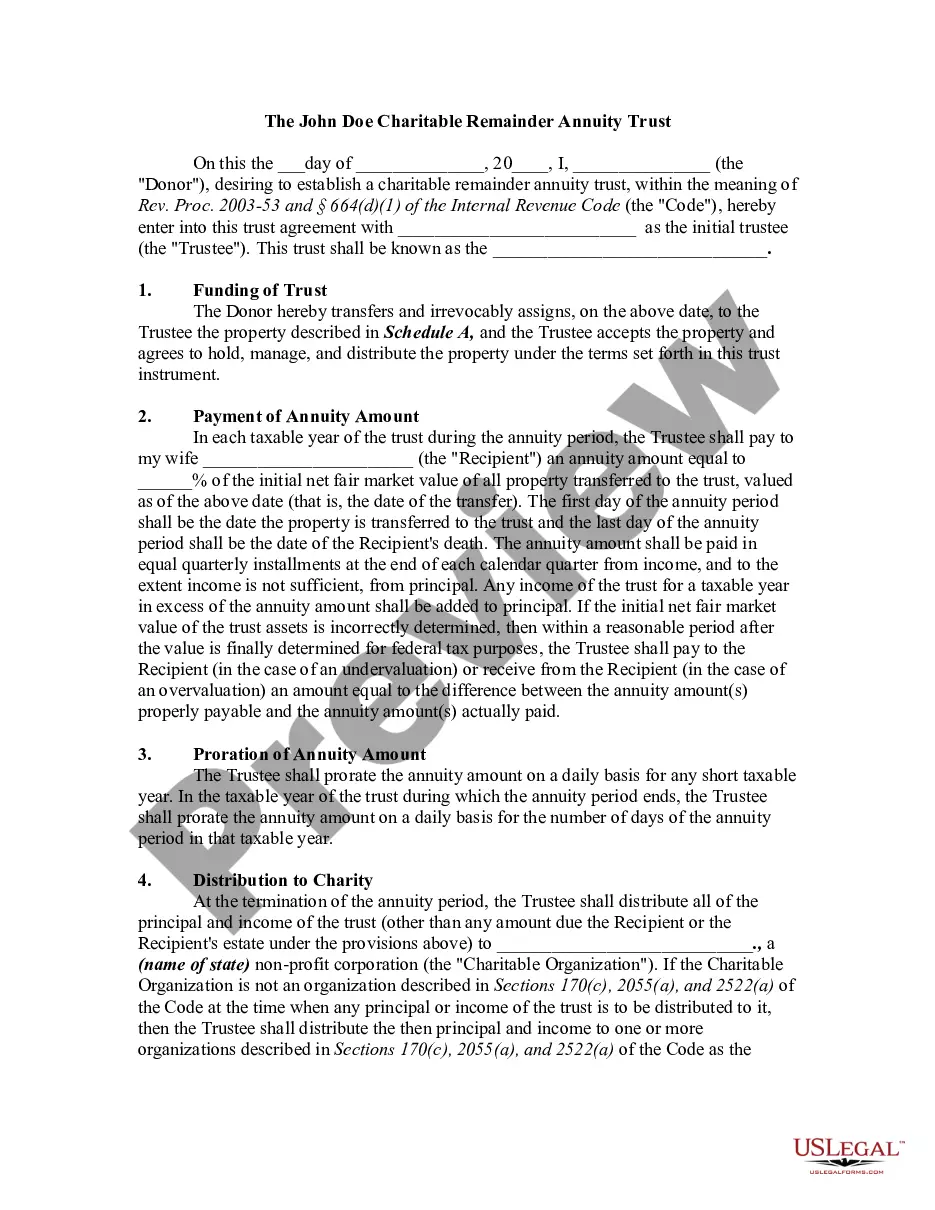
How to fill out Charitable Remainder Inter Vivos Unitrust Agreement?
- If you are an existing user, simply log in to your account and access the desired form template. Click the Download button to save it to your device, making sure your subscription is up-to-date. If not, renew it according to your plan.
- For new users, start by exploring the Preview mode to examine the form's description. Verify that you have selected the right template that matches your requirements and adheres to your local jurisdiction.
- Should you require a different template, utilize the Search tab above to find the appropriate one. If you find a suitable form, proceed to the next step.
- Purchase the document by clicking the Buy Now button and selecting your preferred subscription plan. You will need to create an account to access the comprehensive library.
- Complete your transaction by entering your credit card information or opting for your PayPal account to finalize your subscription.
- Download your form. Save the template to your device and access it anytime through the My Forms section of your account.
By using US Legal Forms, individuals and attorneys are empowered to swiftly and effectively create legal documents tailored to their needs. With a collection of over 85,000 forms and packages, finding the right document for your remainder trust is effortless.
Experience the benefits of US Legal Forms today! Begin your legal document journey with us and ensure your estate planning is precise and compliant.
Form popularity
FAQ
A lead trust works by allocating trust income to a charitable organization for a specified time, after which the remaining assets transfer to non-charitable beneficiaries. This setup not only fulfills philanthropic goals but also offers potential tax advantages for the grantor. Engaging with platforms like US Legal Forms can simplify the creation of these trusts, ensuring your wishes are documented and executed efficiently.
In a charitable lead trust, capital gains are generally not taxed at the trust level as the income generated is directed to a charity. This structure allows you to maximize your charitable contributions while minimizing tax liabilities. Individuals using this type of trust benefit from tax deductions, making it an appealing option for effective wealth management and philanthropy.
The primary difference between a lead trust and a remainder trust lies in the flow of income. A lead trust provides income to one beneficiary for a set time before the remainder goes to another beneficiary. In contrast, a remainder trust allows a primary beneficiary to use the assets, turning over the remaining value to another party later. Understanding these nuances can help you choose the right trust for your estate planning needs.
A remainder trust is a specific type of trust where the assets are held for a particular beneficiary for a certain period, after which the remainder interest goes to another party. This arrangement can provide tax benefits and financial support in an organized manner. Individuals often use remainder trusts to manage estate taxes while ensuring that beneficiaries receive their intended shares.
The remainder of a trust refers to the assets that remain in the trust after the primary beneficiary's interests have been fulfilled. In many cases, these assets go to another beneficiary or revert to the trust maker. Understanding the remainder is essential in estate planning, as it determines how your assets will be distributed once the primary use has ended.
Yes, a form 5227, which is necessary for reporting the activities of a charitable remainder trust, can be filed electronically. However, it's essential to ensure that you meet all the requirements set forth by the IRS for electronic filing. This process can streamline your reporting obligations, making it easier for you to manage your remainder trust. You may use resources like US Legal Forms to facilitate this filing.
The income you can withdraw from a charitable remainder trust depends on the trust's terms and the payout rate you select. Generally, you can choose a fixed percentage, typically between 5% to 7%, of the trust’s value. The income continues throughout your lifetime or for a specified term. It’s important to consider your financial needs and consult with an advisor to determine an appropriate rate.
To form a charitable remainder trust, you need to first decide on the assets you want to transfer into the trust. Next, consult with a legal or financial advisor to draft the trust document, ensuring that it complies with legal requirements. This document should outline how income will be distributed and which charity will receive the remainder. Platforms like US Legal Forms can simplify this process by providing the necessary templates and guidance.
A charitable remainder trust (CRT) can be a beneficial financial tool for those seeking to balance charitable giving with personal financial needs. By creating a remainder trust, you can receive income during your lifetime while supporting a charity of your choice. Moreover, you may enjoy tax benefits that improve your overall financial strategy. A remainder trust is worth considering if philanthropy is important to you.
To calculate the charitable remainder trust deduction, you need to determine the present value of the charitable remainder interest. This is done by using the IRS prescribed rates and tables to evaluate the trust's potential future payouts to charity. The deduction not only provides significant tax benefits but also enhances the overall effectiveness of your remainder trust for charitable planning.