Remainder Synonym
Description

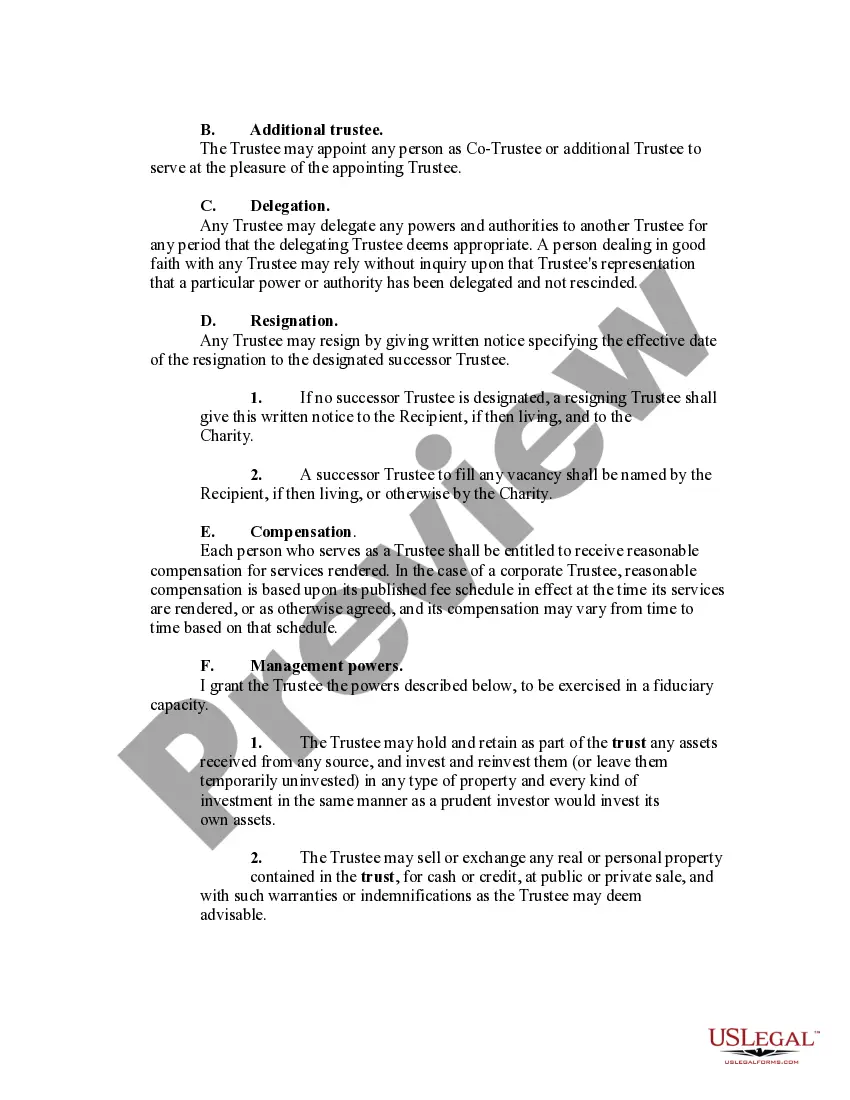
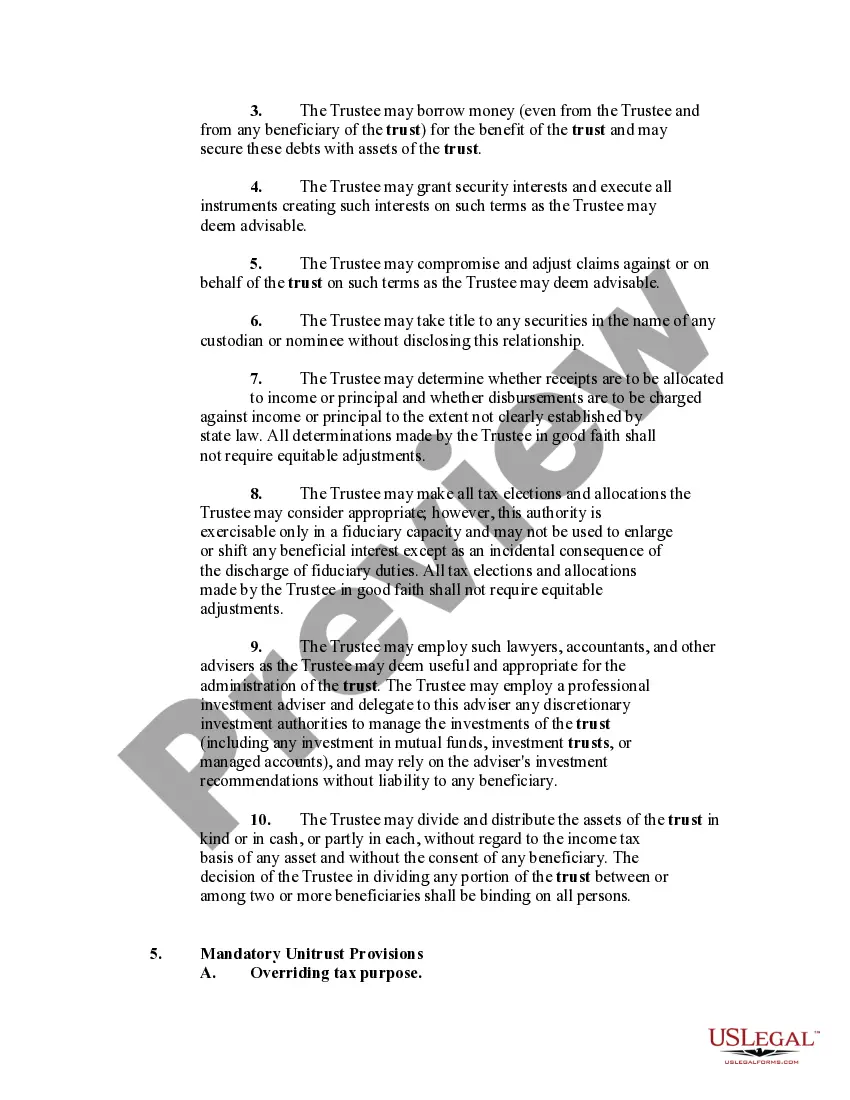
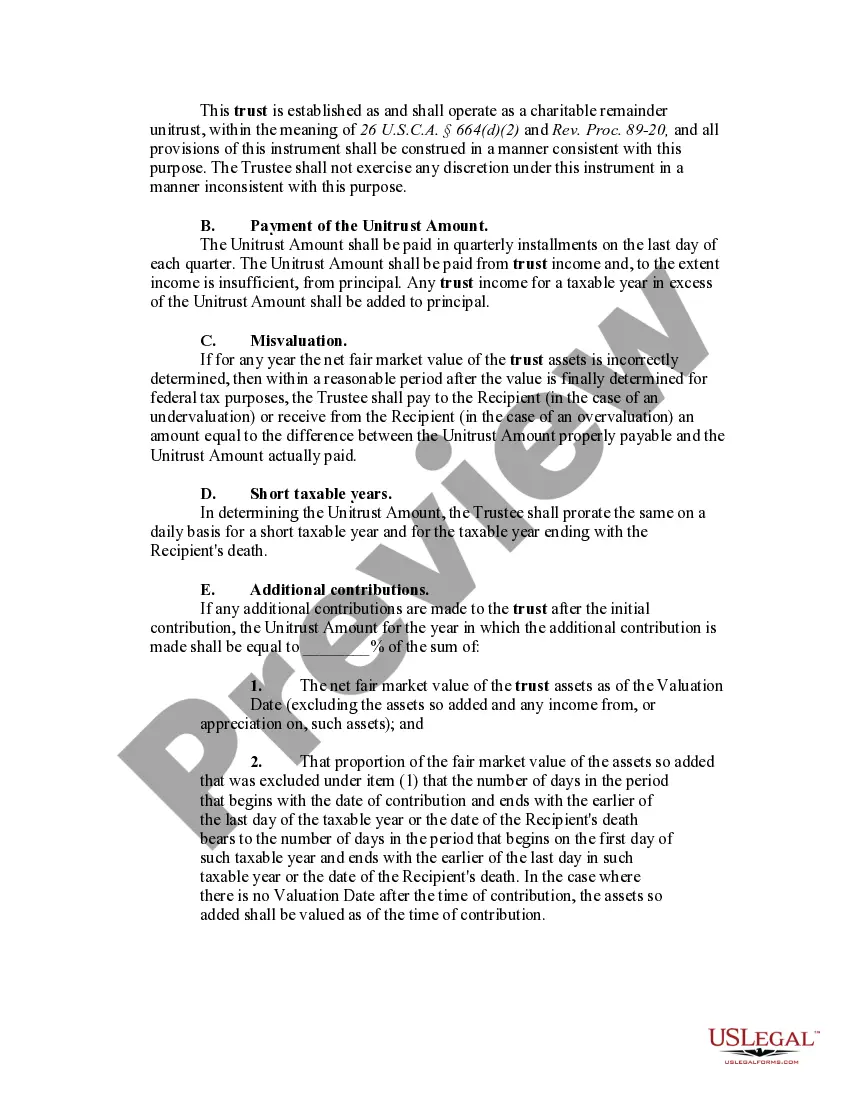
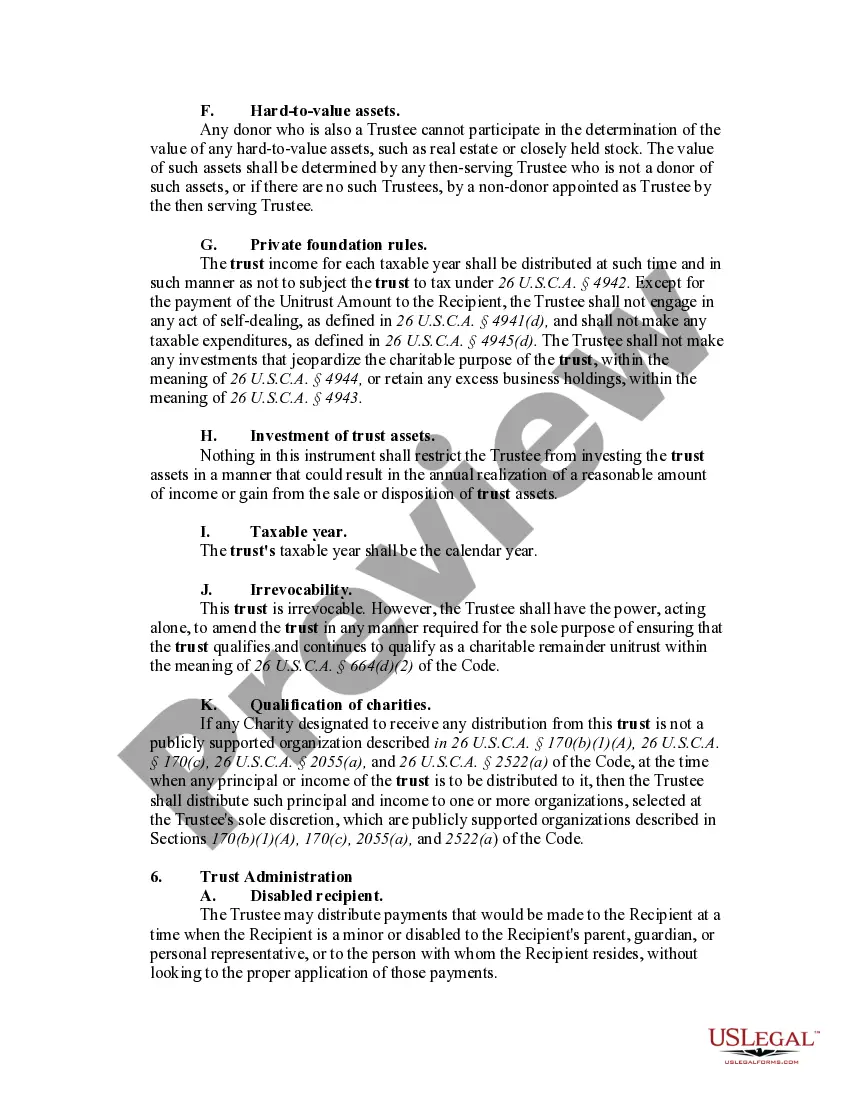
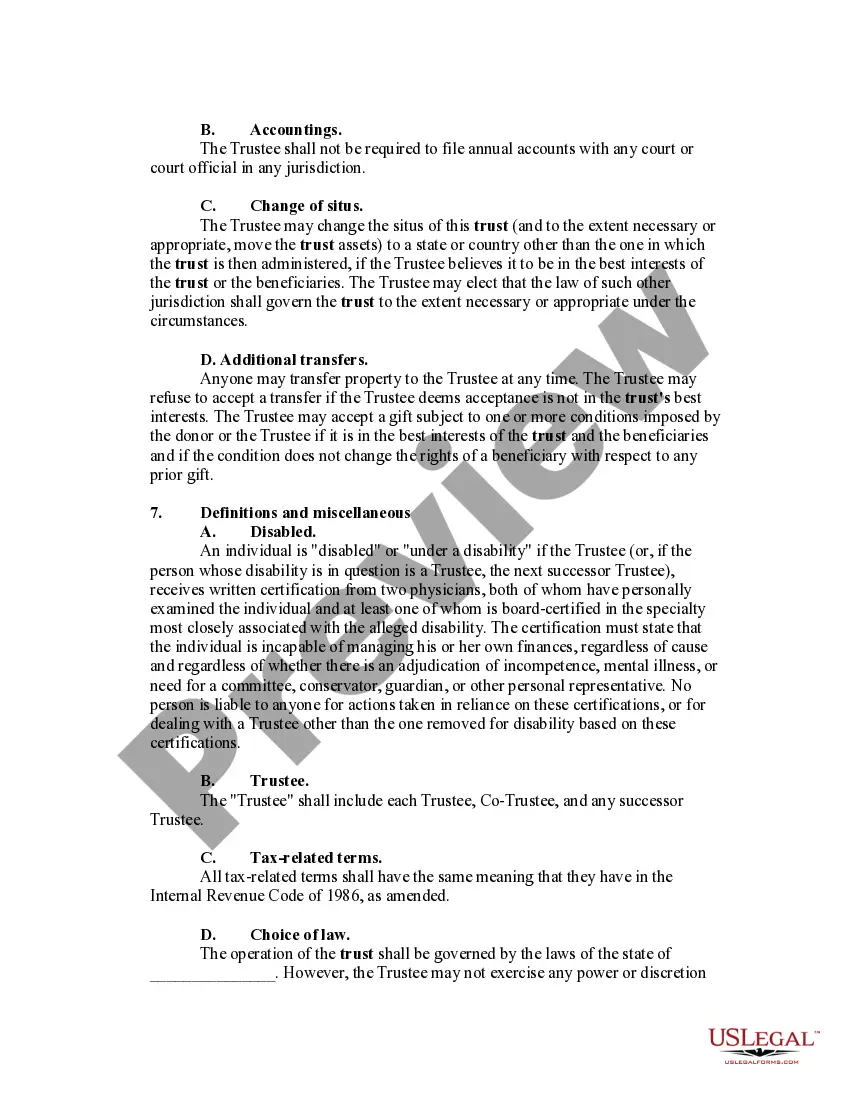
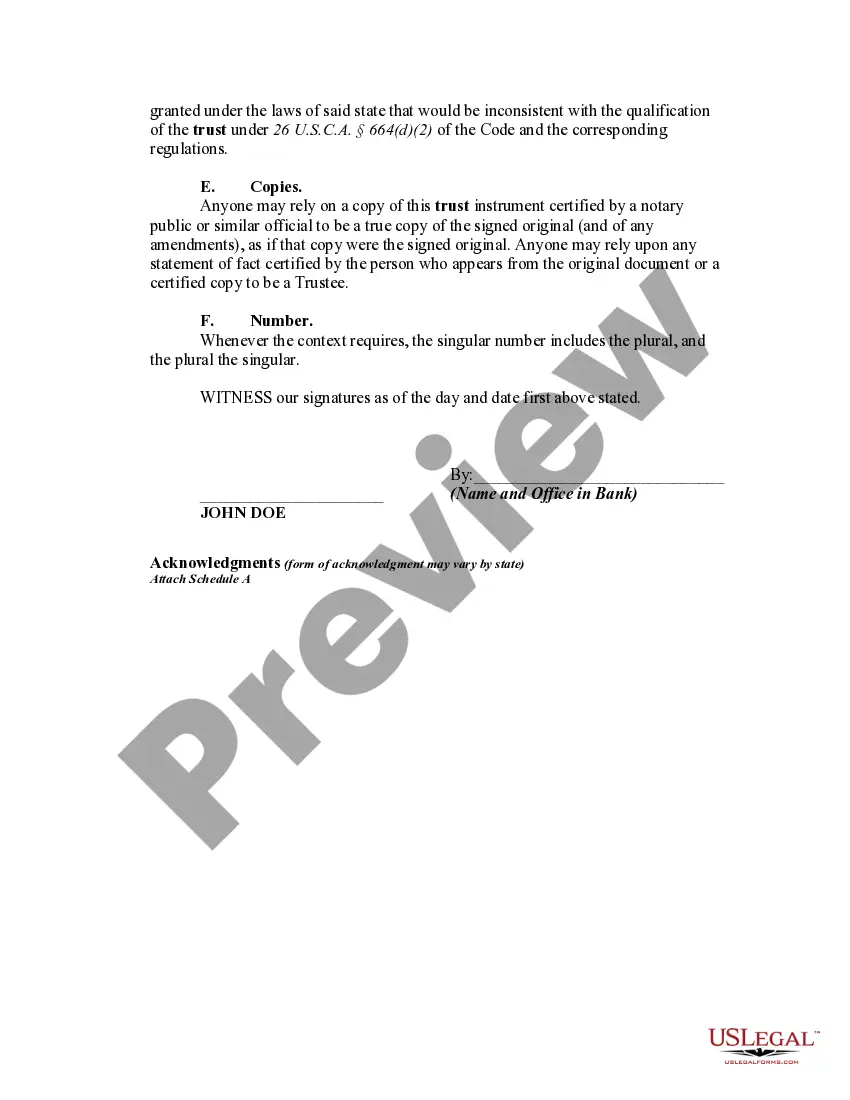
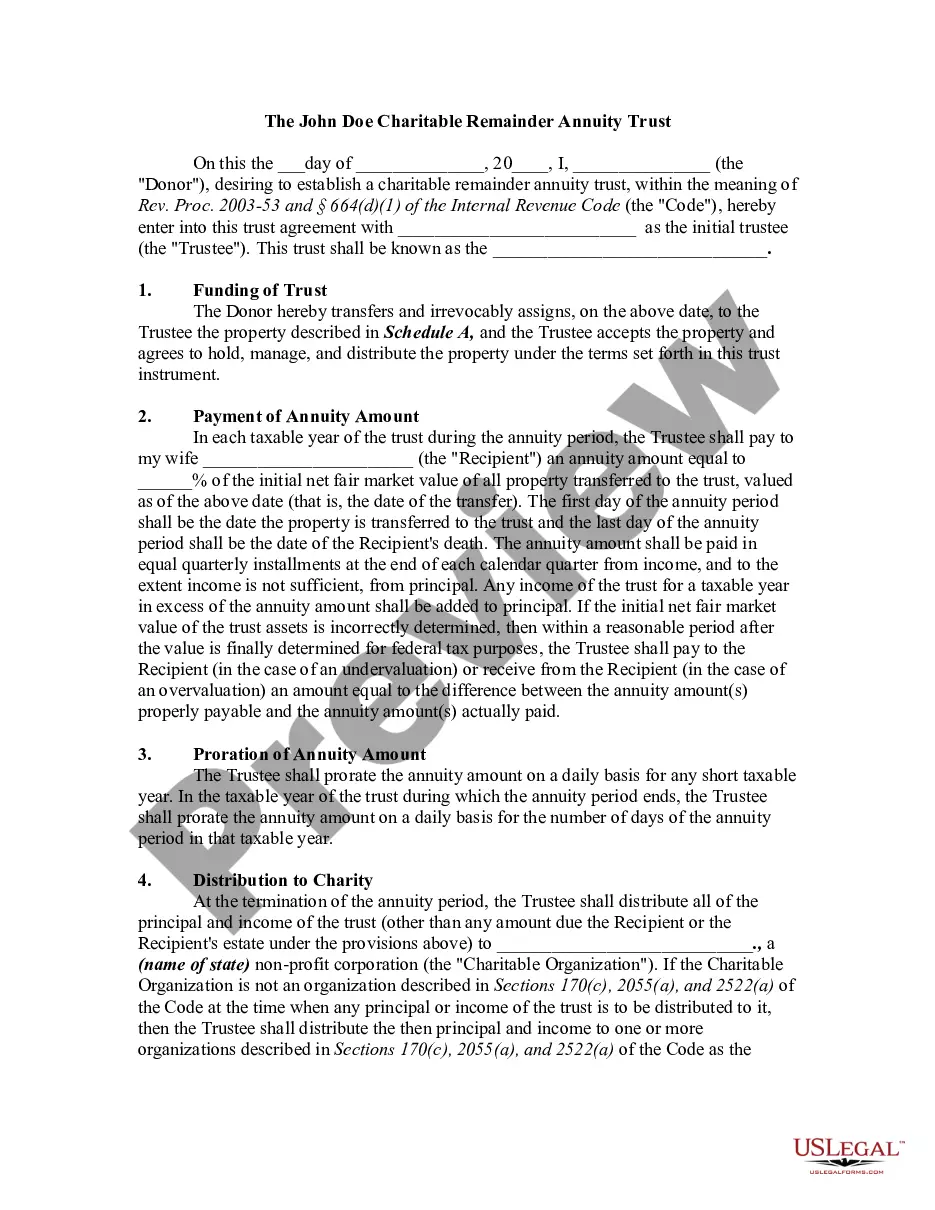
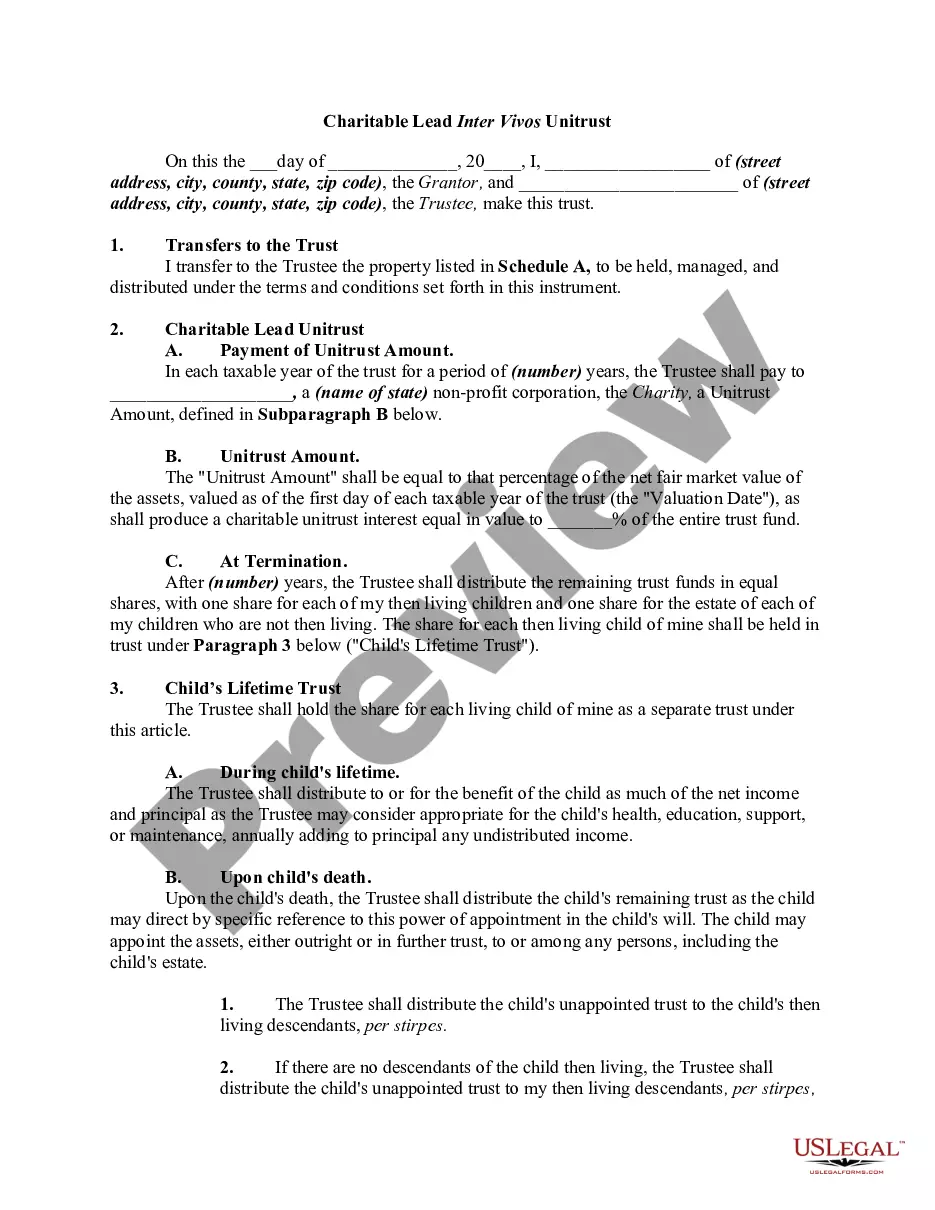
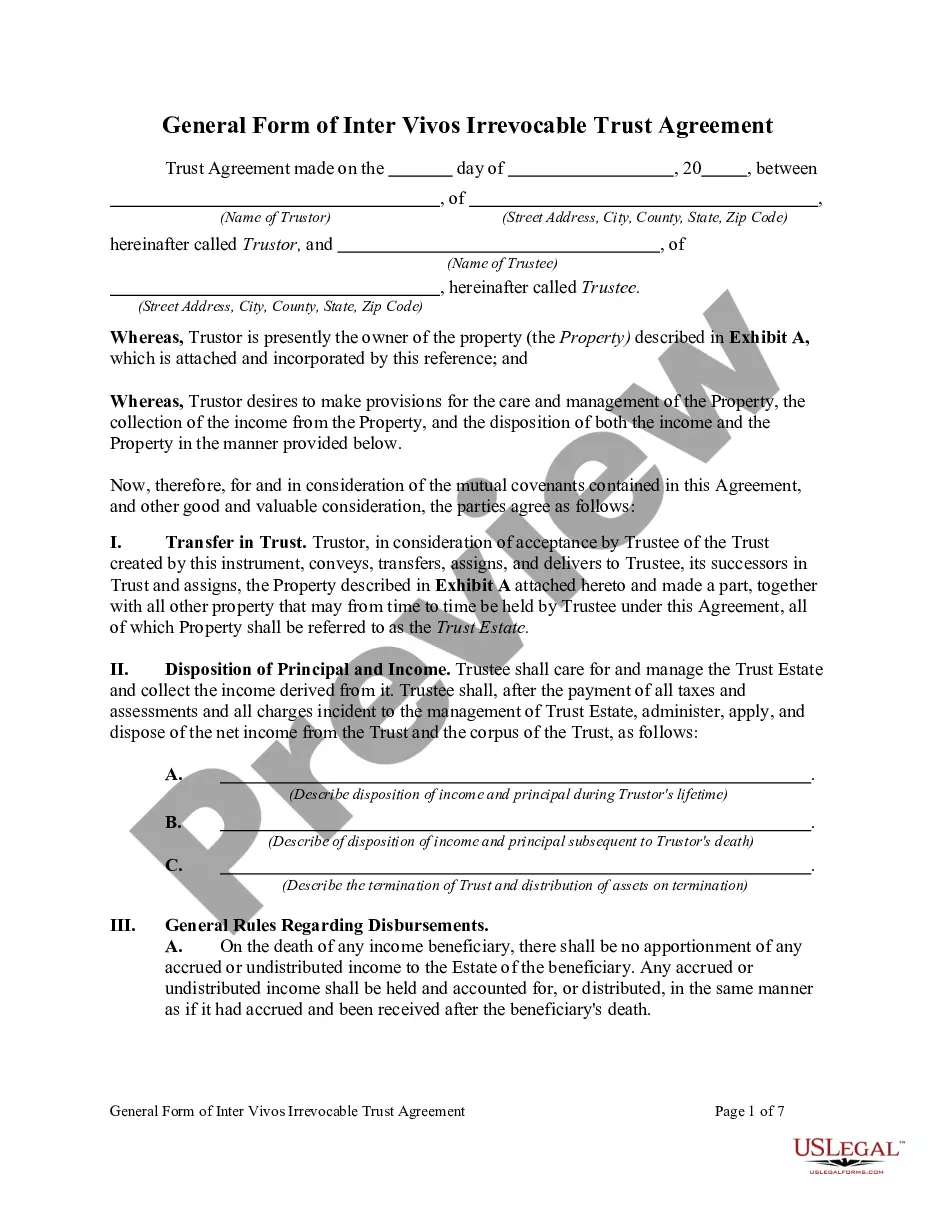
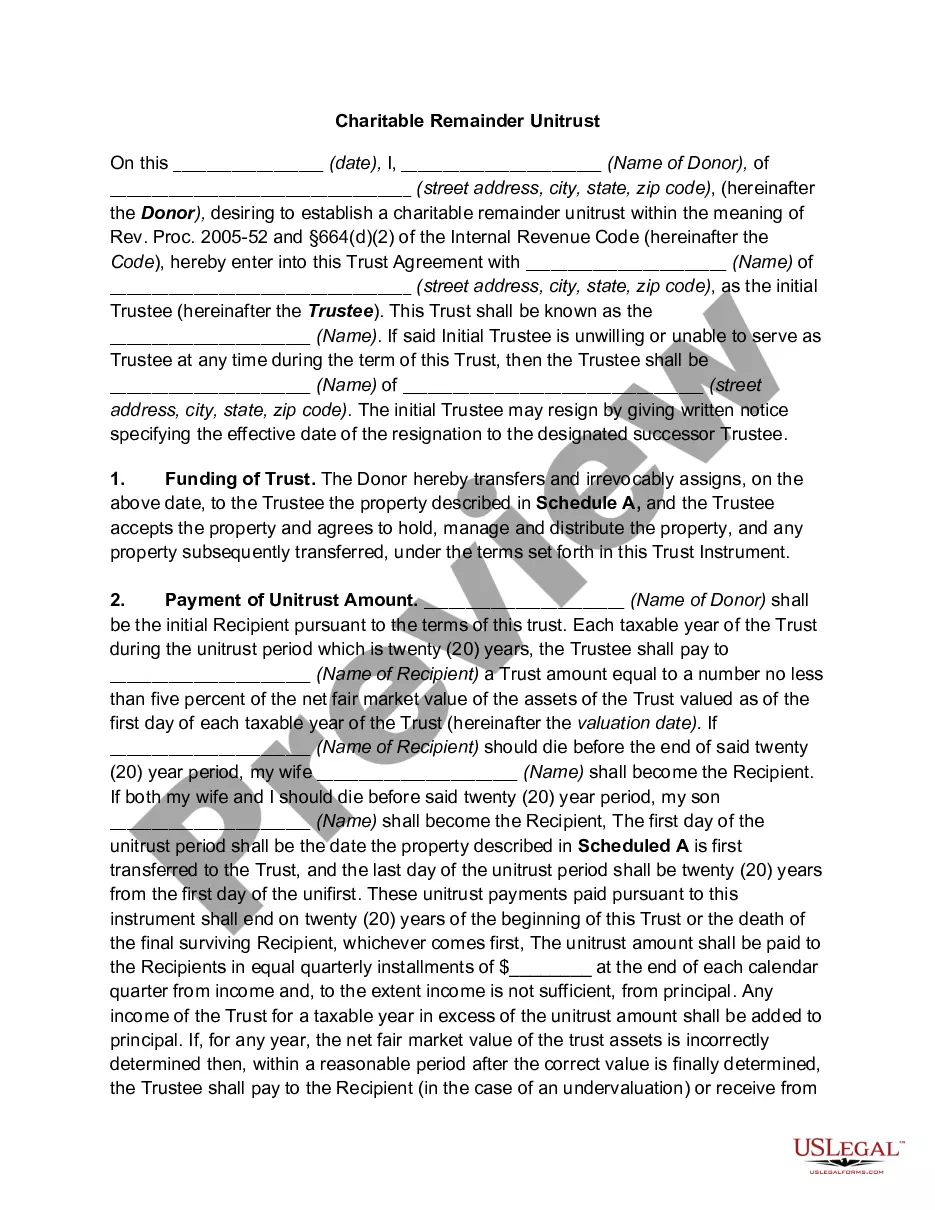
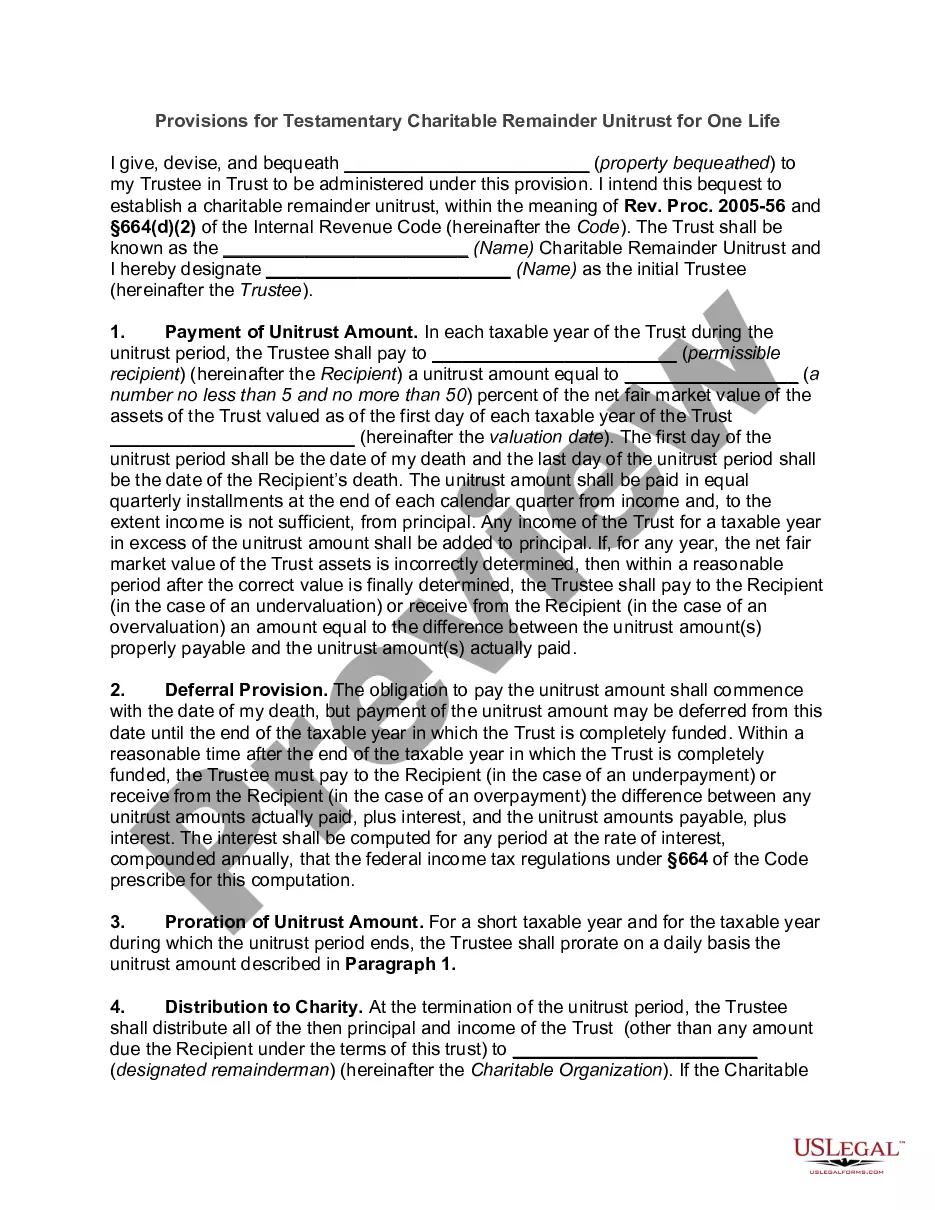
Get your form ready online
Our built-in tools help you complete, sign, share, and store your documents in one place.
Make edits, fill in missing information, and update formatting in US Legal Forms—just like you would in MS Word.
Download a copy, print it, send it by email, or mail it via USPS—whatever works best for your next step.
Sign and collect signatures with our SignNow integration. Send to multiple recipients, set reminders, and more. Go Premium to unlock E-Sign.
If this form requires notarization, complete it online through a secure video call—no need to meet a notary in person or wait for an appointment.
We protect your documents and personal data by following strict security and privacy standards.

Make edits, fill in missing information, and update formatting in US Legal Forms—just like you would in MS Word.

Download a copy, print it, send it by email, or mail it via USPS—whatever works best for your next step.

Sign and collect signatures with our SignNow integration. Send to multiple recipients, set reminders, and more. Go Premium to unlock E-Sign.

If this form requires notarization, complete it online through a secure video call—no need to meet a notary in person or wait for an appointment.

We protect your documents and personal data by following strict security and privacy standards.
Looking for another form?





How to fill out Charitable Remainder Inter Vivos Unitrust Agreement?
- Start by verifying your subscription status. If you’re a returning user, log in to your account and ensure your subscription is up to date.
- Browse through the extensive library. Use the Preview mode to check the form description, ensuring it matches your local jurisdiction's requirements.
- Refine your search if necessary. If you notice discrepancies, leverage the Search tab to discover the appropriate template.
- Select your desired document. Once you find the correct form, click the Buy Now button and select a subscription plan that suits your needs.
- Complete your purchase. Enter your payment details using either a credit card or PayPal to finalize your subscription.
- Download your form. Save it to your device and access it anytime through the My Forms section in your account.
By following these steps, you can efficiently navigate through the vast offerings of US Legal Forms while ensuring you acquire the correct documents according to your needs.
Don't hesitate to start using US Legal Forms today—your go-to resource for all legal form needs!
Form popularity
FAQ
To write a remainder in an equation, you can use the division notation itself. For instance, in an equation like 10 ÷ 3, you can express it as 3 remainder 1 or in fraction form as 3 + 1/3. Utilizing both forms can cater to various preferences and enhances clarity, with a focus on the importance of terminology such as remainder synonym to describe what remains.
When you craft an answer with a remainder, always present the quotient clearly followed by the term 'remainder' and the specific value. For example, if the problem involves dividing 14 by 5, you would state 2 with a remainder of 4. This format communicates effectively what is left after your calculations and ties back to the notion of remainder synonym.
Common synonyms for the word remainder include 'leftover,' 'surplus,' and 'residue.' Each of these words encapsulates the idea of what is left after a portion has been taken away, much like how a remainder functions in math. Understanding these synonyms can enrich your language and deepen your comprehension of various topics, including mathematical operations.
To include a remainder in your answer, ensure you indicate it clearly. After performing your division, you should state the quotient followed by the term 'remainder' and the remainder itself. This practice not only aids understanding but also reinforces the connection to the term remainder synonym, as it clearly identifies the leftover amount in the division.
When you express a number with a remainder, you typically write it in the format: 'whole number R remainder.' For example, if you divided 10 by 3, you would say 3 with a remainder of 1. This straightforward method helps clarify that the division is not whole, emphasizing the notion of a remainder synonym that many find essential.
When dividing 461 by 4, you can determine the whole number of times 4 fits into 461, which is 115. The division gives a product of 460, but that leaves a balance, or remainder, of 1. In this case, you can express the complete result as 115 with a remainder of 1, which effectively showcases the concept of remainder synonym in mathematical terms.
An example of a remainder can be illustrated with a budget scenario. Suppose you have $100, and after spending $30, your remainder is $70. This practical application helps to visualize what remains after expenditures. Such understanding aids in effective financial management, and exploring synonyms like 'balance' can provide more ways to discuss this concept.
Using 'reminder' in a sentence can be straightforward. For instance, you might say, 'I set a reminder for my meeting at 3 PM.' This use highlights the action of prompting someone about something important. If you're looking for synonyms of 'reminder', words like 'notification' or 'alert' may be helpful. Utilizing these terms can clarify your intent when communicating.
Here are five examples using 'remainder': 1. 'The remainder of the funds will be donated to charity.' 2. 'She finished her exam early but had to wait for the remainder of her classmates.' 3. 'The remainder of the cake was left untouched.' 4. 'He calculated the remainder after completing the last task.' 5. 'The remainder of the group decided to go shopping.' These sentences help convey different contexts where 'remainder' fits well.
A suitable word for the remaining amount is 'remainder'. This term effectively captures the essence of what is left after all else has been considered or distributed. In financial contexts, you might also hear 'balance' or 'leftover'. Using correct terminology can significantly improve your communication, especially in formal settings.