Remainder Inter Vivos Trust Buy With Us
Description
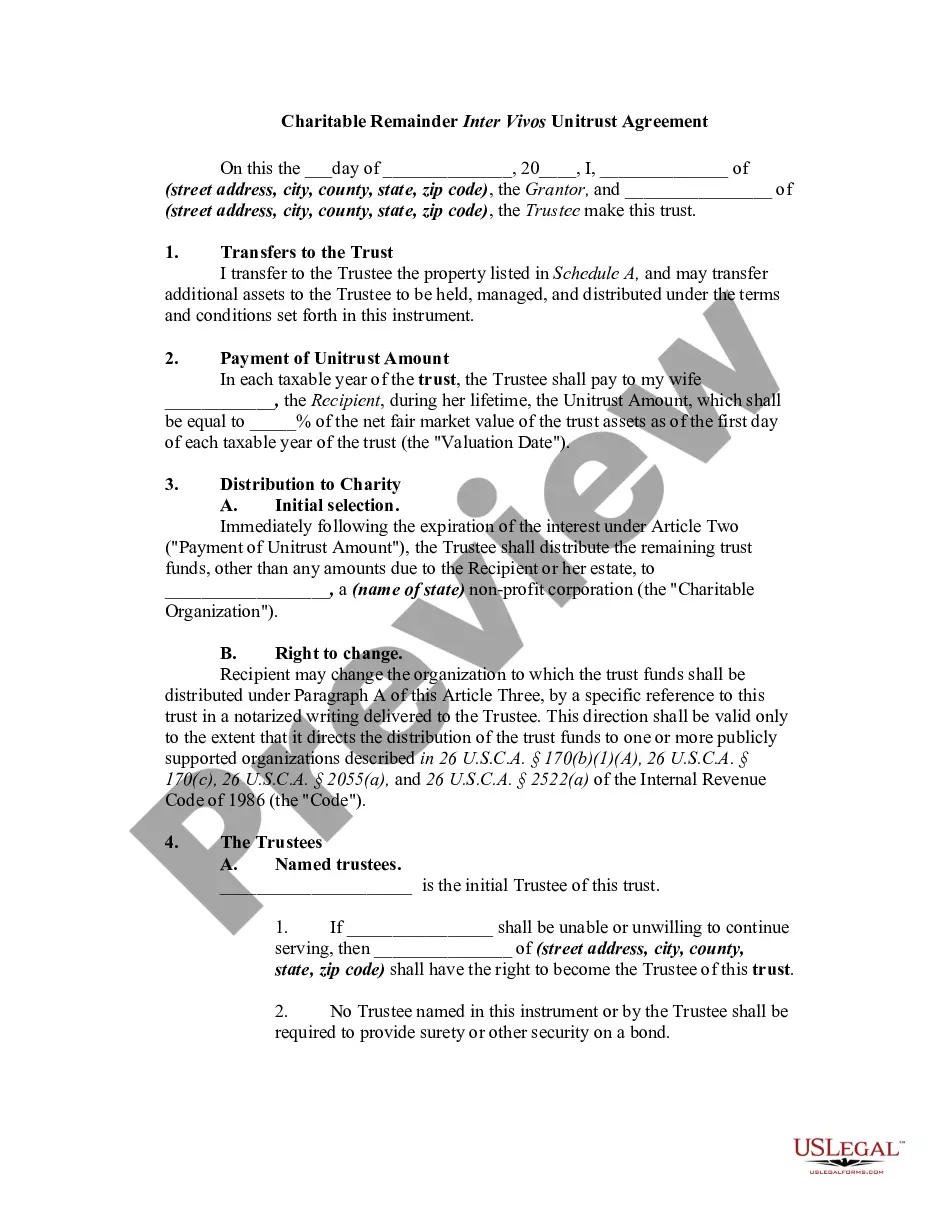
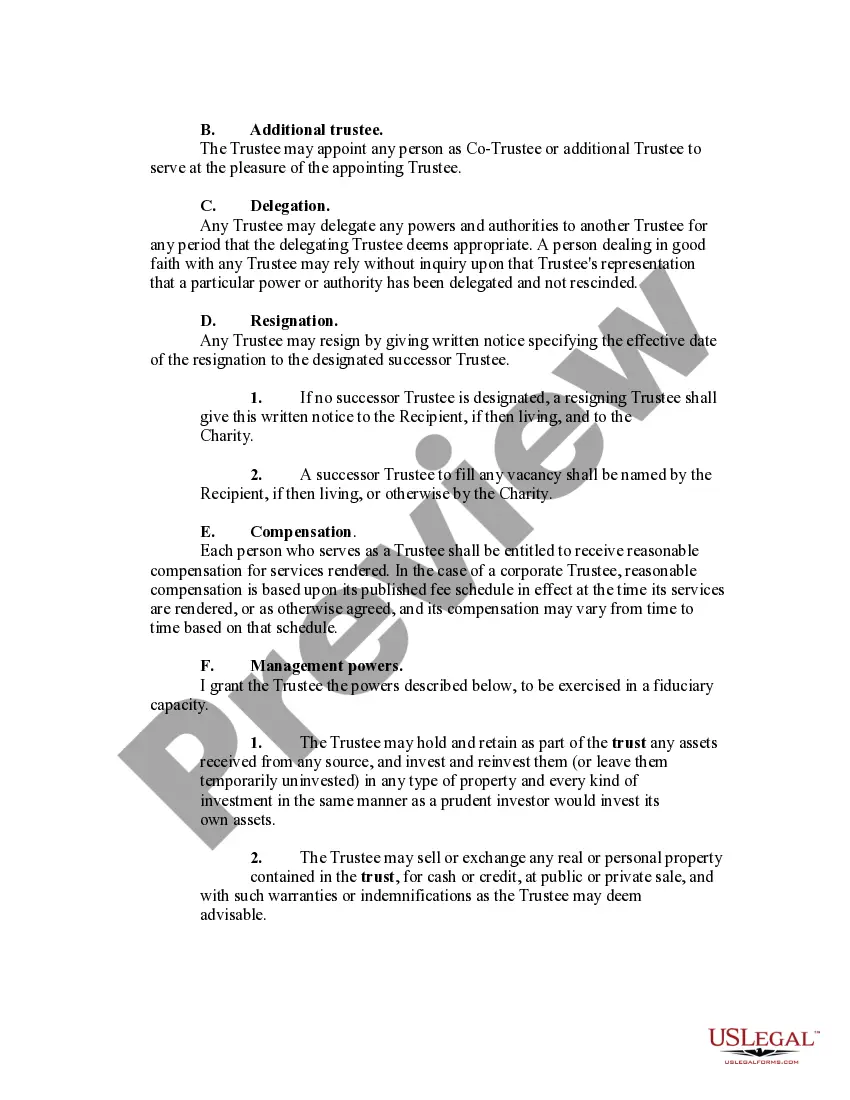
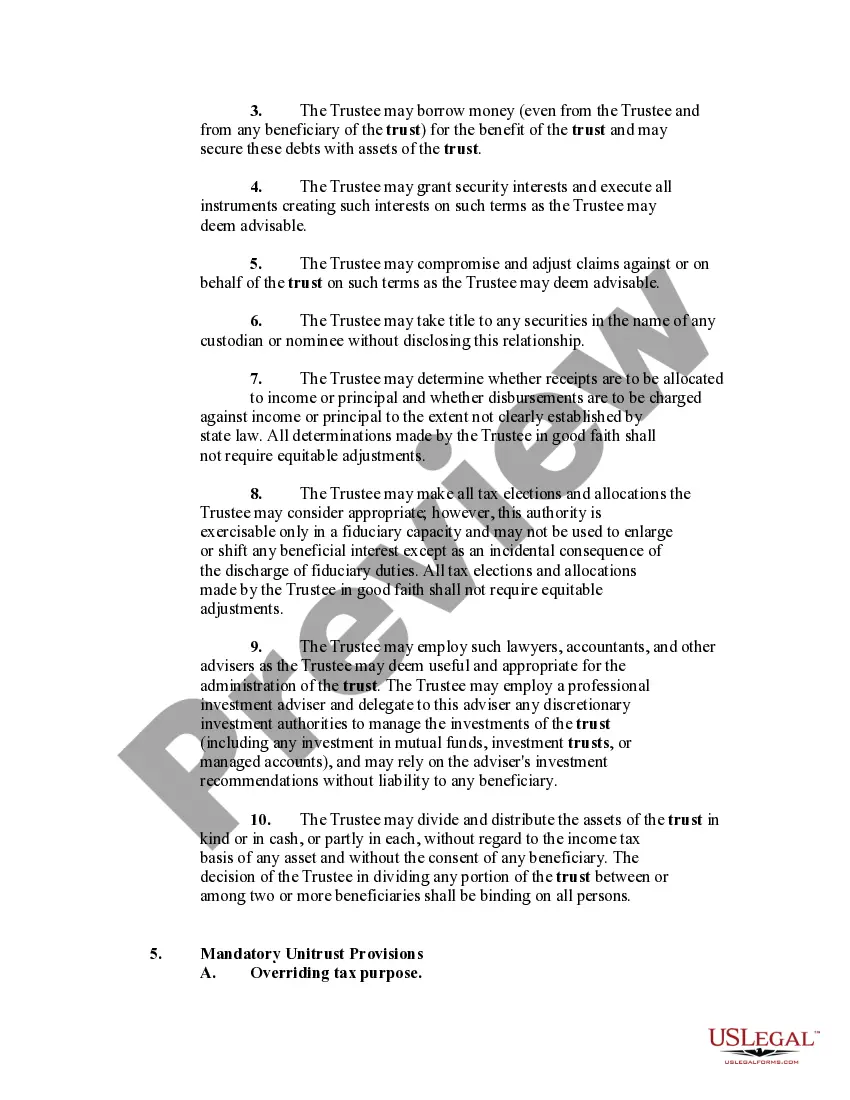
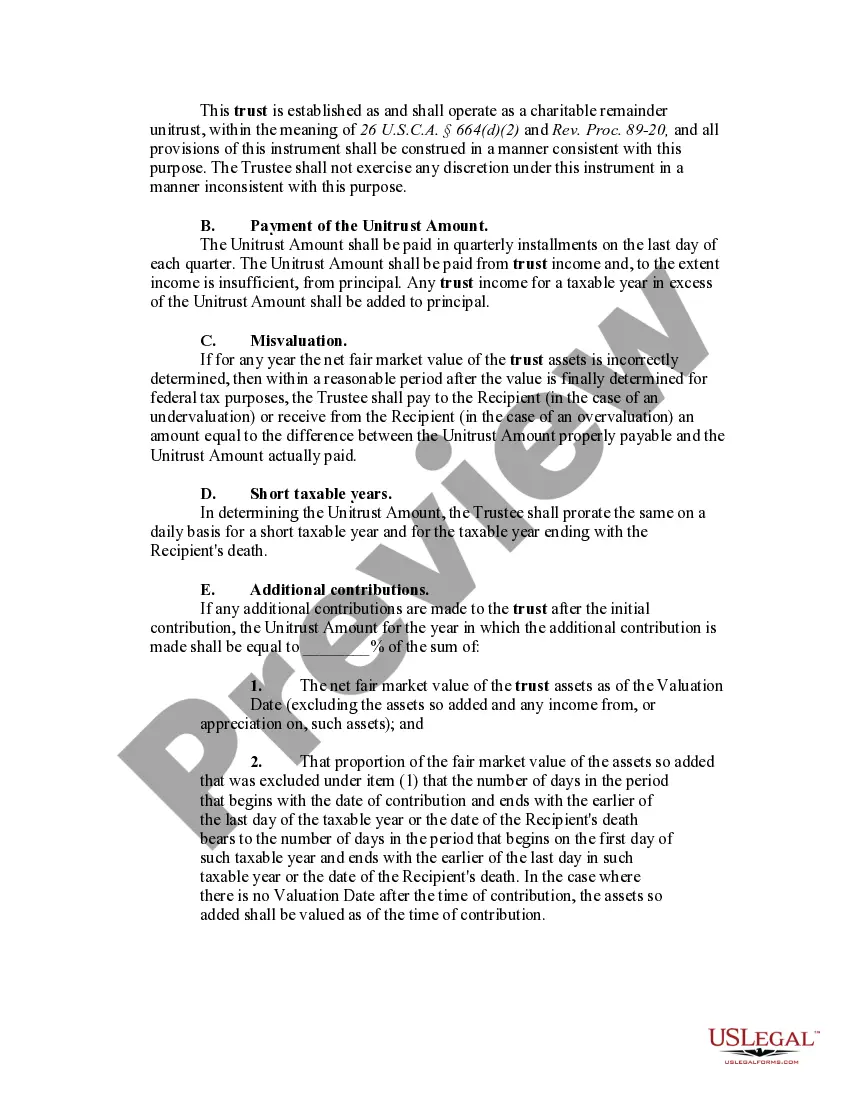
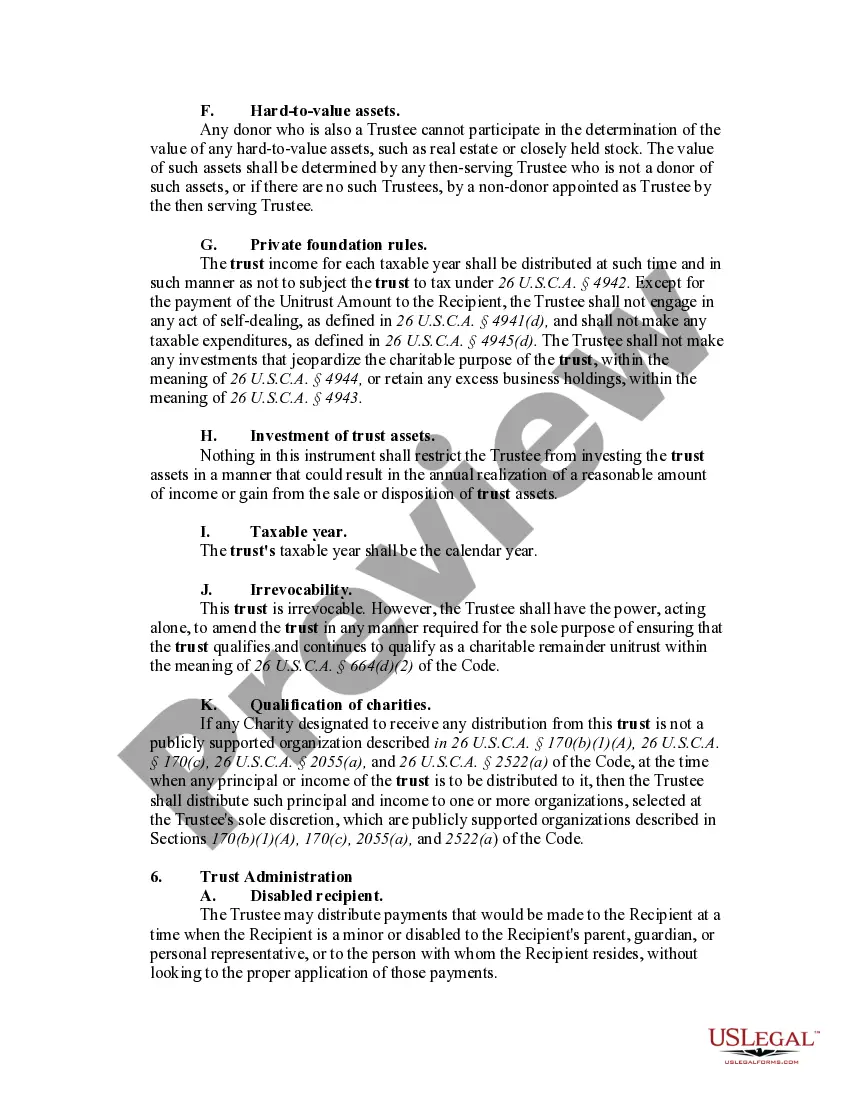
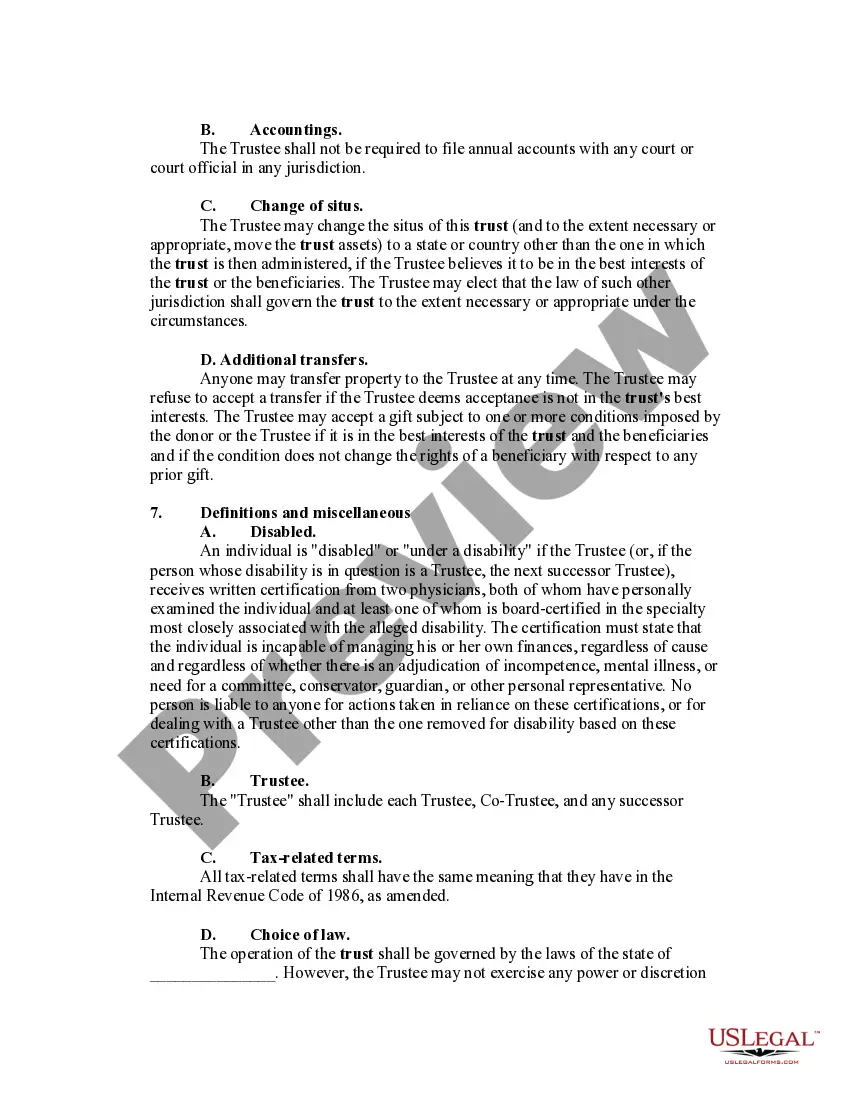
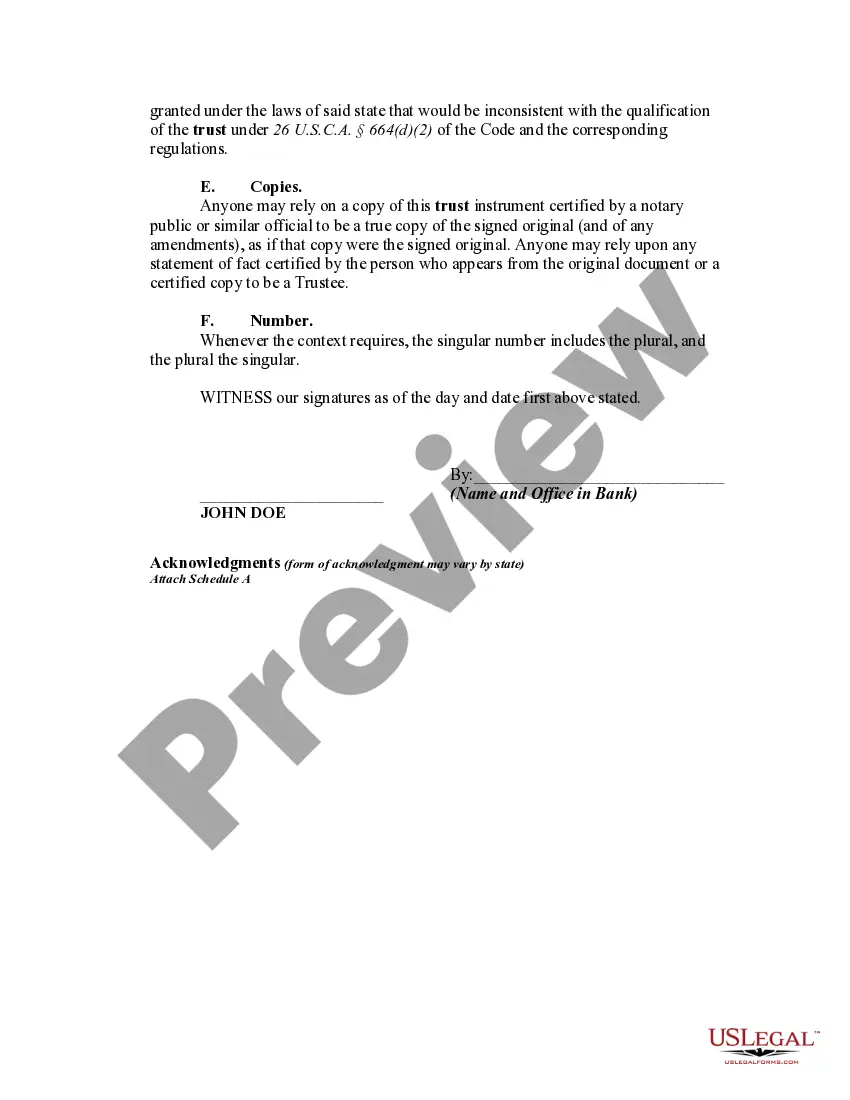
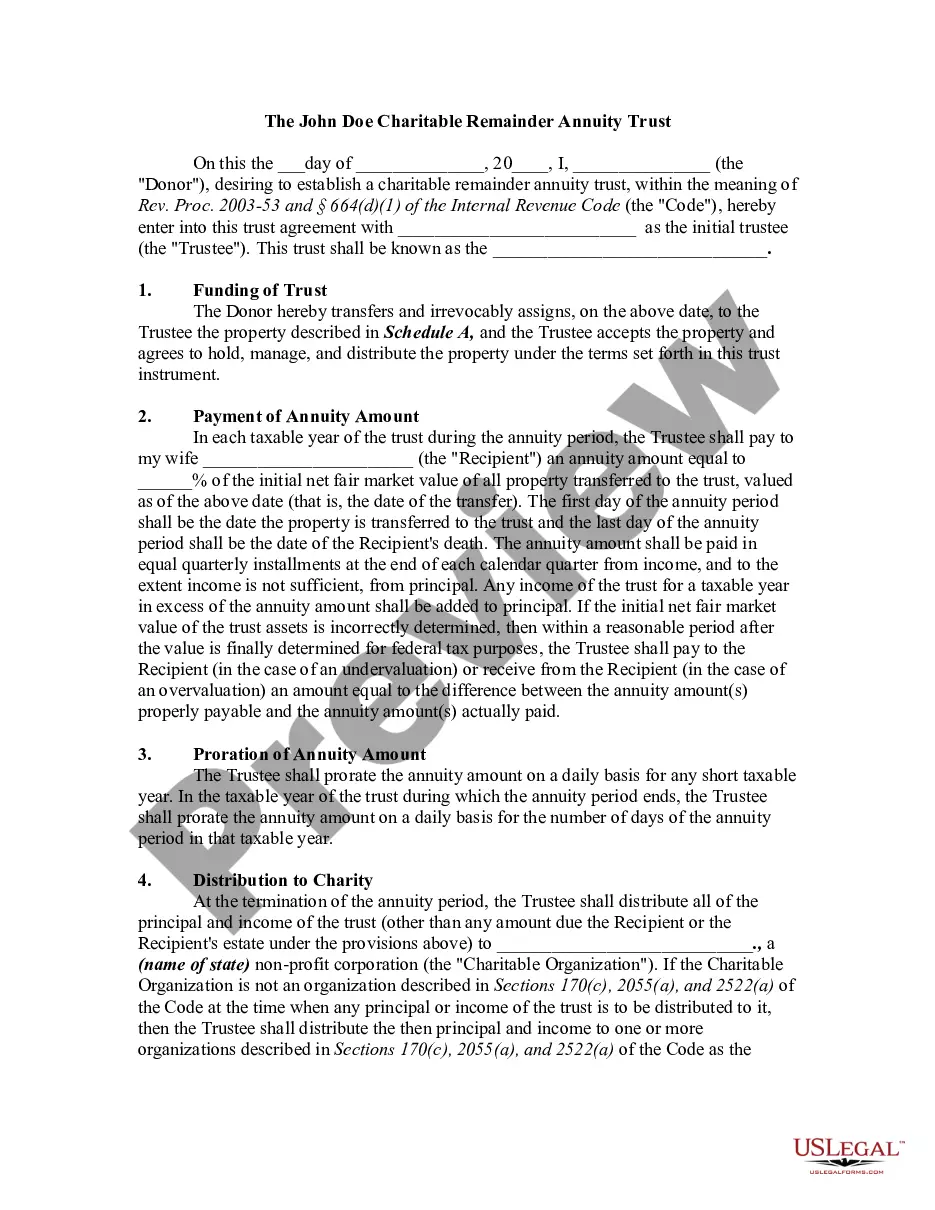
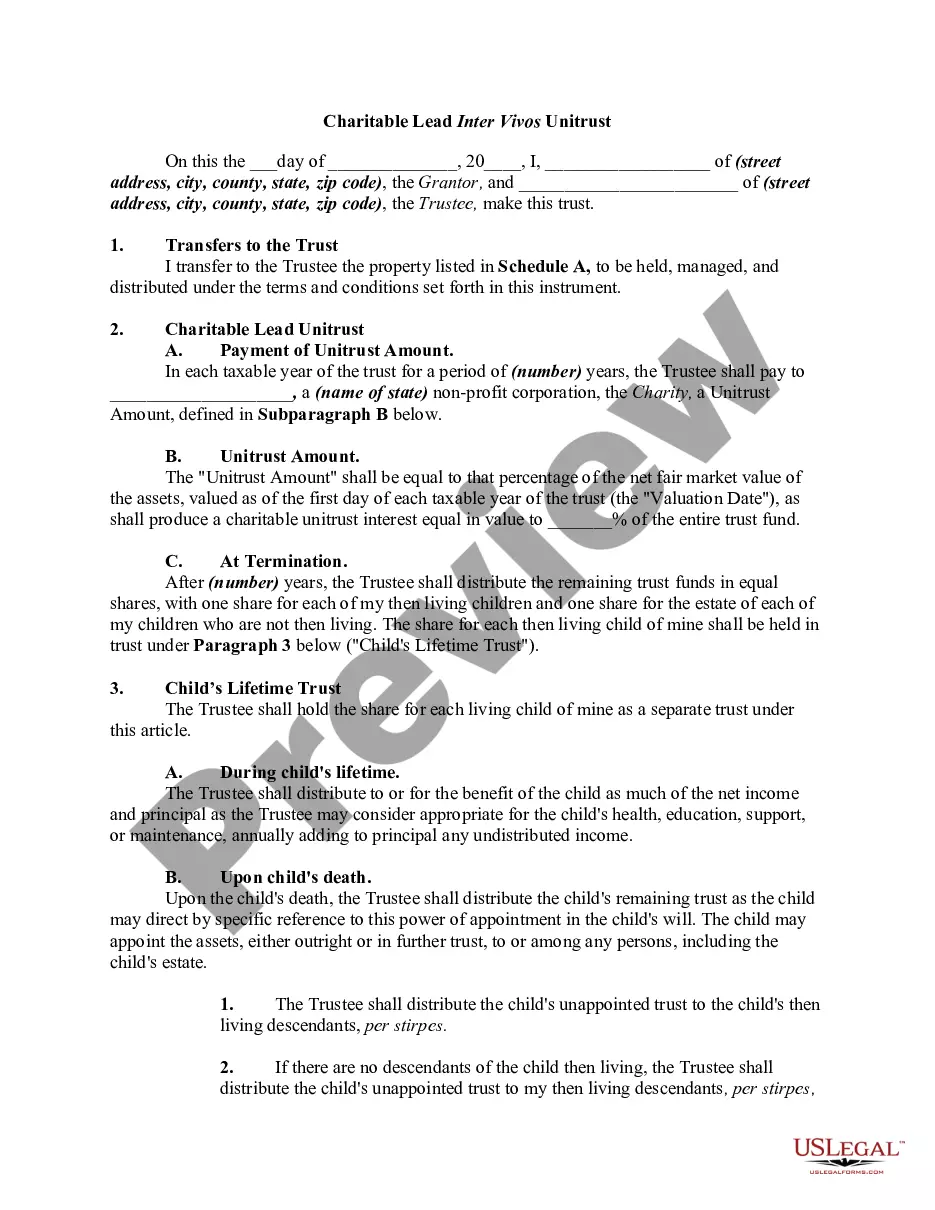
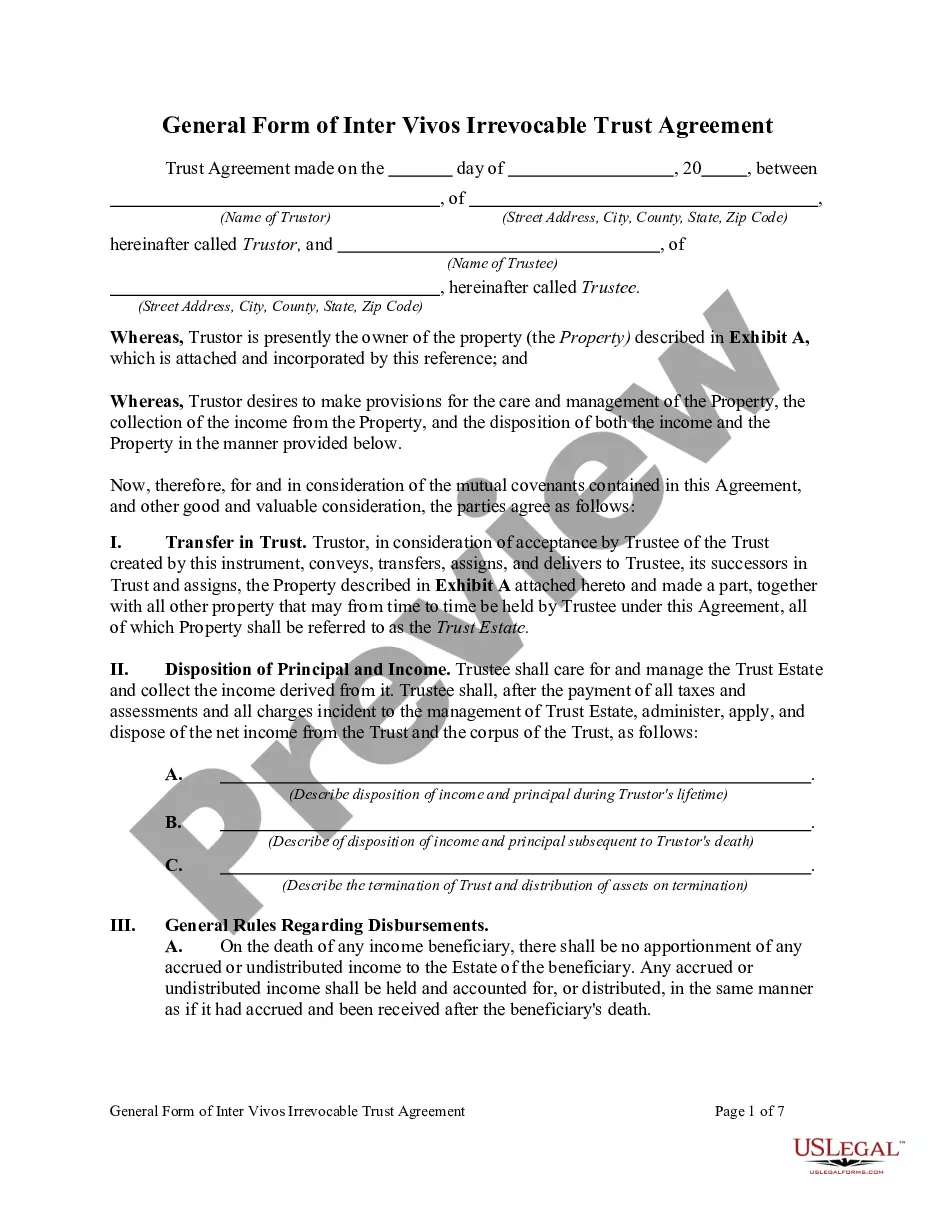
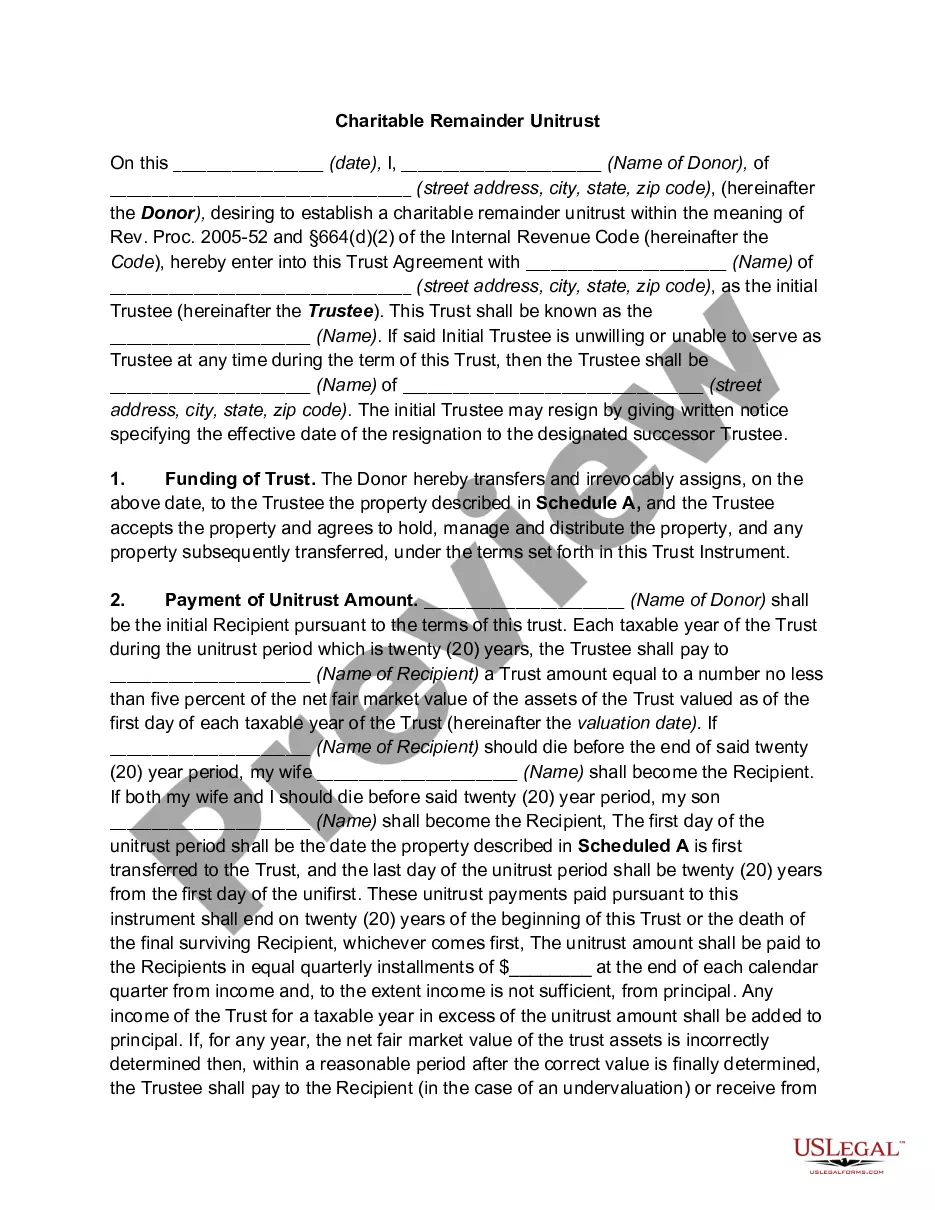
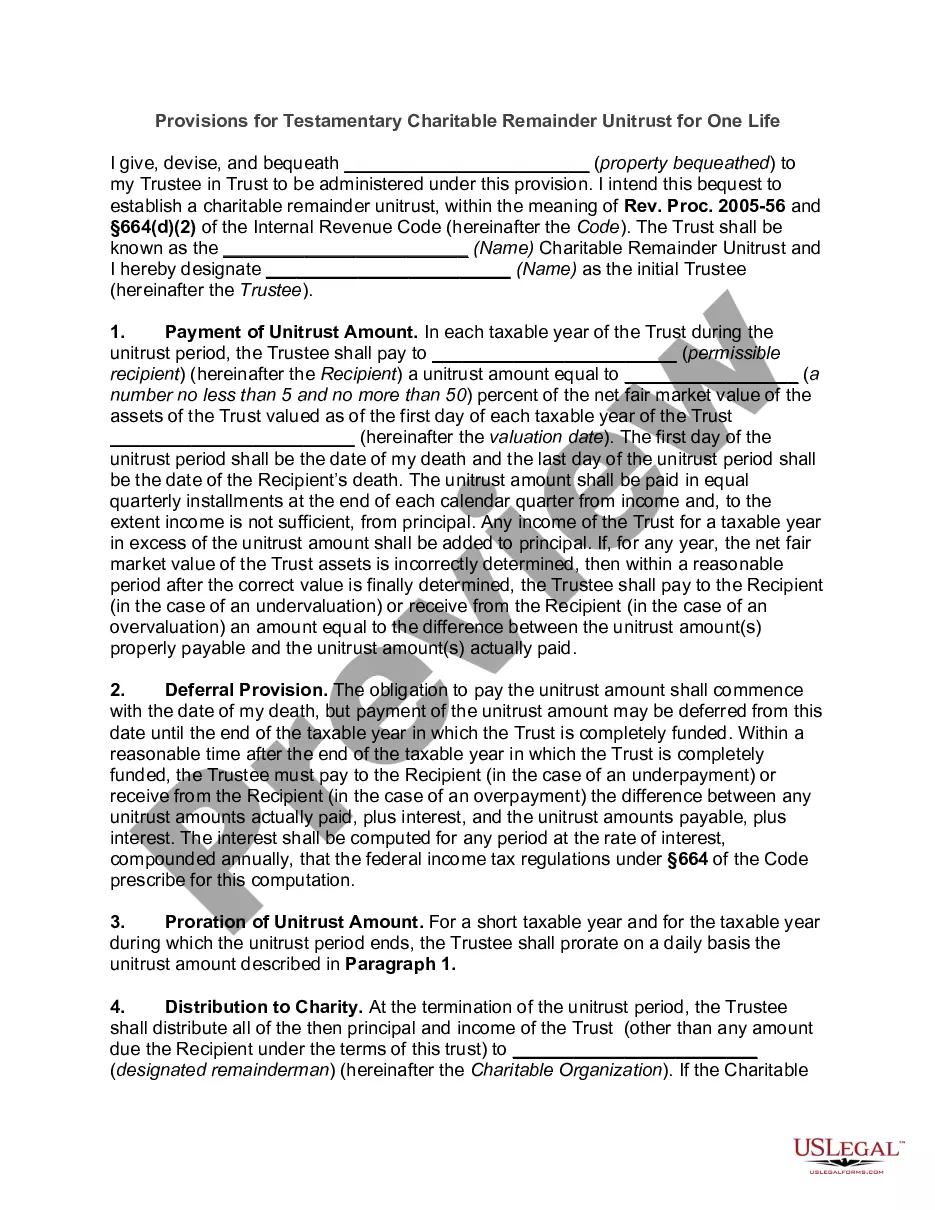
Get your form ready online
Our built-in tools help you complete, sign, share, and store your documents in one place.
Make edits, fill in missing information, and update formatting in US Legal Forms—just like you would in MS Word.
Download a copy, print it, send it by email, or mail it via USPS—whatever works best for your next step.
Sign and collect signatures with our SignNow integration. Send to multiple recipients, set reminders, and more. Go Premium to unlock E-Sign.
If this form requires notarization, complete it online through a secure video call—no need to meet a notary in person or wait for an appointment.
We protect your documents and personal data by following strict security and privacy standards.

Make edits, fill in missing information, and update formatting in US Legal Forms—just like you would in MS Word.

Download a copy, print it, send it by email, or mail it via USPS—whatever works best for your next step.

Sign and collect signatures with our SignNow integration. Send to multiple recipients, set reminders, and more. Go Premium to unlock E-Sign.

If this form requires notarization, complete it online through a secure video call—no need to meet a notary in person or wait for an appointment.

We protect your documents and personal data by following strict security and privacy standards.
Looking for another form?









How to fill out Charitable Remainder Inter Vivos Unitrust Agreement?
- Log into your account on US Legal Forms if you're a returning user, ensuring your subscription is active. If it's expired, renew it according to your selected payment plan.
- For first-time users, browse the Preview mode to find the relevant form. Confirm it aligns with your local jurisdiction's requirements.
- If necessary, conduct a search using the tab above to find alternative templates that meet your criteria.
- Once you've selected your document, click 'Buy Now' and choose your preferred subscription plan, creating an account to gain access.
- Complete your purchase by entering your payment information, using either your credit card or PayPal.
- Download the form directly to your device and access it anytime via the 'My Forms' menu in your profile.
By utilizing US Legal Forms, you're accessing a wealth of over 85,000 customizable legal documents, supported by premium experts ready to assist with your needs.
Experience the ease of legal documentation today—partner with US Legal Forms for all your legal form requirements.
Form popularity
FAQ
An inter vivos charitable remainder trust is a type of trust that allows you to donate assets while still retaining some benefits from them during your lifetime. You receive income from the trust, and after your passing, the remaining assets go to a charitable organization of your choice. If you are considering setting up a remainder inter vivos trust, buying with us can guide you through the process while maximizing your philanthropic goals.
One of the biggest mistakes parents make when setting up a trust fund is failing to communicate their intentions clearly to their children. This lack of transparency can lead to confusion and conflict after their passing. By using our platform, you can streamline the creation of a remainder inter vivos trust, ensure you set clear guidelines, and discuss your plans openly with your family.
The best trust for holding your house is typically a revocable living trust, which allows you to retain control over your property while making it easier for your heirs to inherit it without going through probate. However, if you want to include charitable aims in your planning, a remainder inter vivos trust is also a great option. By choosing to buy with us, you can find the best trust solutions tailored to your individual circumstances.
Suze Orman emphasizes the importance of a living trust as a tool for managing your wealth and controlling asset distribution. According to her, a well-structured trust can protect your family from unnecessary legal issues and costs after your death. When considering a remainder inter vivos trust, buying with us can simplify this process and ensure that you establish a trust that meets your specific needs.
The primary purpose of an inter vivos trust, also known as a living trust, is to manage assets during your lifetime and dictate their distribution after your passing. This type of trust can help you avoid probate, ensuring that your assets go directly to your beneficiaries. If you are looking to create a remainder inter vivos trust, you can conveniently buy with us, enabling you to secure your estate planning needs effectively.
Form 1041 is used to report income generated by estates and trusts, while form 5227 is specifically for charitable trusts and focuses on distributions to charities. Both forms serve different purposes in tax reporting and compliance. If you are considering a Remainder inter vivos trust buy with us, understanding these differences is crucial for effective trust management.
Filing a charitable remainder trust involves several steps, including completing form 5227 and ensuring all relevant income is reported accurately. This process can seem daunting, but with the right tools, it becomes manageable. By choosing a Remainder inter vivos trust buy with us, you can access resources that simplify this process effectively.
If your trust has taxable income, you should file a 1041 regardless of your status with form 5227. Each form serves a different purpose, and it is essential to comply with IRS rules. Our platform can provide the necessary guidance on managing these filings if you opt for a Remainder inter vivos trust buy with us.
You need to file a Form 1041 if your trust generates any income or has gross income of $600 or more for the year. Additionally, you should consider your beneficiaries' status. Our resources are designed to clarify these requirements, especially for those looking to Remainder inter vivos trust buy with us.
In general, you may need to file a gift tax return if you make a gift to a charitable remainder trust. This depends on the value of the gift and your overall tax situation. If you choose a Remainder inter vivos trust buy with us, our platform can help you determine whether this filing is necessary.