Remainder Inter Unitrust Living With Theft
Description
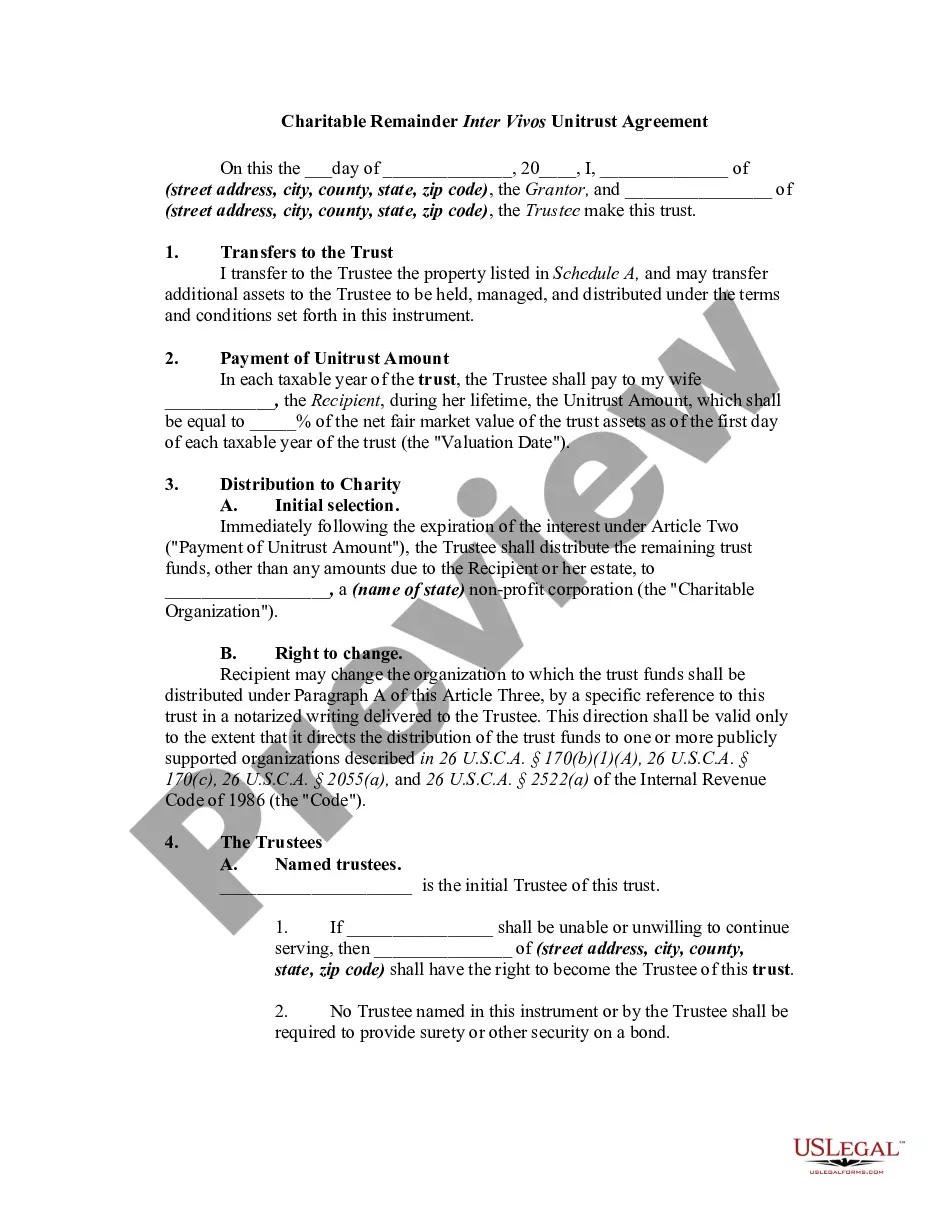
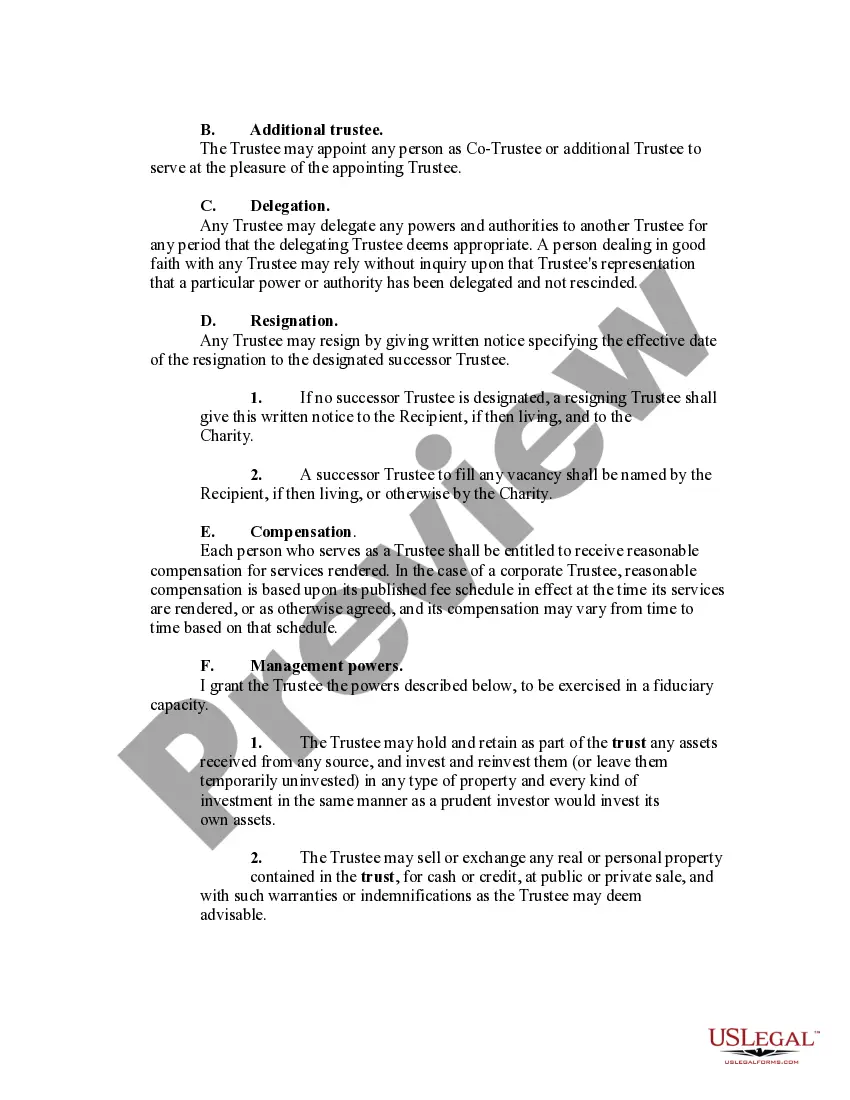
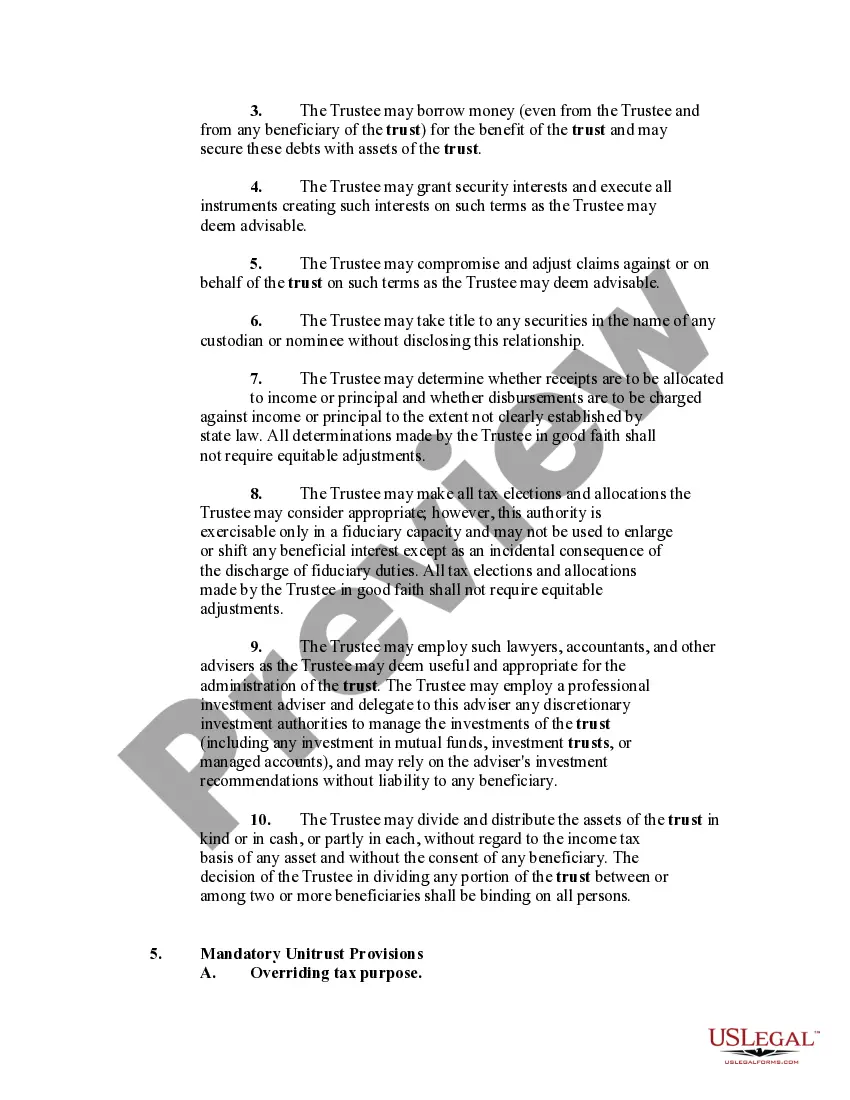
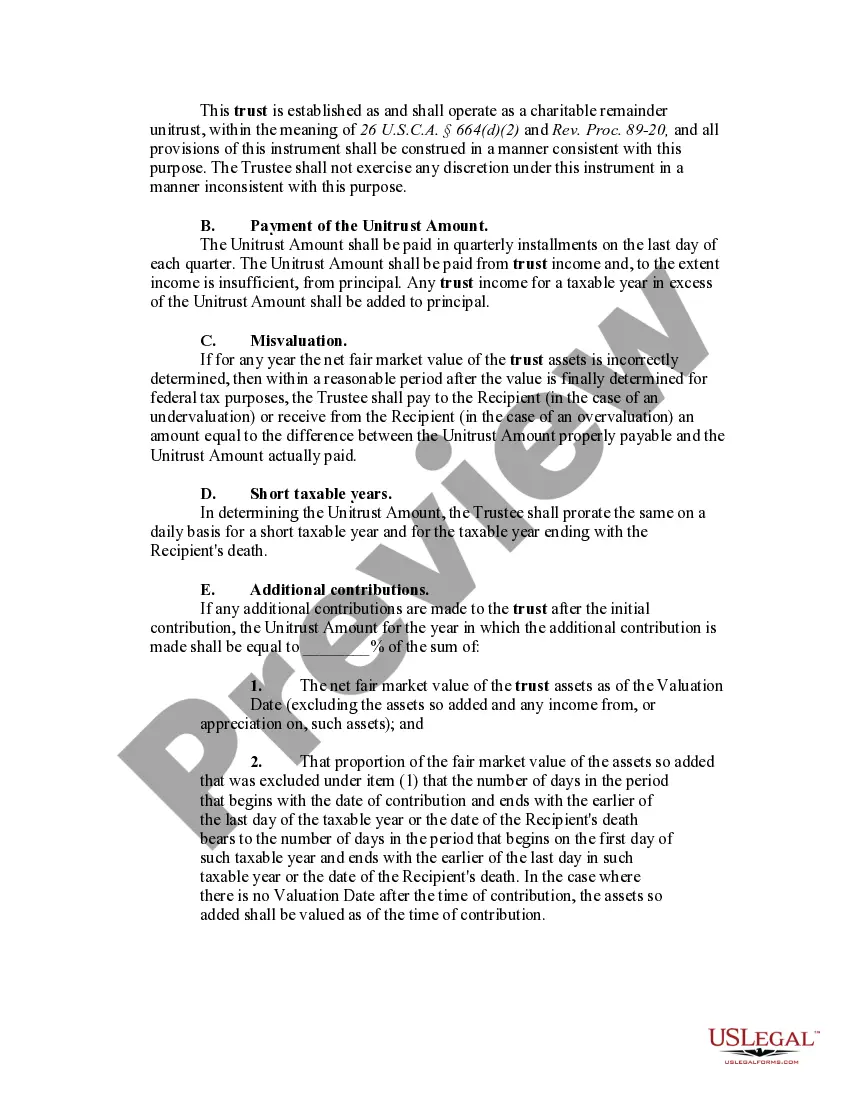
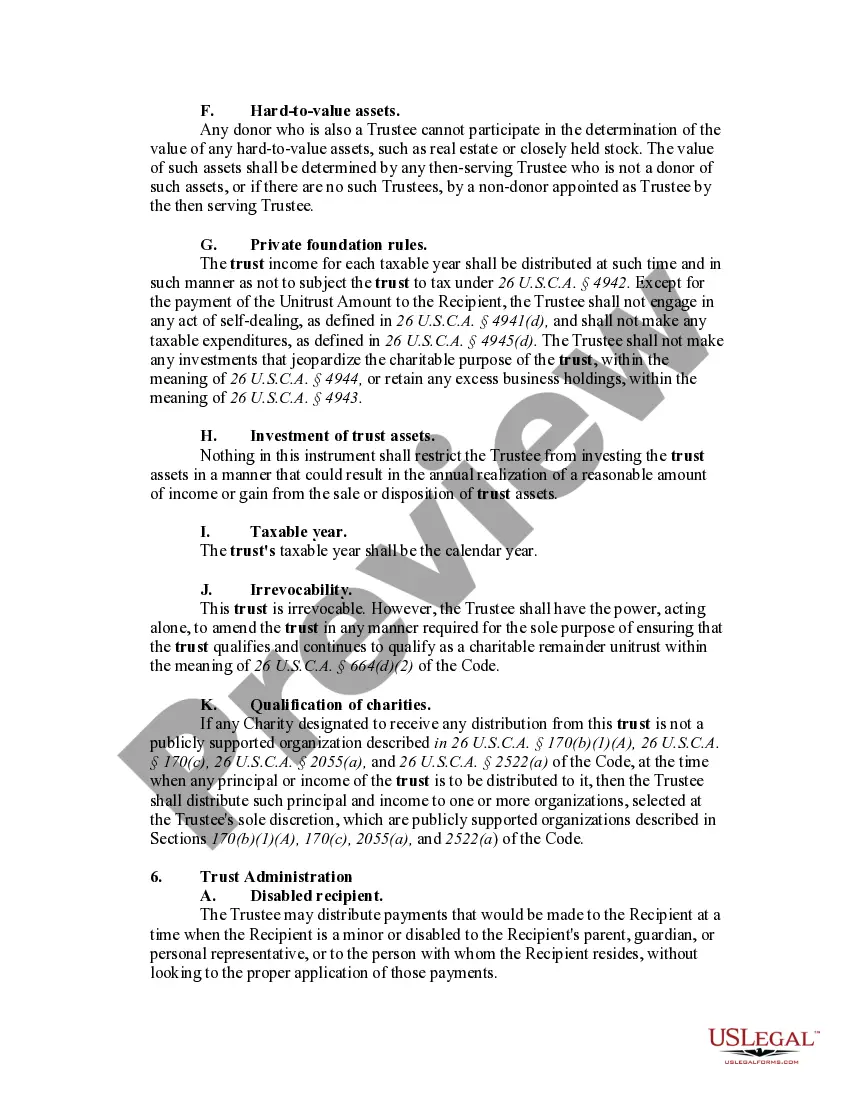
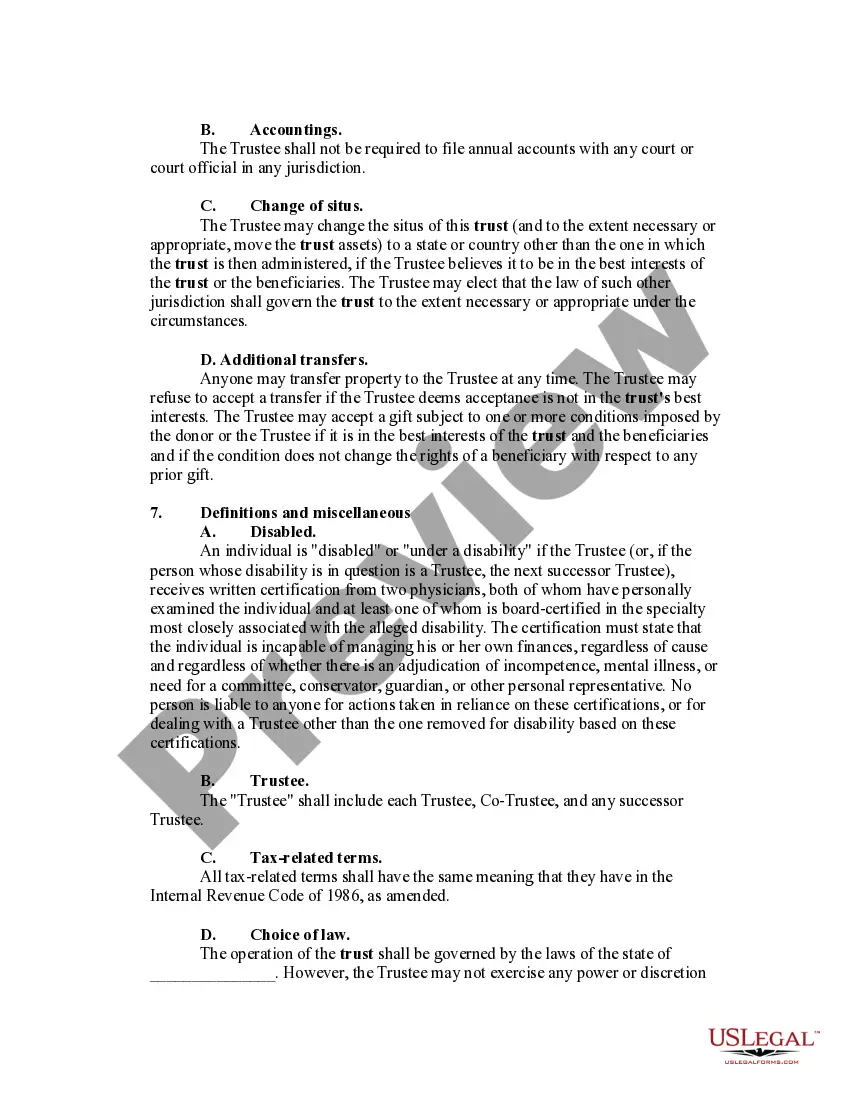
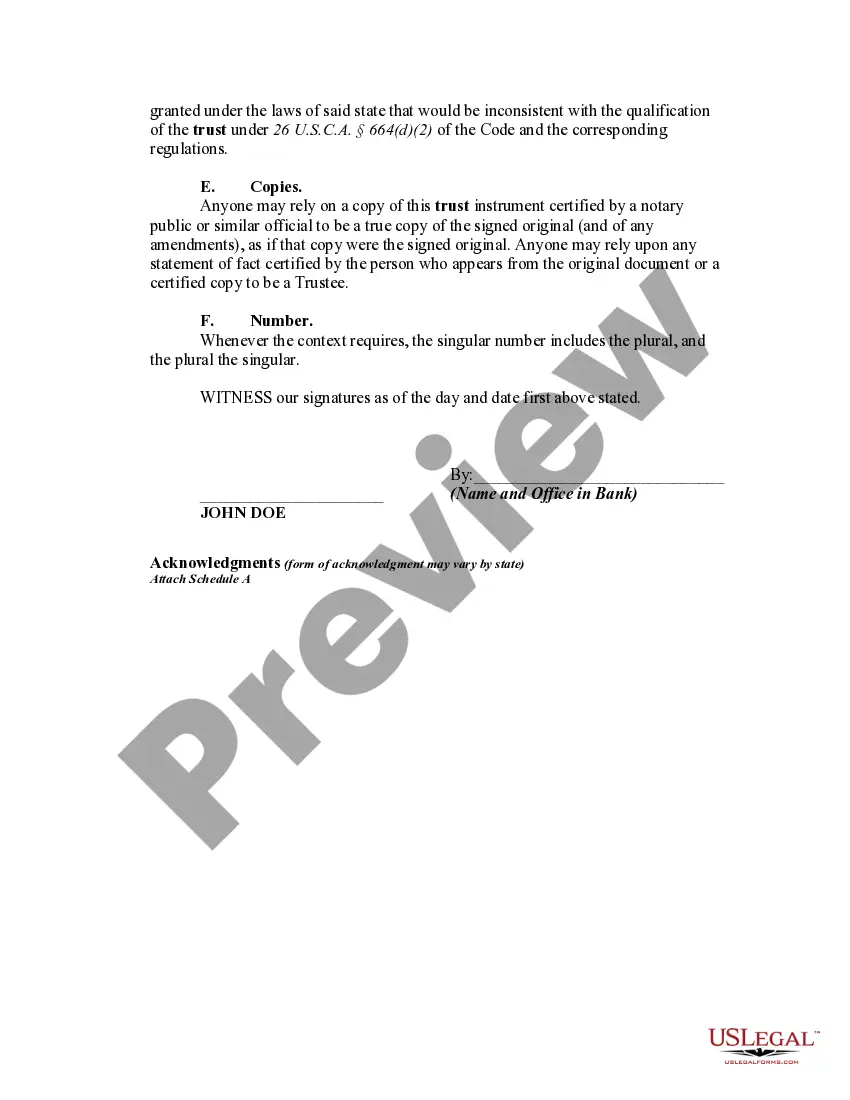
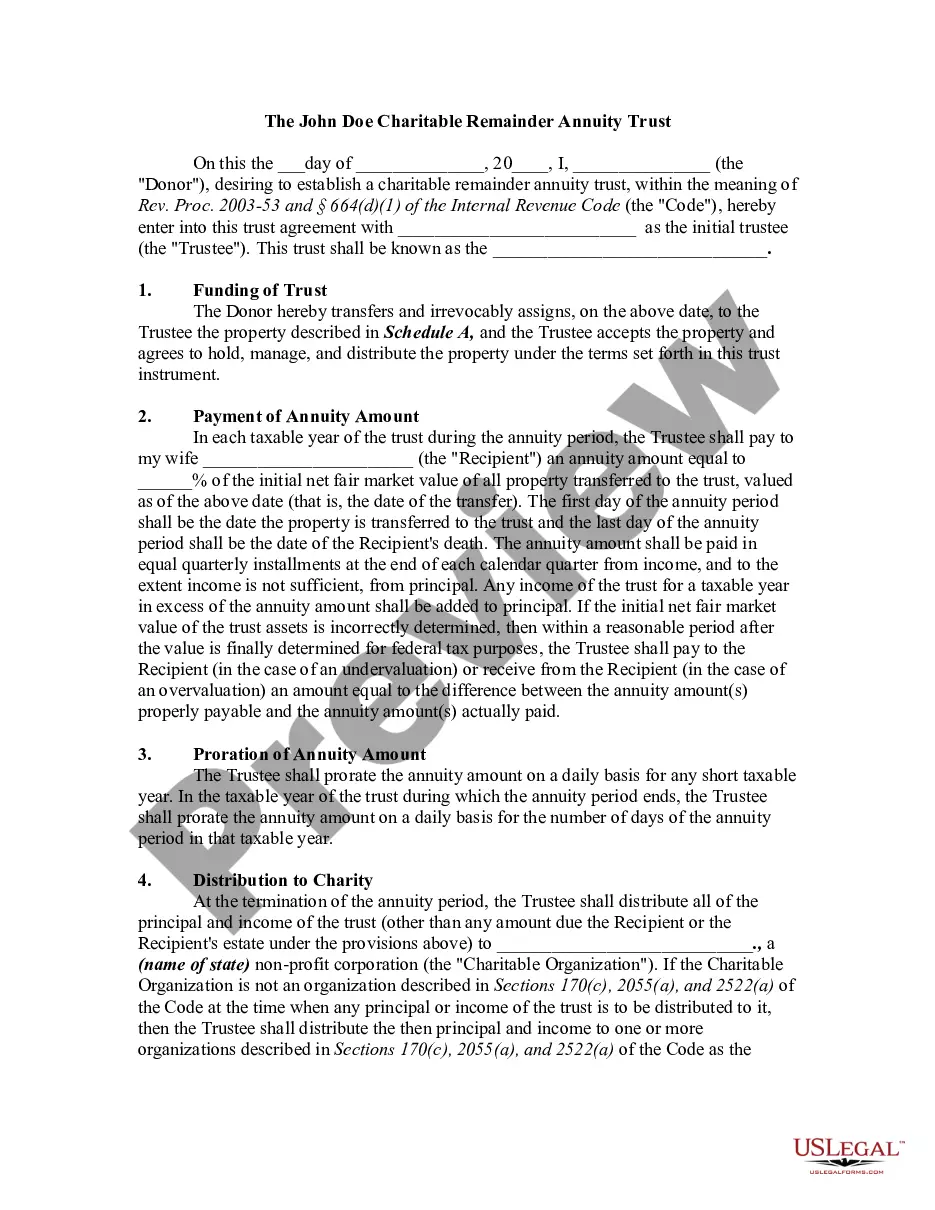
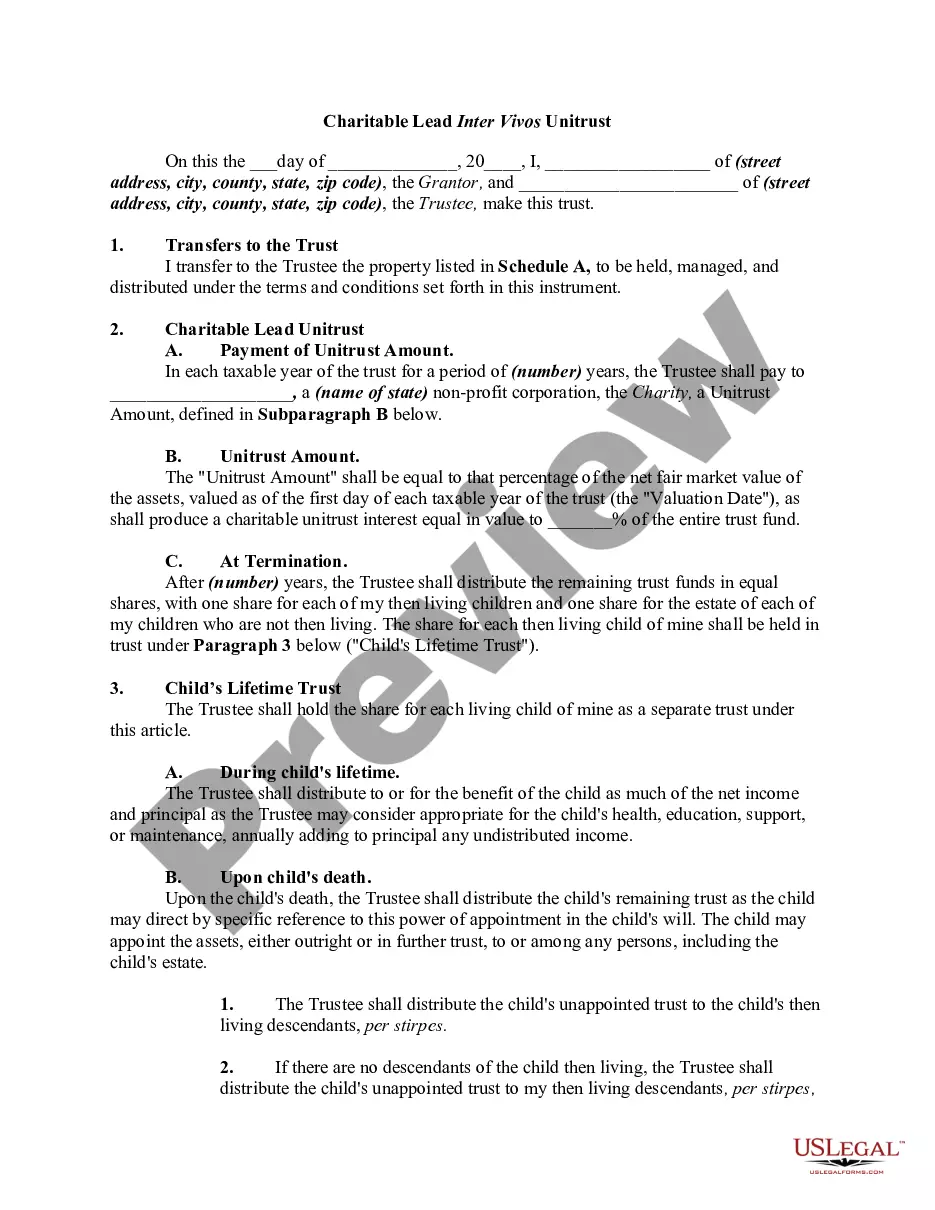
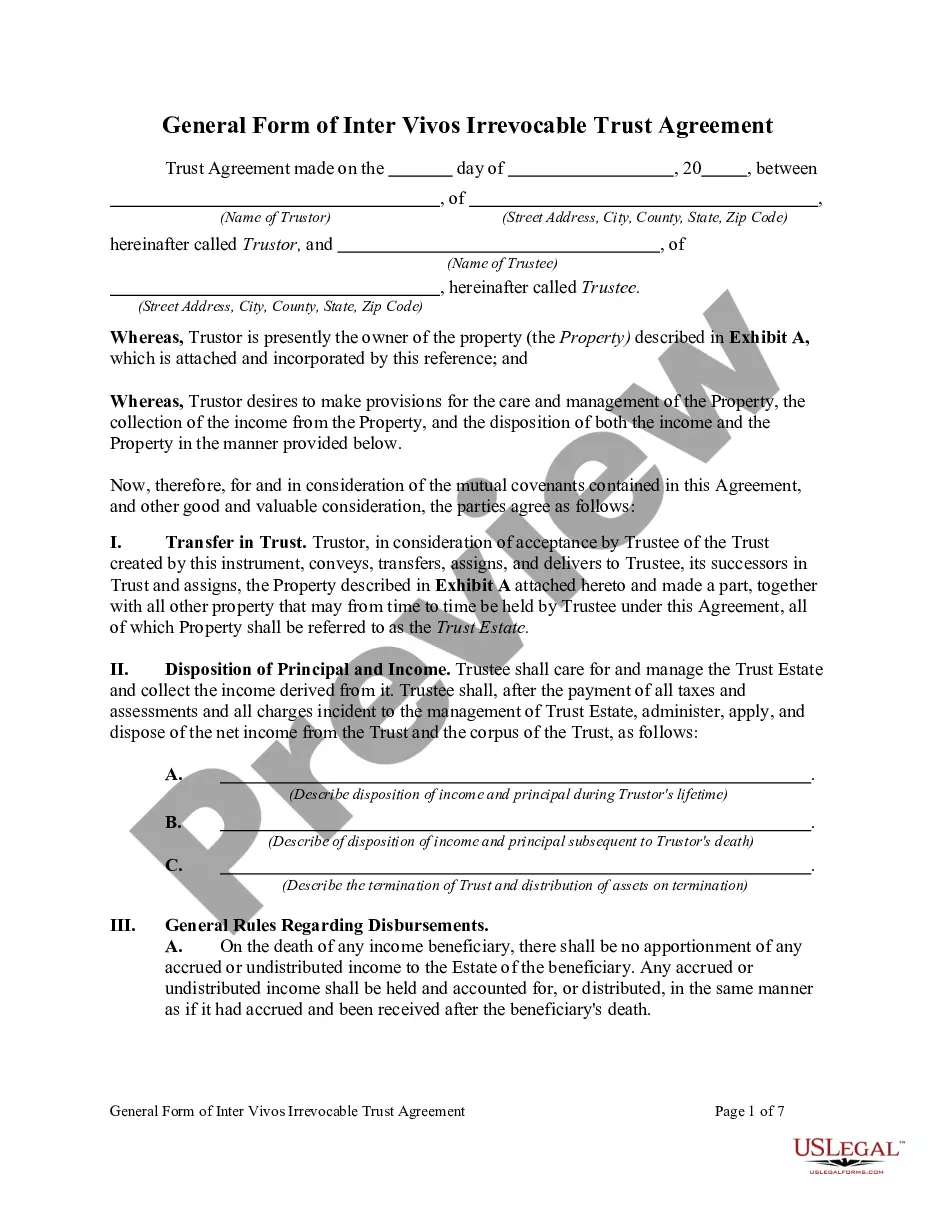
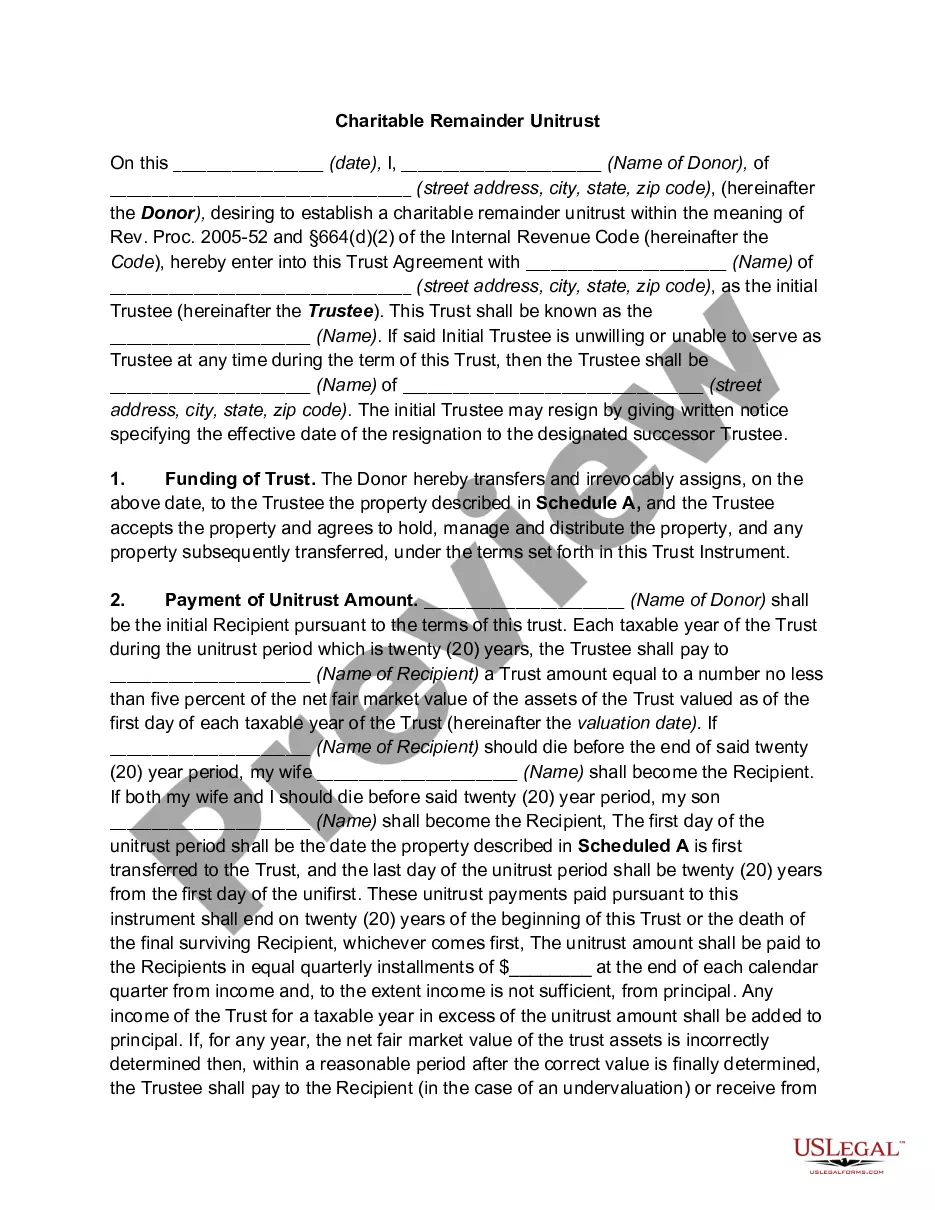
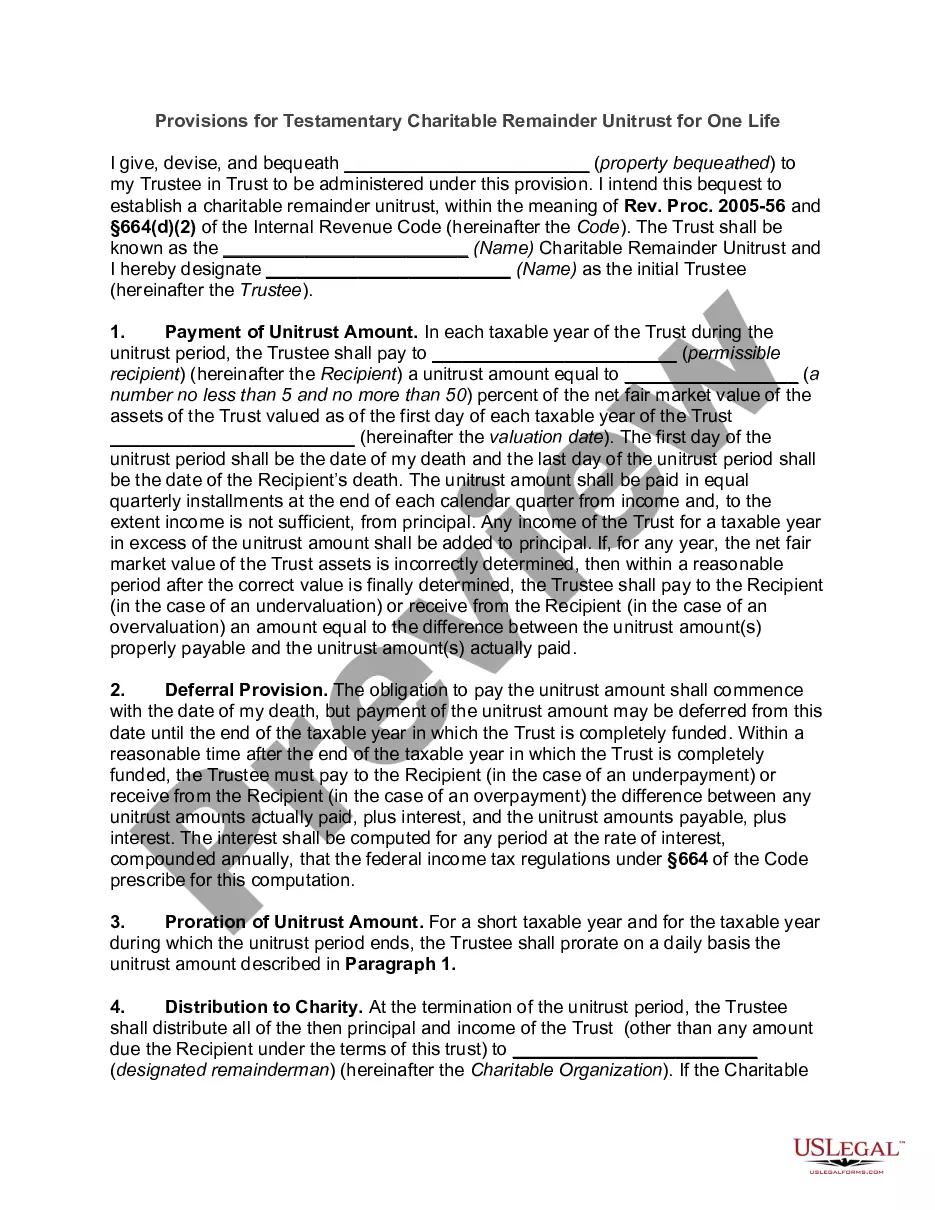
Get your form ready online
Our built-in tools help you complete, sign, share, and store your documents in one place.
Make edits, fill in missing information, and update formatting in US Legal Forms—just like you would in MS Word.
Download a copy, print it, send it by email, or mail it via USPS—whatever works best for your next step.
Sign and collect signatures with our SignNow integration. Send to multiple recipients, set reminders, and more. Go Premium to unlock E-Sign.
If this form requires notarization, complete it online through a secure video call—no need to meet a notary in person or wait for an appointment.
We protect your documents and personal data by following strict security and privacy standards.

Make edits, fill in missing information, and update formatting in US Legal Forms—just like you would in MS Word.

Download a copy, print it, send it by email, or mail it via USPS—whatever works best for your next step.

Sign and collect signatures with our SignNow integration. Send to multiple recipients, set reminders, and more. Go Premium to unlock E-Sign.

If this form requires notarization, complete it online through a secure video call—no need to meet a notary in person or wait for an appointment.

We protect your documents and personal data by following strict security and privacy standards.
Looking for another form?








How to fill out Charitable Remainder Inter Vivos Unitrust Agreement?
- If you're already a user, log in to your account and download the required template by clicking the Download button. Ensure your subscription is active, or renew it as per your payment plan.
- For first-time users, start by checking the Preview mode and form description to confirm the template meets your legal needs and local jurisdiction requirements.
- If the selected form isn't right, utilize the Search tab above to find a more suitable option that meets your criteria.
- After identifying the correct document, click on the Buy Now button and select your preferred subscription plan, registering an account for full access to the library.
- Complete your purchase by entering your credit card or using your PayPal account to pay for the subscription.
- Finally, download your form and save it on your device. You can also access it later in the My Forms section of your profile.
With US Legal Forms, you gain access to a robust collection of over 85,000 legal forms and packages, ensuring you can find exactly what you need quickly.
Empower yourself in the legal space—start using US Legal Forms today and simplify your document preparation process!
Form popularity
FAQ
While charitable remainder trusts offer many advantages, they also come with potential pitfalls. Mismanagement can occur, especially if the trust’s terms are not clear or if there are changes in tax laws. Furthermore, if the income generated falls short, beneficiaries might face unexpected financial issues. To effectively navigate these challenges, using platforms like US Legal Forms can provide essential guidance and resources to set up and manage a remainder inter unitrust living with theft properly.
A charitable remainder unitrust is often used to convert appreciated assets into income while supporting charitable organizations. This type of trust allows individuals to receive income during their lifetime, which can enhance financial security. After their passing, the remaining assets go to chosen charities, thus creating a legacy. Exploring options like a remainder inter unitrust living with theft can maximize both personal and philanthropic benefits.
Yes, a charitable remainder unitrust (CRUT) can last longer than 20 years. While the IRS typically mandates that these trusts end after 20 years, a properly structured remainder inter unitrust living with theft may have provisions that extend its duration based on specific circumstances. This flexibility allows for strategic planning to support charitable causes while providing benefits to the trust's beneficiaries. Always consult with a professional to explore tailored solutions.
Form 5227 must be filed by individuals who manage a Remainder inter unitrust living with theft, as well as trustees handling such trusts. This form helps ensure compliance with IRS regulations concerning trust income and distributions. If you are uncertain about your obligations, seeking guidance through resources like the US Legal Forms platform can provide clarity and support. Filing correctly is crucial to avoid potential issues down the line.
Yes, you can file form 5227 electronically, which simplifies the process for those managing a Remainder inter unitrust living with theft. This convenient option enhances accuracy and saves time compared to paper filing. Additionally, filing online allows for easier tracking of your submission. Consider using the US Legal Forms platform for a streamlined experience.
The key difference lies in the payout method. A unitrust provides a percentage of the trust's value, recalculated each year, while a charitable remainder trust often pays a fixed amount. Both structures provide income during the beneficiary's lifetime, but understanding the specific financial implications and tax benefits is essential for making the right choice for your situation.
Setting up a charitable remainder unitrust requires you to define the charitable beneficiaries, establish an income beneficiary, and set the percentage payout rate. The trust must distribute income annually and eventually transfer remaining assets to the charity. Following the regulations concerning valuation and payout helps assure compliance and tax advantages.
In a remainder inter unitrust living with theft, a disqualified person includes the grantor, their spouse, and lineal descendants. These individuals do not have the authority to benefit from the trust's income during its term. Understanding who qualifies as disqualified can help you navigate potential tax issues and comply with IRS requirements.
A charitable remainder unitrust (CRUT) must make annual distributions based on its calculations, usually a fixed percentage. These distributions must occur at least annually and be based on the fair market value of the trust assets. It's vital to adhere to IRS guidelines to ensure the trust maintains its tax-exempt status while providing income to beneficiaries.
To establish a remainder inter unitrust living with theft, you must ensure that the trust pays at least 5% of its net fair market value to the income beneficiary annually. Additionally, the trust must distribute assets to charity after the income beneficiary's lifetime. To maintain the tax benefits associated with such a trust, it is crucial to comply with IRS regulations and ensure the charity named is a qualified organization.