Remainder Inter Unitrust Living For The Moment
Description
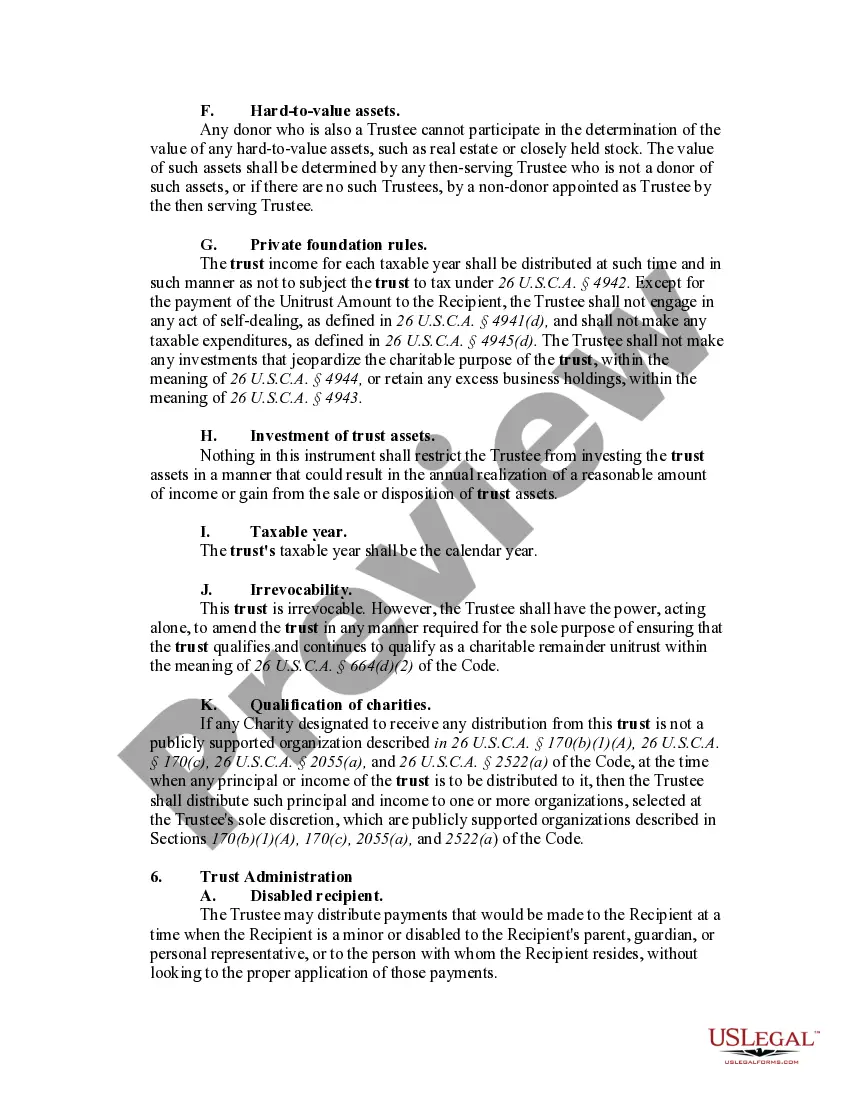
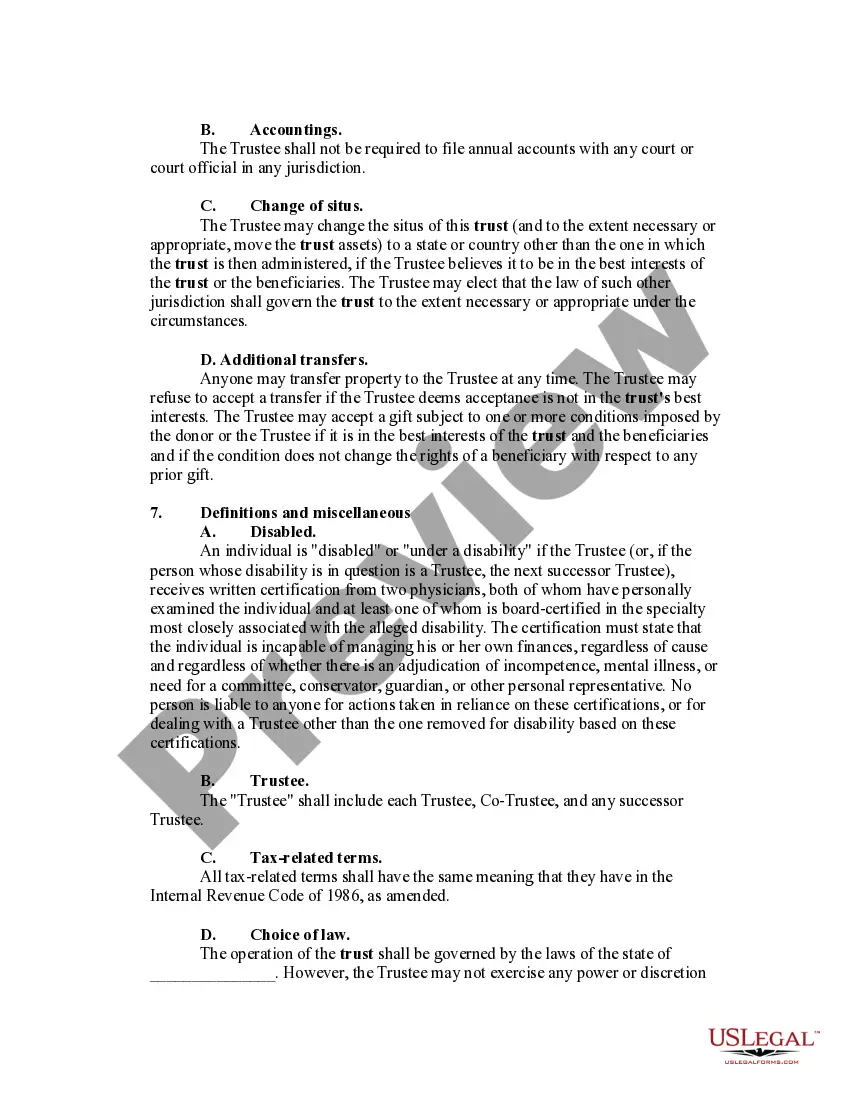
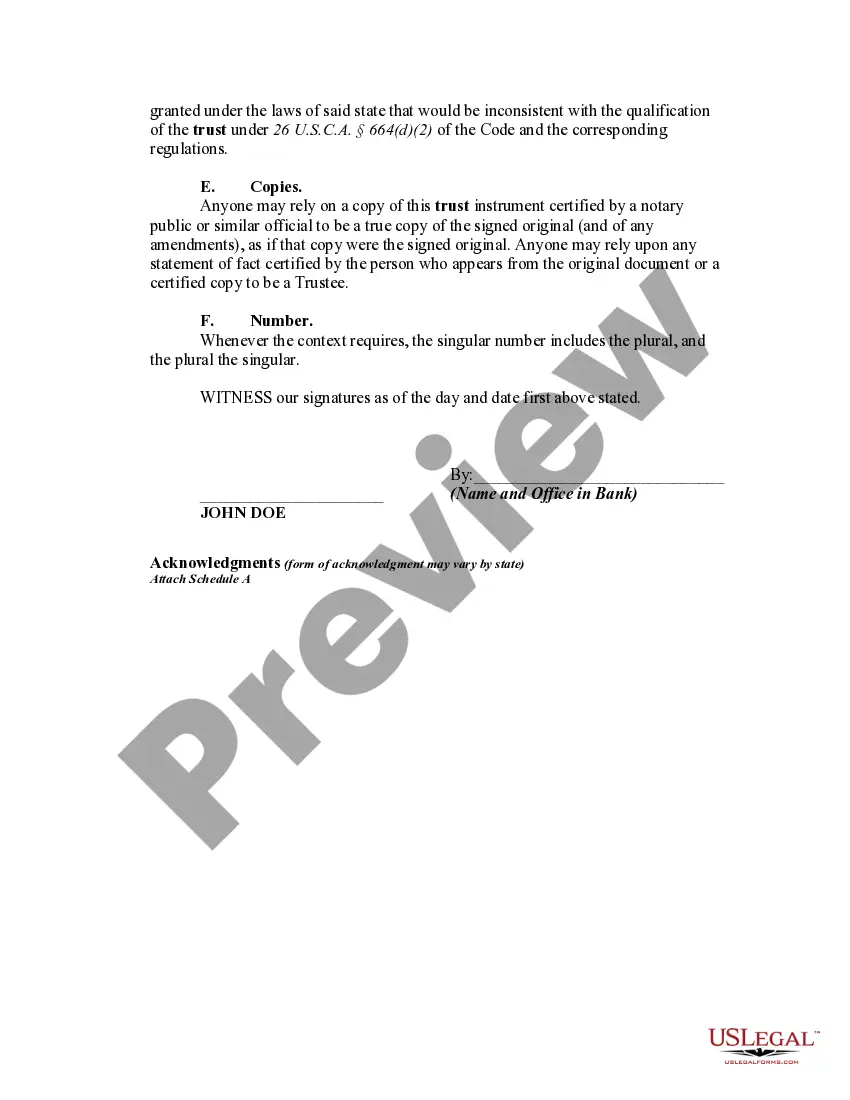
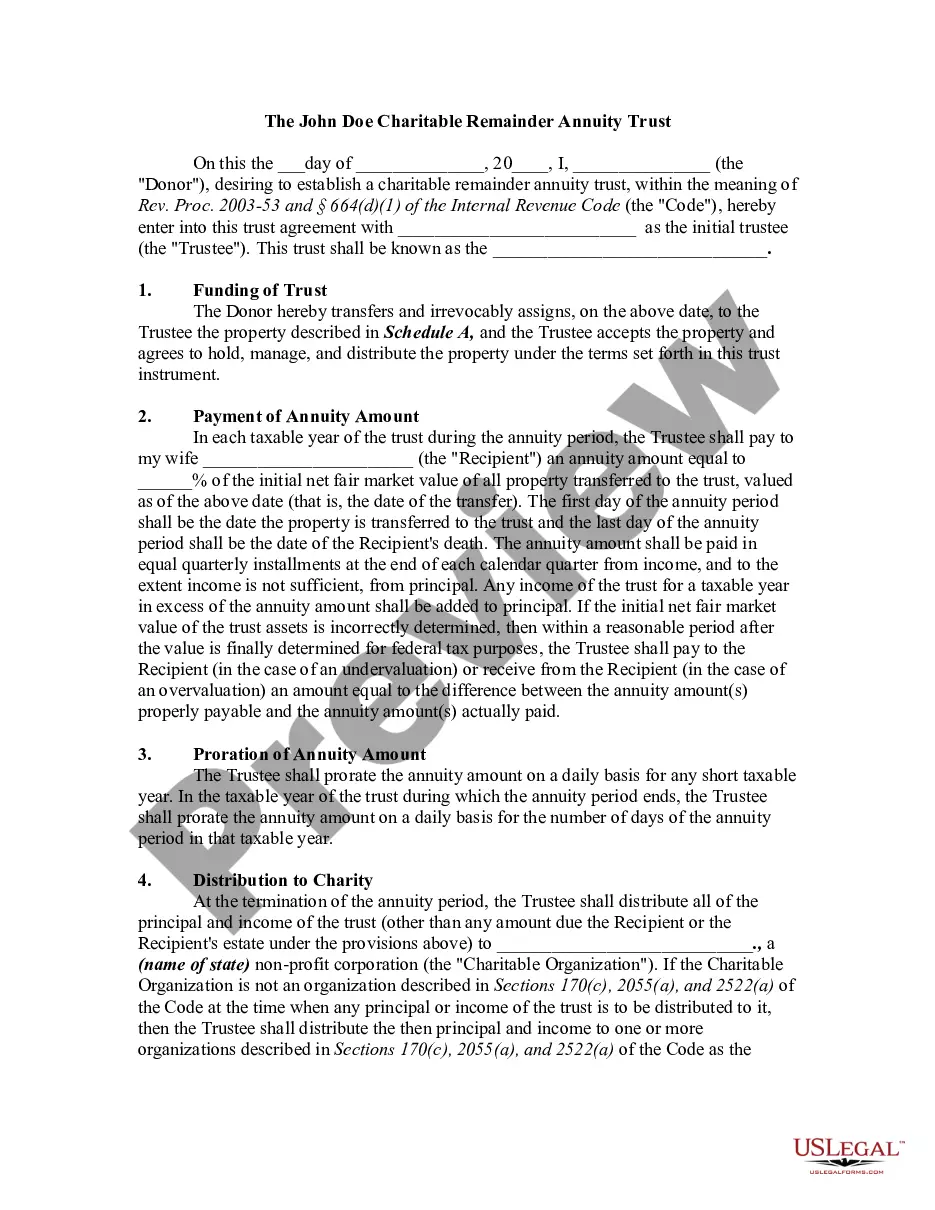
Get your form ready online
Our built-in tools help you complete, sign, share, and store your documents in one place.
Make edits, fill in missing information, and update formatting in US Legal Forms—just like you would in MS Word.
Download a copy, print it, send it by email, or mail it via USPS—whatever works best for your next step.
Sign and collect signatures with our SignNow integration. Send to multiple recipients, set reminders, and more. Go Premium to unlock E-Sign.
If this form requires notarization, complete it online through a secure video call—no need to meet a notary in person or wait for an appointment.
We protect your documents and personal data by following strict security and privacy standards.

Make edits, fill in missing information, and update formatting in US Legal Forms—just like you would in MS Word.

Download a copy, print it, send it by email, or mail it via USPS—whatever works best for your next step.

Sign and collect signatures with our SignNow integration. Send to multiple recipients, set reminders, and more. Go Premium to unlock E-Sign.

If this form requires notarization, complete it online through a secure video call—no need to meet a notary in person or wait for an appointment.

We protect your documents and personal data by following strict security and privacy standards.
Looking for another form?



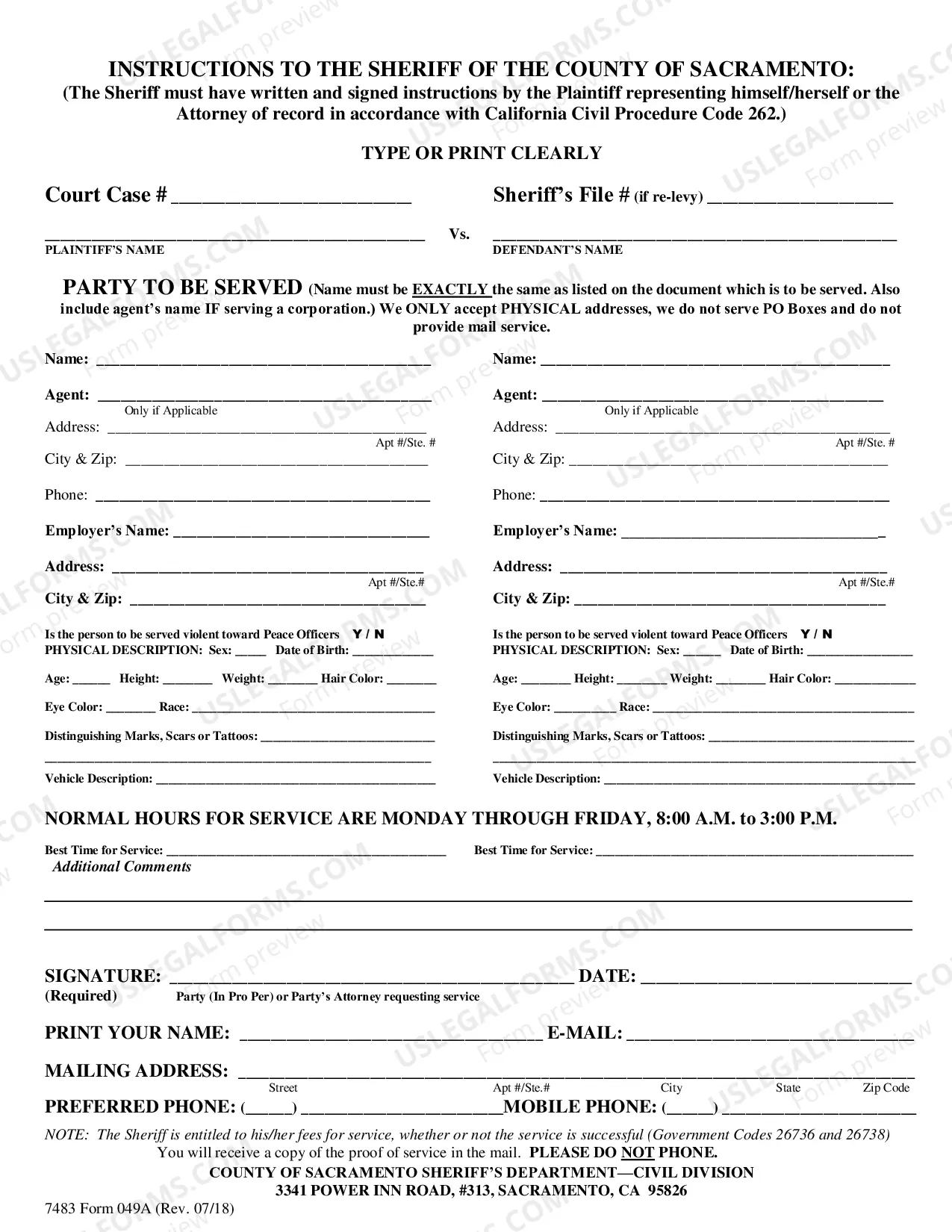


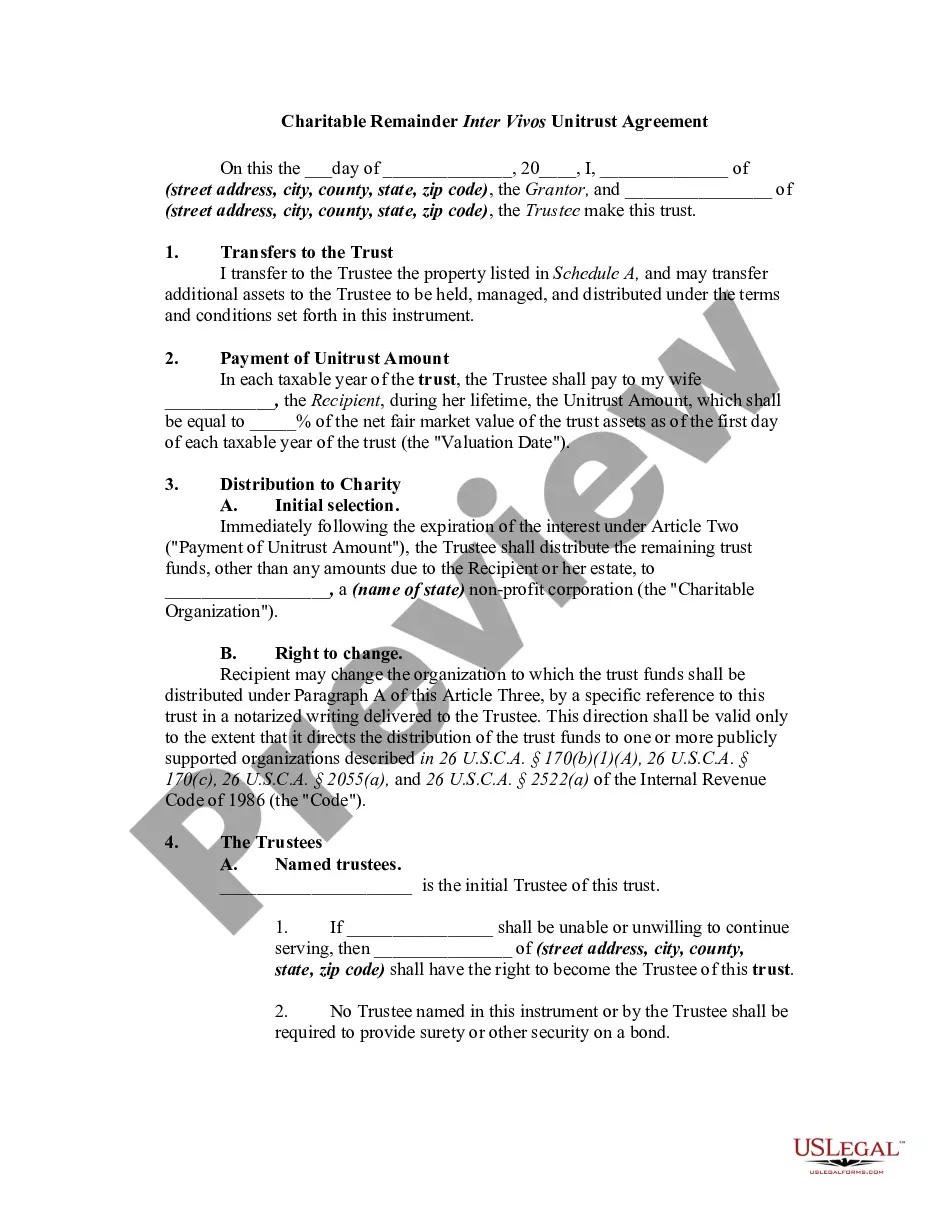
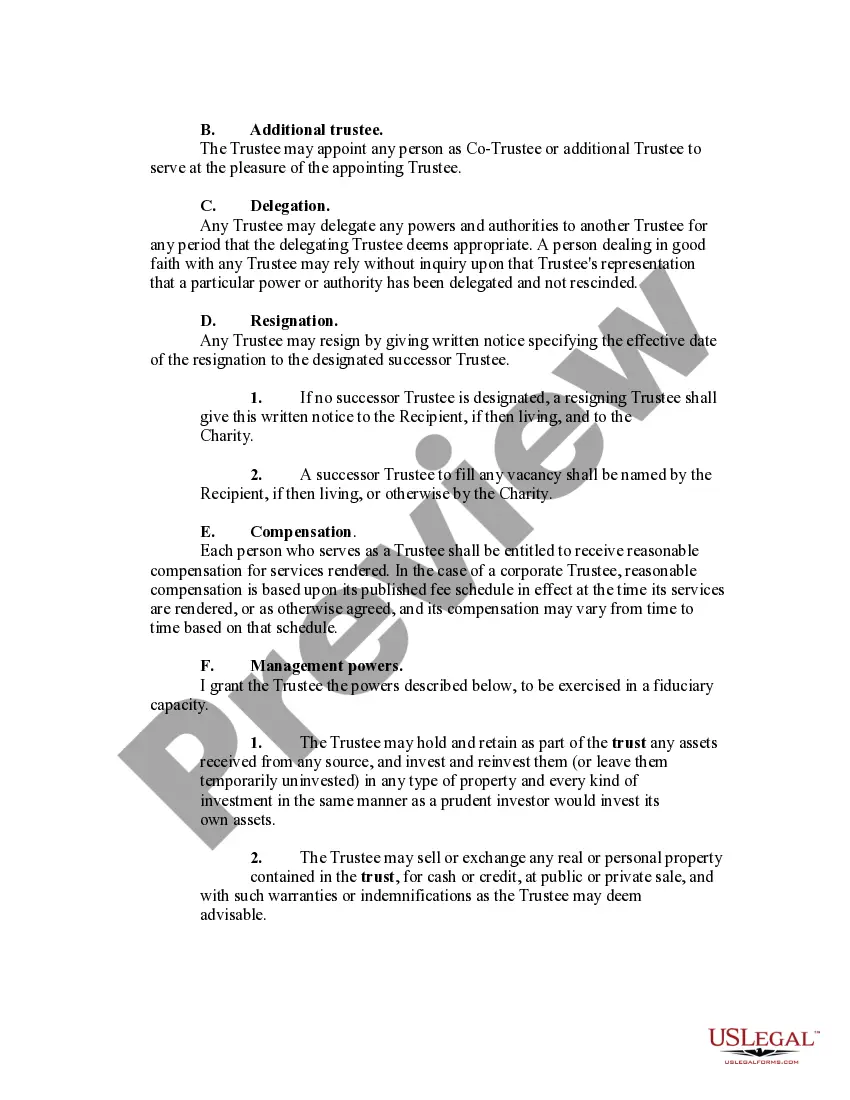
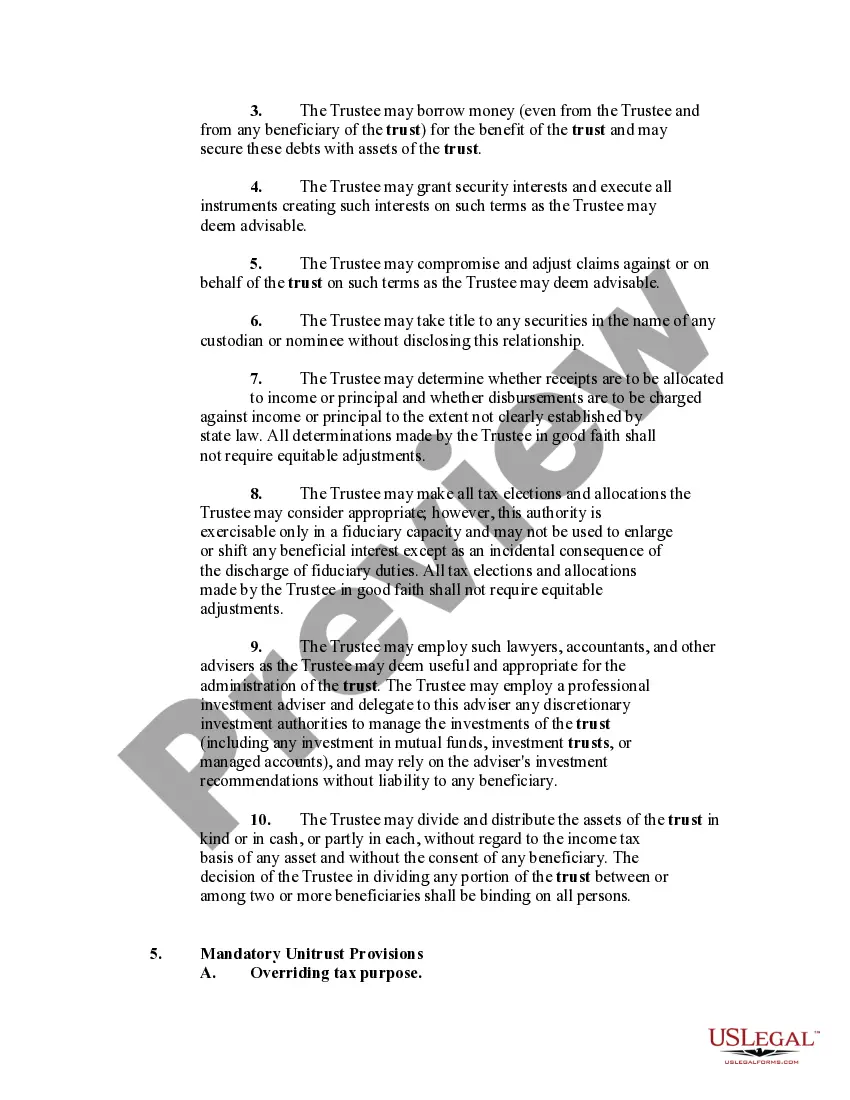
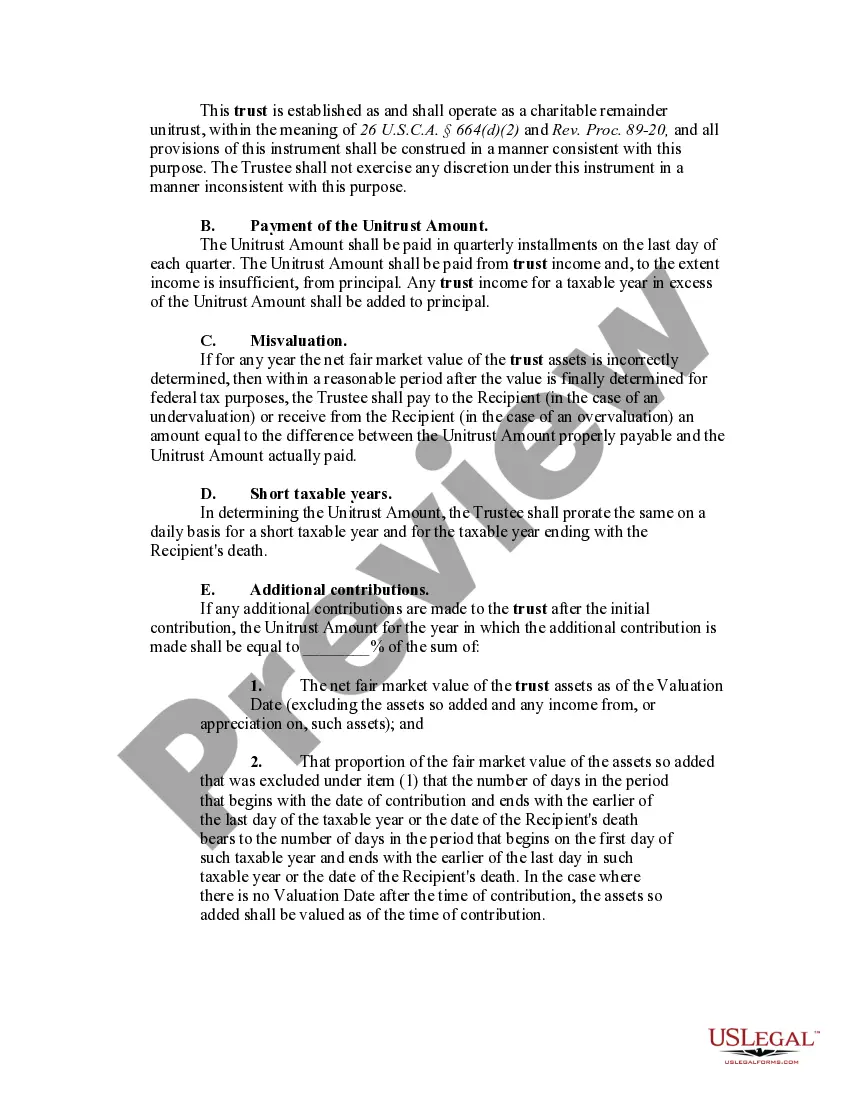
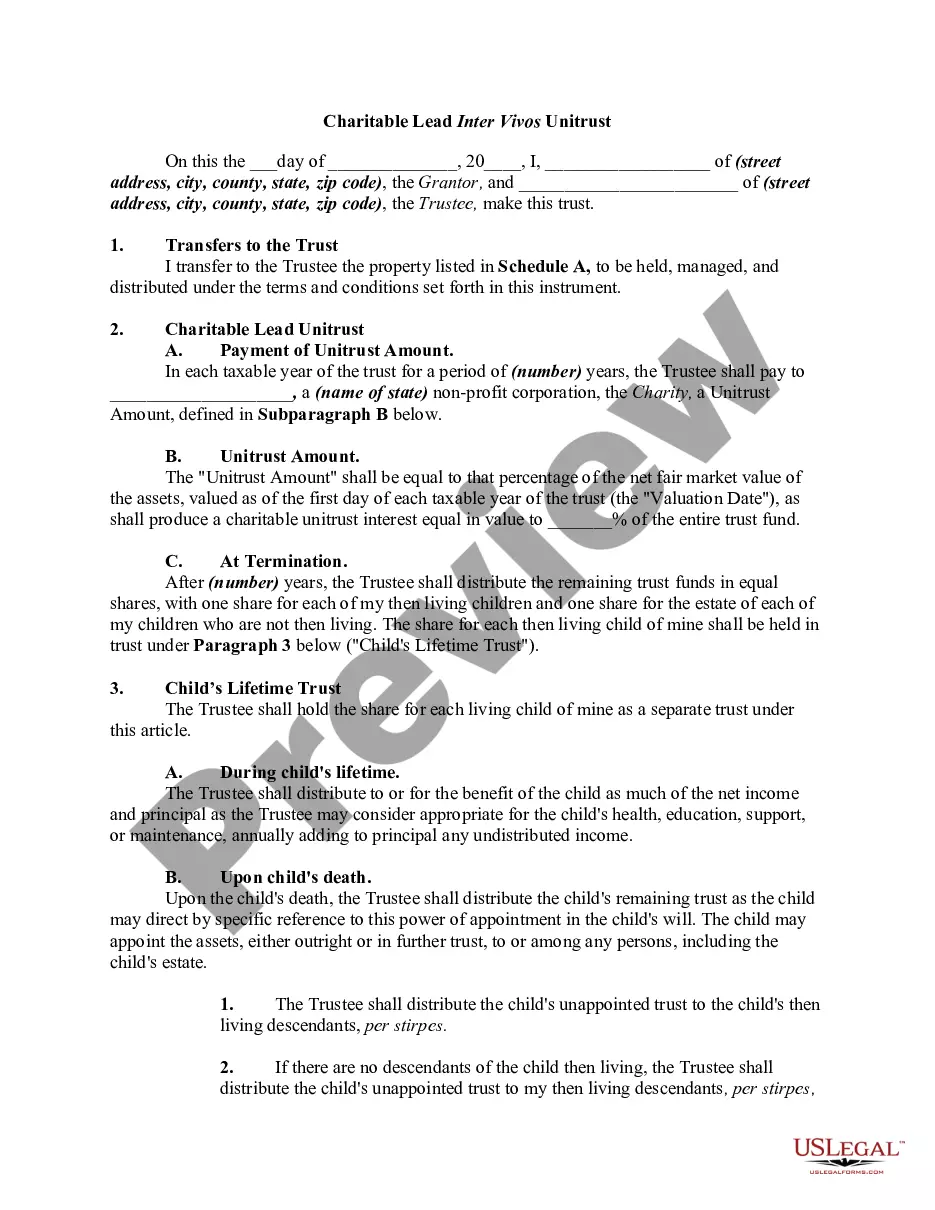
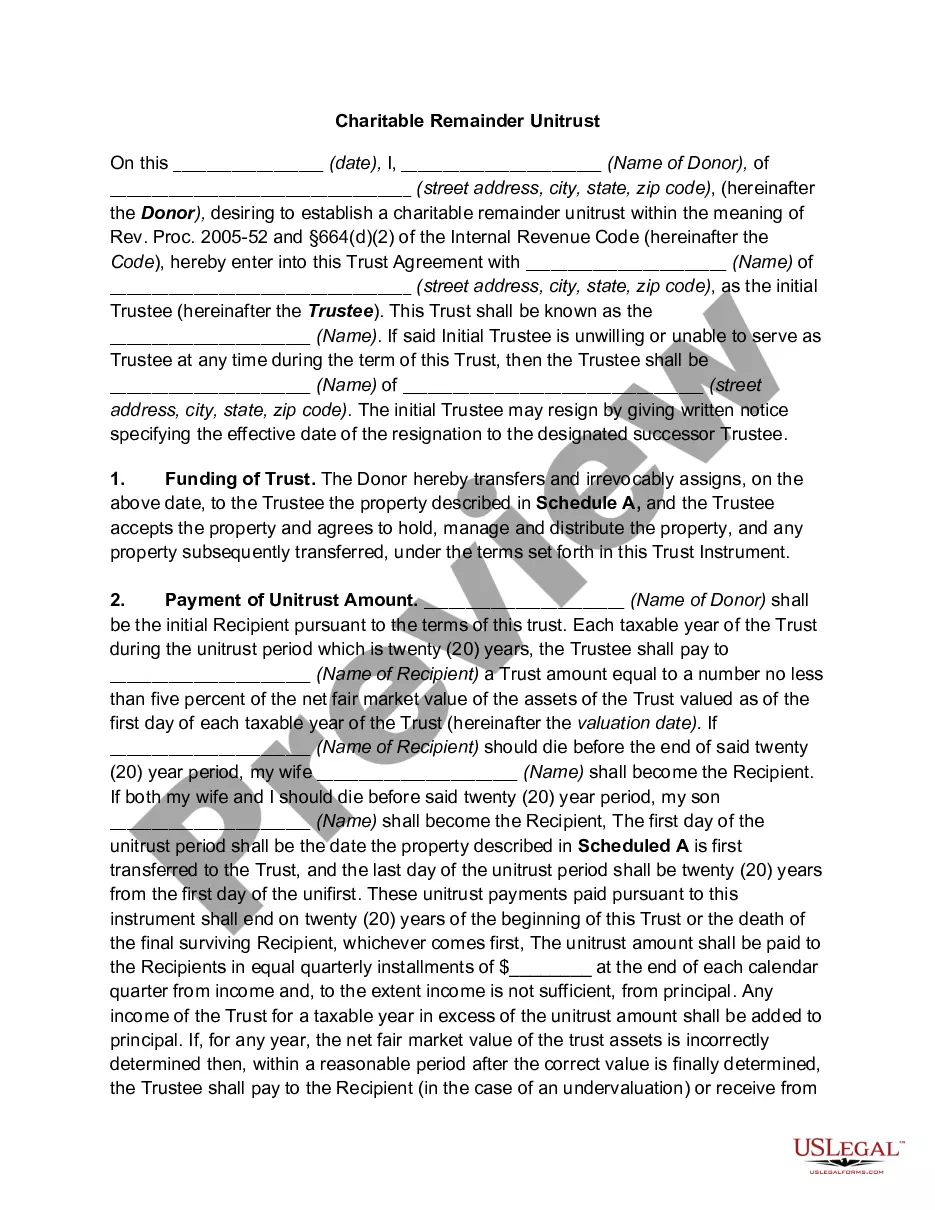
How to fill out Charitable Remainder Inter Vivos Unitrust Agreement?
- Log into your existing account by clicking the [Login](https://www.us link. Confirm your subscription is current; if not, renew it as per your payment plan.
- If this is your first time, begin by browsing the vast library. Review the preview mode and form descriptions to find the template that best complies with your local regulations.
- If necessary, utilize the search functionality to locate additional templates. Select the one that meets your needs, ensuring it is consistent and suitable.
- Purchase your chosen document by clicking the 'Buy Now' button and selecting your preferred subscription plan. You'll need to create an account to access all resources.
- Complete your purchase by entering your credit card details or using your PayPal account for payment.
- Finally, download your selected form and save it to your device for easy access. You can always retrieve it later from the [My Forms](https://www.us section of your profile.
US Legal Forms stands out with its robust selection of over 85,000 fillable and editable legal forms. Your access to premium experts ensures that your documents are not only precise but also legally sound.
Don't hesitate to take control of your legal needs today. Start your journey with US Legal Forms for comprehensive support in managing your legal documents!
Form popularity
FAQ
The rules for a charitable remainder unitrust dictate that it must provide a specified percentage of income to beneficiaries for a set term or their lifetime, with the remainder going to a charity. Compliance with IRS guidelines is crucial to maintain your charitable status. Additionally, careful structuring can enhance tax benefits and support long-term financial goals. Embracing a remainder inter unitrust living for the moment not only fosters philanthropic goals but also secures financial stability.
Yes, Form 5227 can typically be filed electronically using tax software that supports IRS forms. Ensure the program you choose is compatible with this specific form to streamline the filing process. E-filing provides a secure and efficient method to manage your tax responsibilities. Consider how a remainder inter unitrust living for the moment fits within your overall financial strategy while navigating these electronic options.
Filing an extension form generally involves using the appropriate IRS form, such as Form 4868 for personal taxes or Form 7004 for businesses. Be sure to submit your extension request before the tax deadline, ensuring you have time to prepare a complete return. Not filing on time can incur penalties, so this proactive step is crucial. For those involved in remainder inter unitrust living for the moment, understanding these processes supports responsible tax planning.
Yes, a charitable remainder unitrust typically files Form 1041, which is the income tax return for estates and trusts. This form is necessary for reporting the income generated within the trust and any distributions made. Accurate filing ensures compliance and can influence future charitable strategies. By utilizing a remainder inter unitrust living for the moment, you can effectively navigate these obligations while supporting your favorite causes.
To file an extension for your nonprofit taxes, submit Form 8868, which is specifically for applying for an extension of time to file an exempt organization return. Make sure to submit this form before the original deadline to avoid penalties. Your nonprofit's specific circumstances will dictate the exact method, but an informed approach, akin to a remainder inter unitrust living for the moment, enhances your compliance.
Calculating the charitable tax deduction for a charitable remainder trust involves assessing the present value of the remainder interest that will go to a qualified charity. Use IRS tables to find the applicable rate based on the trust’s payout structure. It is essential to work closely with a tax advisor to ensure accurate calculations. A remainder inter unitrust living for the moment offers unique benefits for maximizing your charitable contributions.
To extend a Form 5227, start by completing Form 7004, which is the application for automatic extension of time to file certain business income tax returns. You must file Form 7004 before the original due date of Form 5227. Keep in mind that this extension only applies to filing, not payment. With proper planning, a remainder inter unitrust living for the moment can effectively manage tax strategies.
For charitable remainder unitrusts (CRUT), the 5% rule mandates that the trust must distribute at least 5% of its annual asset value to the income beneficiaries. This percentage can fluctuate based on the trust's value each year, providing potential for increased income over time. Utilizing a remainder inter unitrust living for the moment ensures that donors can support their financial and philanthropic goals simultaneously. Consulting legal and financial resources is vital for maximizing the benefits of such trusts.
The 5 percent rule in a trust generally refers to the guideline that a charitable remainder trust must distribute at least 5% of its fair market value annually to the income beneficiary. This ensures a steady income stream while preserving a portion of the trust for charitable organizations. When employing a remainder inter unitrust living for the moment, understanding this rule enhances financial planning. Always consult with a legal or financial expert to ensure compliance and optimize your charitable intentions.
Exiting a charitable remainder trust can be a complex process involving specific legal considerations. Typically, a donor cannot simply withdraw funds from the trust, as it is established to benefit charities. However, options may include transferring the trust, modifying its terms, or distributing assets under certain conditions. To navigate this process smoothly, consider leveraging U.S. Legal Forms as a resource for guidance on handling remainder inter unitrust living for the moment.