Remainder Inter Unitrust Living For The Dead
Description
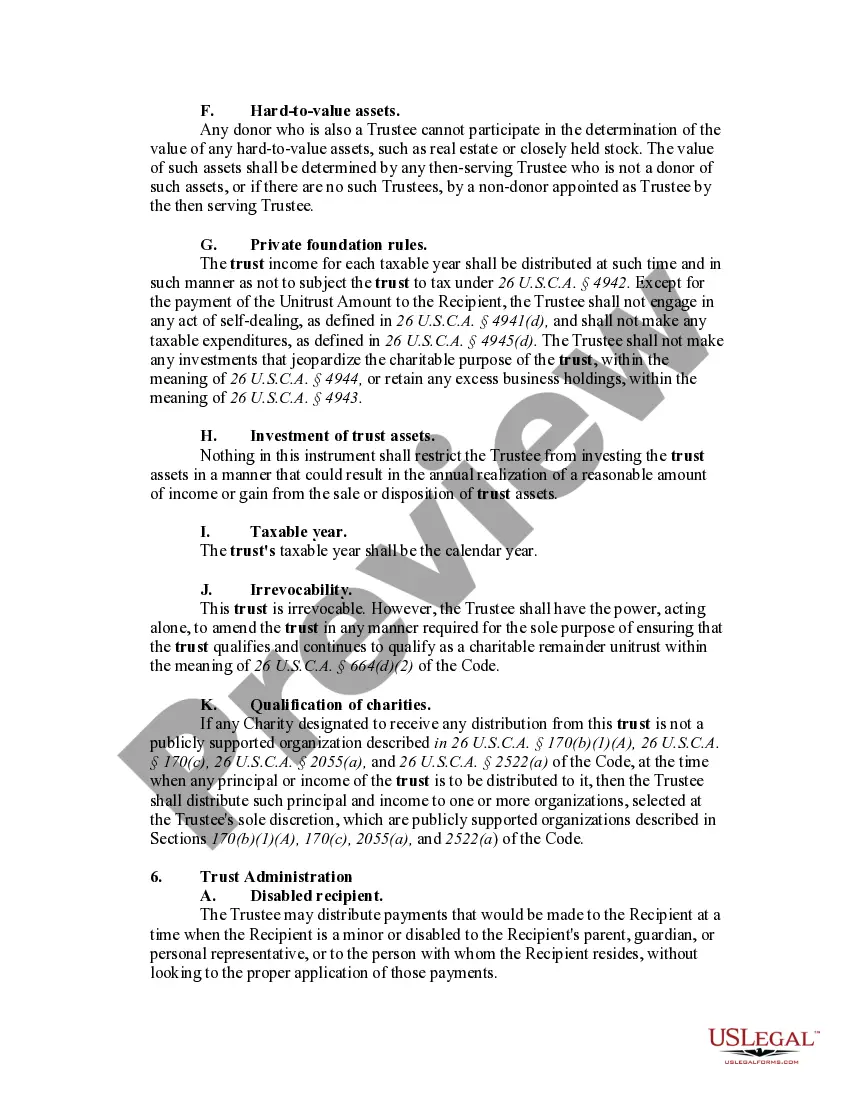
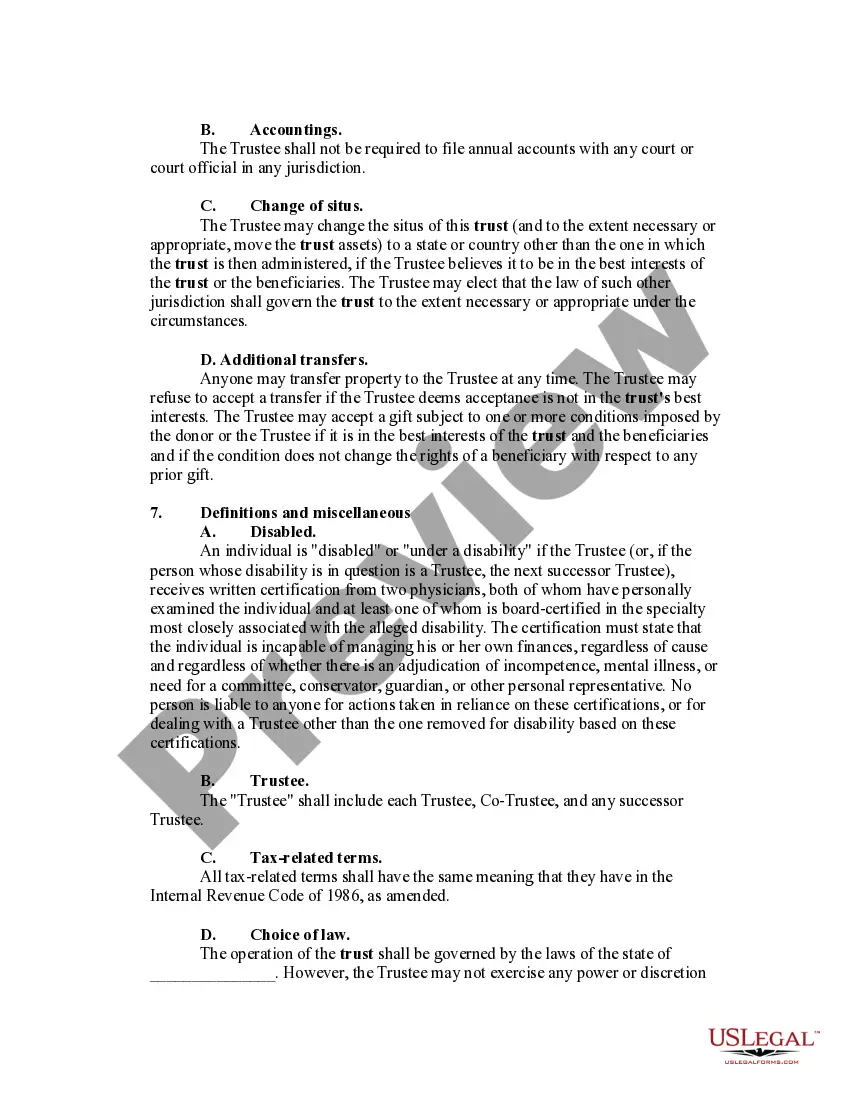
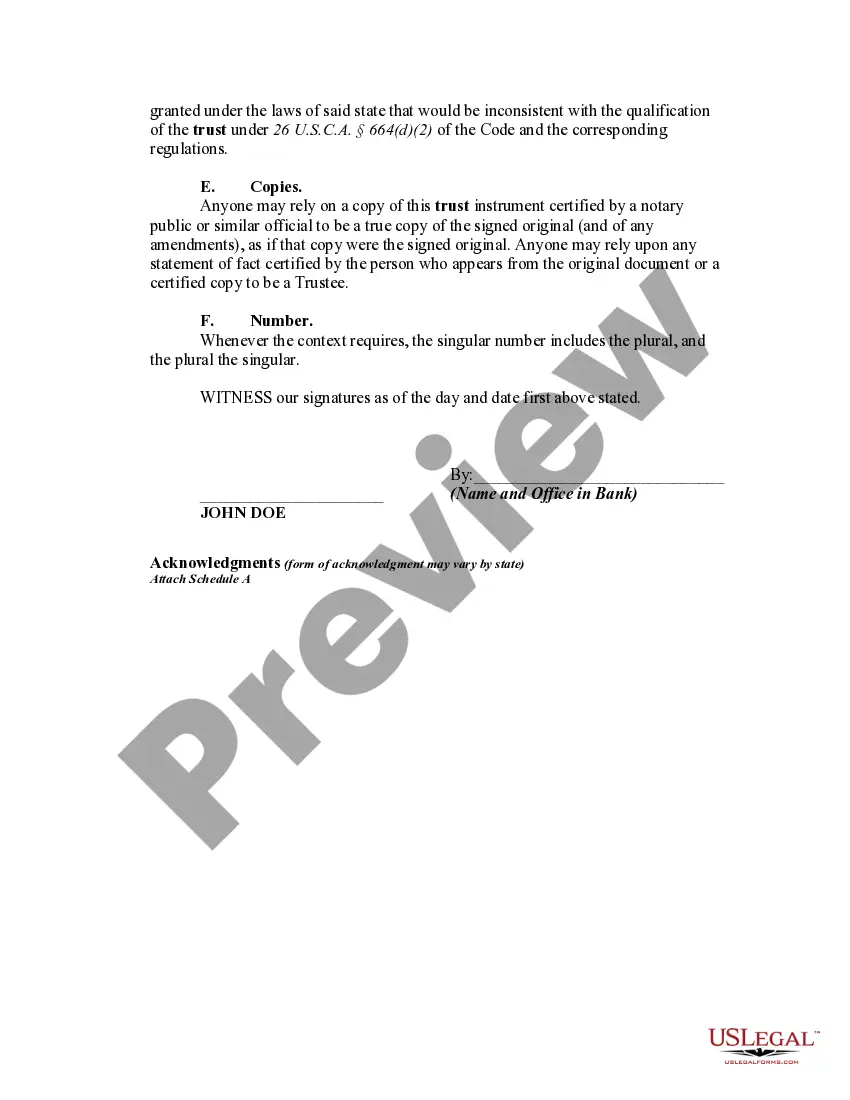
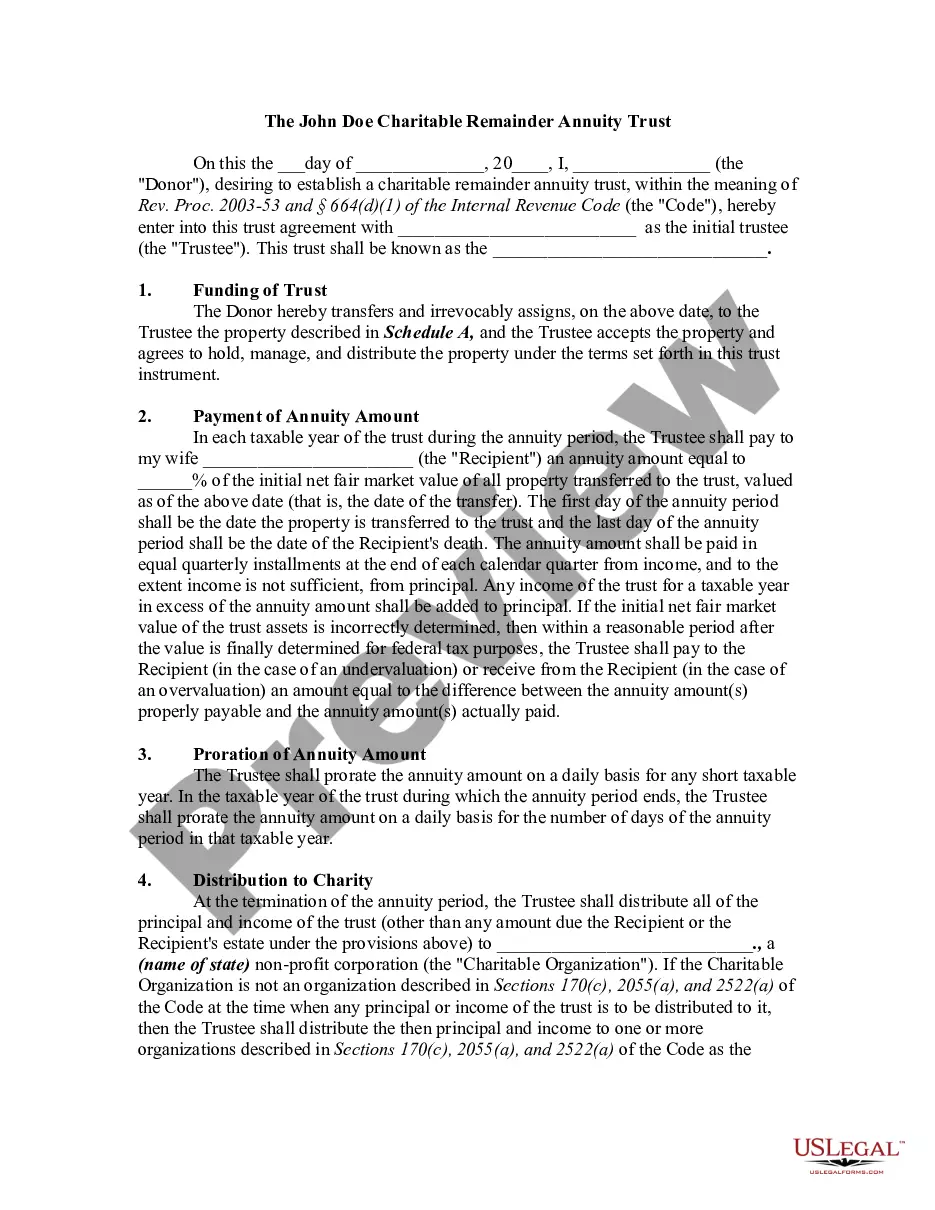
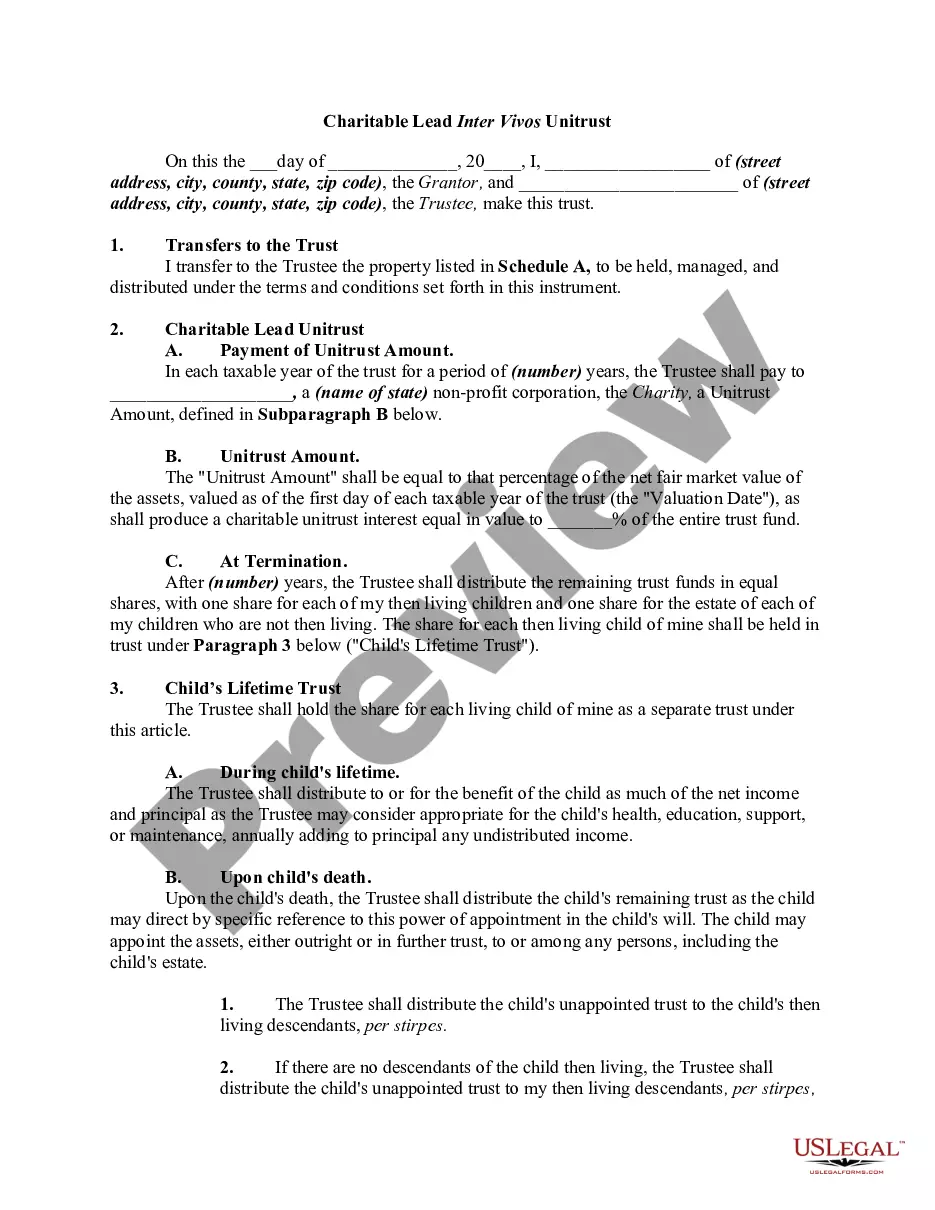
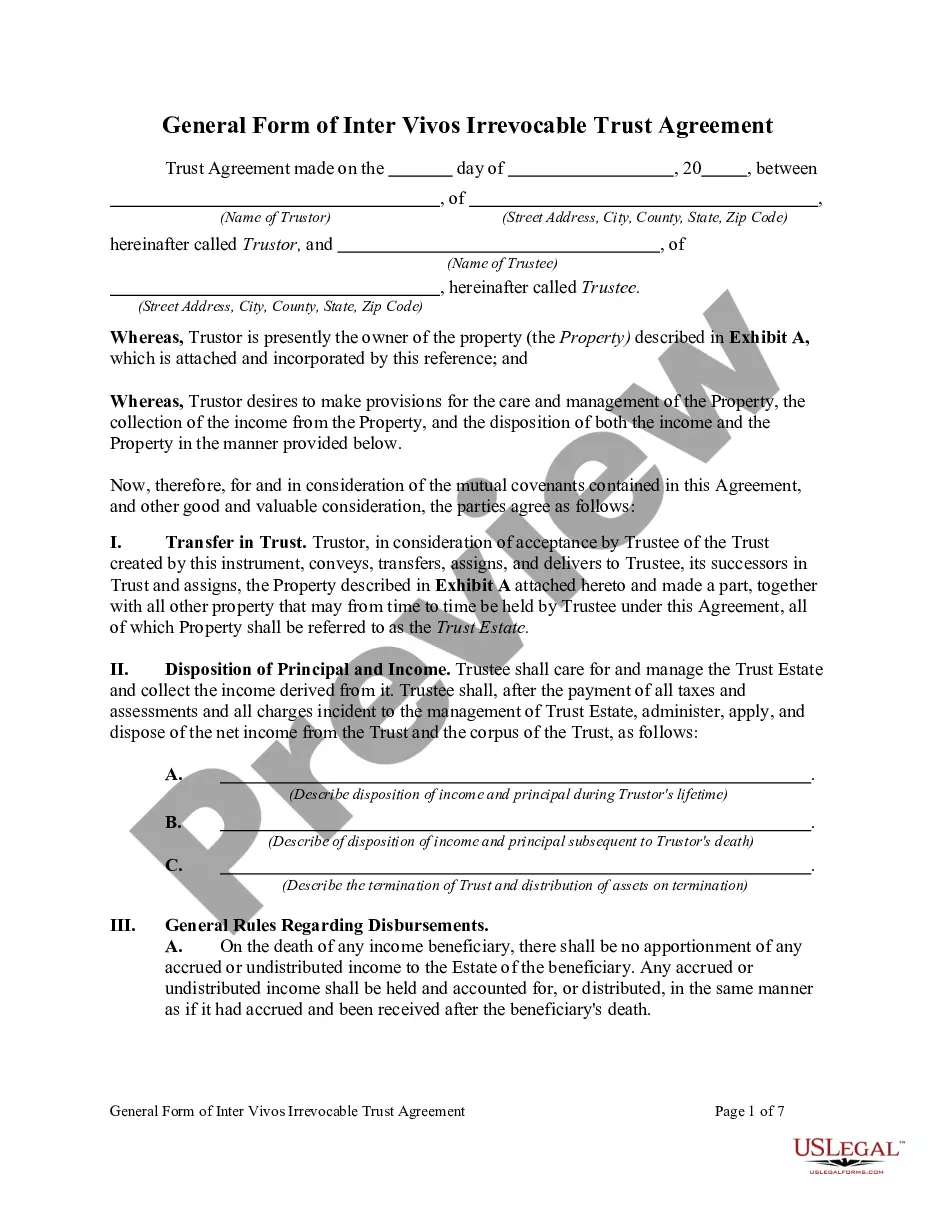
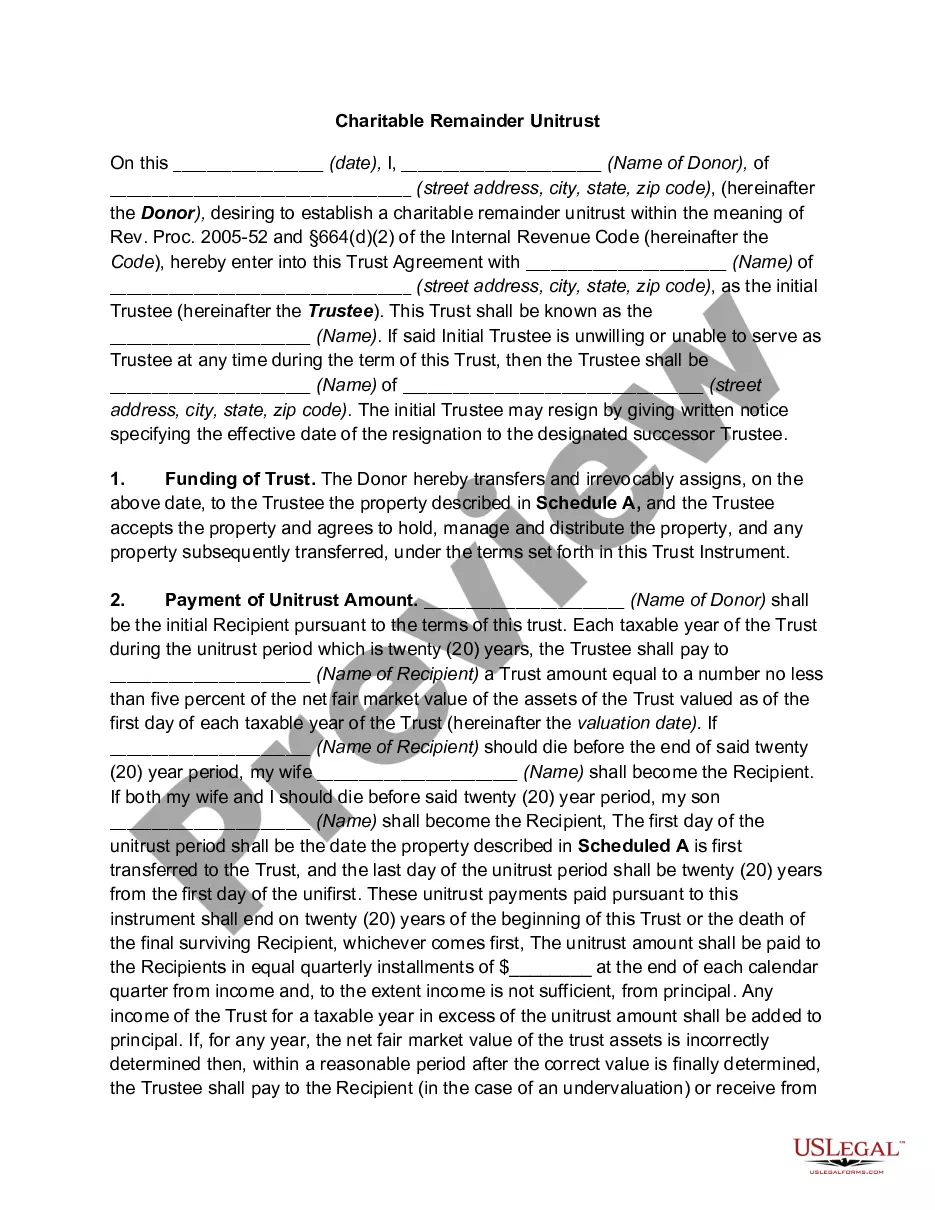
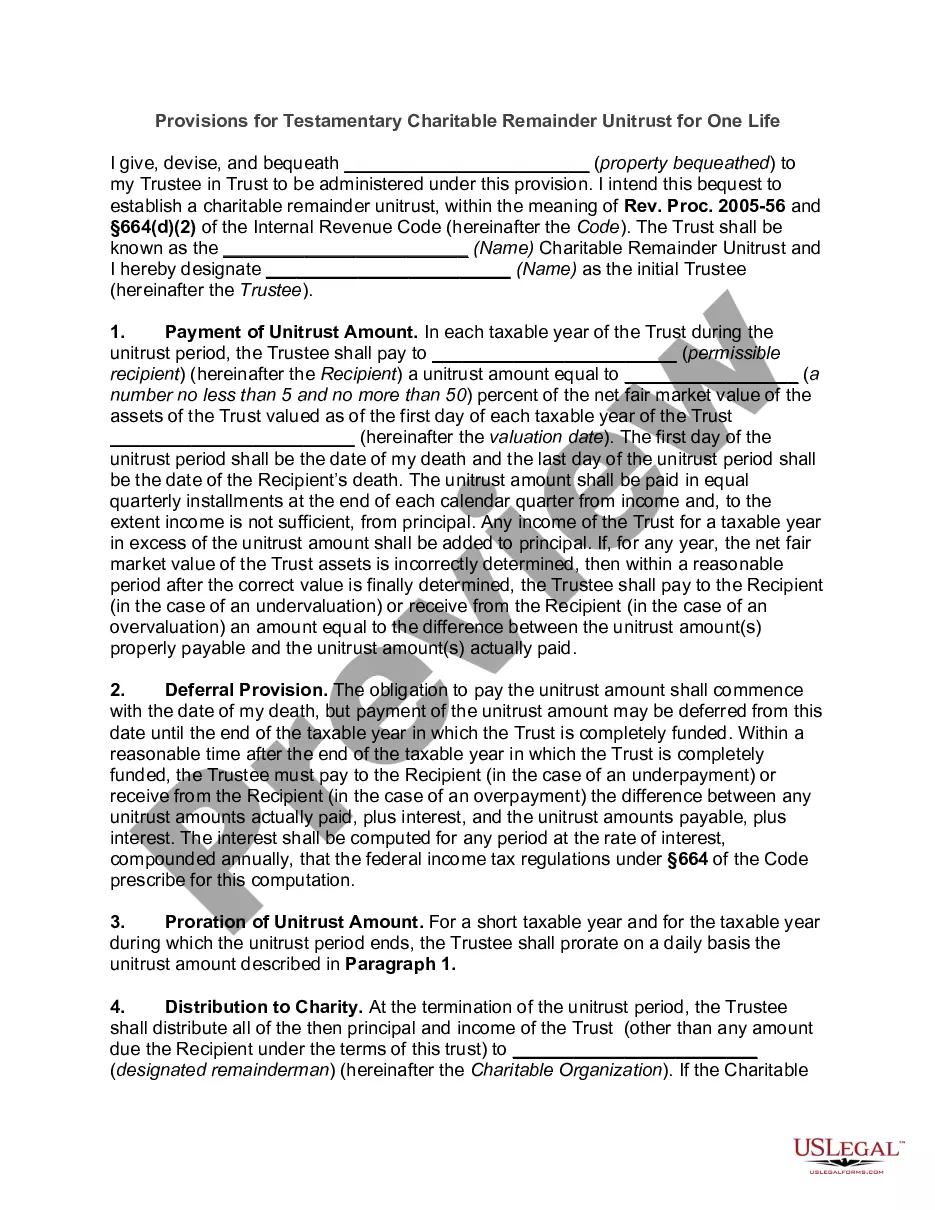
Get your form ready online
Our built-in tools help you complete, sign, share, and store your documents in one place.
Make edits, fill in missing information, and update formatting in US Legal Forms—just like you would in MS Word.
Download a copy, print it, send it by email, or mail it via USPS—whatever works best for your next step.
Sign and collect signatures with our SignNow integration. Send to multiple recipients, set reminders, and more. Go Premium to unlock E-Sign.
If this form requires notarization, complete it online through a secure video call—no need to meet a notary in person or wait for an appointment.
We protect your documents and personal data by following strict security and privacy standards.

Make edits, fill in missing information, and update formatting in US Legal Forms—just like you would in MS Word.

Download a copy, print it, send it by email, or mail it via USPS—whatever works best for your next step.

Sign and collect signatures with our SignNow integration. Send to multiple recipients, set reminders, and more. Go Premium to unlock E-Sign.

If this form requires notarization, complete it online through a secure video call—no need to meet a notary in person or wait for an appointment.

We protect your documents and personal data by following strict security and privacy standards.
Looking for another form?






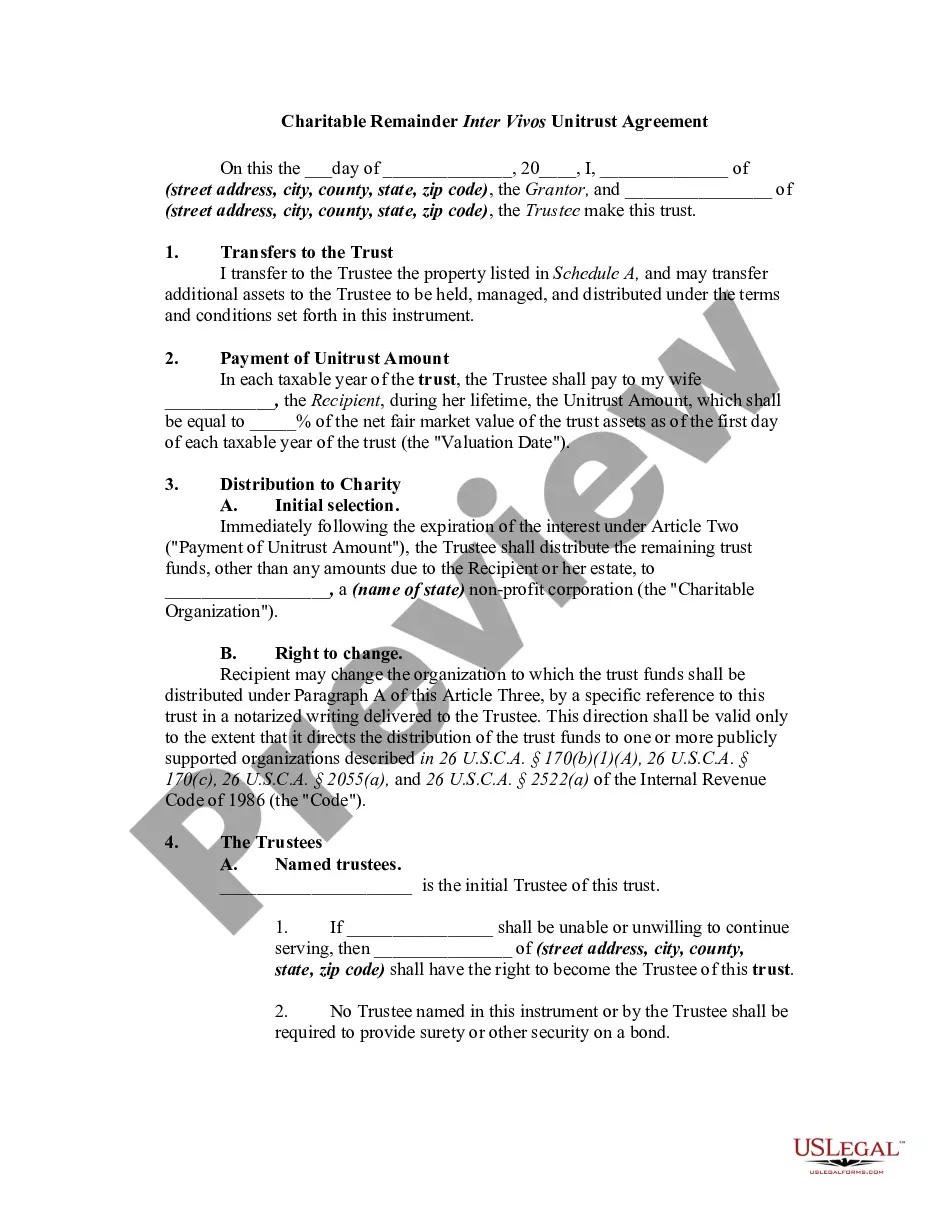
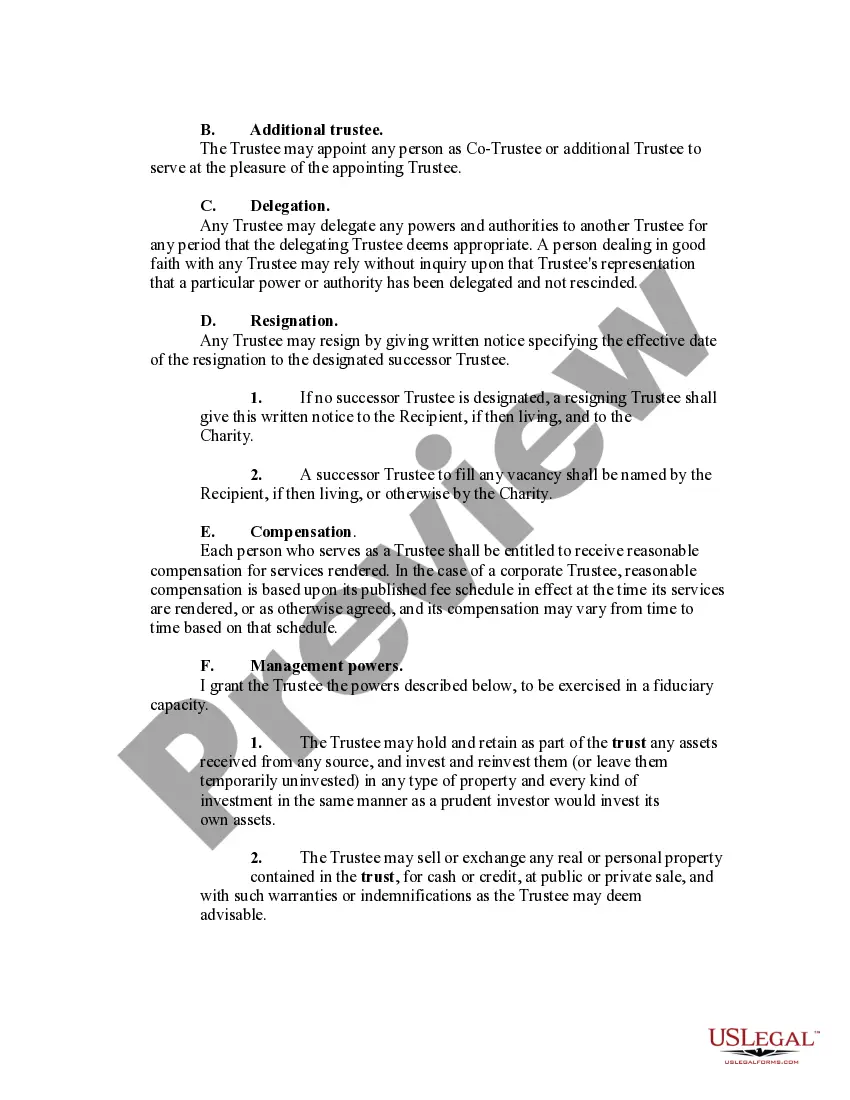
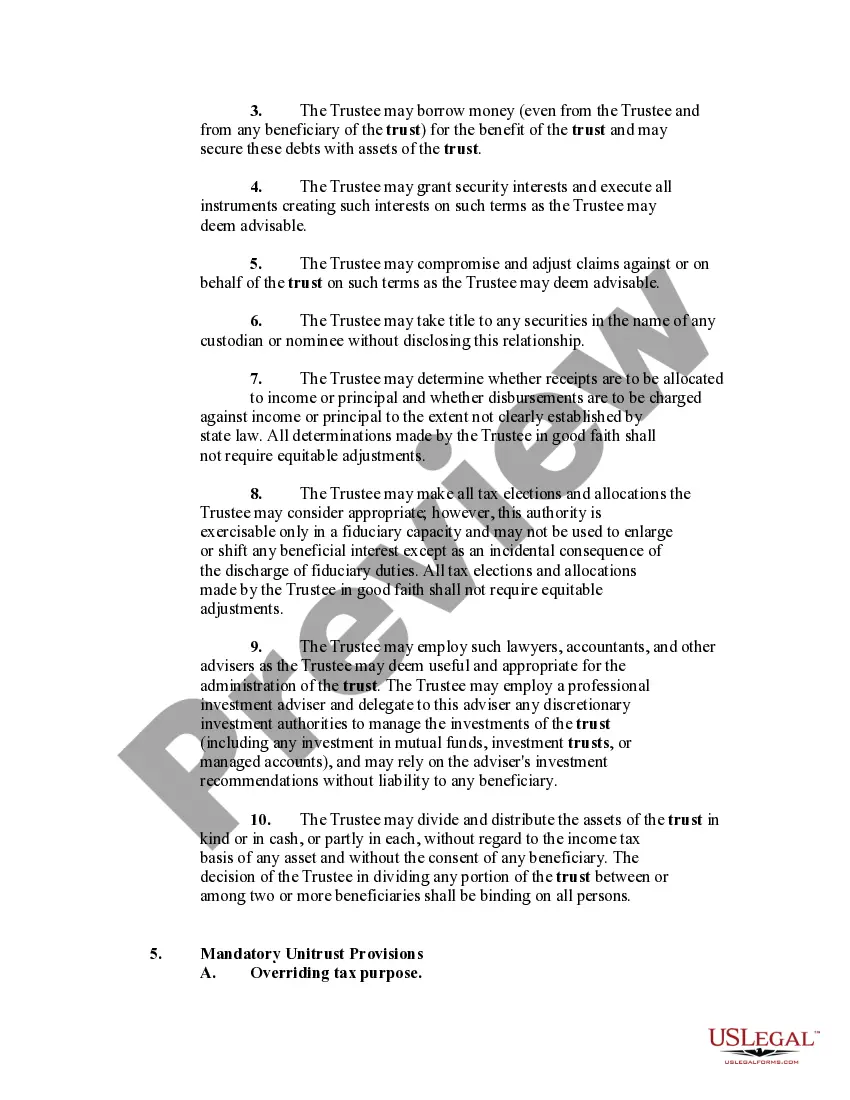
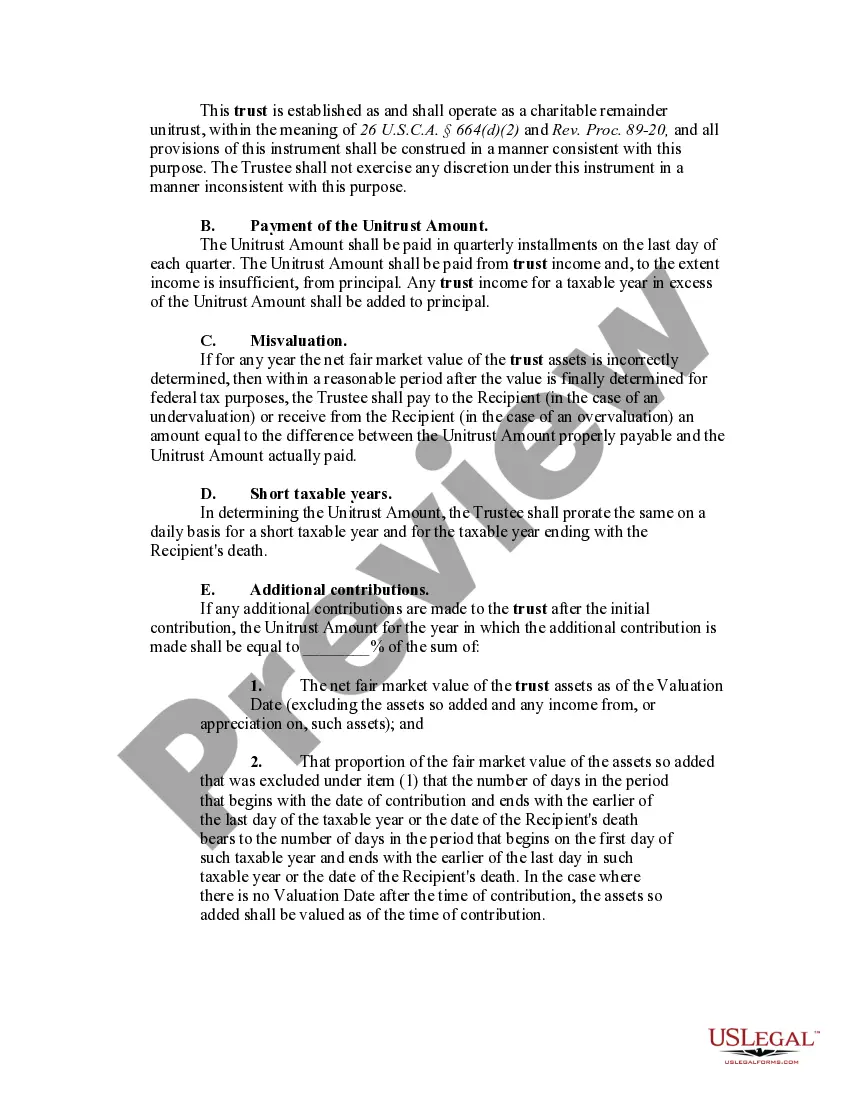
How to fill out Charitable Remainder Inter Vivos Unitrust Agreement?
- If you're a returning user, log in to access your account and locate the required form template. Click the Download button, ensuring your subscription is active. If expired, renew it based on your payment plan.
- If this is your first time, explore the Preview mode along with the form description. Ensure that you've selected the appropriate document that aligns with your local requirements.
- If the chosen form doesn't fit your needs, utilize the Search tab to find a more suitable template that meets your specifications.
- Proceed to purchase the document. Click the Buy Now button and select a subscription plan that works best for you. You will need to register an account to unlock access to the full range of resources.
- Finalize your purchase by entering your payment details or using PayPal to complete the transaction.
- Download your completed form. Save the document to your device, and you can find it anytime through the My Forms section of your profile.
US Legal Forms stands out with its extensive library, offering over 85,000 forms. This vast collection ensures you have more options than with competitors for a similar cost. Moreover, users can connect with premium experts to ensure every document is accurately completed.
Streamline your legal document process today with US Legal Forms. Start now and access the resources you need for effective estate planning.
Form popularity
FAQ
To set up a charitable remainder unitrust, start by determining your assets and the charitable organization you wish to support. Next, consult with a financial advisor or attorney who specializes in estate planning to ensure compliance with legal requirements. It's important to draft a trust agreement that outlines the terms, including payment structure and the beneficiaries. Finally, you can use platforms like USLegalForms to access templates and guidance, simplifying the process of establishing a remainder inter unitrust living for the dead.
Charitable remainder unitrusts are frequently used to ensure that individuals can support charitable causes while also receiving income during their lifetime. This strategy allows for tax-efficient wealth transfer and charitable contributions, aligning financial planning with personal values. If you're exploring a remainder inter unitrust living for the dead, consider using our platform at US Legal Forms to navigate the legal and administrative steps.
A unitrust serves to provide predictable income based on a percentage of the trust's value, which can fluctuate over time. This structure allows for both financial growth and charitable donations, making it a versatile estate planning tool. In the context of a remainder inter unitrust living for the dead, a unitrust helps you balance income needs with your desire to support charitable causes.
Upon the death of the trust creator, the assets in the charitable remainder trust are transferred to the designated charitable organization. Before this transfer, the trust typically provides income to the creator or their beneficiaries, making it a beneficial financial tool. Understanding how this process works in relation to a remainder inter unitrust living for the dead can help you plan your estate effectively.
A charitable remainder unitrust is often used to provide income to the trust's creator during their lifetime before donating the remaining assets to charity. This type of trust offers financial benefits, including potential tax deductions and long-term philanthropic impact. If you want a sustainable way to support charitable causes, consider the benefits of a remainder inter unitrust living for the dead as part of your legacy.
A charitable trust allows individuals to allocate their assets for a specific charitable purpose. By creating a charitable trust, you can ensure that your contributions will support causes that matter to you after you pass away. This approach aligns your financial goals with your philanthropic wishes, which is especially relevant in a remainder inter unitrust living for the dead context.
Yes, a charitable remainder unitrust (CRUT) must file Form 1041 if it has taxable income for the year. This requirement ensures compliance with IRS regulations while maintaining transparency in reporting. Managing the financial aspects of a CRUT as part of the remainder inter unitrust living for the dead requires careful planning. UsLegalForms can assist you with the necessary forms and filing requirements for CRUTs.
Upon the death of the income beneficiary, the charitable remainder unitrust (CRUT) typically terminates, and the remaining assets are transferred to the specified charitable organization. This shift reflects the core purpose of CRUTs, which is to provide a charitable benefit while allowing income during the beneficiary's lifetime. Understanding these dynamics is key when discussing options like remainder inter unitrust living for the dead. If you need help managing this process, UsLegalForms can provide essential resources.
Currently, Form 5227 cannot be filed electronically; it must be submitted via mail to the IRS. Although this may seem inconvenient, ensure that you keep copies of your submission for your records. Filing on time is critical, especially in managing a charitable remainder unitrust and ensuring compliance with the rules surrounding the remainder inter unitrust living for the dead. For additional forms and templates, UsLegalForms is a reliable resource.
Filing an extension form involves completing the appropriate IRS form related to your tax submission, such as Form 4868 for individual taxes or Form 8868 for nonprofit organizations. You need to submit this form either electronically or by mail before your original due date to ensure the extension is granted. By doing this, you can avoid late penalties and manage your financial responsibilities effectively. UsLegalForms offers guidance to help you navigate this process smoothly.