Crt Documento
Description
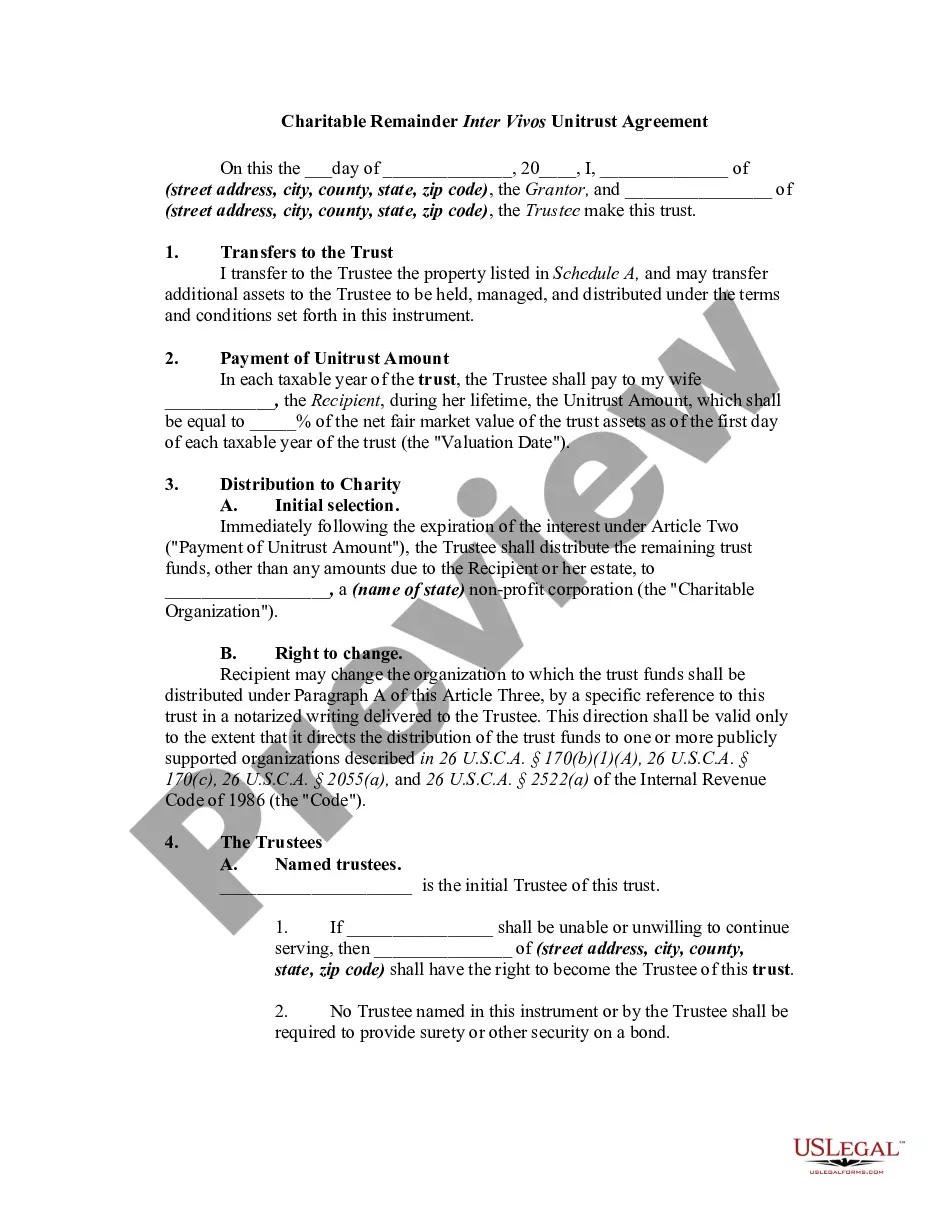
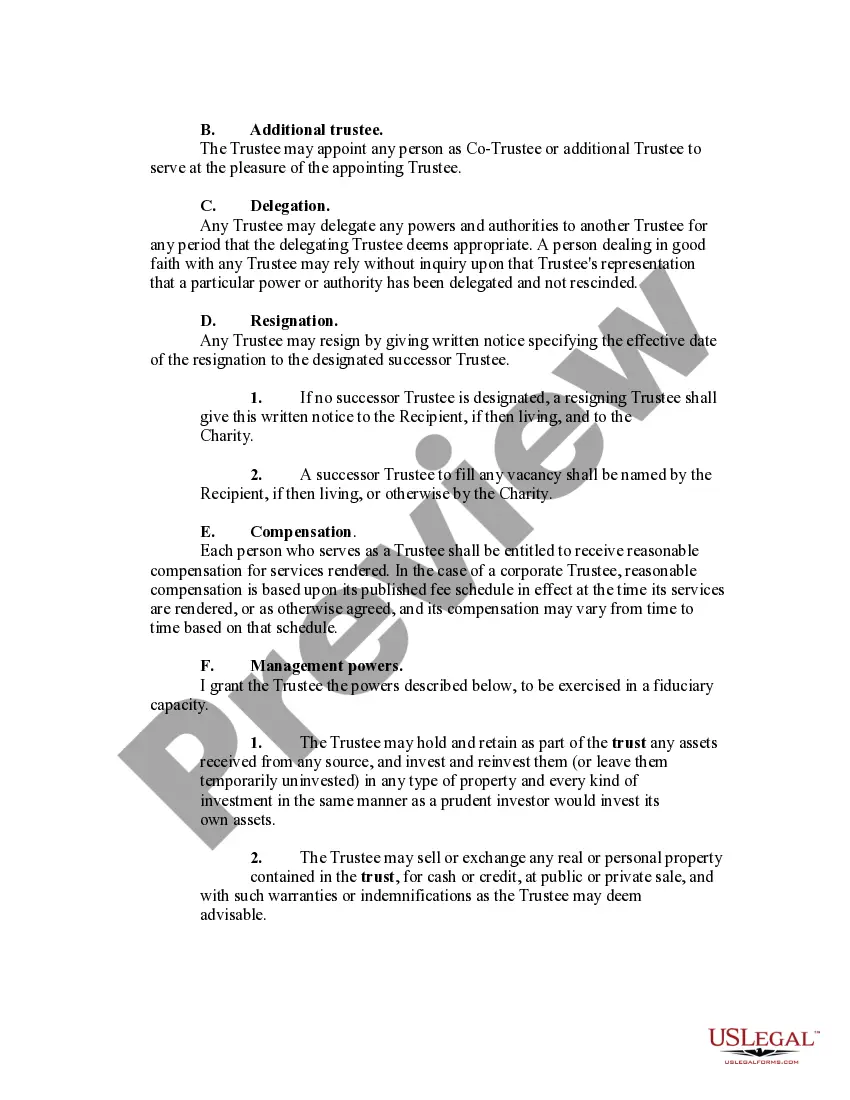
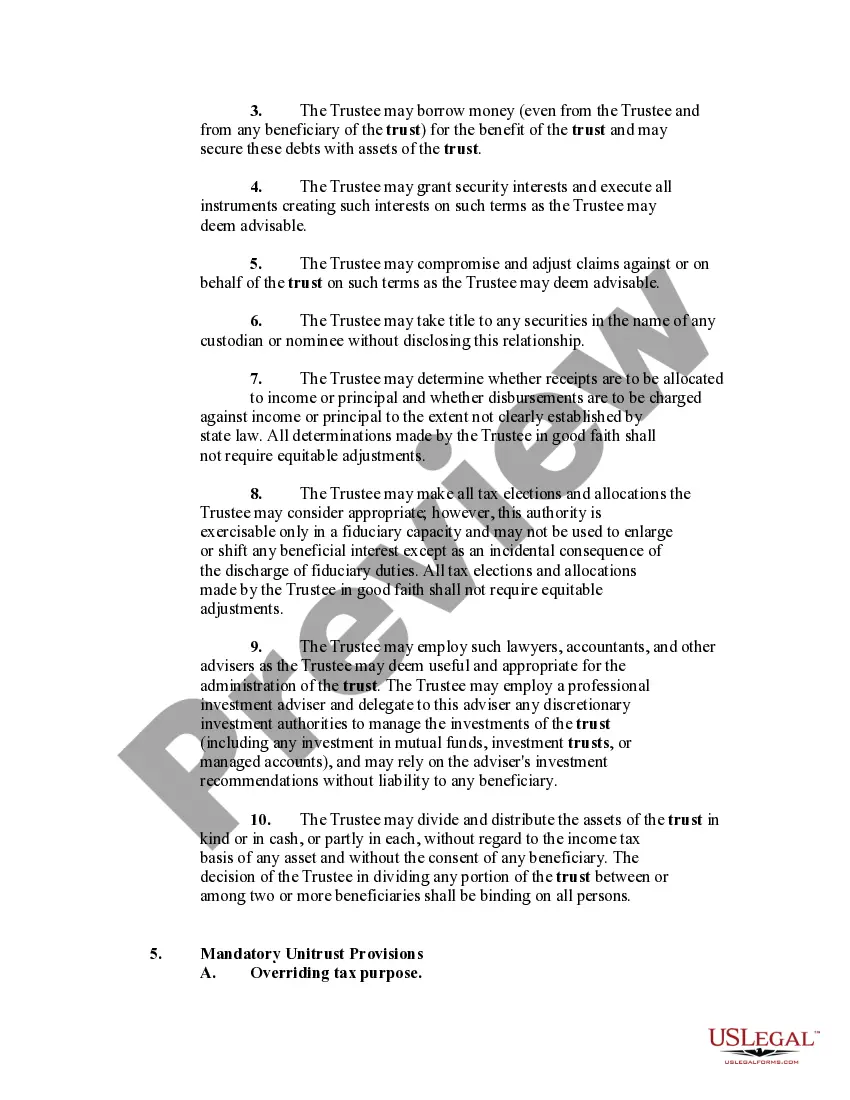
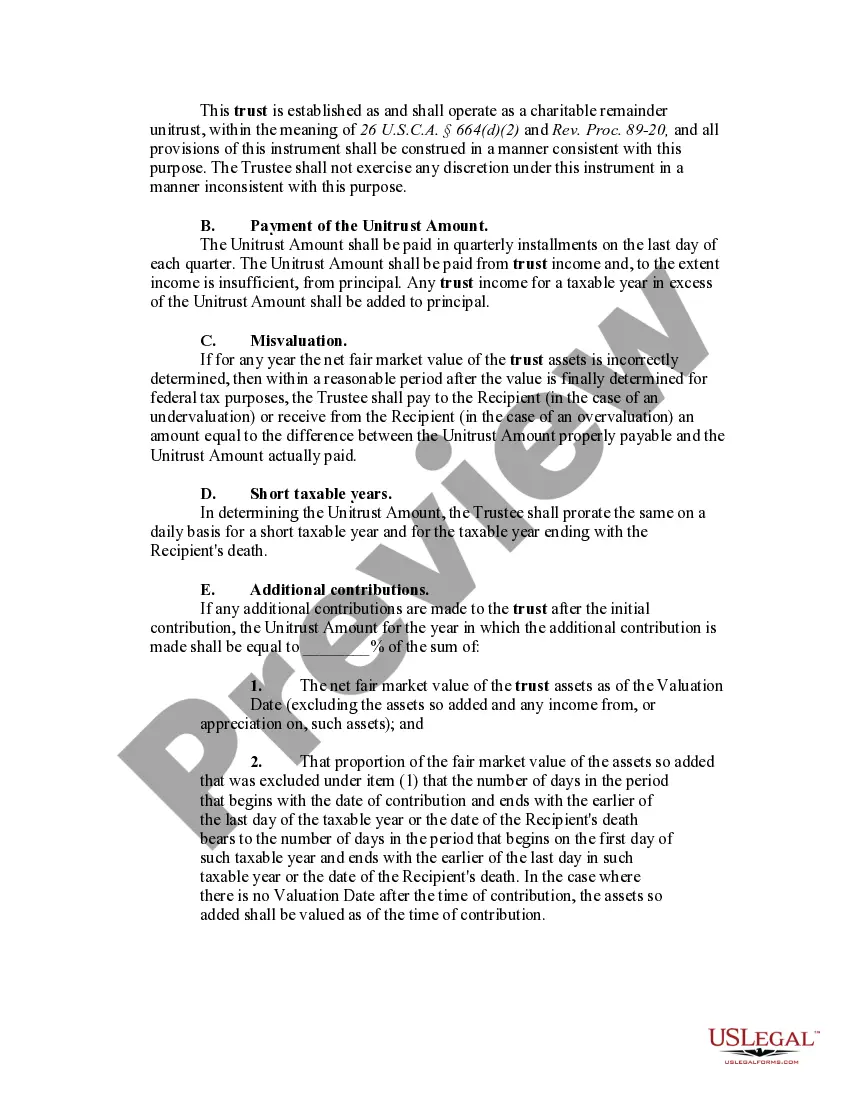
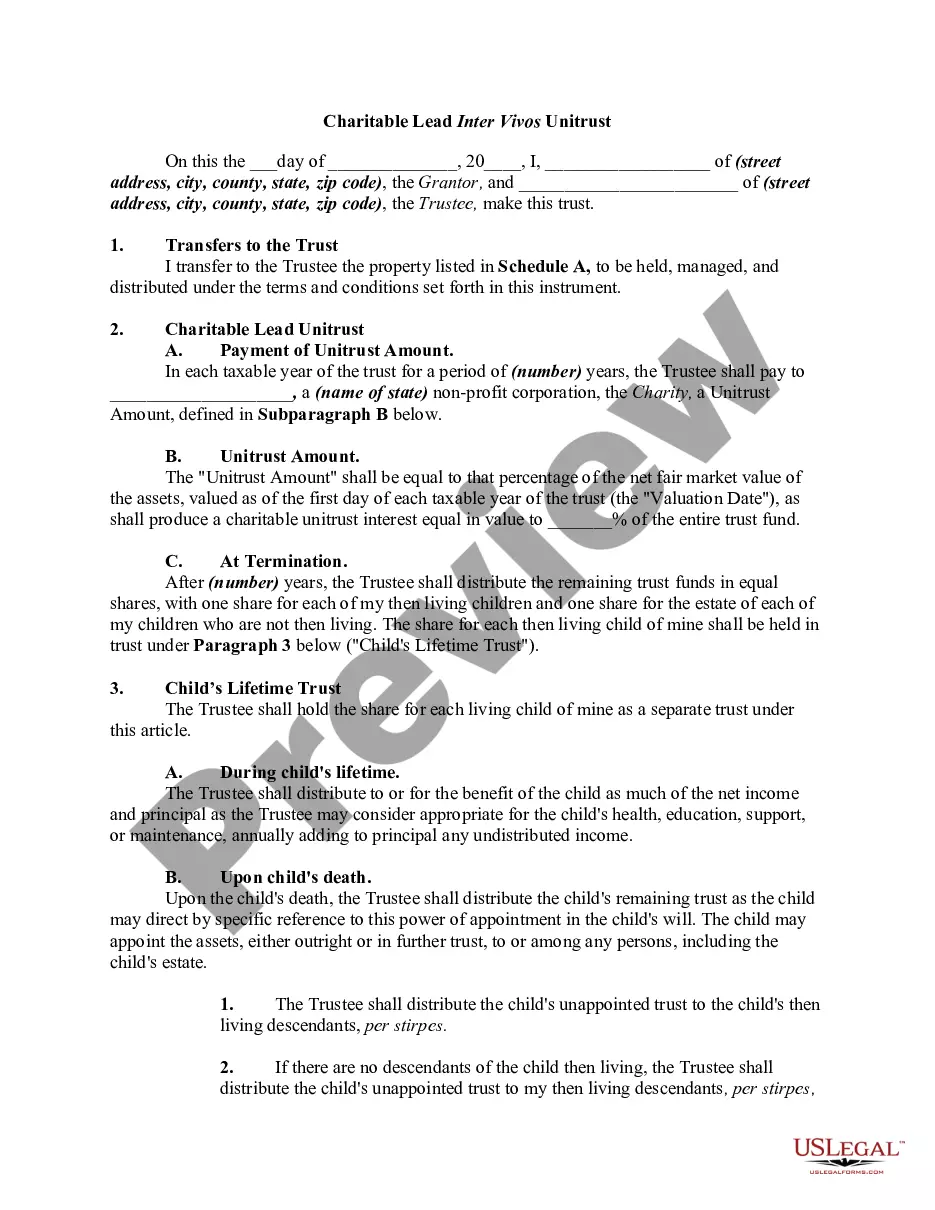
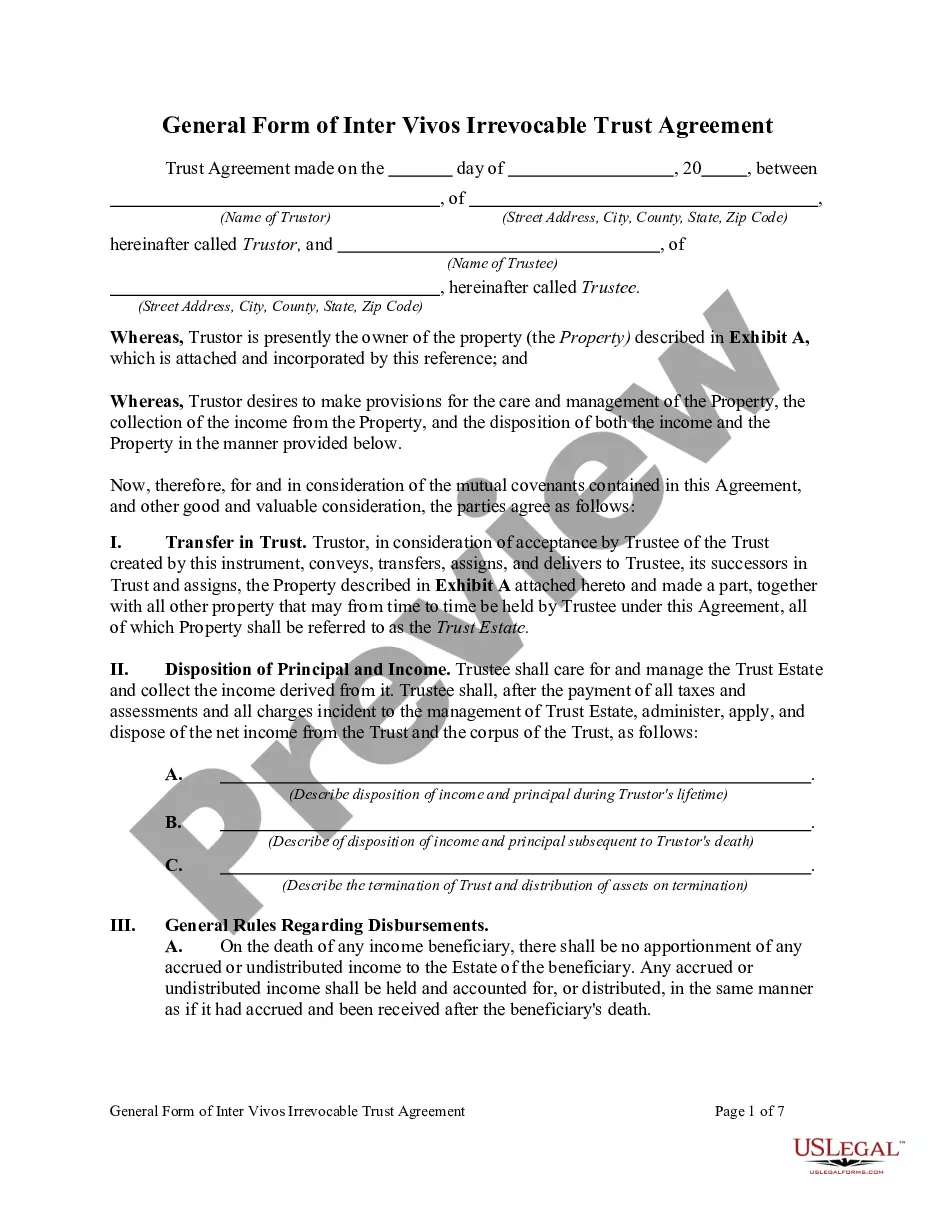
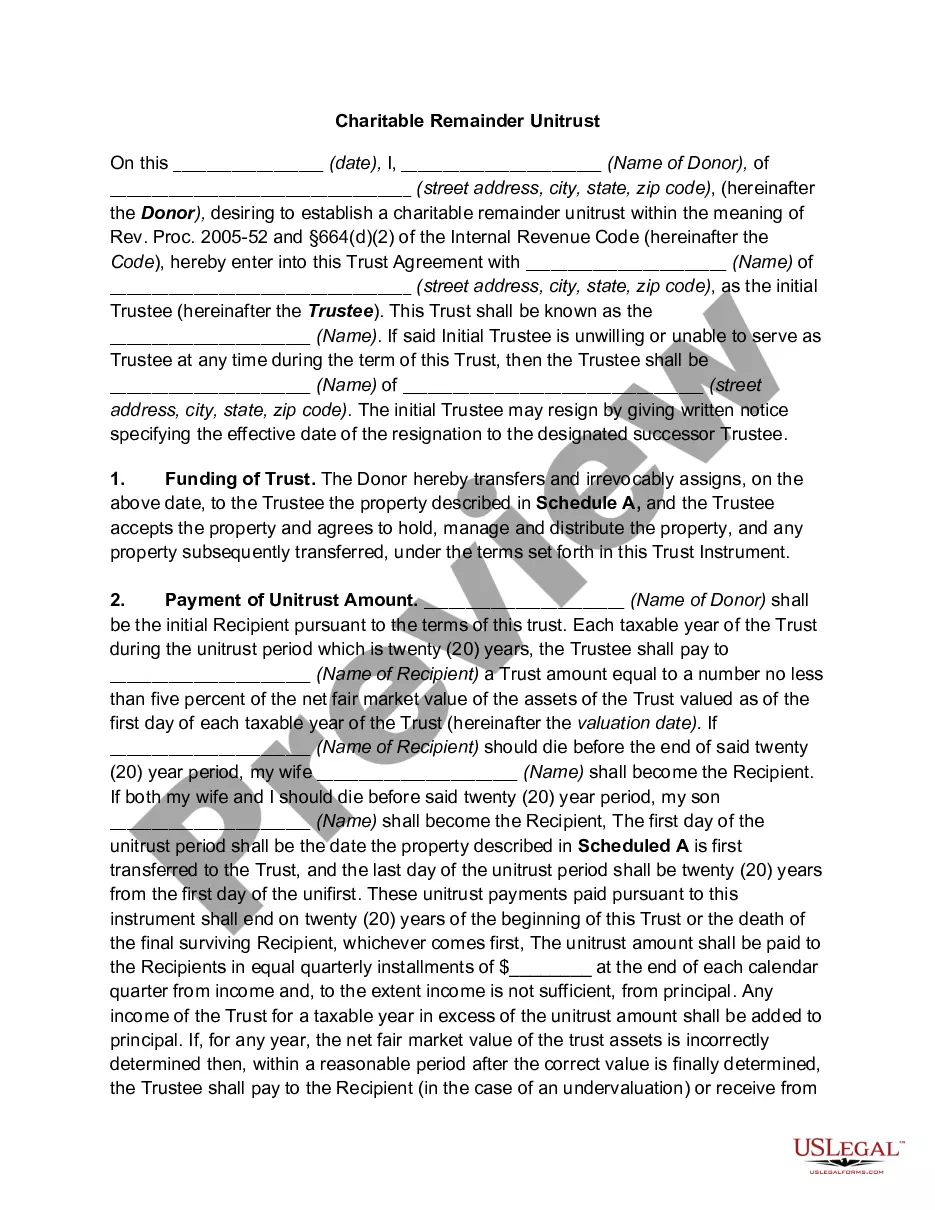
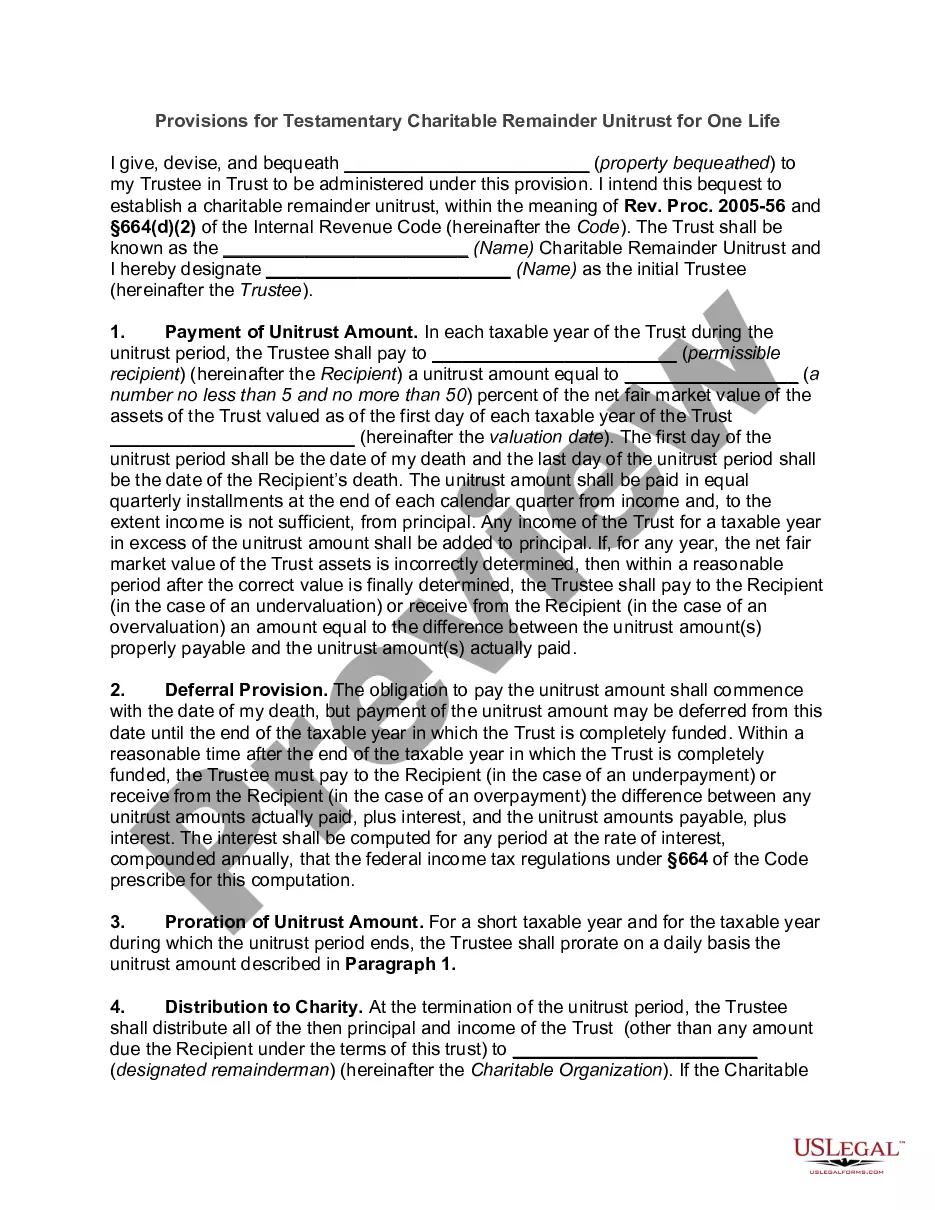
Get your form ready online
Our built-in tools help you complete, sign, share, and store your documents in one place.
Make edits, fill in missing information, and update formatting in US Legal Forms—just like you would in MS Word.
Download a copy, print it, send it by email, or mail it via USPS—whatever works best for your next step.
Sign and collect signatures with our SignNow integration. Send to multiple recipients, set reminders, and more. Go Premium to unlock E-Sign.
If this form requires notarization, complete it online through a secure video call—no need to meet a notary in person or wait for an appointment.
We protect your documents and personal data by following strict security and privacy standards.

Make edits, fill in missing information, and update formatting in US Legal Forms—just like you would in MS Word.

Download a copy, print it, send it by email, or mail it via USPS—whatever works best for your next step.

Sign and collect signatures with our SignNow integration. Send to multiple recipients, set reminders, and more. Go Premium to unlock E-Sign.

If this form requires notarization, complete it online through a secure video call—no need to meet a notary in person or wait for an appointment.

We protect your documents and personal data by following strict security and privacy standards.
Looking for another form?
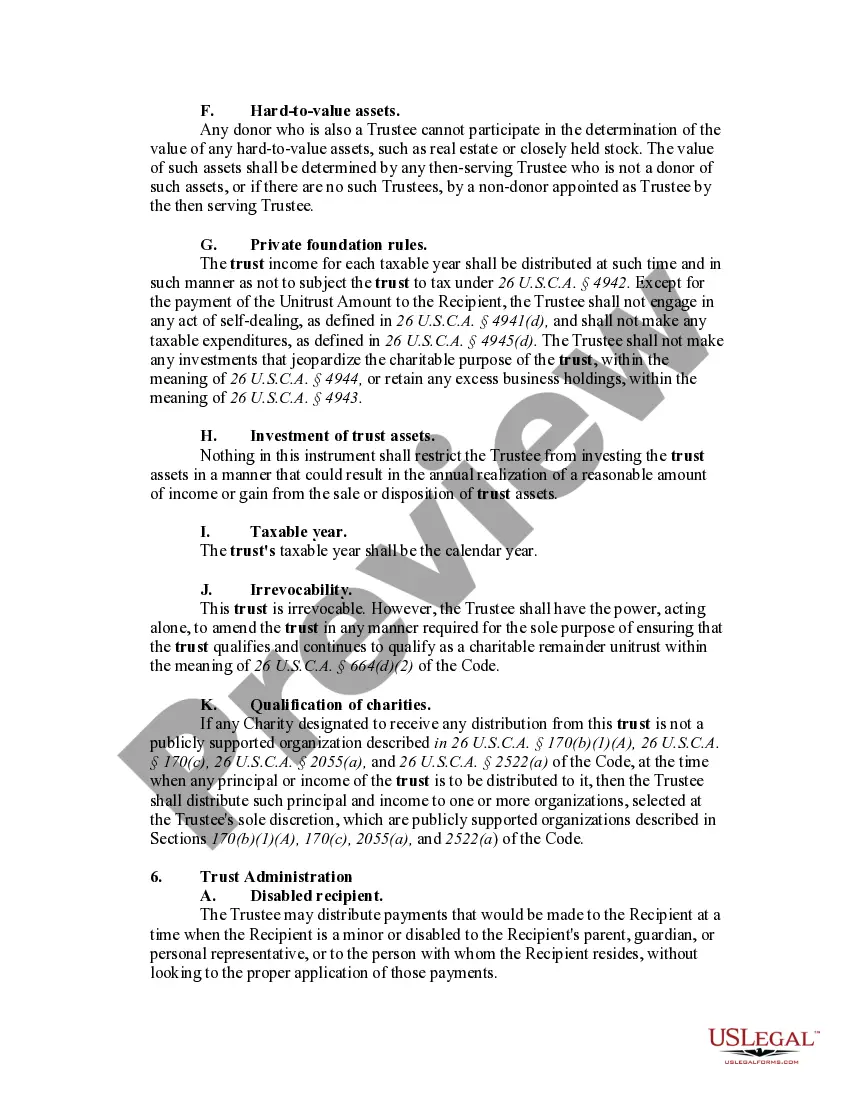
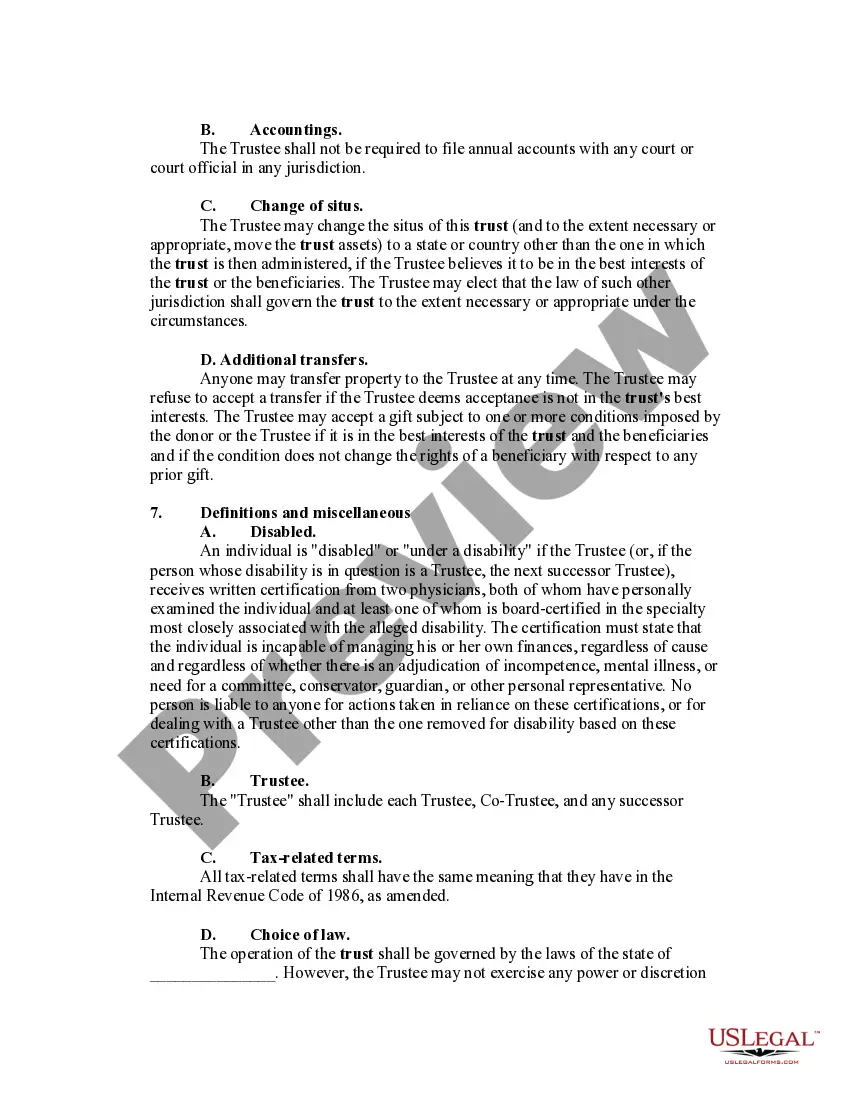
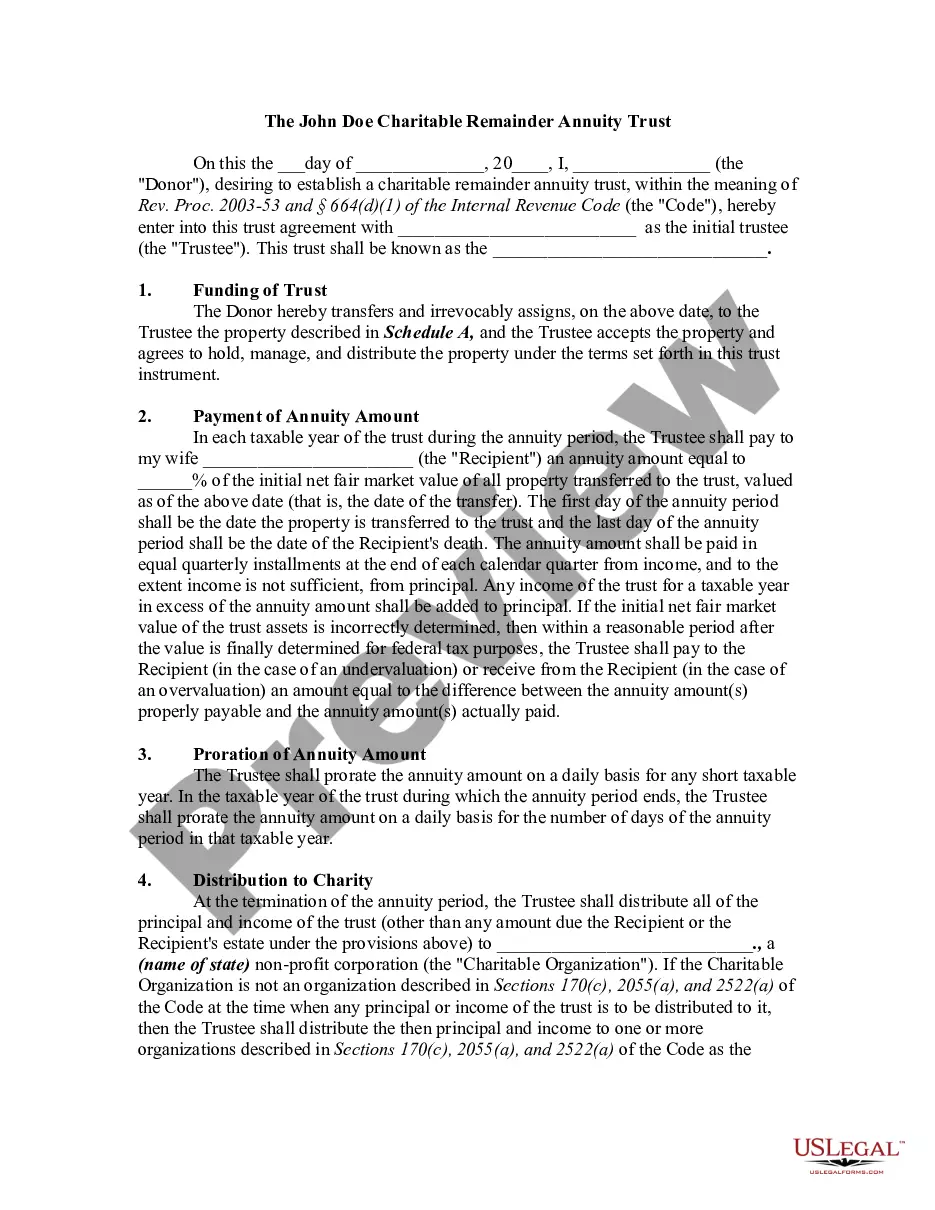
How to fill out Charitable Remainder Inter Vivos Unitrust Agreement?
- For returning users, start by logging into your account. Click the Download button to retrieve your required form template, ensuring your subscription is active; otherwise, renew it according to your payment plan.
- If you are new to US Legal Forms, first check the Preview mode and read the form description to confirm you've selected one that fulfills your needs and local jurisdiction requirements.
- Should you require an alternative template, utilize the Search tab above to find the correct document. If it fits your criteria, proceed to the next step.
- Purchase the document by clicking the Buy Now button and selecting your preferred subscription plan. You'll need to register an account to access the library's extensive resources.
- Complete your transaction by entering your credit card information or using your PayPal account for payment.
- Finally, download your form to your device. You'll find it in the My Forms section of your profile whenever you need it.
US Legal Forms is designed to empower users with a vast library of over 85,000 legal templates, ensuring efficient document creation.
Start simplifying your legal document needs today with US Legal Forms. Discover your legal solutions with ease!
Form popularity
FAQ
While .PEM and .crt files can both store certificate data, they are not the same. A .PEM file often contains both the certificate and the private key, and it uses Base64 encoding. In contrast, a CRT document is typically just the public key certificate. Understanding these differences can help you manage your certificates more effectively.
To convert a CRT document to a CER format using OpenSSL, you can use a straightforward command in your terminal. The command typically looks like `openssl x509 -in your_certificate.crt -outform der -out your_certificate.cer`. This process ensures that your certificate is in the correct format for applications that require a .cer file. Remember to verify your conversion by checking the new file.
A .crt certificate is a type of digital certificate used in public key infrastructure. This CRT document binds a public key to an identity, ensuring secure data exchange through encryption. It's commonly used for SSL/TLS certificates to secure websites. When you work with online security, understanding the role of CRT certificates is crucial.
A .cert file is simply another extension used for digital certificates. Like the CRT document, it contains security information that allows for encrypted communication. Typically, these files help verify the identity of a website or organization. To ensure reliability, always obtain .cert files from a trusted source.
Although .cer and .crt files both serve similar purposes in security certificates, they are not identical formats. The .cer often contains the same information as a .crt, but the encoding may differ. For practical use, you can often treat them as interchangeable when configuring secure connections. Always check the requirements of your specific application to ensure compatibility.
If you have a CER file and your application requires a CRT file, then yes, you need to convert it. The CRT document is often used for SSL certificates and is essential for secure communications. The conversion process is straightforward and can be done quickly using various tools, including OpenSSL. Make sure to back up your certificates before making any changes.
Filling out the Illinois CRT 61 form requires providing specific information about the trust, including its name, tax identification number, and details about beneficiaries. You need to accurately input financial data related to the trust's assets and distributions. To simplify this process, consider using resources from US Legal Forms that offer guidance and templates tailored for Illinois CRT filings. This ensures that your form is completed correctly and meets the state's requirements.
Setting up a charitable remainder trust involves several steps, starting with drafting a CRT documento. You should outline the purpose of the trust, identify the charitable beneficiaries, and determine the payout structure. It's advisable to work with professionals or use resources like US Legal Forms to ensure compliance with state and federal laws. This approach makes establishing your CRT easier and more efficient.
Yes, a charitable remainder trust must file a tax return using IRS Form 1041 each year. The CRT is a separate taxable entity, and it has specific reporting requirements, including income generated by the trust assets. By filing, the CRT can report income distributions made to beneficiaries, which is crucial for tax purposes. Understanding these obligations is vital, and you can find more information about this on our US Legal Forms platform.
Yes, you can create your own charitable remainder trust (CRT) using a CRT documento. To do this, you need to decide on the trust's terms, including the beneficiaries and payout structure. It's essential to follow legal guidelines to ensure the trust fulfills your intentions and complies with tax regulations. For assistance, consider our platform, US Legal Forms, which provides templates and resources to simplify the CRT creation process.