Charitable Remainder Trust Calculator With Life Estate
Description
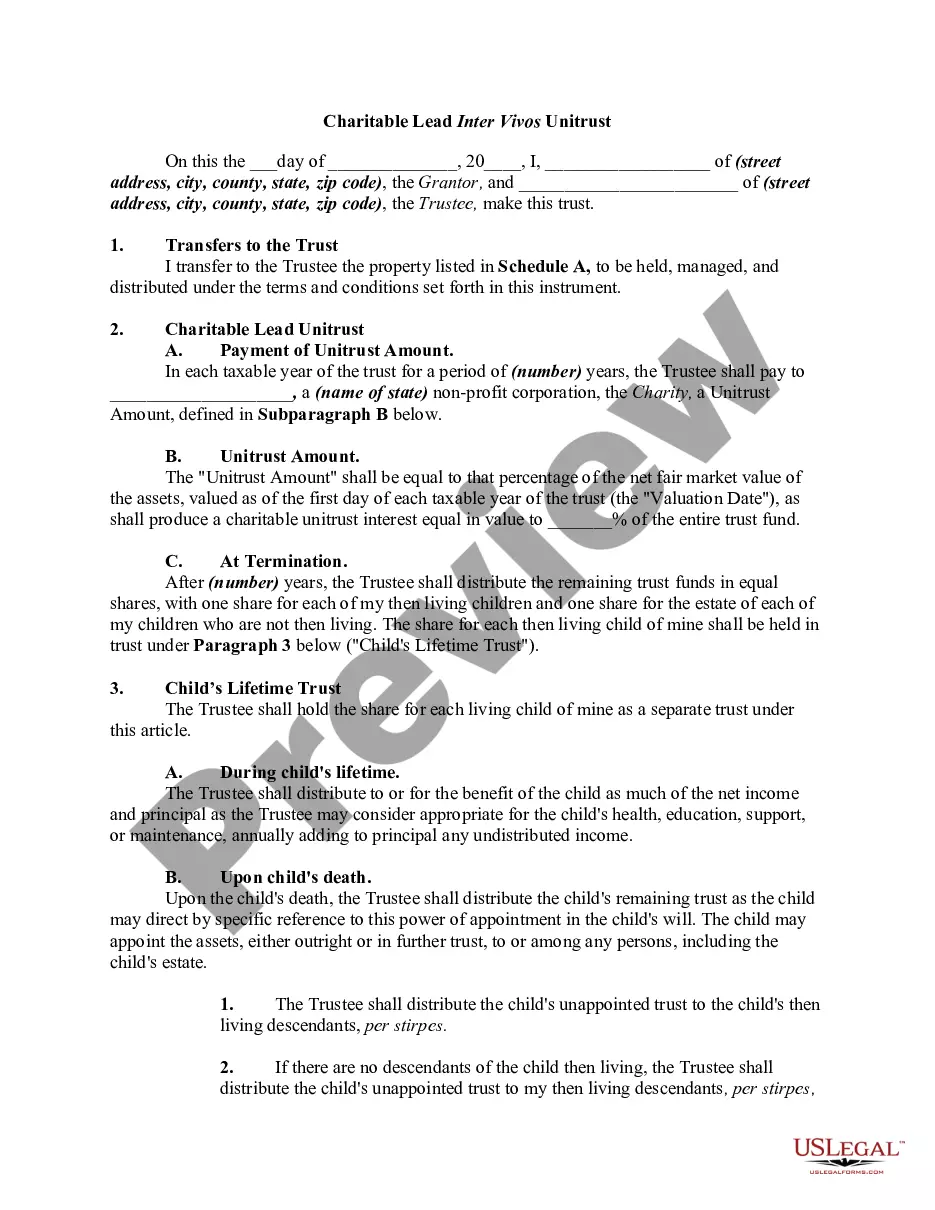
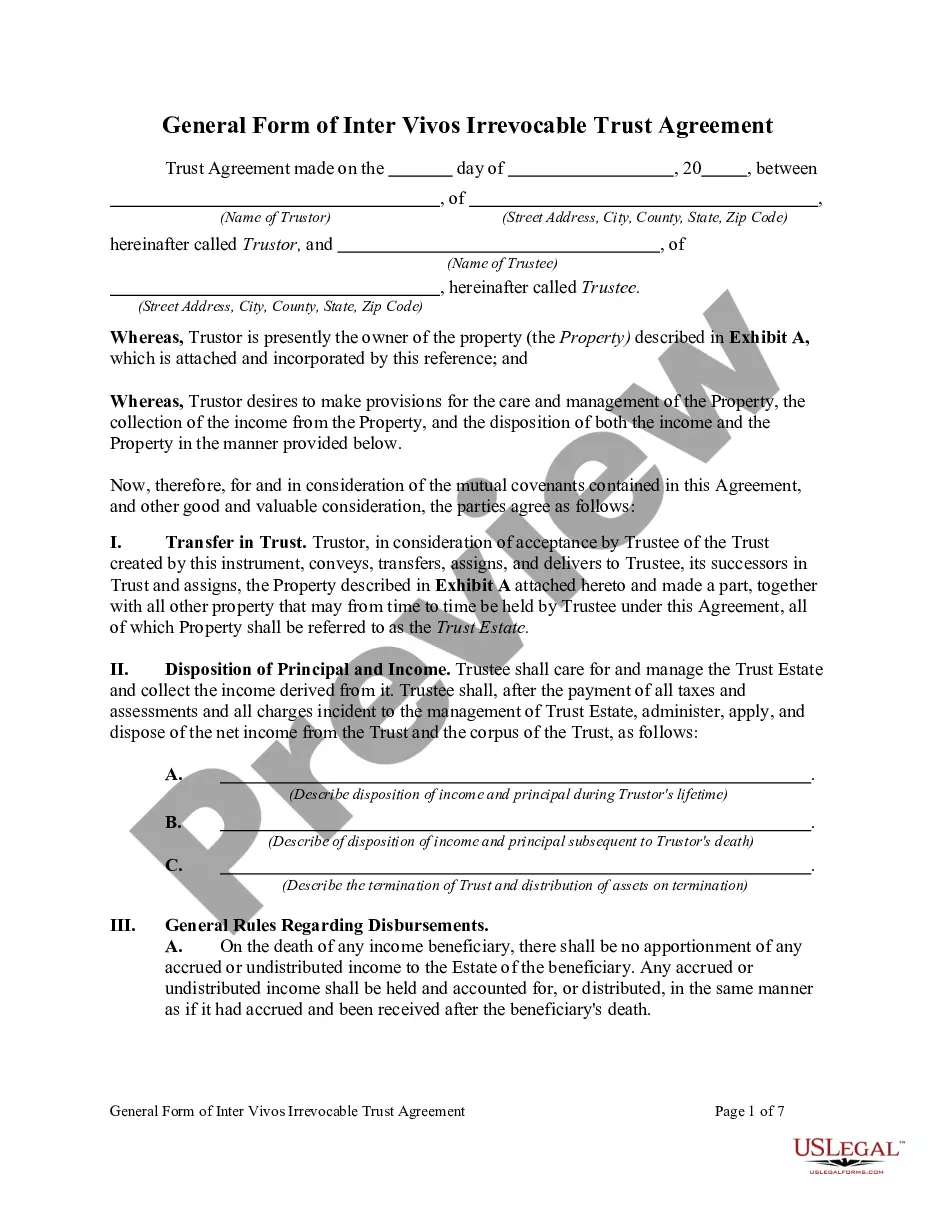
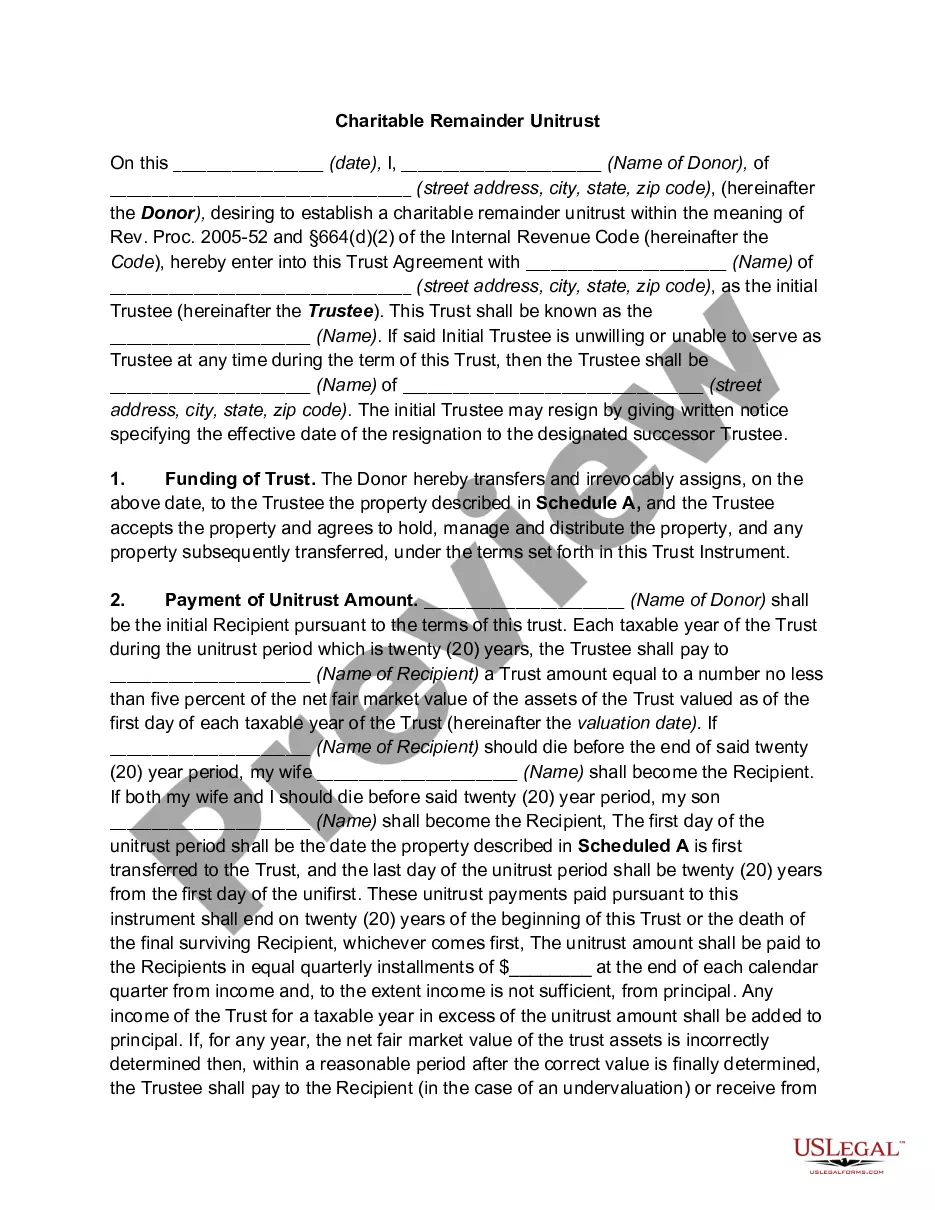
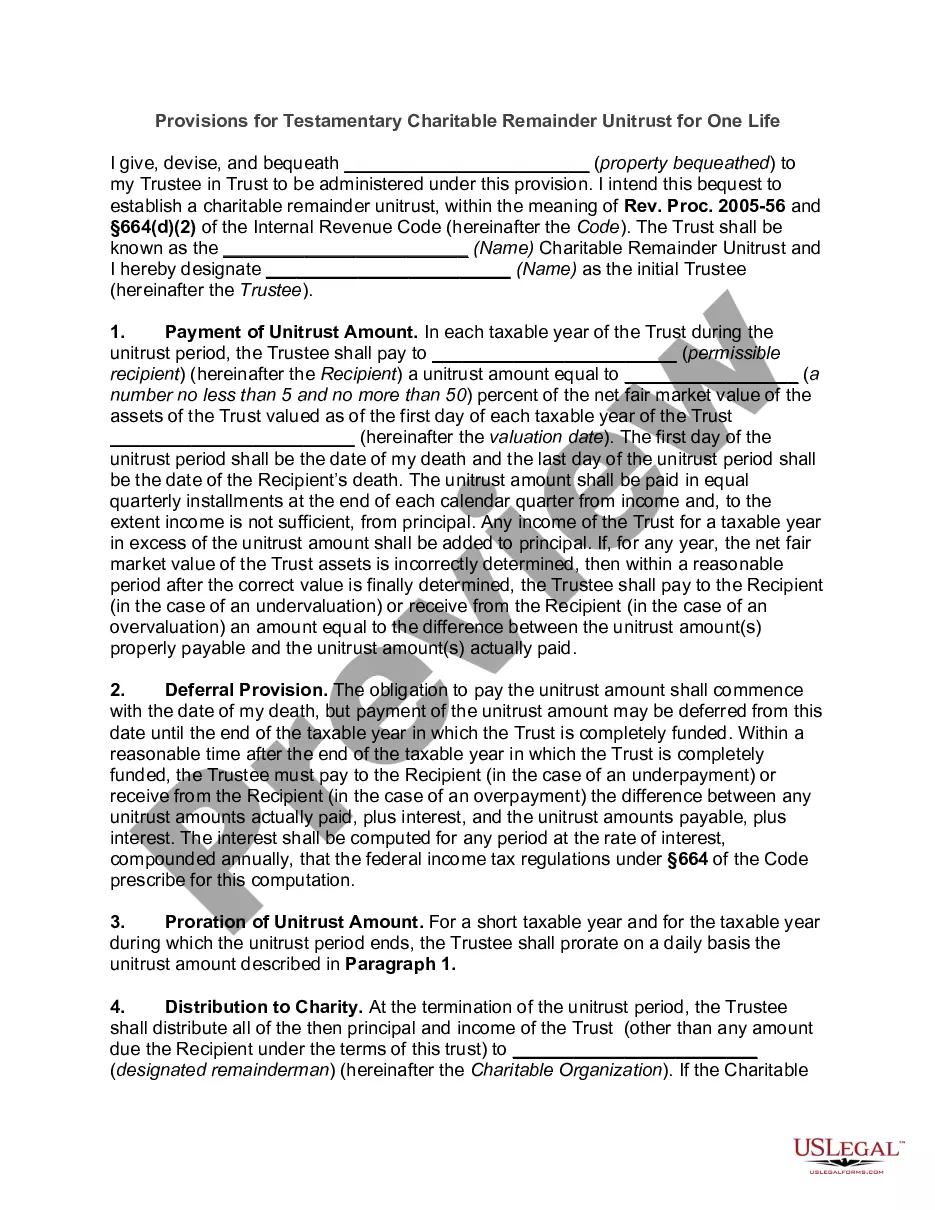
Get your form ready online
Our built-in tools help you complete, sign, share, and store your documents in one place.
Make edits, fill in missing information, and update formatting in US Legal Forms—just like you would in MS Word.
Download a copy, print it, send it by email, or mail it via USPS—whatever works best for your next step.
Sign and collect signatures with our SignNow integration. Send to multiple recipients, set reminders, and more. Go Premium to unlock E-Sign.
If this form requires notarization, complete it online through a secure video call—no need to meet a notary in person or wait for an appointment.
We protect your documents and personal data by following strict security and privacy standards.

Make edits, fill in missing information, and update formatting in US Legal Forms—just like you would in MS Word.

Download a copy, print it, send it by email, or mail it via USPS—whatever works best for your next step.

Sign and collect signatures with our SignNow integration. Send to multiple recipients, set reminders, and more. Go Premium to unlock E-Sign.

If this form requires notarization, complete it online through a secure video call—no need to meet a notary in person or wait for an appointment.

We protect your documents and personal data by following strict security and privacy standards.
Looking for another form?









How to fill out Charitable Remainder Inter Vivos Unitrust Agreement?
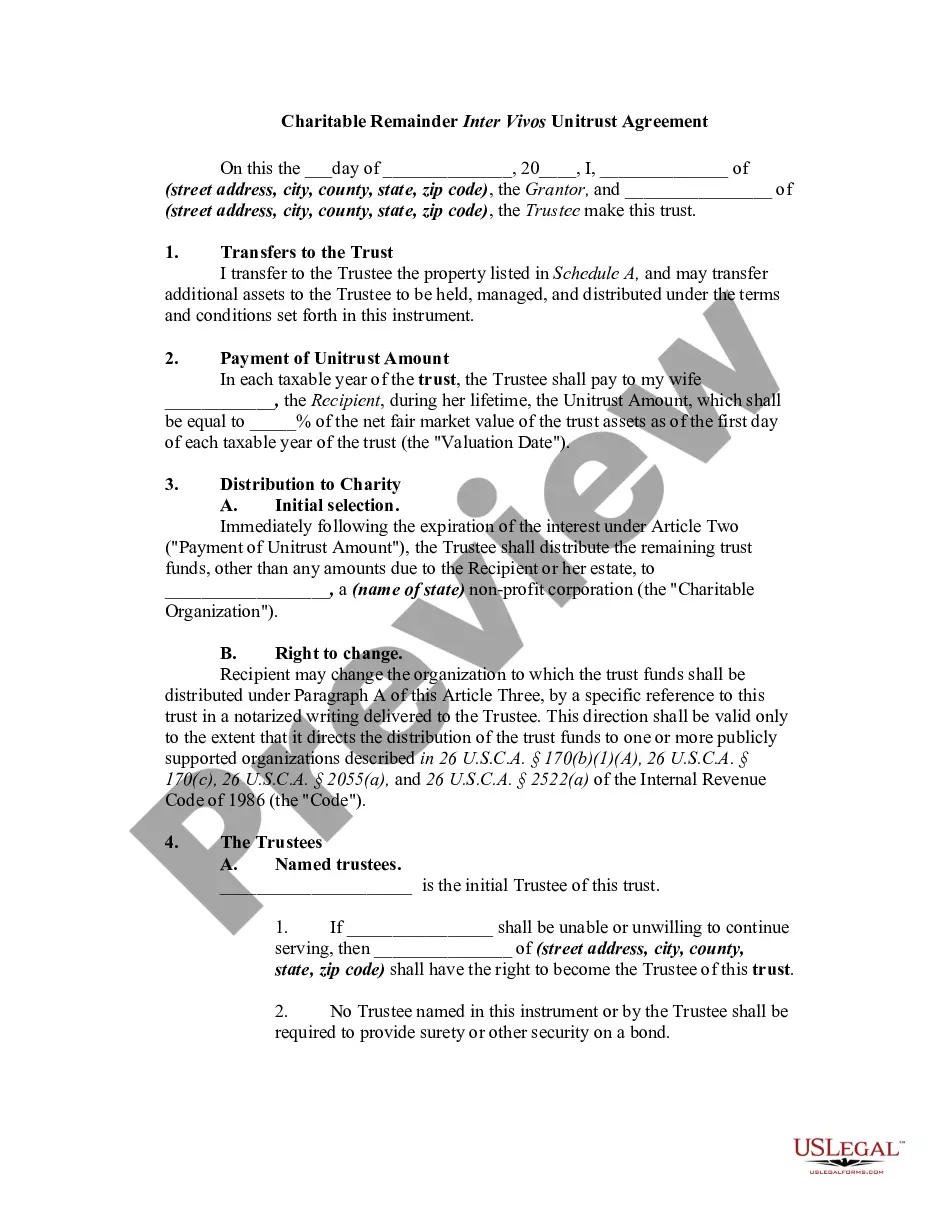
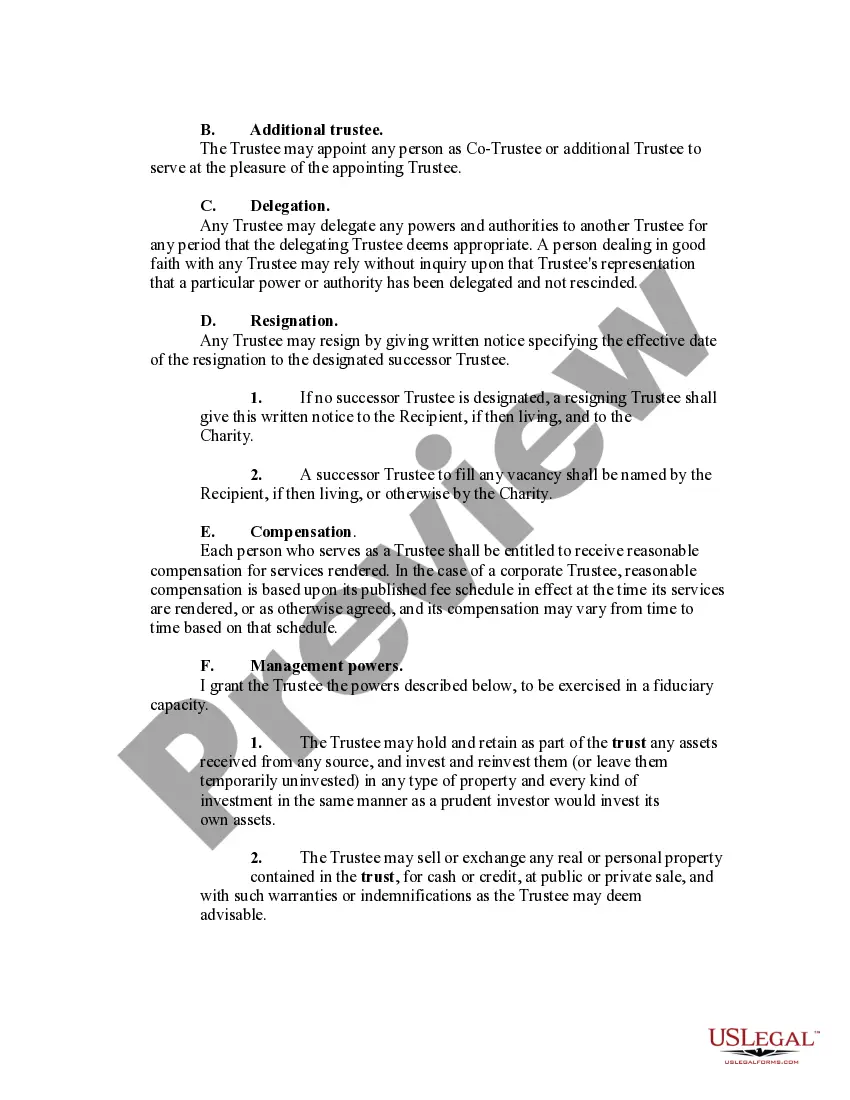
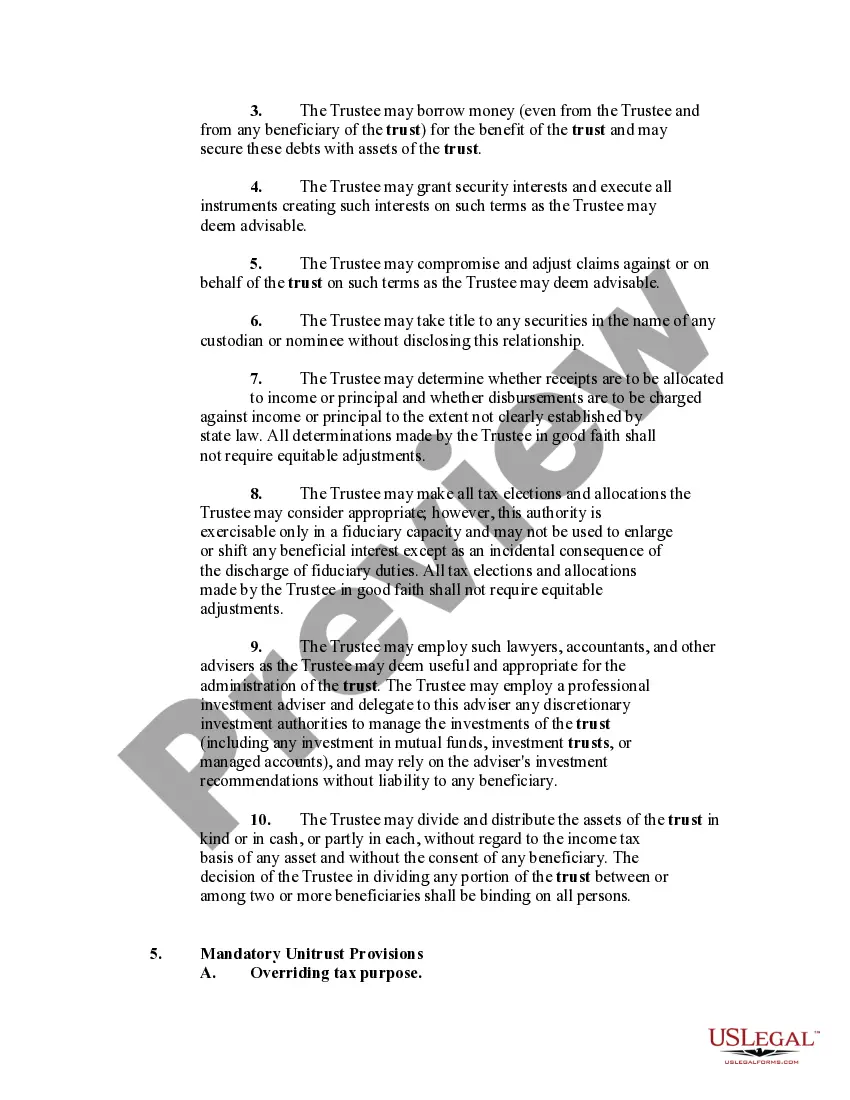
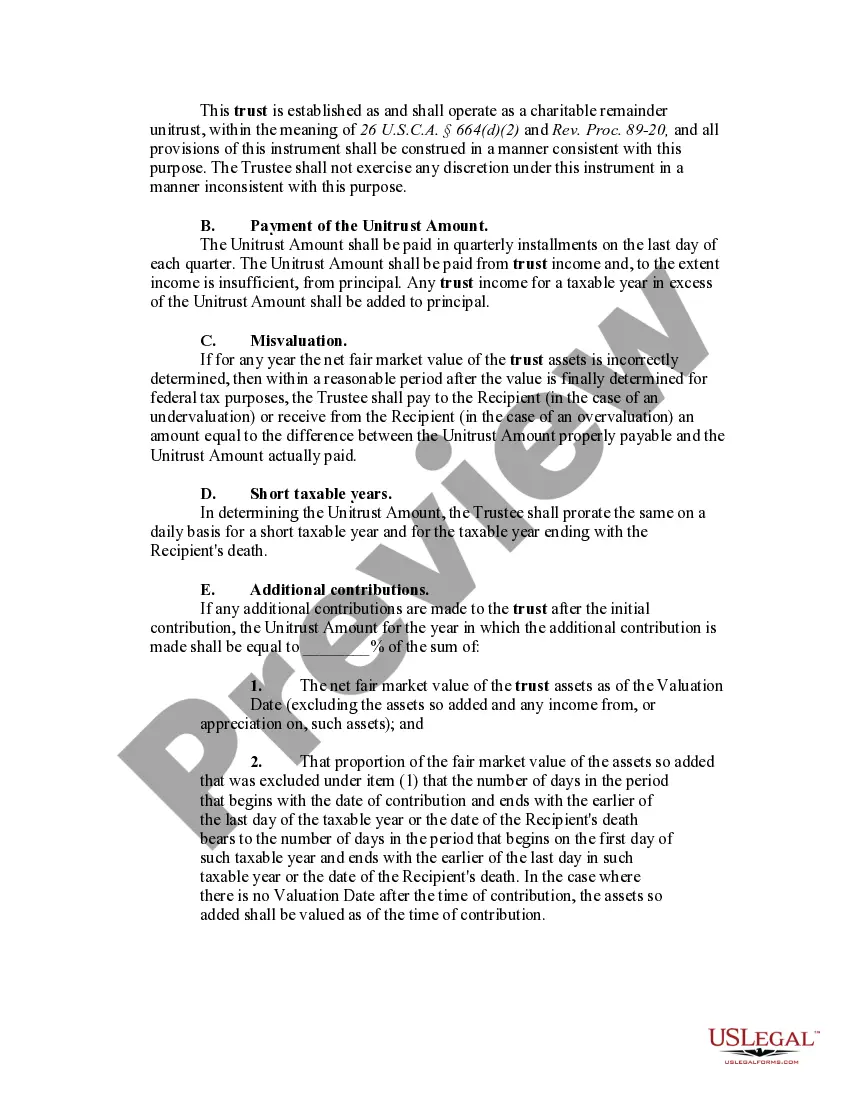
The Charitable Remainder Trust Calculator With Life Estate presented on this page is a versatile legal template crafted by experienced attorneys in adherence to federal and local laws and guidelines.
For over 25 years, US Legal Forms has offered individuals, enterprises, and lawyers more than 85,000 authenticated, state-specific documents for various business and personal needs. It’s the quickest, most straightforward, and most dependable method to acquire the paperwork you require, as the service ensures the utmost level of data protection and malware defense.
Subscribe to US Legal Forms to have authenticated legal templates for every situation in life at your fingertips.
- Search for the document you require and review it.
- Browse through the file you searched and either preview it or review the form details to ensure it meets your requirements. If it doesn’t, utilize the search feature to find the correct one. Click Buy Now when you have found the template you need.
- Register and Log Into your account.
- Choose the pricing option that works for you and create an account. Use PayPal or a credit card to conduct a swift payment. If you already possess an account, Log In and verify your subscription to proceed.
- Receive the editable template.
- Select the format you wish for your Charitable Remainder Trust Calculator With Life Estate (PDF, DOCX, RTF) and store the document on your device.
- Fill out and sign the documents.
- Print the template to complete it manually. Alternatively, use an online versatile PDF editor to quickly and accurately fill out and sign your document with a legally-accepted electronic signature.
- Download your documents again.
- Revisit the same document whenever necessary. Access the My documents tab in your profile to redownload any previously saved documents.
Form popularity
FAQ
The 10% rule for charitable remainder trusts states that the present value of the charity's remainder interest must equal at least 10% of the total value of the trust assets when you set up the trust. This rule ensures that a meaningful portion of the assets will benefit the charity upon the trust's termination. When you use a charitable remainder trust calculator with life estate, you can easily evaluate how different scenarios impact this calculation. Such tools make it easier for you to ensure compliance with IRS regulations while maximizing your charitable intent.
In either type of CRT (unitrust or annuity trust), the Internal Revenue Service (IRS) requires that the payout rate stated in the trust cannot be less than 5 percent or more than 50 percent of the initial fair market value of the trust's assets.
The taxation of CRUTs is prescribed by the Internal Revenue Code and accompanying U.S. Treasury regulations. The trust itself is a tax-exempt entity, but the trust distributions to an income beneficiary will be taxable to that beneficiary ing to a four-tiered system.
What Happens if a Charitable Remainder Trust Runs Out of Money? If a Charitable Remainder Trust starts to run out of money during the term when the lead beneficiary is receiving regular payouts, the dollar amount will likely decrease as the principal of the Trust assets shrink.
The deduction is limited to the present value of the charitable organization's remainder interest. This is calculated as the value of the donated property minus the present value of the annuity.
Ruling 77-374. If an individual establishes a charitable remainder trust for his or her life only, the trust assets will be included in his or her gross estate under IRC section 2036. The amount included, however, will ?wash out? as an estate tax charitable deduction under IRC section 2055.