Charitable Remainder Living Trust With Pour-over Will
Description
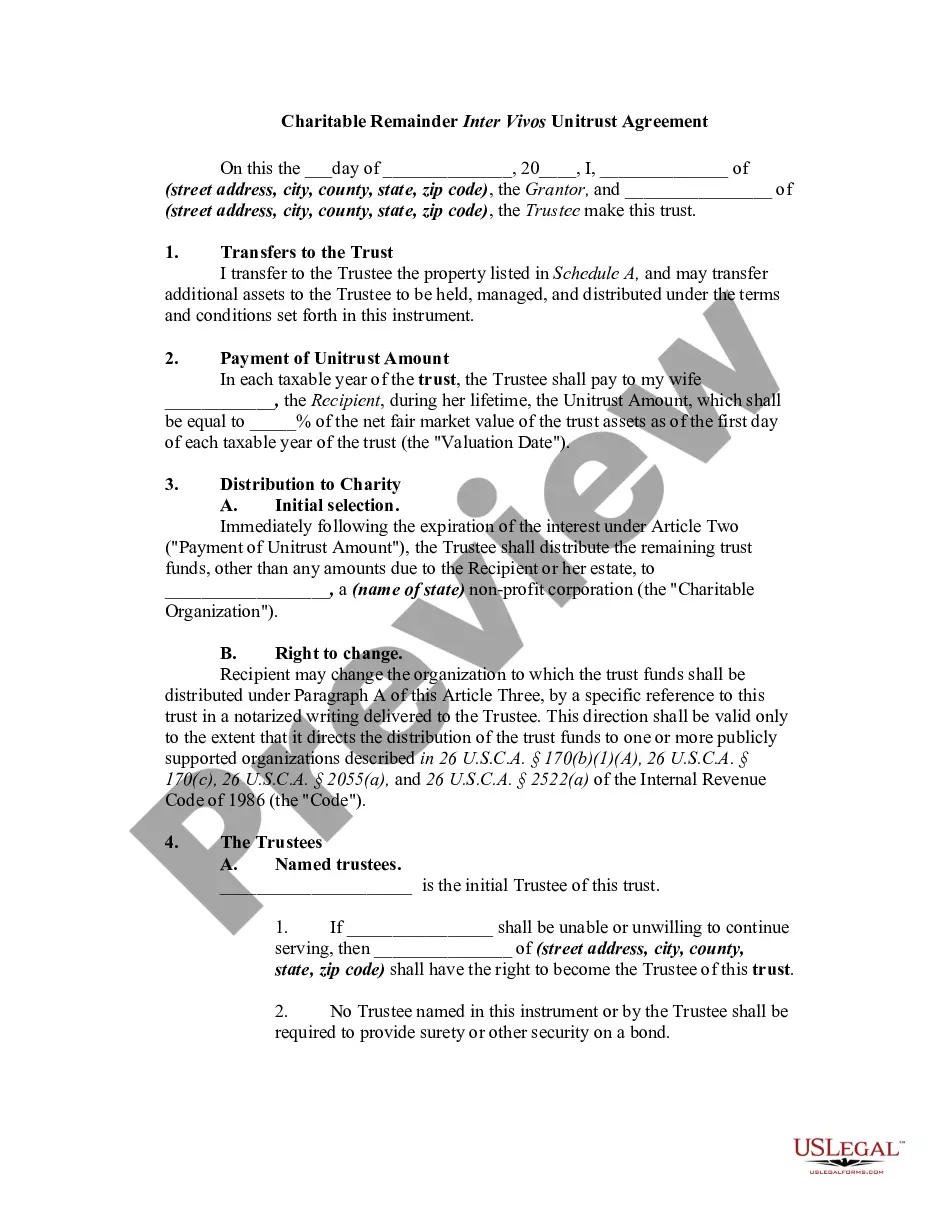
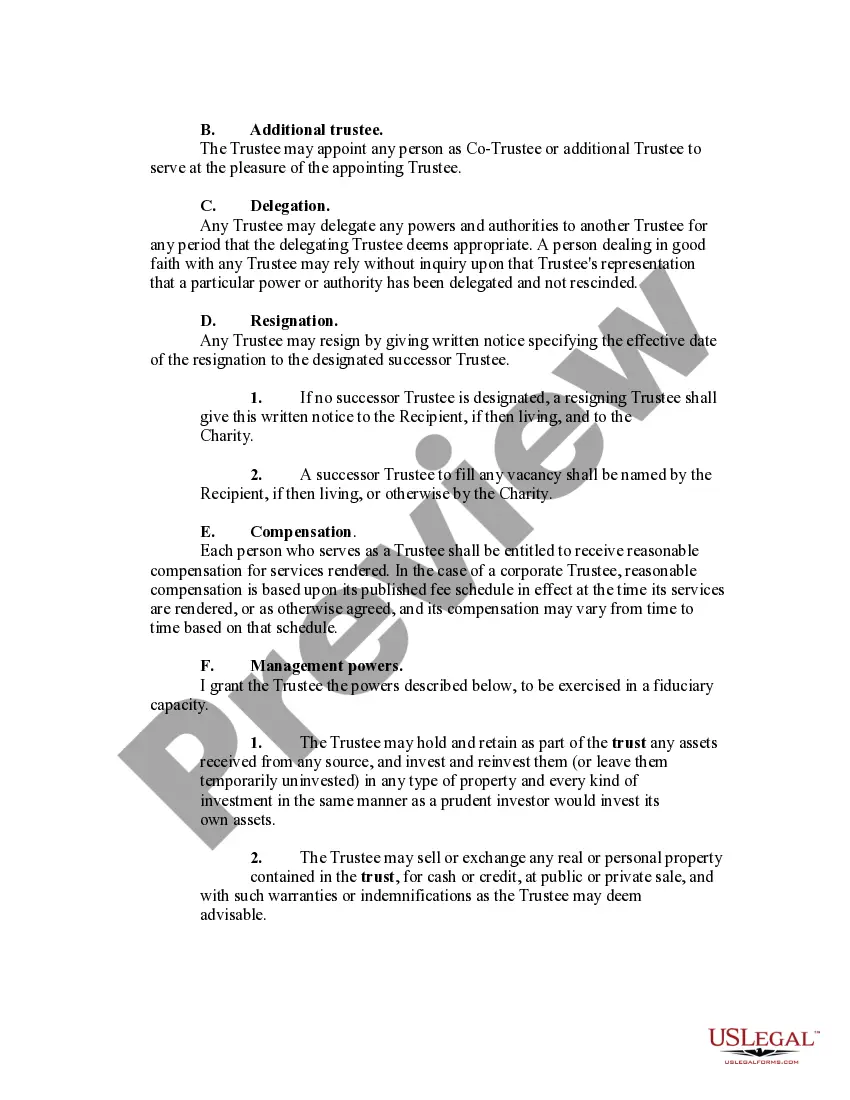
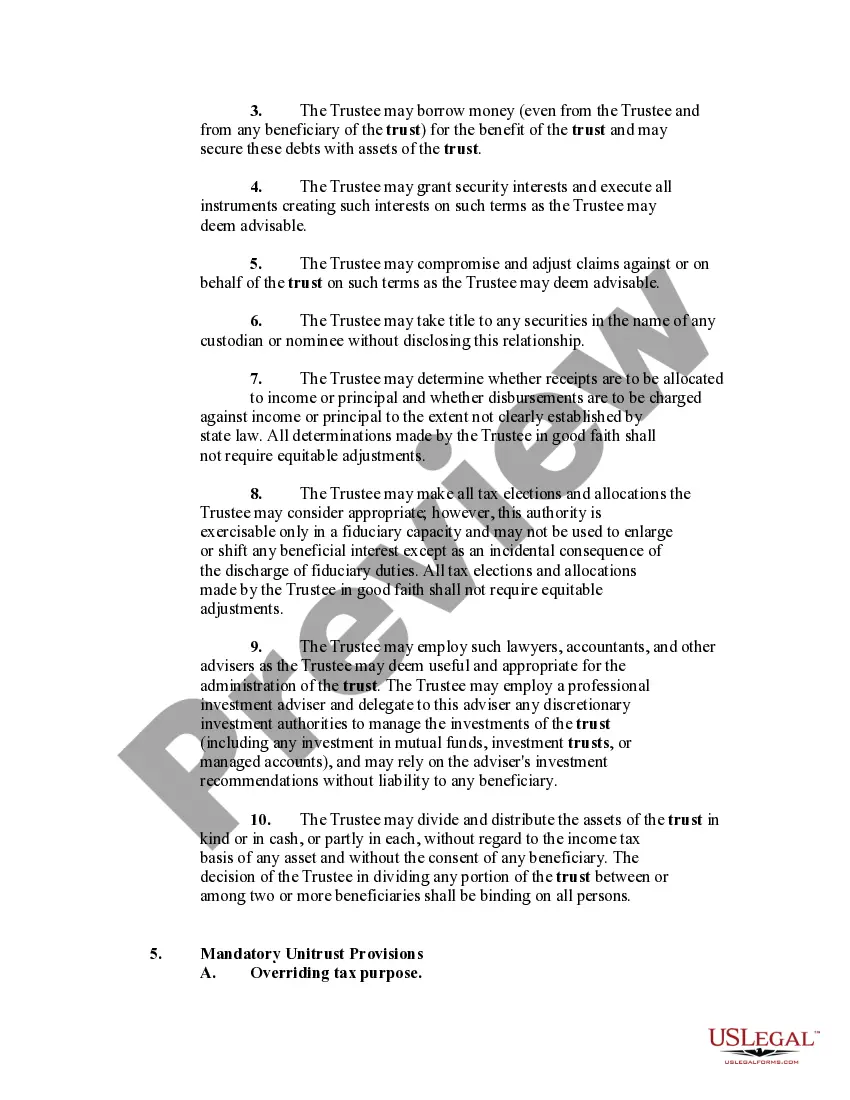
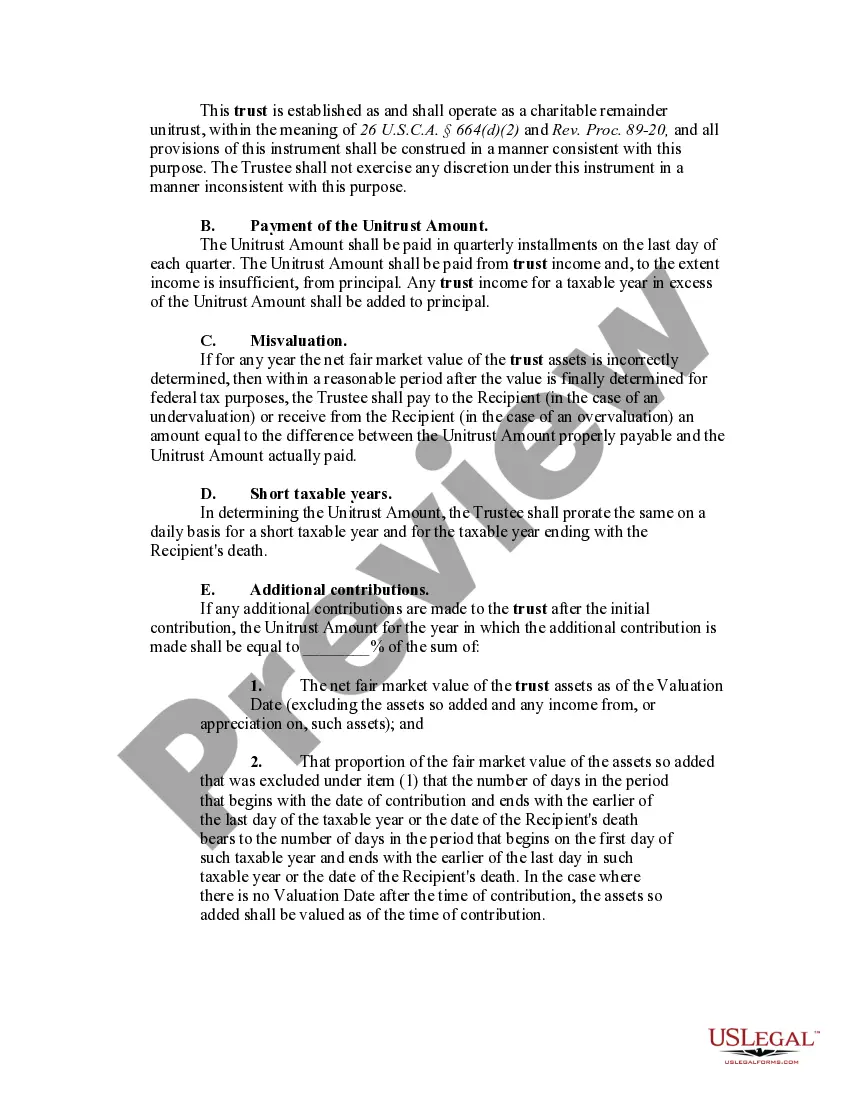
Get your form ready online
Our built-in tools help you complete, sign, share, and store your documents in one place.
Make edits, fill in missing information, and update formatting in US Legal Forms—just like you would in MS Word.
Download a copy, print it, send it by email, or mail it via USPS—whatever works best for your next step.
Sign and collect signatures with our SignNow integration. Send to multiple recipients, set reminders, and more. Go Premium to unlock E-Sign.
If this form requires notarization, complete it online through a secure video call—no need to meet a notary in person or wait for an appointment.
We protect your documents and personal data by following strict security and privacy standards.

Make edits, fill in missing information, and update formatting in US Legal Forms—just like you would in MS Word.

Download a copy, print it, send it by email, or mail it via USPS—whatever works best for your next step.

Sign and collect signatures with our SignNow integration. Send to multiple recipients, set reminders, and more. Go Premium to unlock E-Sign.

If this form requires notarization, complete it online through a secure video call—no need to meet a notary in person or wait for an appointment.

We protect your documents and personal data by following strict security and privacy standards.
Looking for another form?


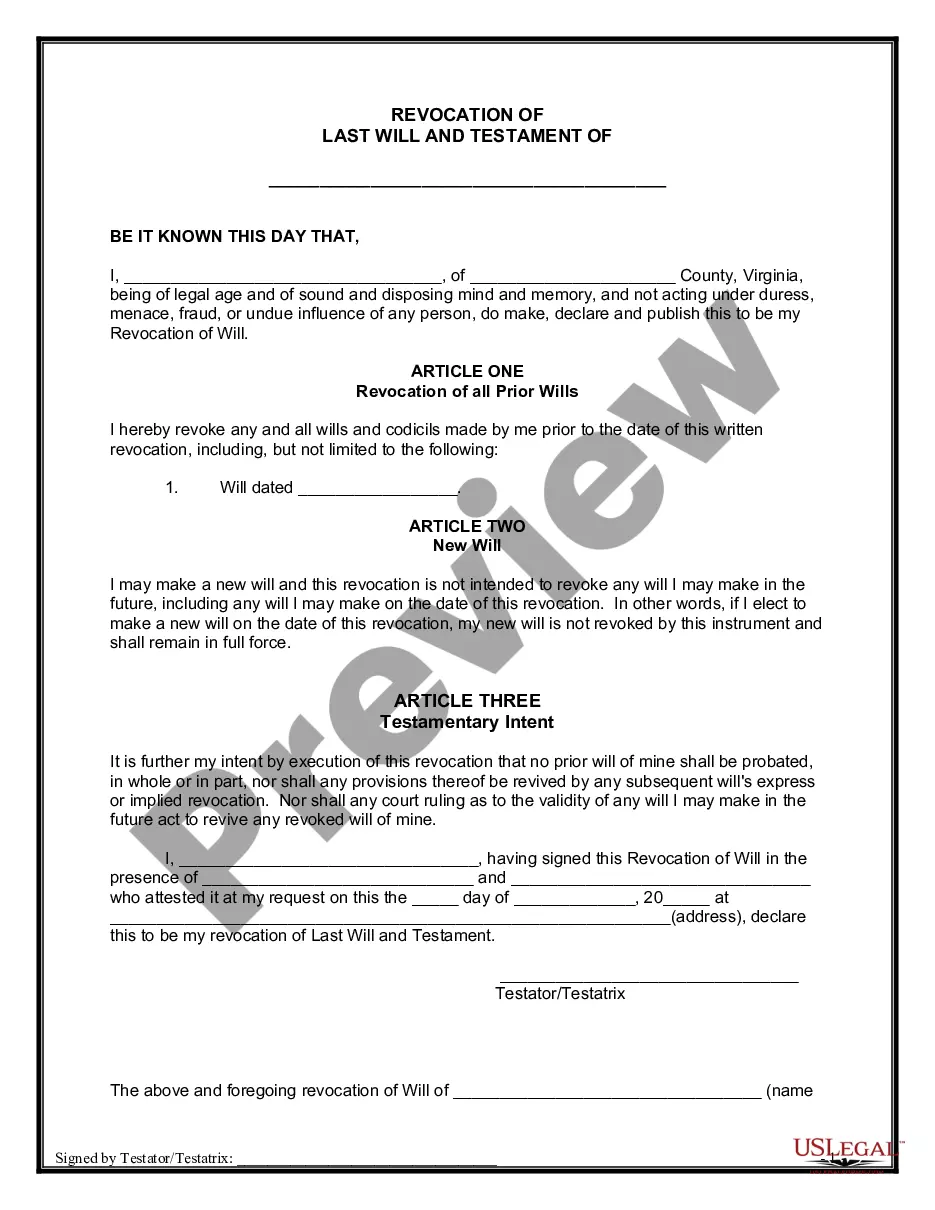

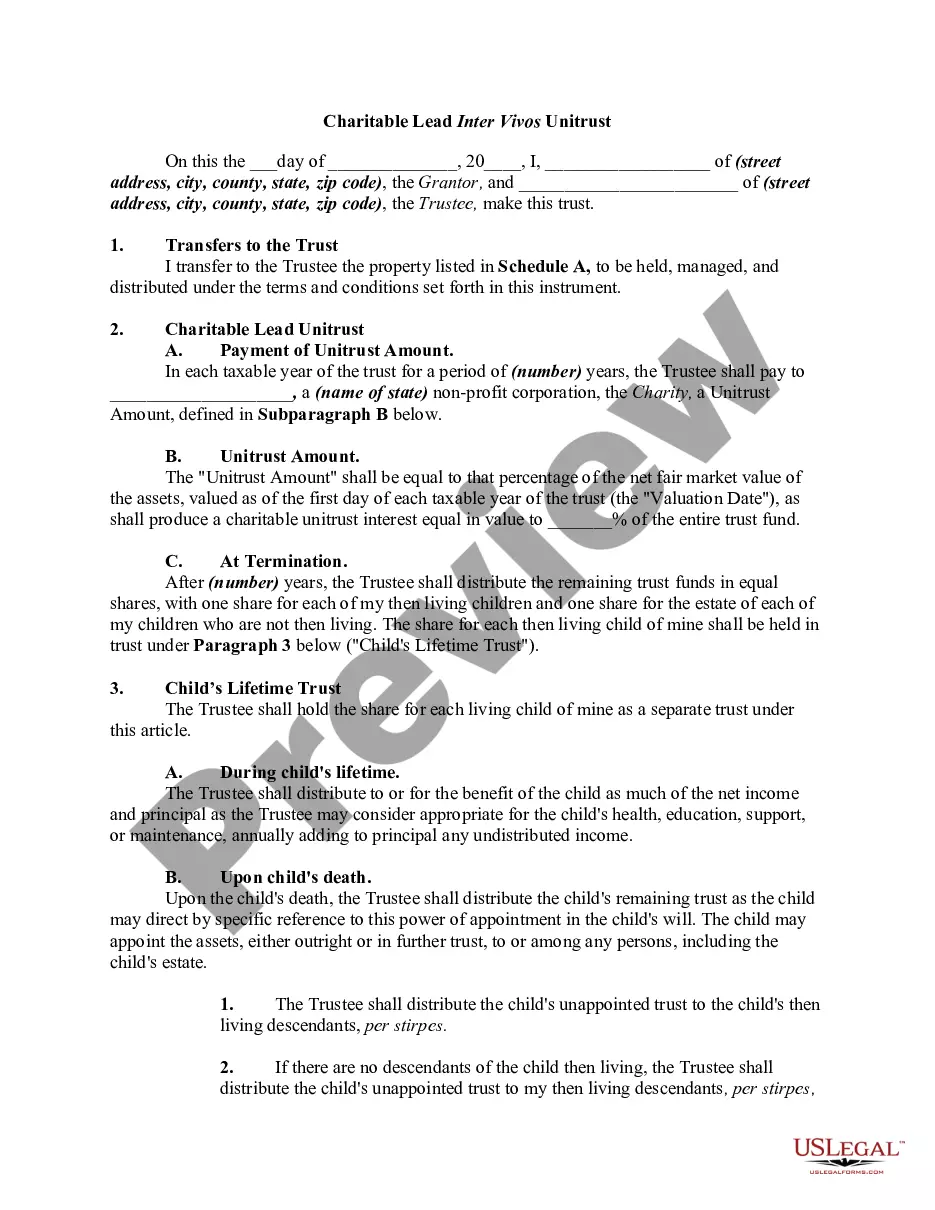
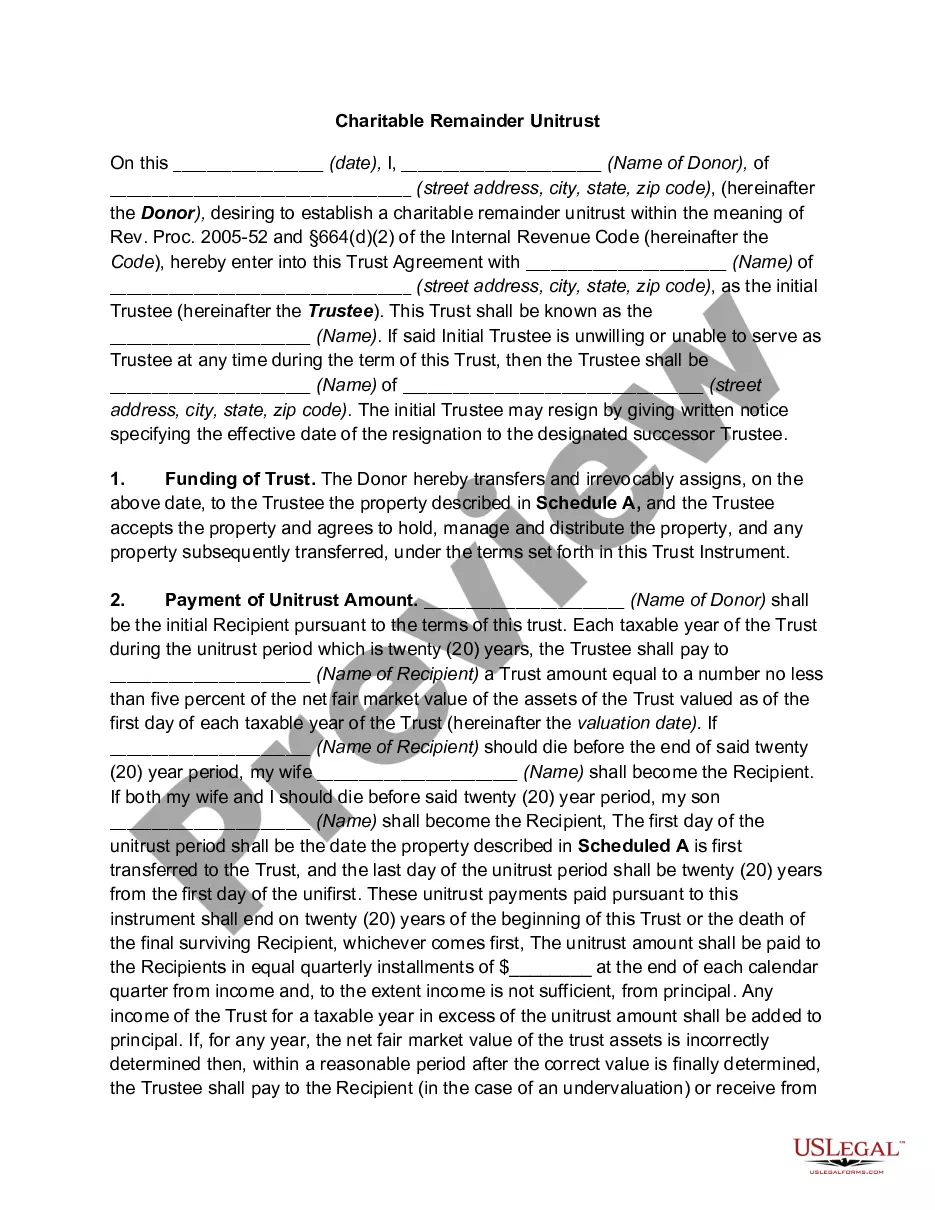
How to fill out Charitable Remainder Inter Vivos Unitrust Agreement?
It's widely known that you cannot transform into a legal specialist in an instant, nor can you learn how to swiftly create a Charitable Remainder Living Trust With Pour-over Will without possessing specialized knowledge.
Drafting legal documents is an extensive process that demands specific education and expertise. So, why not entrust the creation of the Charitable Remainder Living Trust With Pour-over Will to the experts.
With US Legal Forms, one of the most extensive collections of legal documents available, you can locate anything from court filings to templates for internal corporate communication. We recognize the importance of compliance with federal and state regulations. This is why all templates on our site are tailored to specific locations and are regularly updated.
You can access your documents again from the My documents tab at any time. If you are a current client, you can simply Log In and find and download the template from the same section.
No matter the reason for your documents—whether for financial, legal purposes, or personal use—our website has all your needs covered. Give US Legal Forms a try now!
- Find the form you require using the search bar located at the top of the page.
- Preview it (if this option is available) and review the accompanying description to determine if the Charitable Remainder Living Trust With Pour-over Will meets your needs.
- Begin your search anew if you require a different template.
- Create a free account and select a subscription plan to purchase the template.
- Click Buy now. Once the payment is processed, you can obtain the Charitable Remainder Living Trust With Pour-over Will, complete it, print it, and deliver it to the relevant individuals or organizations.
Form popularity
FAQ
Yes, a charitable remainder trust (CRT) can help avoid probate. By placing your assets in a charitable remainder living trust with pour-over will, those assets pass directly to the designated beneficiaries without going through the probate process. This can save time and reduce costs, allowing your loved ones to receive their inheritance more quickly and efficiently.
The 5% rule for a charitable remainder trust (CRT) requires that the annual payment to the income beneficiary must not be less than 5% of the trust's initial fair market value. This ensures that the trust provides a reasonable income stream while benefiting a charity at the end of the trust term. When considering a charitable remainder living trust with pour-over will, it is crucial to understand this rule, as it helps maintain compliance and maximizes benefits for both the donor and the charity.
One disadvantage of a will compared to a trust is that a will typically goes through probate, which can be a lengthy and public process. In contrast, a charitable remainder living trust with pour-over will allows for a more private and streamlined asset distribution without the need for court intervention. This can lead to delays and additional costs for your heirs, making trusts a more efficient option for many. For those seeking to simplify estate management, exploring options like uslegalforms can be a beneficial step.
over will works by directing any remaining assets you own at your death to be transferred into your charitable remainder living trust with pourover will. When you pass away, the will goes through the probate process, which ensures that your assets are legally transferred into the trust. This process helps avoid the complexities of distributing assets individually. Ultimately, it simplifies your estate planning and aims to fulfill your charitable intentions.
over will typically covers any assets that you own at the time of your passing, which have not already been transferred into your charitable remainder living trust with pourover will. This includes personal property, bank accounts, and any other assets you may hold. By design, the pourover will ensures that these assets are seamlessly transferred into the trust, allowing for proper distribution according to your wishes. It acts as a safety net, capturing anything inadvertently left out of the trust.
Using a pour-over will in conjunction with a Charitable remainder living trust can streamline the distribution of your assets. This type of will ensures that any assets not transferred to the trust during your lifetime automatically go into the trust upon your passing. This process simplifies your estate management and can help your heirs avoid probate. Ultimately, it provides clarity and efficiency in handling your estate.
Putting your house in a trust can have its complications. For instance, if you create a Charitable remainder living trust with pour-over will, you may lose certain tax benefits associated with home ownership. Additionally, this arrangement could complicate your ability to refinance or sell the property. It's essential to weigh these factors before deciding to place your house in a trust.
While you do not necessarily need a pour-over will with a trust, it can provide additional security and clarity for your estate plan. If you have established a charitable remainder living trust with pour-over will, having this will ensures that any assets not included in the trust are still accounted for. This arrangement helps prevent any confusion regarding asset distribution after your passing. Utilizing platforms like uslegalforms can help you create a comprehensive estate plan that includes both a trust and a pour-over will.
One drawback of a pour-over will is that it typically requires probate, which can be a time-consuming and costly process. Although a charitable remainder living trust with pour-over will ensures your assets are ultimately distributed according to your wishes, the probate process may delay access to those assets for your beneficiaries. Additionally, probate can expose your estate to public scrutiny. Therefore, it is essential to consider this aspect when planning your estate.
over will works with a trust by ensuring that any assets not transferred into the trust during your life are automatically moved into it after your passing. This means that if you have created a charitable remainder living trust with pourover will, your estate can be simplified and managed according to your predefined intentions. The pourover will acts as a safety net, capturing any overlooked assets and directing them into the trust for distribution. This process helps to streamline the management of your estate and can provide peace of mind.