Virginia Written Revocation of Will
Overview of this form
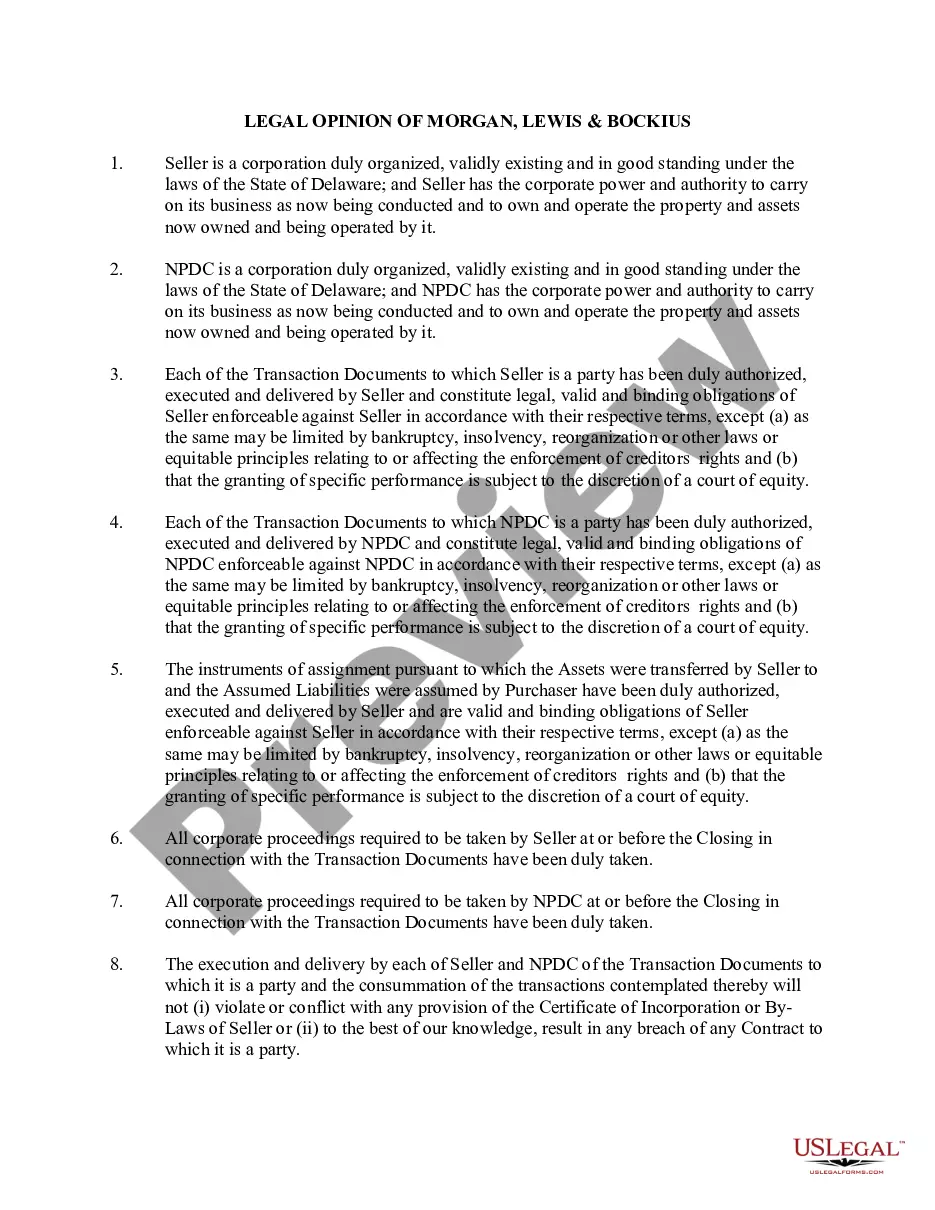
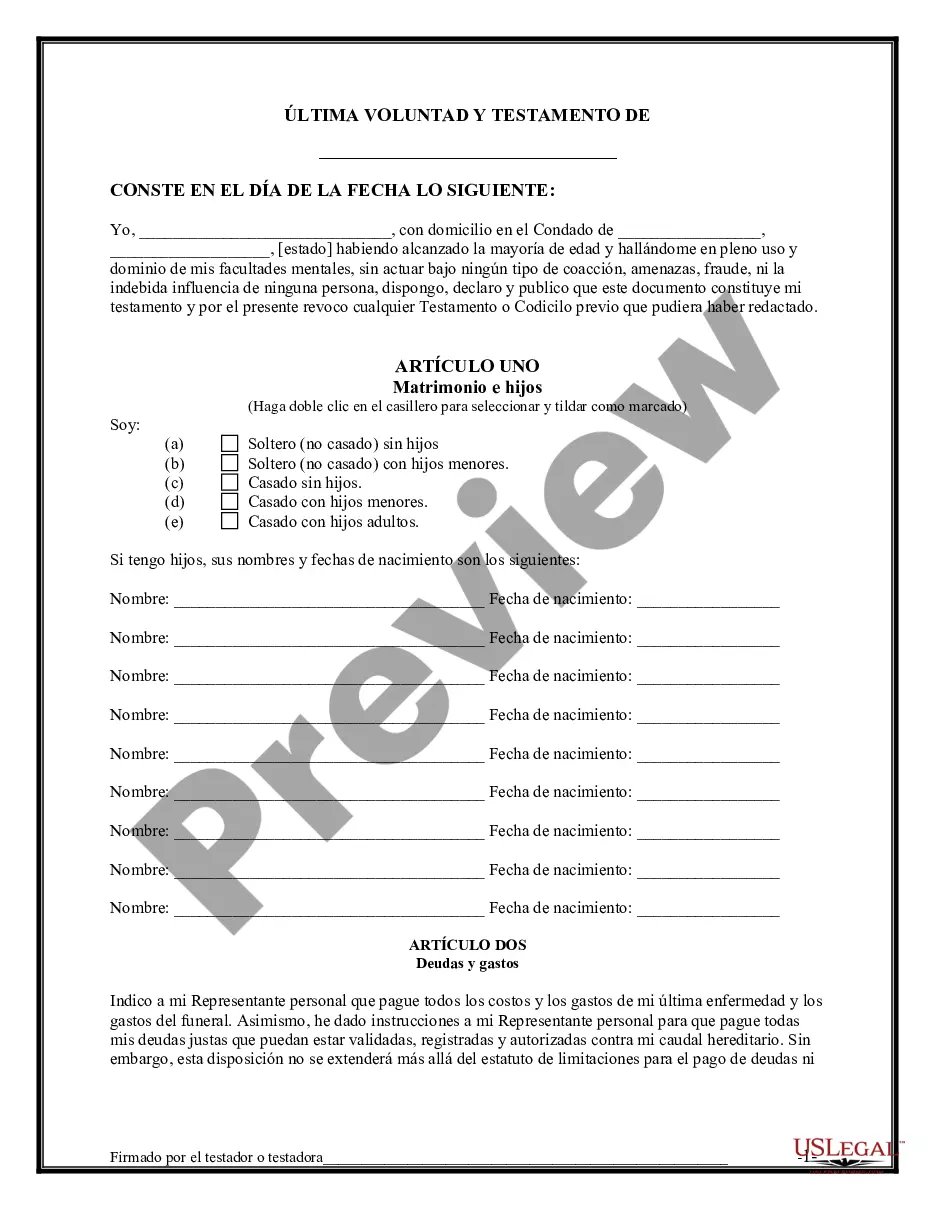
The Written Revocation of Will is a legal document used to formally revoke any previous wills or codicils made by an individual. This form is important as it ensures that only the most up-to-date will is honored by the probate court, preventing any older documents from being considered valid. Unlike a new will, which typically includes a revocation clause, this specific revocation form is used when one wishes to explicitly declare that all prior wills are canceled, safeguarding one's intentions from potential disputes among heirs.
Key components of this form
- Declaration of revocation: Clearly states the intent to revoke all prior wills.
- Identification of the testator: Includes the legal name and residence of the individual revoking the will.
- Statements regarding future wills: It clarifies that creating a new will does not revoke this declaration.
- Signature lines: Includes space for the testator's signature and that of witnesses.
- Self-proving affidavit: Allows the document to be validated without appearing in court under certain circumstances.



When to use this document
This form should be used when an individual wishes to revoke a previously created will. It is particularly useful in scenarios where individuals have changed their mind about their estate distribution or wish to create a new will that reflects their current wishes. If there are potential disputes with heirs regarding prior wills, using this revocation form helps eliminate confusion and reinforces the individual's current intent.
Who can use this document
- Individuals who have previously created a will that they now wish to revoke.
- People looking to clarify their estate plans to prevent legal disputes after their passing.
- Those who want to ensure that only their latest will is recognized by the probate court.
How to prepare this document
- Identify yourself as the testator, including your full name and county of residence.
- Clearly state your intent to revoke previous wills by checking all necessary boxes or writing applicable details.
- Include the date of any previous will you want to revoke.
- Sign the form in the presence of at least two witnesses who also need to sign the document.
- Complete the self-proving affidavit, if applicable, to enhance the legal validity of your revocation.
Notarization requirements for this form
This document requires notarization to meet legal standards. US Legal Forms provides secure online notarization powered by Notarize, allowing you to complete the process through a verified video call, available 24/7.
Get your form ready online
Our built-in tools help you complete, sign, share, and store your documents in one place.
Make edits, fill in missing information, and update formatting in US Legal Forms—just like you would in MS Word.
Download a copy, print it, send it by email, or mail it via USPS—whatever works best for your next step.
Sign and collect signatures with our SignNow integration. Send to multiple recipients, set reminders, and more. Go Premium to unlock E-Sign.
If this form requires notarization, complete it online through a secure video call—no need to meet a notary in person or wait for an appointment.
We protect your documents and personal data by following strict security and privacy standards.

Make edits, fill in missing information, and update formatting in US Legal Forms—just like you would in MS Word.

Download a copy, print it, send it by email, or mail it via USPS—whatever works best for your next step.

Sign and collect signatures with our SignNow integration. Send to multiple recipients, set reminders, and more. Go Premium to unlock E-Sign.

If this form requires notarization, complete it online through a secure video call—no need to meet a notary in person or wait for an appointment.

We protect your documents and personal data by following strict security and privacy standards.
Mistakes to watch out for
- Failing to sign the form in the presence of witnesses, which is necessary for legal validity.
- Not specifying which wills are being revoked, leaving room for potential confusion.
- Forgetting to include a self-proving affidavit, which can complicate the probate process.
Why complete this form online
- Convenience of downloading and filling out the form from home.
- Editability allows for customization based on individual circumstances.
- Access to documents created by licensed attorneys, ensuring legal accuracy.
Quick recap
- The Written Revocation of Will formally nullifies any previous wills.
- It is essential for preventing any confusion or disputes among heirs regarding your estate intentions.
- Ensure the form is properly signed by witnesses to maintain its legal validity.
Looking for another form?
Form popularity
FAQ
Physically destroying all copies of the old will is generally sufficient to nullify it. Destruction can occur multiple ways, such as by tearing copies of the will to bits, shredding it, or writing the term VOID in big letters on its pages. To ensure that the will is nullified, it should be destroyed completely.
In Virginia, the signing of a will must generally be witnessed by two competent persons, who also must sign the will in front of the testator.Although the law does not require a will to be notarized, it is a highly recommended practice followed by most lawyers.
A holographic will is a handwritten will which can be valid in Virginia as long that it is either entirely in the testator's sole handwriting and is proven by two disinterested witnesses or it is signed by the testator in the presence of two competent witnesses who countersign the document.
Generally, you can revoke a will by (1) destroying the old will, (2) creating a new will or (3) making changes to an existing will. In some circumstances, simply giving away all or your property and assets before you die can have the effect of revoking a will (subject to estate tax penalties).
When a person (the 'Testator') makes a valid Will, section 20 of the Wills Act 1837 states that it can only be revoked in three ways: by the Testator making another Will or codicil; by them signing a revocation provision (a professionally drafted Will will always include this provision) or by destruction.
Alberta Wills can be changed at any time simply by visiting your lawyer.In some situations, wills are automatically revoked, such as when you get married. Consider making an entirely new will when you need to make major changes and using a codicil for small changes.
A will can be revoked by executing a subsequent will or codicil. The new will or codicil typically states that it revokes all prior wills and codicils. A codicil is a document that amends, adds to or revokes a portion of the existing will.
Yes. The material provisions must be in the testator's handwriting and it must be signed by the testator to be a valid holographic codicil.