Charitable Remainder Form Trust Buy For The Property
Description
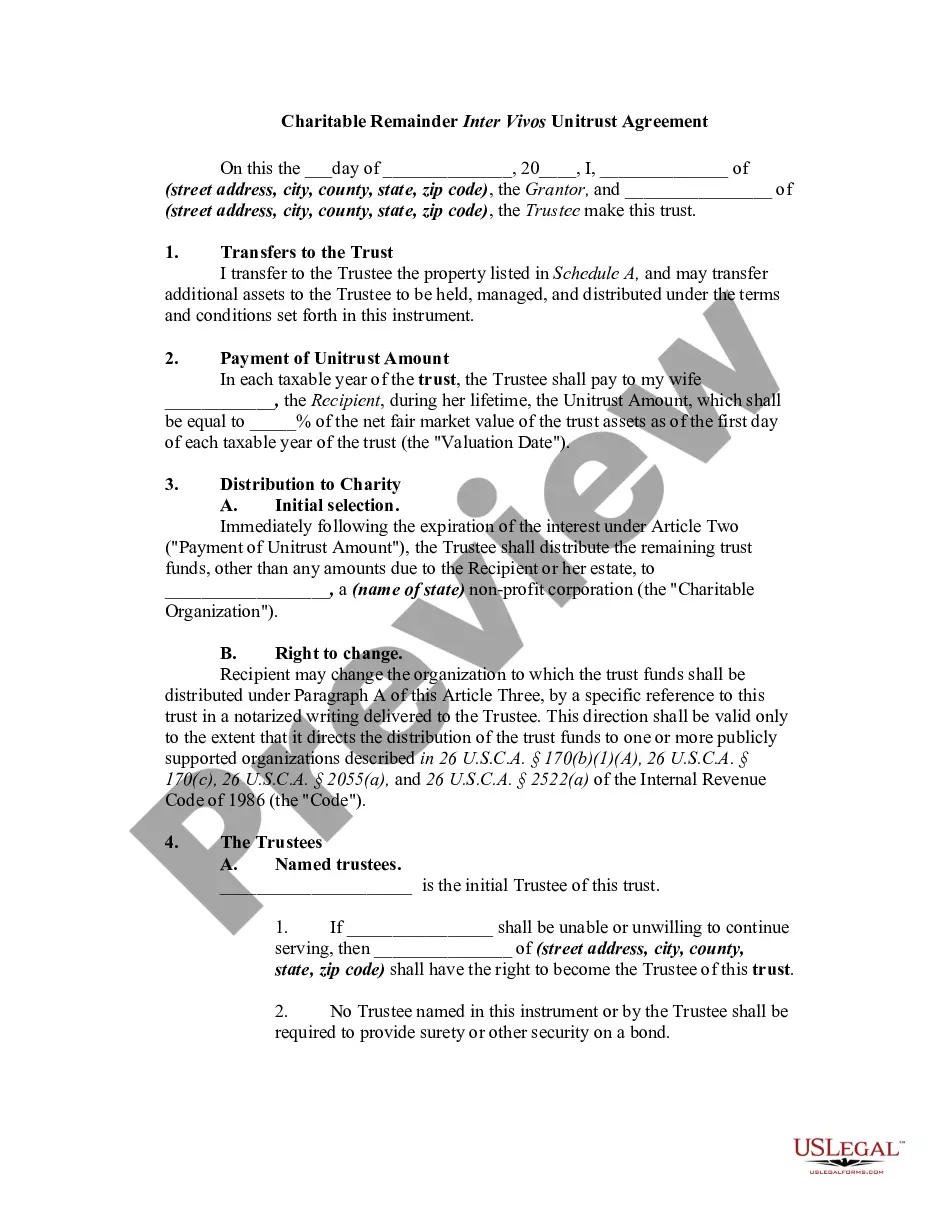
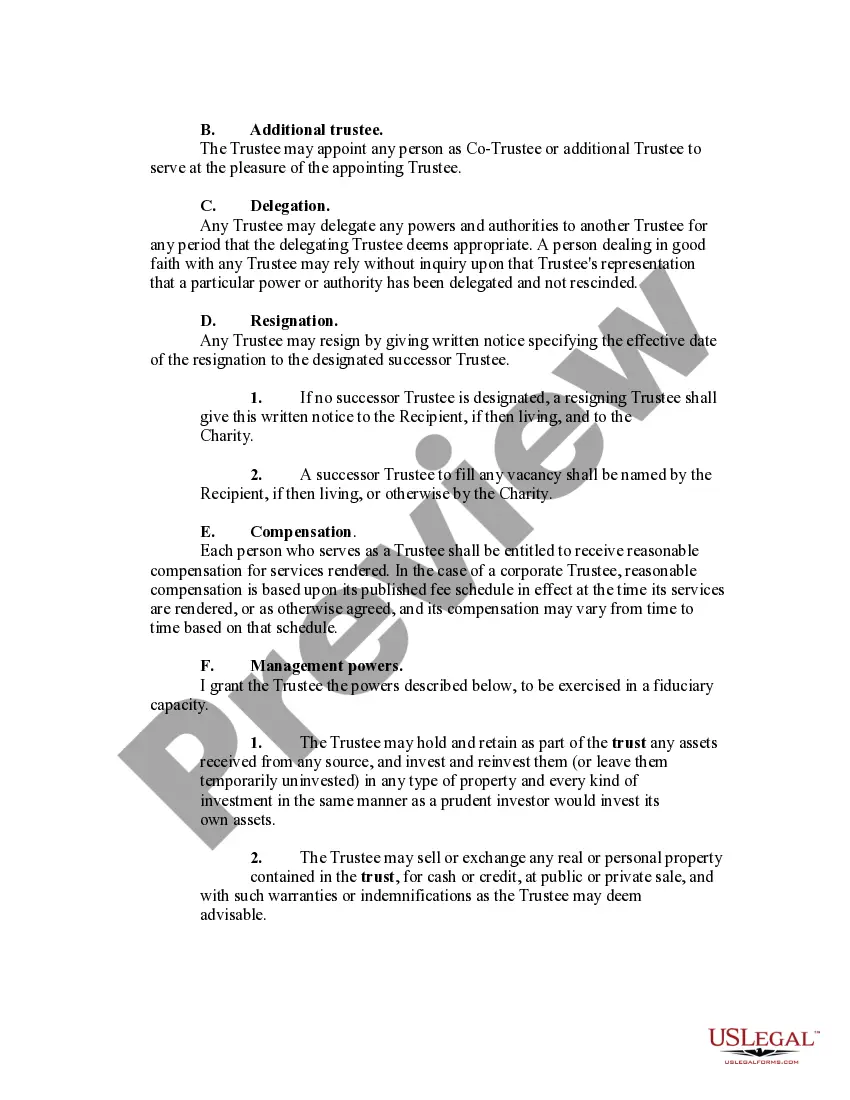
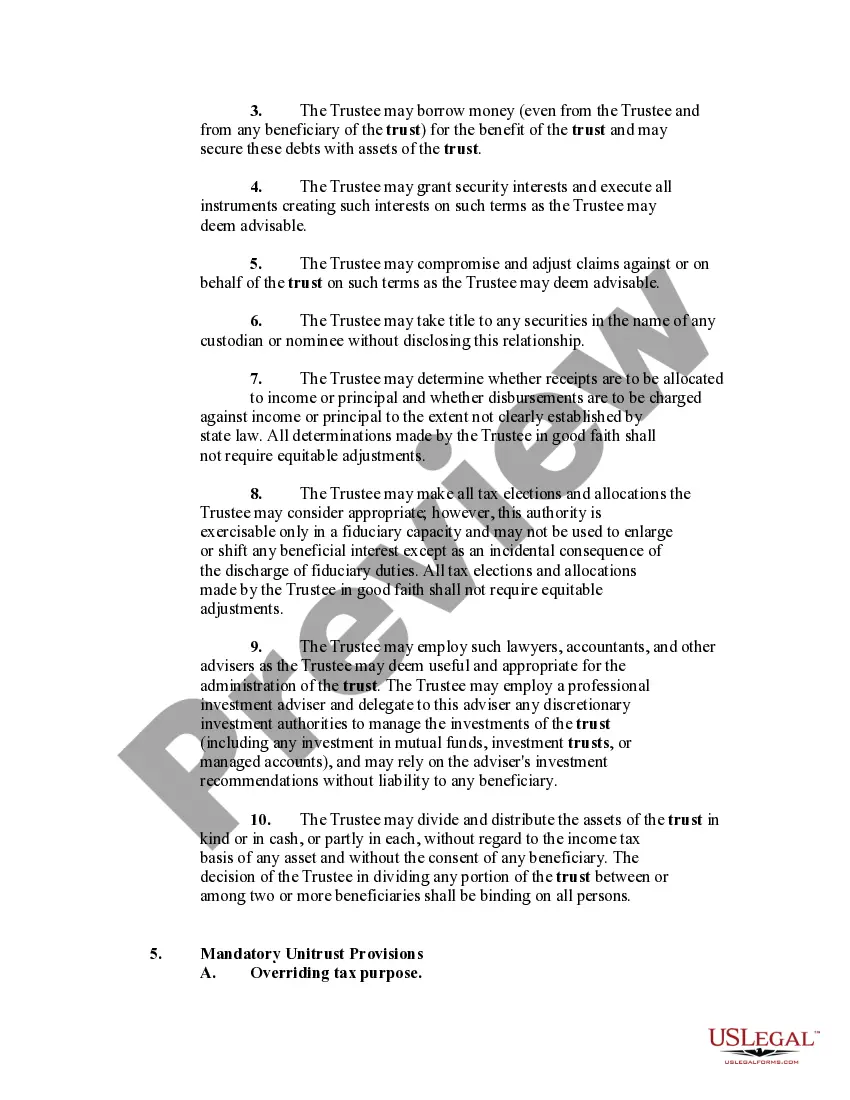
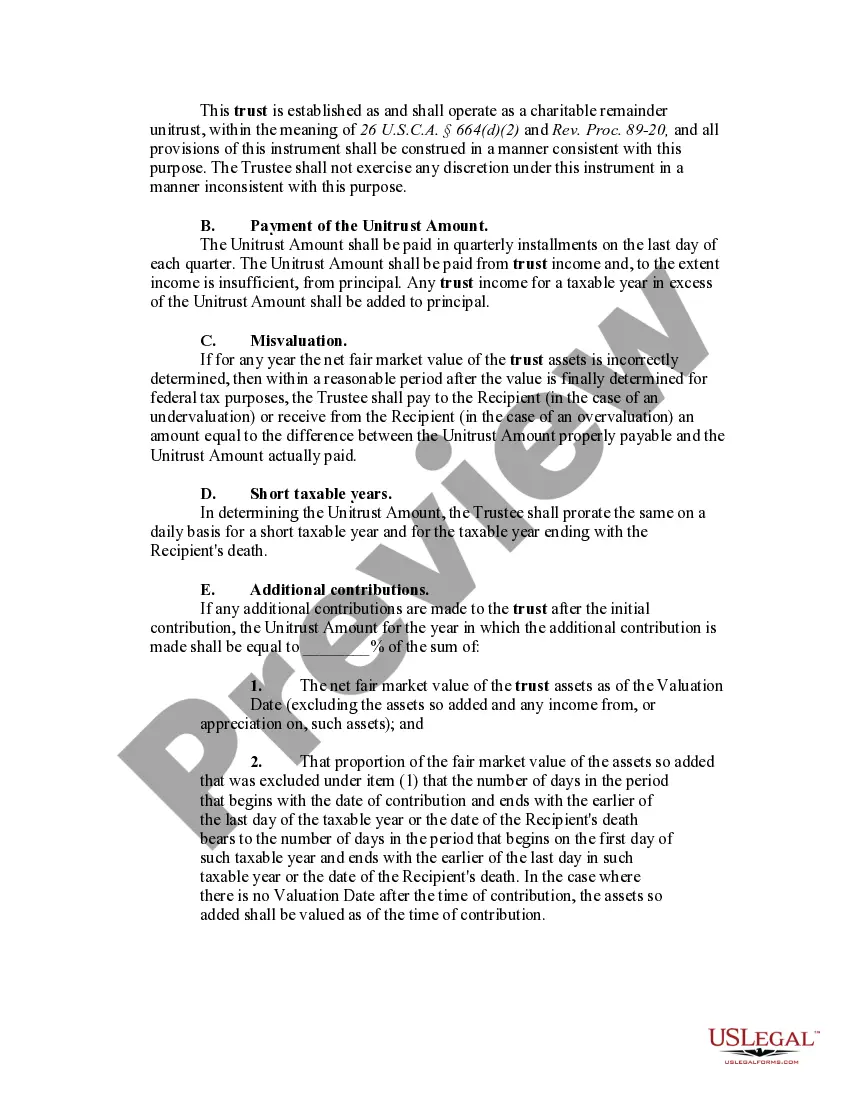
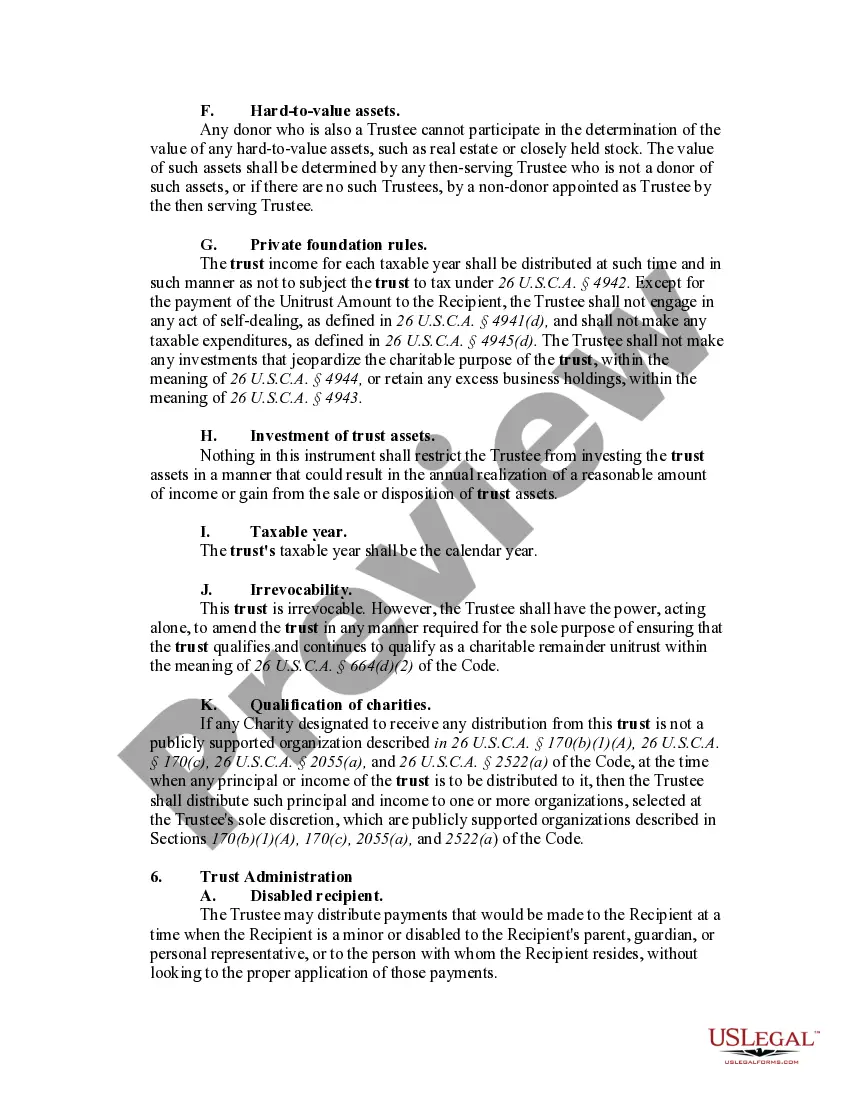
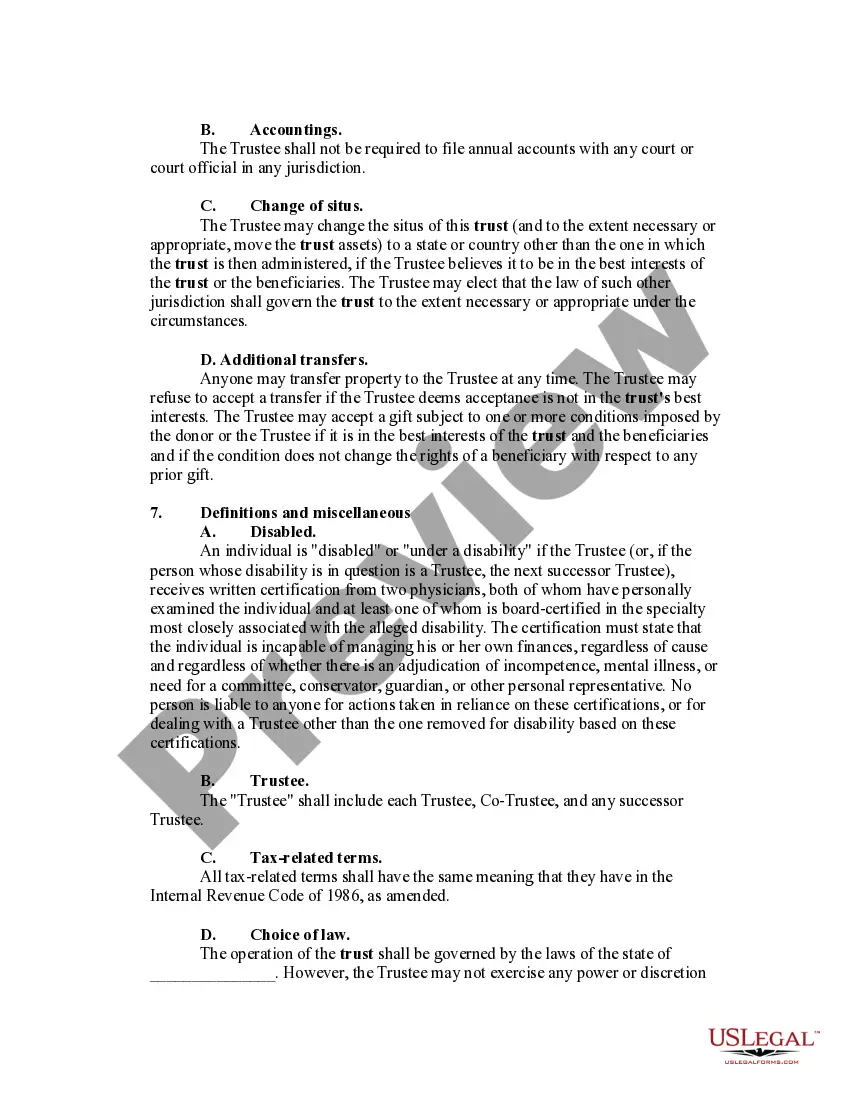
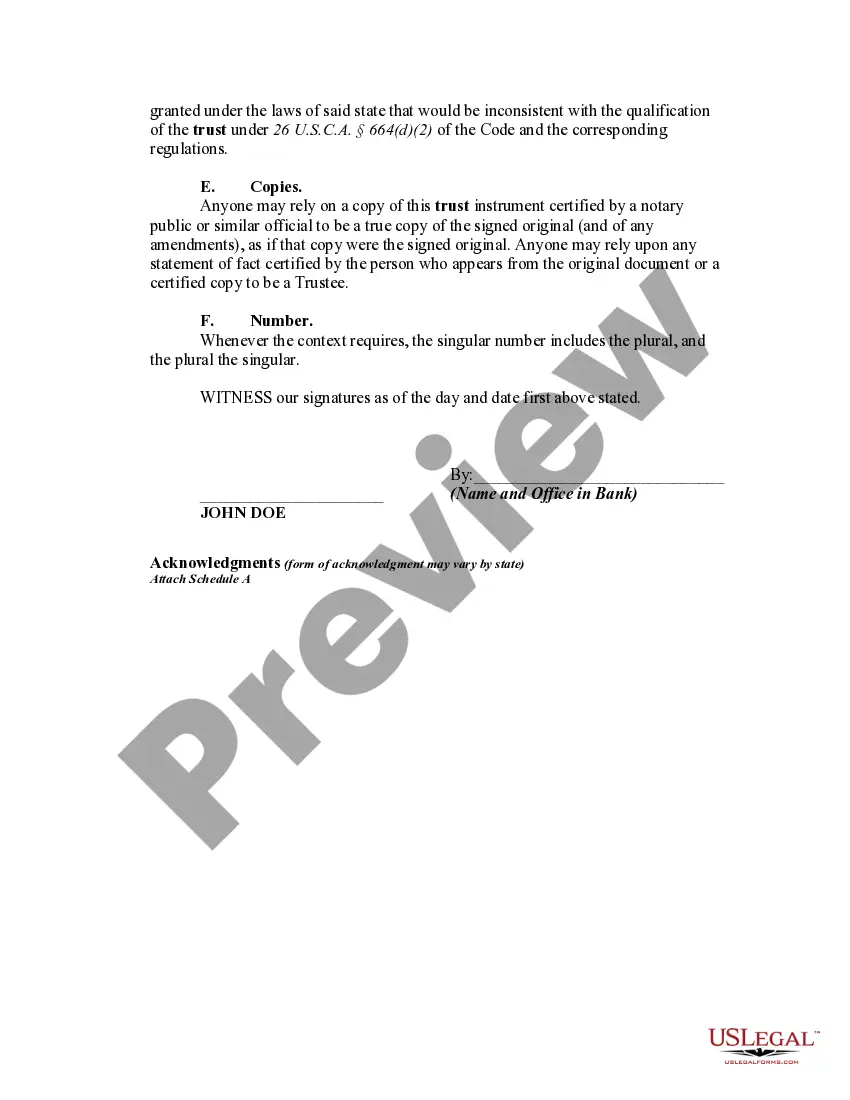
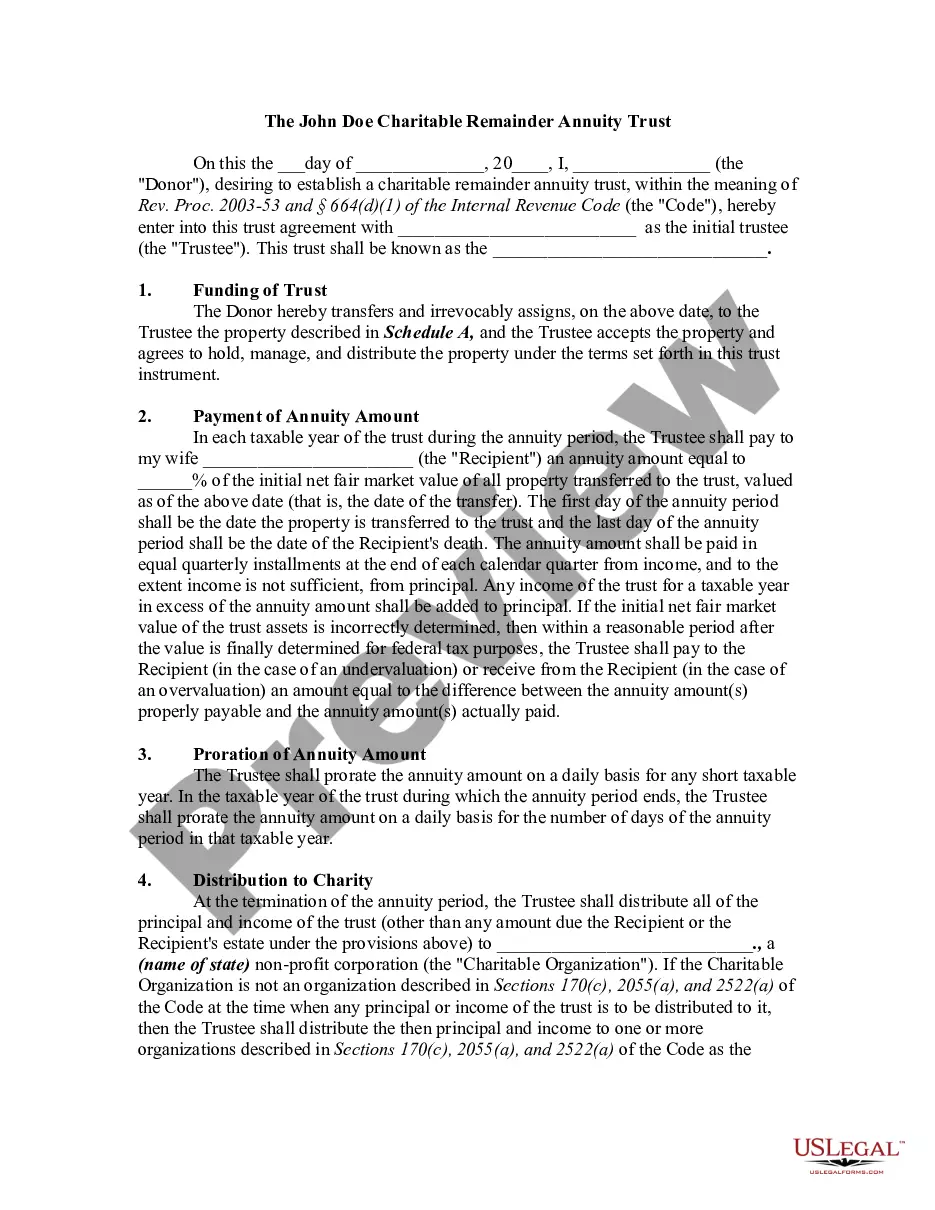
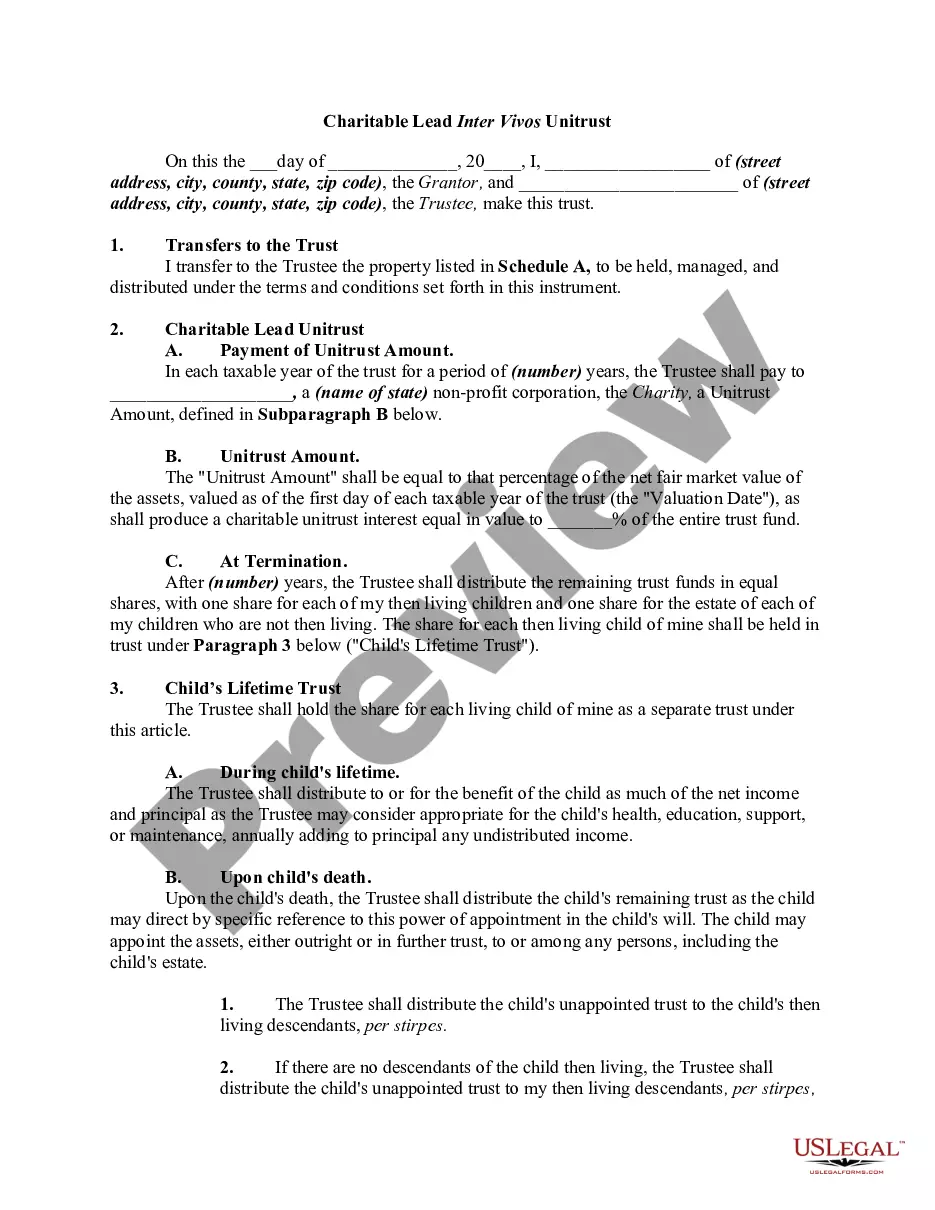
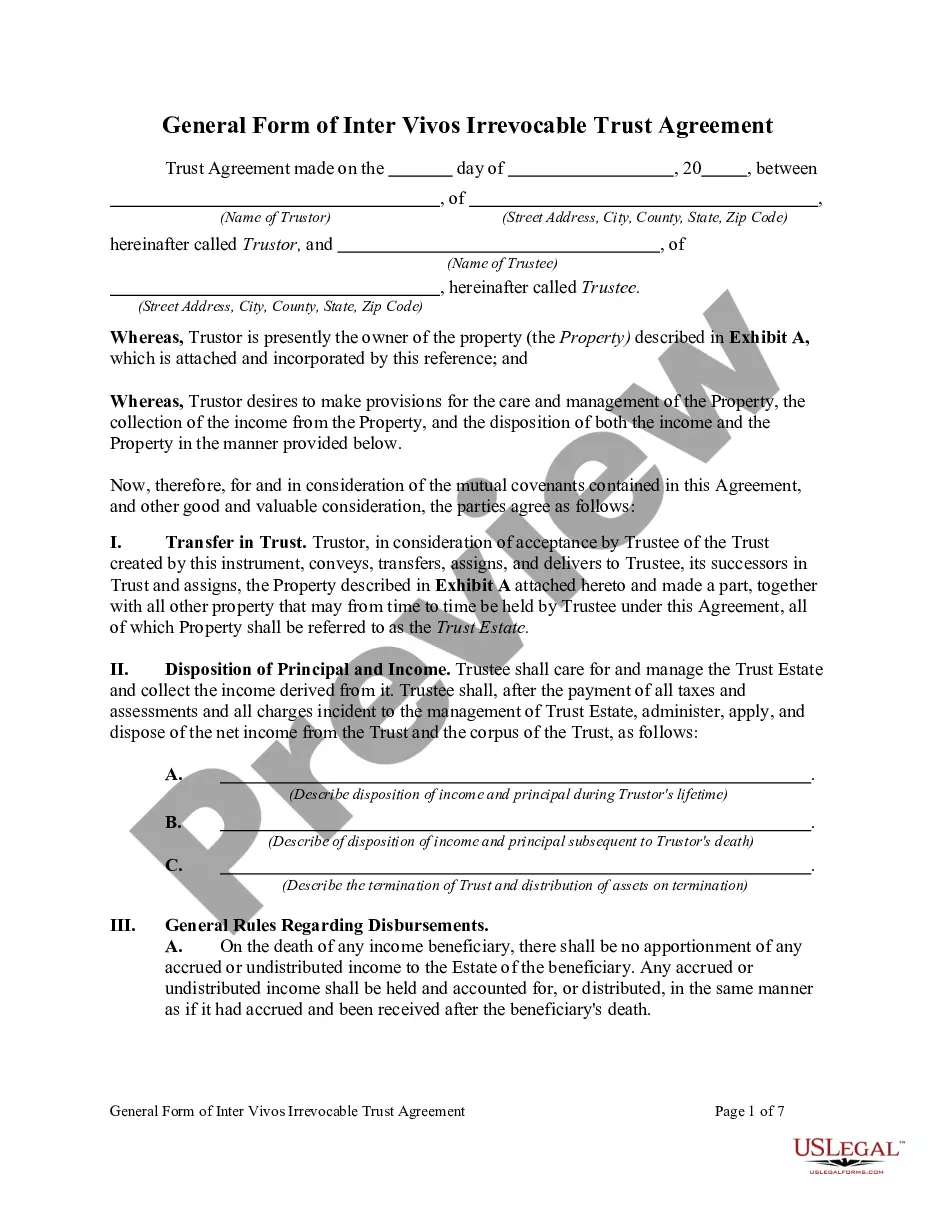
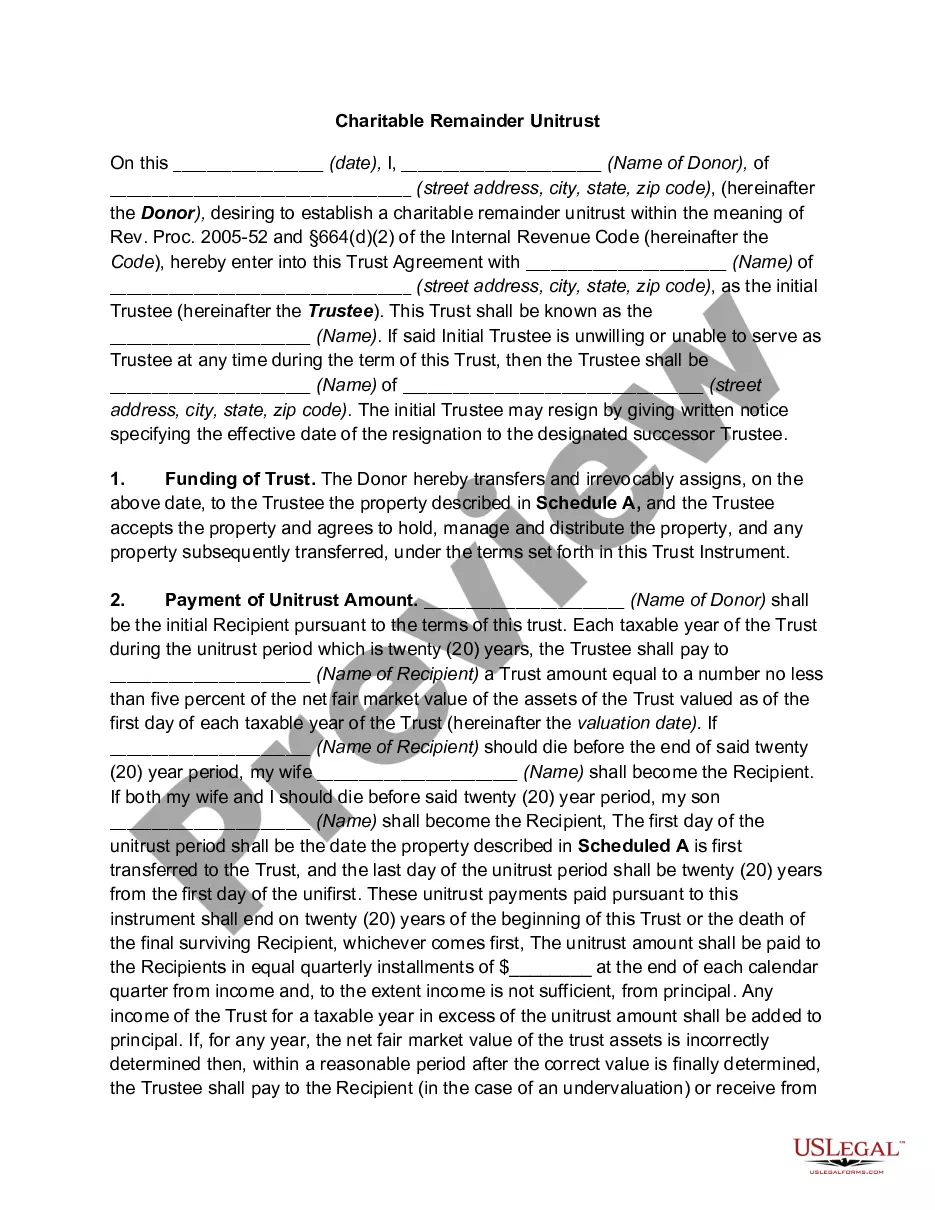
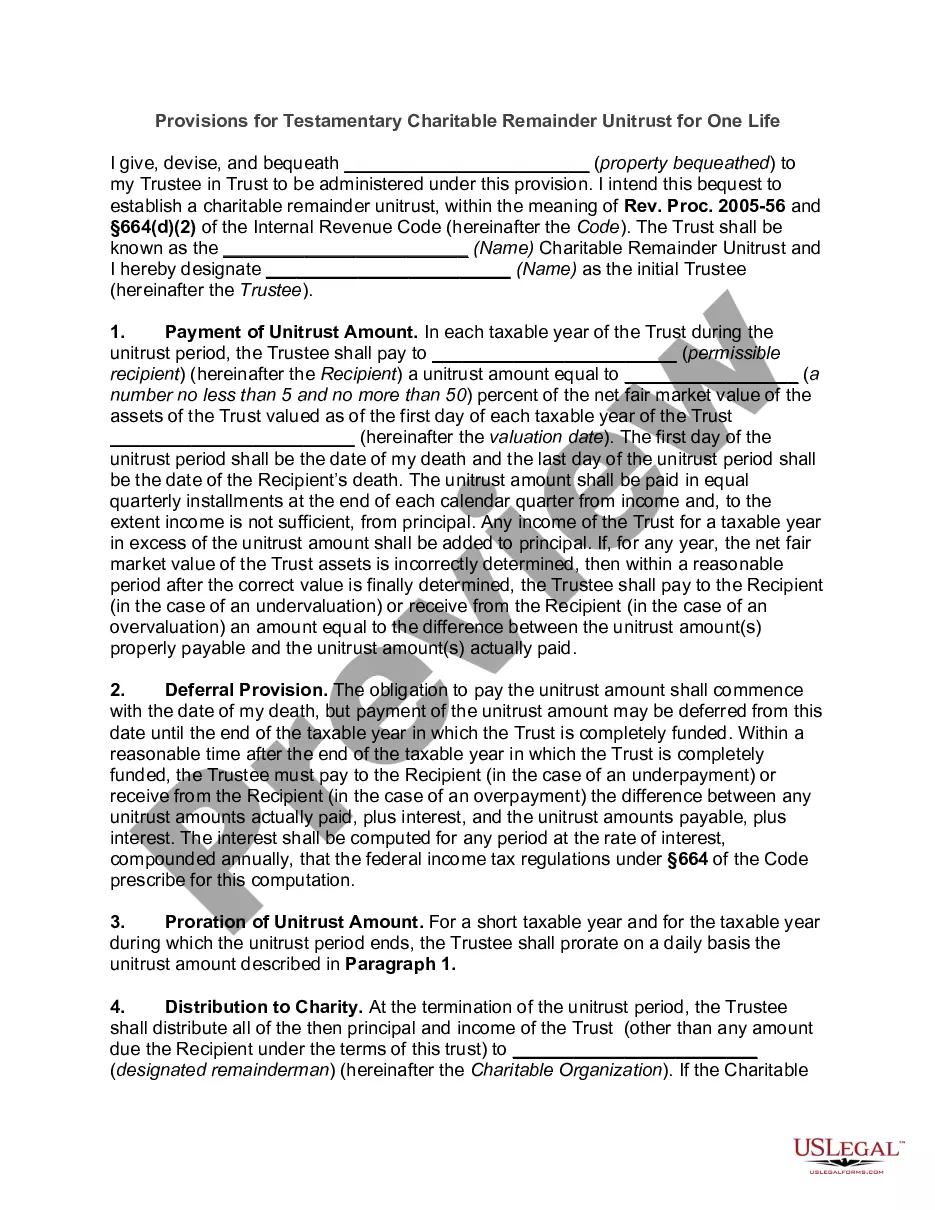
Get your form ready online
Our built-in tools help you complete, sign, share, and store your documents in one place.
Make edits, fill in missing information, and update formatting in US Legal Forms—just like you would in MS Word.
Download a copy, print it, send it by email, or mail it via USPS—whatever works best for your next step.
Sign and collect signatures with our SignNow integration. Send to multiple recipients, set reminders, and more. Go Premium to unlock E-Sign.
If this form requires notarization, complete it online through a secure video call—no need to meet a notary in person or wait for an appointment.
We protect your documents and personal data by following strict security and privacy standards.

Make edits, fill in missing information, and update formatting in US Legal Forms—just like you would in MS Word.

Download a copy, print it, send it by email, or mail it via USPS—whatever works best for your next step.

Sign and collect signatures with our SignNow integration. Send to multiple recipients, set reminders, and more. Go Premium to unlock E-Sign.

If this form requires notarization, complete it online through a secure video call—no need to meet a notary in person or wait for an appointment.

We protect your documents and personal data by following strict security and privacy standards.
Looking for another form?









How to fill out Charitable Remainder Inter Vivos Unitrust Agreement?
- If you're a returning user, log in to your account and directamente download your required form template by clicking the Download button. Verify your subscription is active and renew it if necessary.
- For first-time users, start by previewing available forms. Check the description to ensure the selected document matches your needs and adheres to your local jurisdiction.
- If you need a different template, utilize the Search feature to find a suitable form. Once you identify the correct document, proceed to the next step.
- Purchase the selected document by clicking the Buy Now button and select your preferred subscription plan. You'll need to create an account to access the resources.
- Complete your purchase by entering your payment details either via credit card or PayPal, confirming your subscription.
- Finally, download the form to save it on your device. You can access it later in the My Forms section of your profile.
Conclusion: By following these simple steps, you can effortlessly obtain your charitable remainder form trust for property through US Legal Forms. With a vast selection of legal documents at your fingertips, the platform empowers you to handle your legal needs confidently.
Start your journey today and experience the convenience of reliable legal forms.
Form popularity
FAQ
The inclusion of a trust in an estate largely depends on the type of trust and the control retained by the grantor. If you are creating a charitable remainder form trust to buy for the property, you should be aware of how your specific trust structure will affect estate inclusion. Working with professionals in estate planning helps navigate these complex issues efficiently.
A charitable remainder trust is typically not included in an estate if properly structured. However, certain conditions may change this status. When you explore the charitable remainder form trust buy for the property, a financial advisor can ensure that you meet all necessary criteria to benefit from this arrangement.
Charitable remainder unitrusts (CRUTs) may be included in the gross estate if the grantor retains certain rights or control. When forming a charitable remainder form trust to buy for the property, it is crucial to understand how asset control might affect estate inclusion. Consulting with legal experts can help clarify how these rules apply in your case.
Generally, a charitable remainder trust is not included in your estate as long as you have transferred assets into the trust. This can be beneficial if you are looking to maximize your charitable giving while reducing estate taxes. It is advisable to discuss your specific situation with a qualified advisor to ensure all regulations are followed properly.
To create a charitable remainder trust, you should first consult with a financial advisor or legal professional. They will guide you through the necessary steps to establish a charitable remainder form trust to buy for the property, ensuring all legal and tax requirements are met. This process typically involves drafting the trust document and funding the trust with your chosen assets.
Yes, trusts can be included in the gross estate depending on the circumstances. If you are considering a charitable remainder form trust buy for the property, it’s essential to understand how trusts can impact your estate. Certain types of trusts may be excluded or included based on your ownership and control over the trust assets.
Yes, you can create your own charitable remainder trust, allowing you to structure it according to your preferences and goals. However, it is important to ensure compliance with IRS requirements and legal standards, which can be accomplished with resources from uslegalforms. This way, you can confidently establish a charitable remainder form trust buy for the property that aligns with your financial and philanthropic vision.
Creating a charitable remainder trust involves several steps, including choosing the type of trust, identifying your charitable beneficiaries, and drafting the trust document. You can benefit from the guidance of platforms like uslegalforms to navigate the legal requirements for a charitable remainder form trust buy for the property. Once established, fund the trust and outline the terms for income distribution as well as the future charitable donations.
Yes, you can place a house in a charitable remainder trust. This option allows you to generate income from the property while also benefiting a charitable organization in the future. Utilizing a charitable remainder form trust buy for the property can provide you with tax deductions, while also allowing you to enjoy income from the property during your lifetime.
Yes, you can manage your own charitable remainder trust if you designate yourself as the trustee. This allows you to control assets, make investment decisions, and distribute income, all while adhering to relevant laws. However, consider seeking advice on the specifics of a charitable remainder form trust buy for the property to ensure compliance with regulations and to achieve your charitable and financial goals.