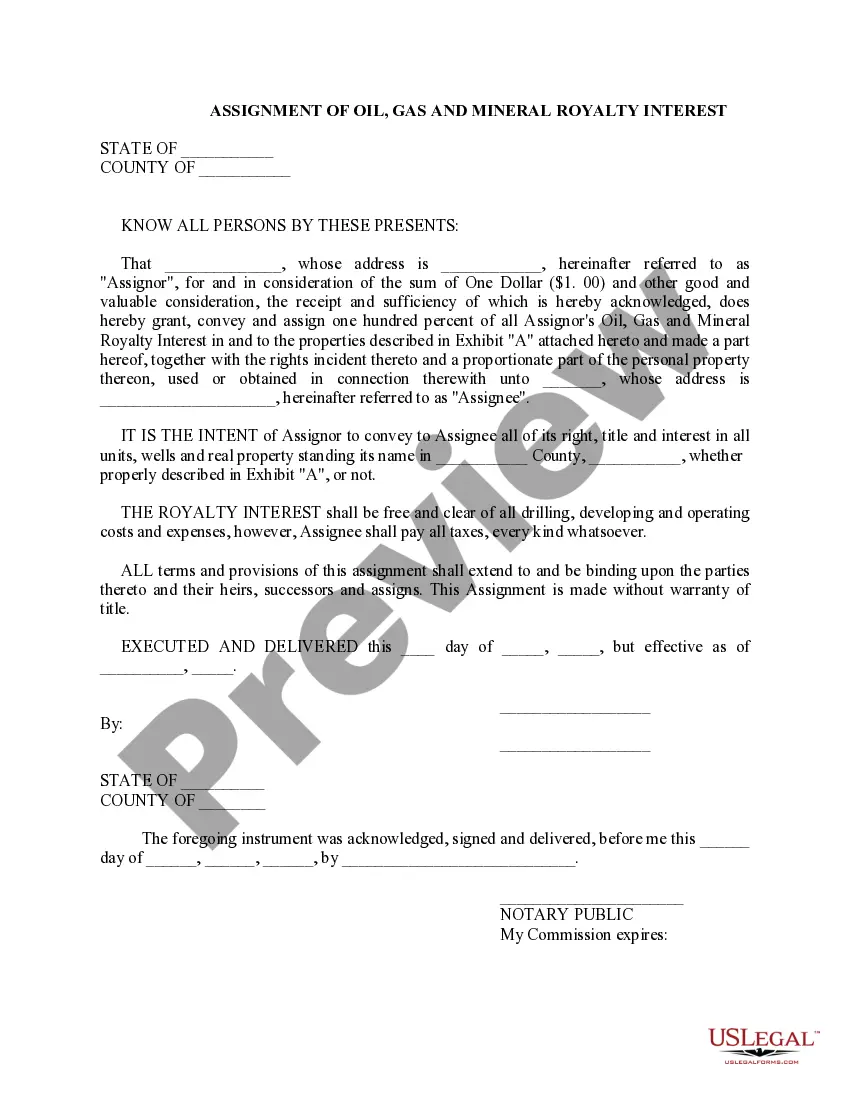
Oil Royalty
Description
Get your form ready online
Our built-in tools help you complete, sign, share, and store your documents in one place.
Make edits, fill in missing information, and update formatting in US Legal Forms—just like you would in MS Word.
Download a copy, print it, send it by email, or mail it via USPS—whatever works best for your next step.
Sign and collect signatures with our SignNow integration. Send to multiple recipients, set reminders, and more. Go Premium to unlock E-Sign.
If this form requires notarization, complete it online through a secure video call—no need to meet a notary in person or wait for an appointment.
We protect your documents and personal data by following strict security and privacy standards.

Make edits, fill in missing information, and update formatting in US Legal Forms—just like you would in MS Word.

Download a copy, print it, send it by email, or mail it via USPS—whatever works best for your next step.

Sign and collect signatures with our SignNow integration. Send to multiple recipients, set reminders, and more. Go Premium to unlock E-Sign.

If this form requires notarization, complete it online through a secure video call—no need to meet a notary in person or wait for an appointment.

We protect your documents and personal data by following strict security and privacy standards.
Looking for another form?

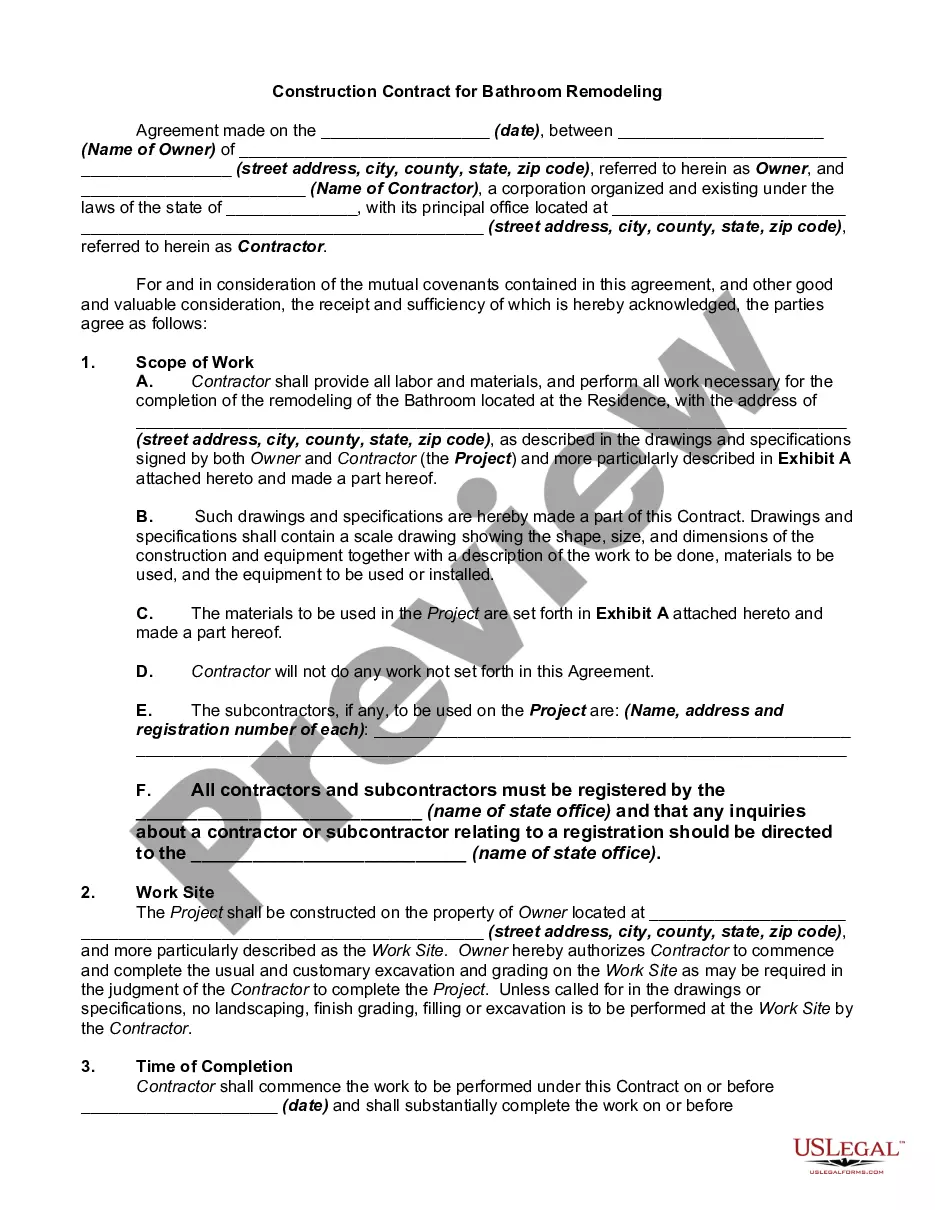
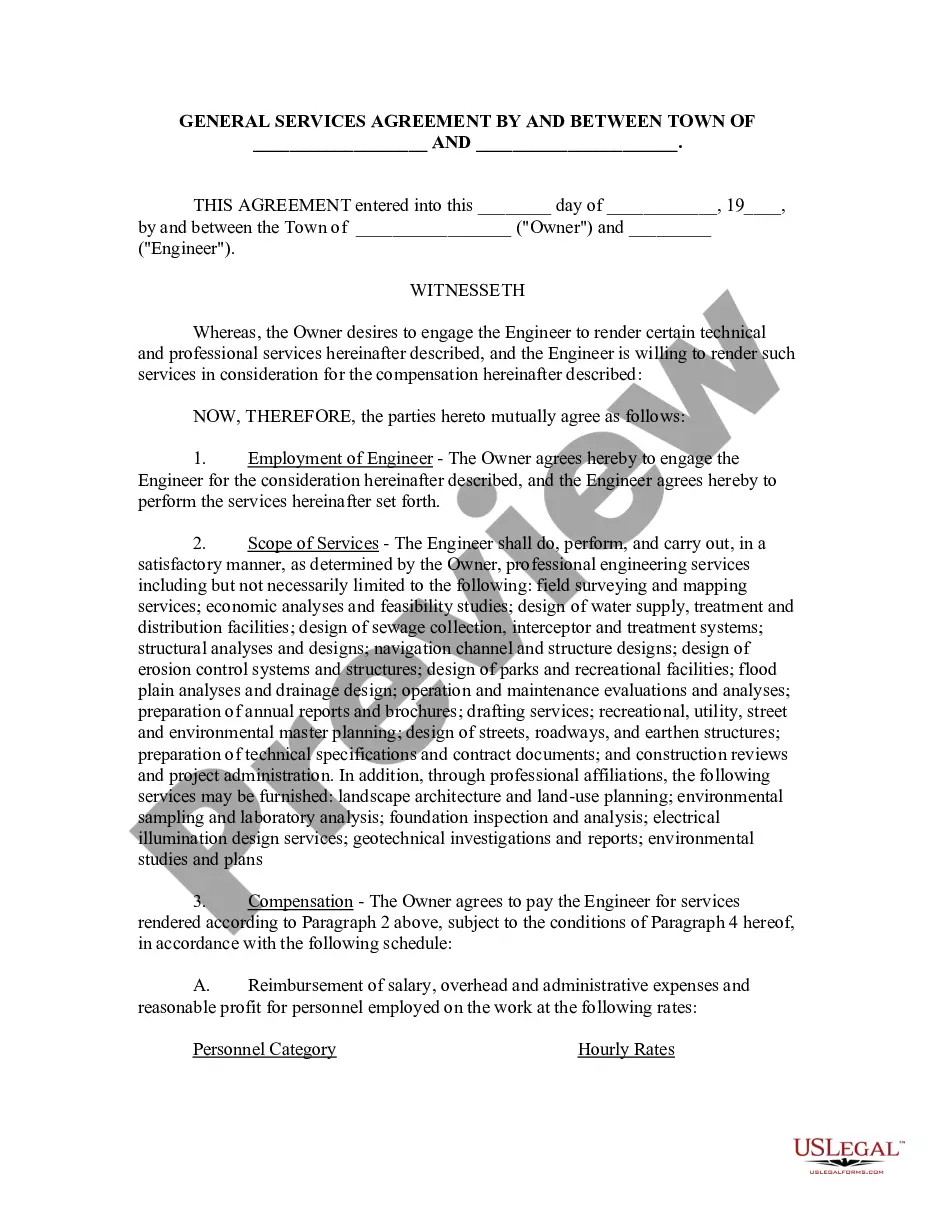




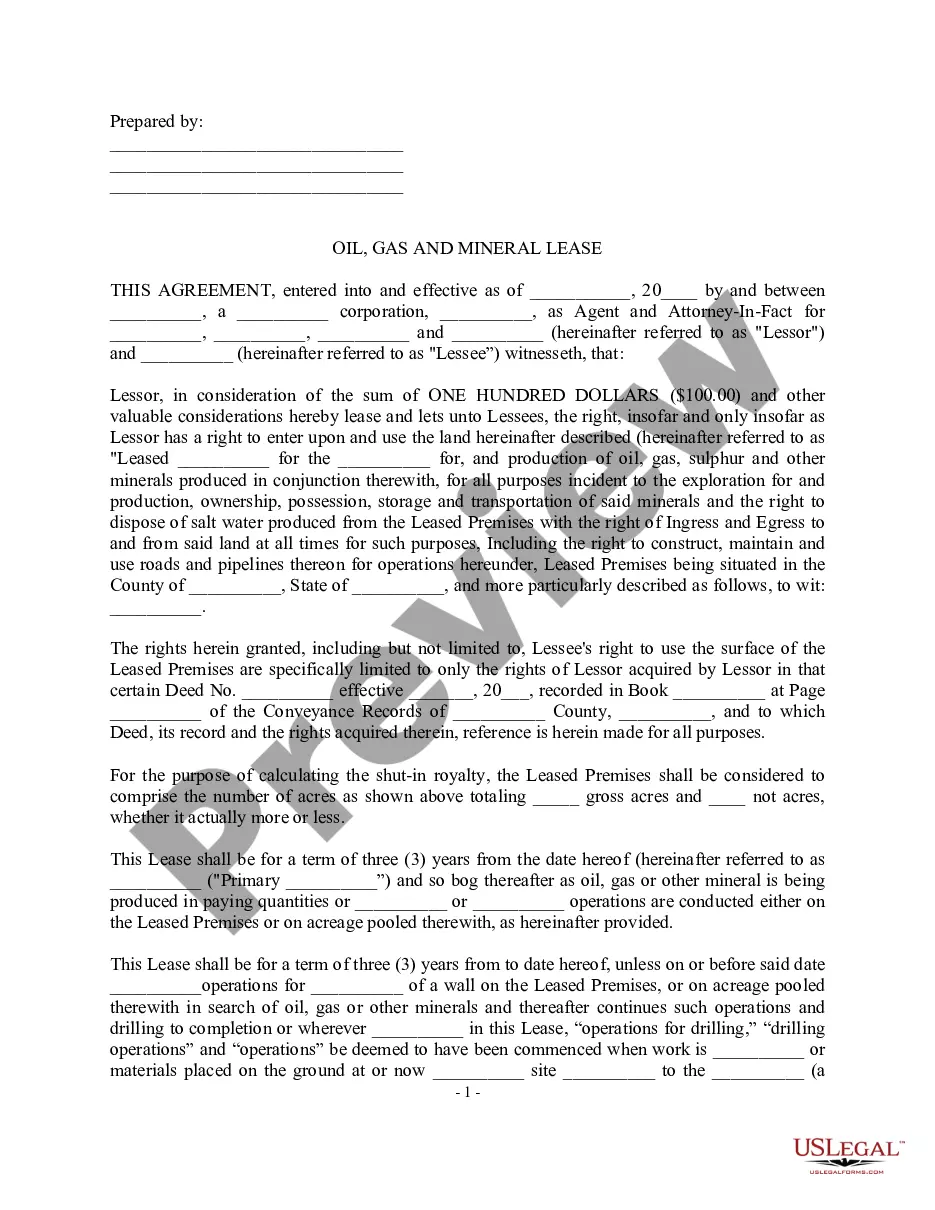
How to fill out Oil, Gas And Mineral Royalty Transfer?
- If you're a returning user, sign in to your account to download your required template directly from the Download section. Ensure your subscription is current, or renew if necessary.
- Review the form description in Preview mode to confirm it aligns with your jurisdiction's requirements and meets your needs.
- Utilize the Search option to find alternative templates if the selected one does not meet your criteria. Proceed if it fits your requirements.
- Purchase the document by clicking the Buy Now button. You'll need to choose a subscription plan and create an account for library access.
- Complete your transaction by entering your credit card details or using your PayPal account to finalize your subscription.
- Download your form to your device, enabling easy completion and future access through the My Forms section of your account.
With US Legal Forms, individuals and legal professionals can swiftly prepare essential legal documents without hassle. The extensive library, featuring over 85,000 customizable forms, ensures that you find exactly what you need.
Empower yourself with the right legal tools today. Start your journey with US Legal Forms and ensure your oil royalty agreements are precise and compliant.
Form popularity
FAQ
To obtain oil royalties, you generally need to own land with potential oil reserves. You can lease your land to an oil company, which provides you with a share of the revenue generated. Additionally, investing in oil well partnerships or purchasing mineral rights can also lead to royalty payments. Explore options with US Legal Forms to ensure your contracts are well-structured and beneficial.
The easiest way to receive oil royalties is by leasing your land for oil exploration and extraction. Companies are often eager to secure drilling rights, and in return, you get a percentage of the profits. Finding a reputable energy company can streamline this process, ensuring you receive fair and timely payments. US Legal Forms can assist in creating necessary agreements to facilitate this arrangement.
Reporting oil royalties is essential for tax purposes. You typically receive a 1099 form from the company that pays you royalties. It's important to keep detailed records of your income and expenses related to oil royalties. Using tools and resources from US Legal Forms can help you navigate this process smoothly.
Claiming oil royalties on your taxes involves reporting the income you receive from these checks on your tax return. It is important to keep accurate records of all payments you receive. Additionally, you may be eligible for certain deductions related to oil production expenses. Seeking advice from a tax professional can ensure you maximize your benefits and remain compliant with tax regulations regarding oil royalties.
The amount of oil royalty checks can vary significantly and depends on several factors, including production rates and the terms of your lease. While some landowners receive checks worth thousands each month, others may only see modest payments. It's essential to monitor production levels and market prices to anticipate your potential earnings. Consulting professionals can help you understand what to expect from your oil royalty payments.
Most people receive royalty checks for oil on a regular schedule, usually quarterly. This timing allows oil companies to calculate production accurately and distribute payments accordingly. However, some factors, such as the specific oil lease or production levels, can influence the exact timing. Ensuring you understand your lease agreement can clarify this aspect.
To find oil royalties, start by reviewing your property deeds and agreements with oil companies. These documents often detail your rights and any existing royalty arrangements. You can also contact oil companies directly to inquire about your share in production. If you're unsure, using services like USLegalForms can help you navigate the legal documents related to oil royalties.
You typically receive oil royalty checks on a quarterly basis. This means that every three months, you can expect payments based on the oil production from your land. The frequency may vary slightly depending on the oil company and production rates, but quarterly payments are common. Regular checks can provide a reliable income stream for landowners.
To receive royalties from oil and gas, consider leasing your land to energy companies or participating in joint ventures. Once you have a lease, you can negotiate the royalty rate, which usually ranges between 12.5% and 25%. Using platforms like US Legal Forms can simplify the process of drafting agreements and understanding legal terminology, ensuring you secure the best possible deal.
To calculate oil royalties effectively, start by identifying the total volume of oil extracted and the percentage defined in your lease. Multiply the total volume by this percentage to find your royalty income. This method ensures you receive appropriate compensation for the oil extracted from your land.