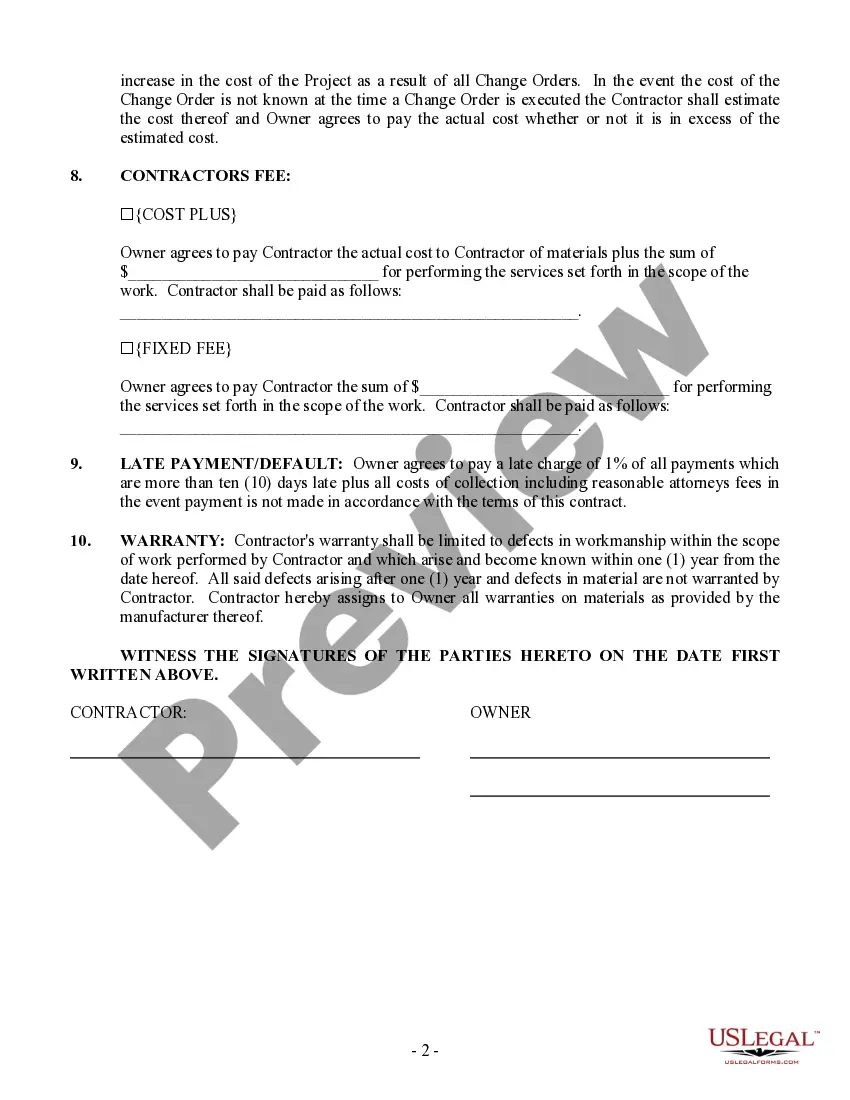
Contract Cost Plus Form With Example In Wake
Description

Get your form ready online
Our built-in tools help you complete, sign, share, and store your documents in one place.
Make edits, fill in missing information, and update formatting in US Legal Forms—just like you would in MS Word.
Download a copy, print it, send it by email, or mail it via USPS—whatever works best for your next step.
Sign and collect signatures with our SignNow integration. Send to multiple recipients, set reminders, and more. Go Premium to unlock E-Sign.
If this form requires notarization, complete it online through a secure video call—no need to meet a notary in person or wait for an appointment.
We protect your documents and personal data by following strict security and privacy standards.

Make edits, fill in missing information, and update formatting in US Legal Forms—just like you would in MS Word.

Download a copy, print it, send it by email, or mail it via USPS—whatever works best for your next step.

Sign and collect signatures with our SignNow integration. Send to multiple recipients, set reminders, and more. Go Premium to unlock E-Sign.

If this form requires notarization, complete it online through a secure video call—no need to meet a notary in person or wait for an appointment.

We protect your documents and personal data by following strict security and privacy standards.
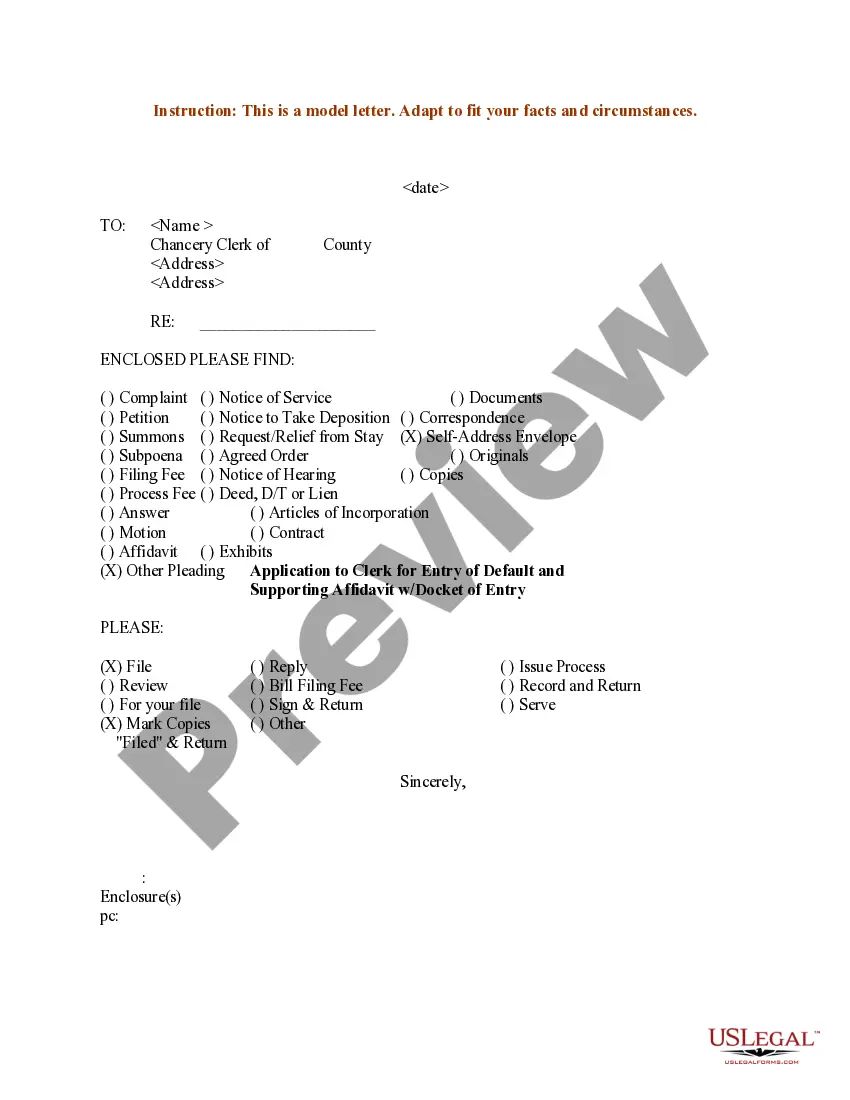
Looking for another form?




Form popularity
FAQ
Examples of Contract Costing A bridge is needed over a river at a particular site, and a client gives a contractor this assignment. A contractor opens separate accounts for each contract and numbers them separately to identify any profit or loss made at each contract.
Examples: Direct Labor Costs: Wages of employees working directly on the contract. Direct Materials: Supplies used specifically for the contract. Allocated Costs: Costs of contract management, supervision, and depreciation of equipment used for the contract.
Job costing is when a firm makes custom products or services for each customer. Process costing is when a business makes lots of the same product, like in a factory. Contract costing is when a company works on a specific project for a customer.
A contract account is an accounting tool used to track financial transactions, such as revenue and expenses, for reporting and budgeting purposes. It helps a business better understand and report direct costs, which are expenses specifically attributable to the project, in an efficient and transparent manner.
