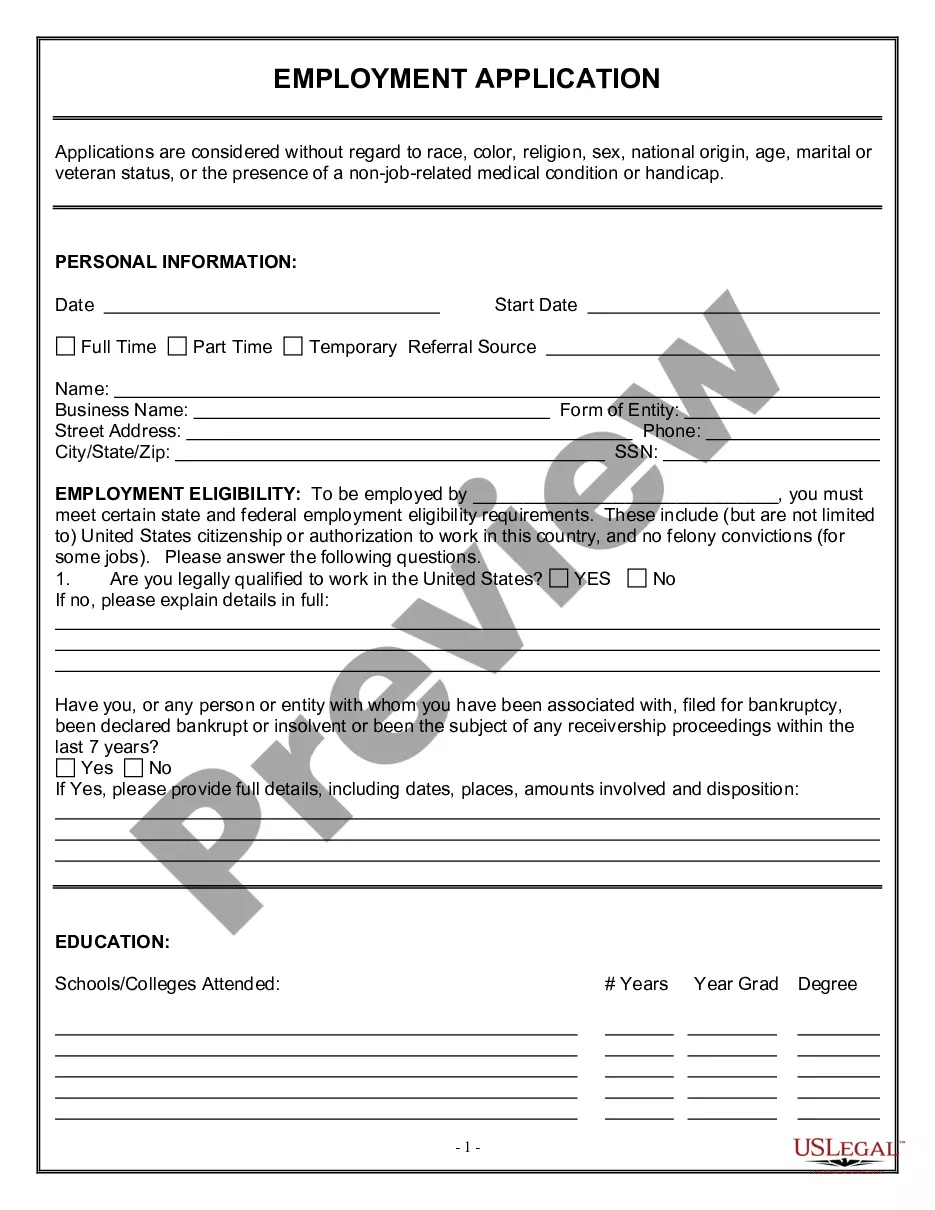
Employment Agreement With Severance Clause In Ohio
Description
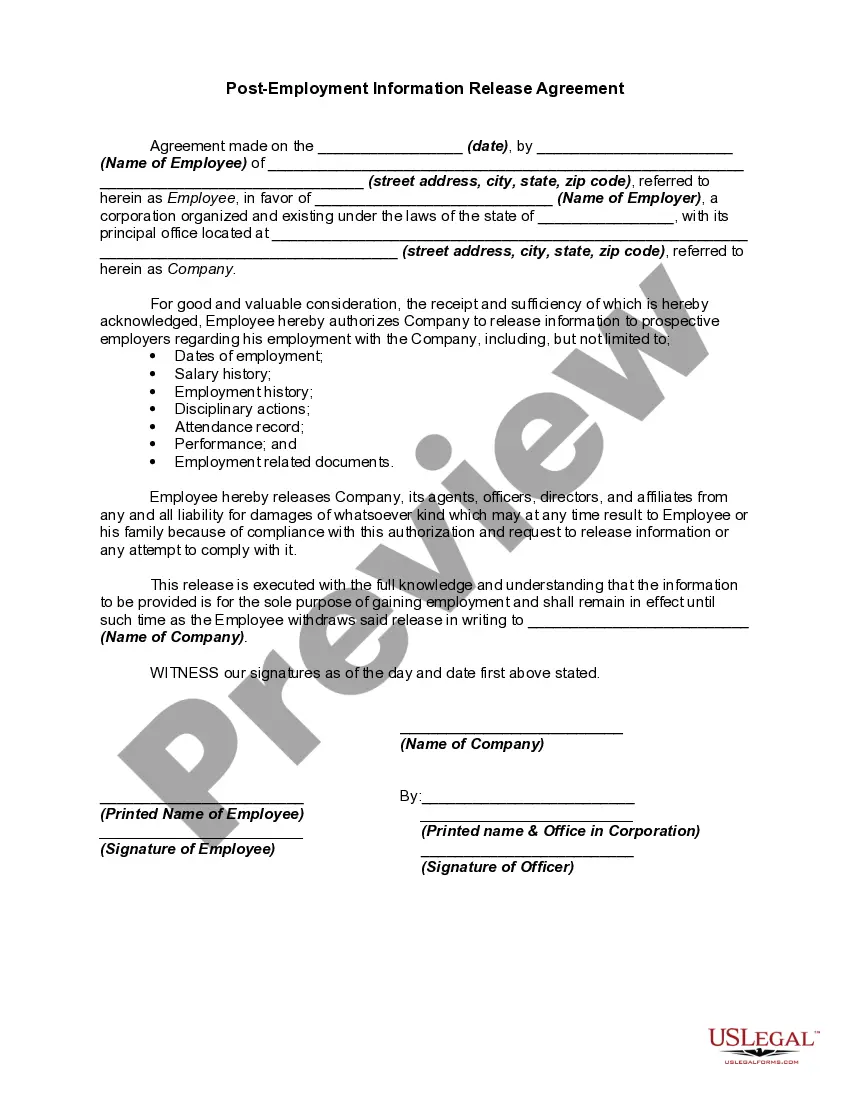
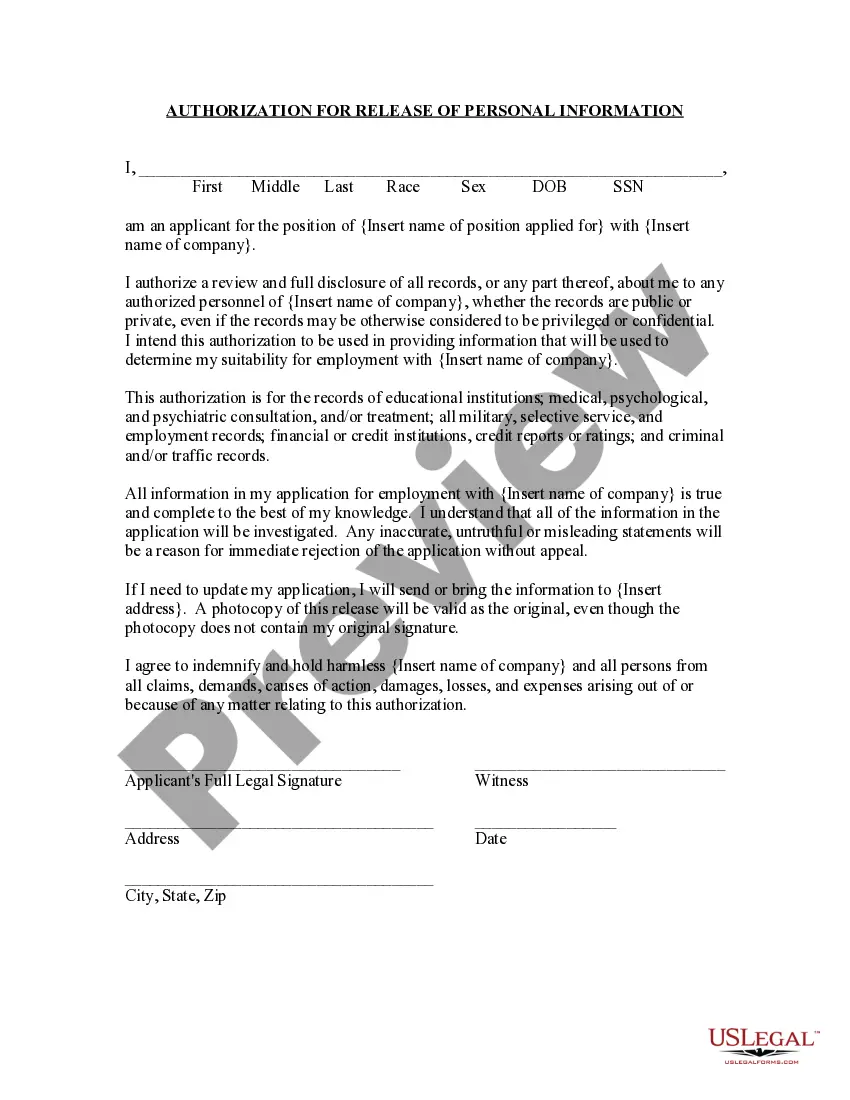
Get your form ready online
Our built-in tools help you complete, sign, share, and store your documents in one place.
Make edits, fill in missing information, and update formatting in US Legal Forms—just like you would in MS Word.
Download a copy, print it, send it by email, or mail it via USPS—whatever works best for your next step.
Sign and collect signatures with our SignNow integration. Send to multiple recipients, set reminders, and more. Go Premium to unlock E-Sign.
If this form requires notarization, complete it online through a secure video call—no need to meet a notary in person or wait for an appointment.
We protect your documents and personal data by following strict security and privacy standards.

Make edits, fill in missing information, and update formatting in US Legal Forms—just like you would in MS Word.

Download a copy, print it, send it by email, or mail it via USPS—whatever works best for your next step.

Sign and collect signatures with our SignNow integration. Send to multiple recipients, set reminders, and more. Go Premium to unlock E-Sign.

If this form requires notarization, complete it online through a secure video call—no need to meet a notary in person or wait for an appointment.

We protect your documents and personal data by following strict security and privacy standards.
Looking for another form?


Form popularity
FAQ
How to Structure a Severance Agreement Determine Eligibility: Decide which employees will be offered a severance agreement based on company policy or specific circumstances. Consult Legal Counsel: Work with an attorney to draft the agreement to ensure compliance with federal and state laws.
While employers are not legally required to offer severance packages in Ohio, many choose to do so for a smooth transition and to mitigate potential legal disputes.
During negotiations, emphasize your contributions to the company. Highlight your achievements, skills, and the value you brought to your role. Demonstrating your positive impact can strengthen your position and make a case for more favorable severance terms.
We've put together some tips to help you ensure that salary negotiations start on the right foot. Set the tone with the right subject line. Start off with a good greeting. Express your gratitude. Clearly state what you want. Give a justification. Add other negotiables. Sign off positively.
Keep it professional. Use business reasons, such as your performance record or time with the company, when negotiating the terms of your severance package rather than personal details, such as having a baby or buying a house. Be wary of non-compete clauses.
First you can simply ask. The offer of severance is not a legal obligation. It is an attempt by the employer to assure that you will never make any claims against it. Some times simply asking for more can trigger a discussion, but do not count on it. Especially in a RIF where many people are involved.
Some common disqualifying reasons include: Voluntary Quit: If you quit your job without good cause, you might be disqualified from receiving benefits. Terminated Due to Misconduct: If you were fired due to dishonesty, violation of company policy, or other forms of misconduct, you may be denied benefits.
“If any term of this Agreement is to any extent invalid, illegal, or incapable of being enforced, such term shall be excluded to the extent of such invalidity, illegality, or unenforceability; all other terms hereof shall remain in full force and effect.”
Here is an example of a termination clause: “Party A and Party B have the right to terminate the Contract under material breach, change in circumstances, insolvency, and mutual agreement. To terminate the Contract, the terminating party must provide 30 days of written notice to the other party.