Confidentiality Agreement Form Template For Therapists In Franklin
Description

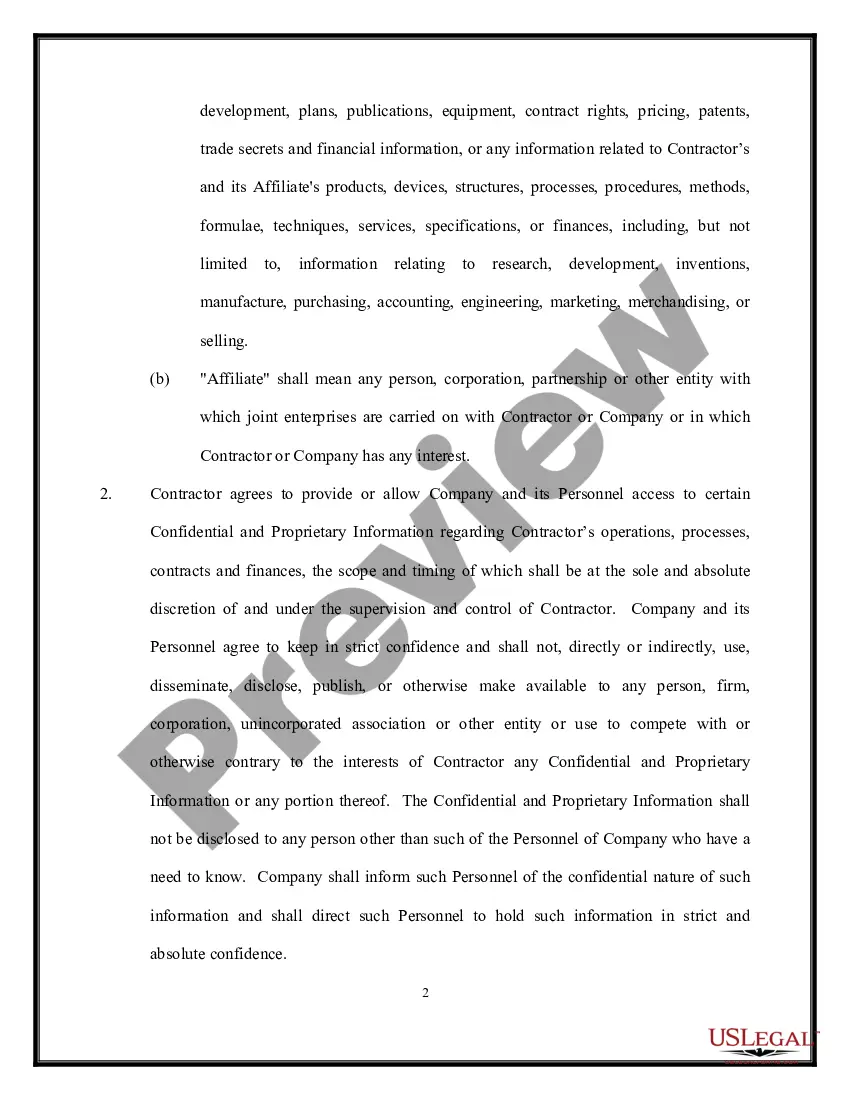
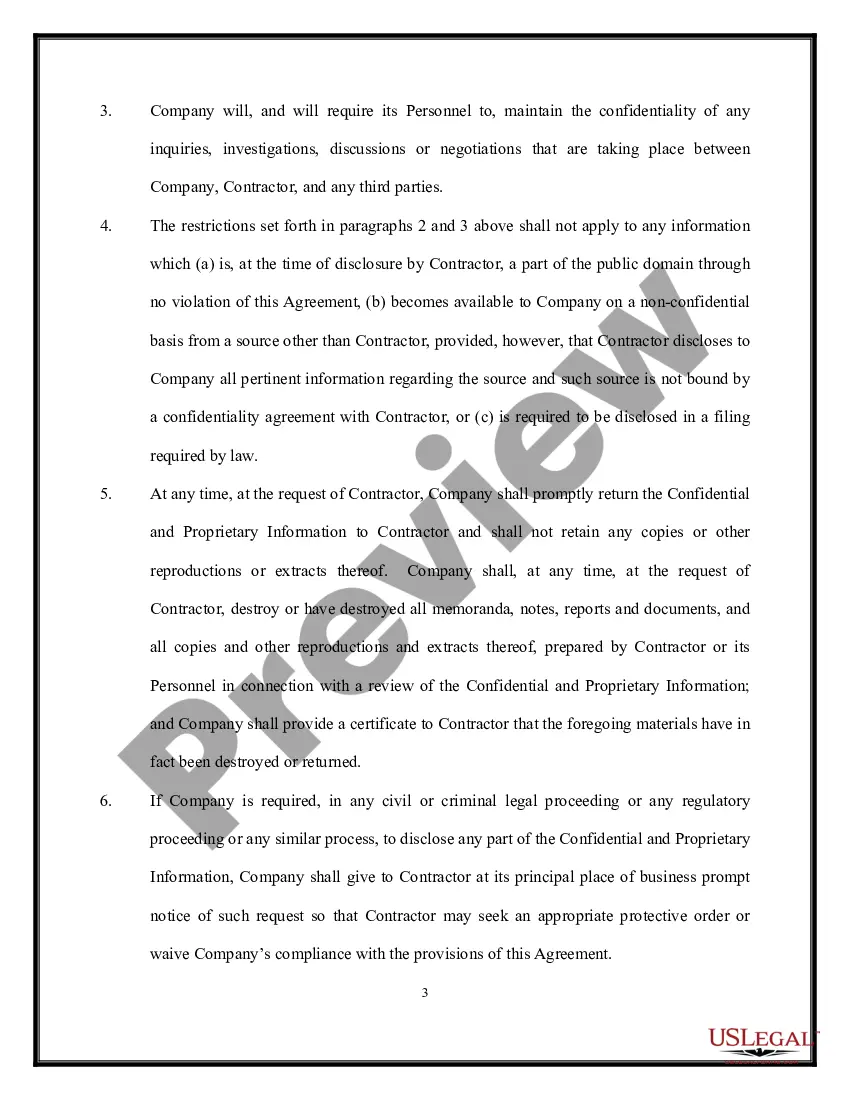
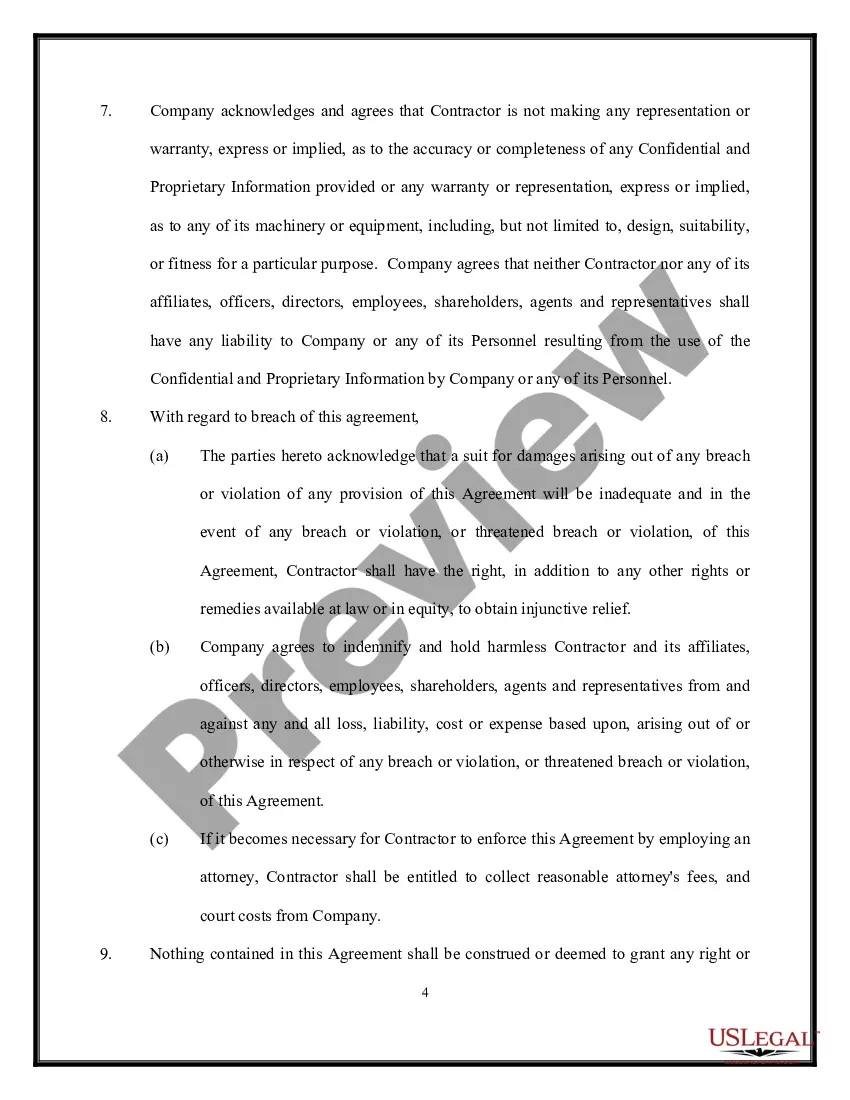
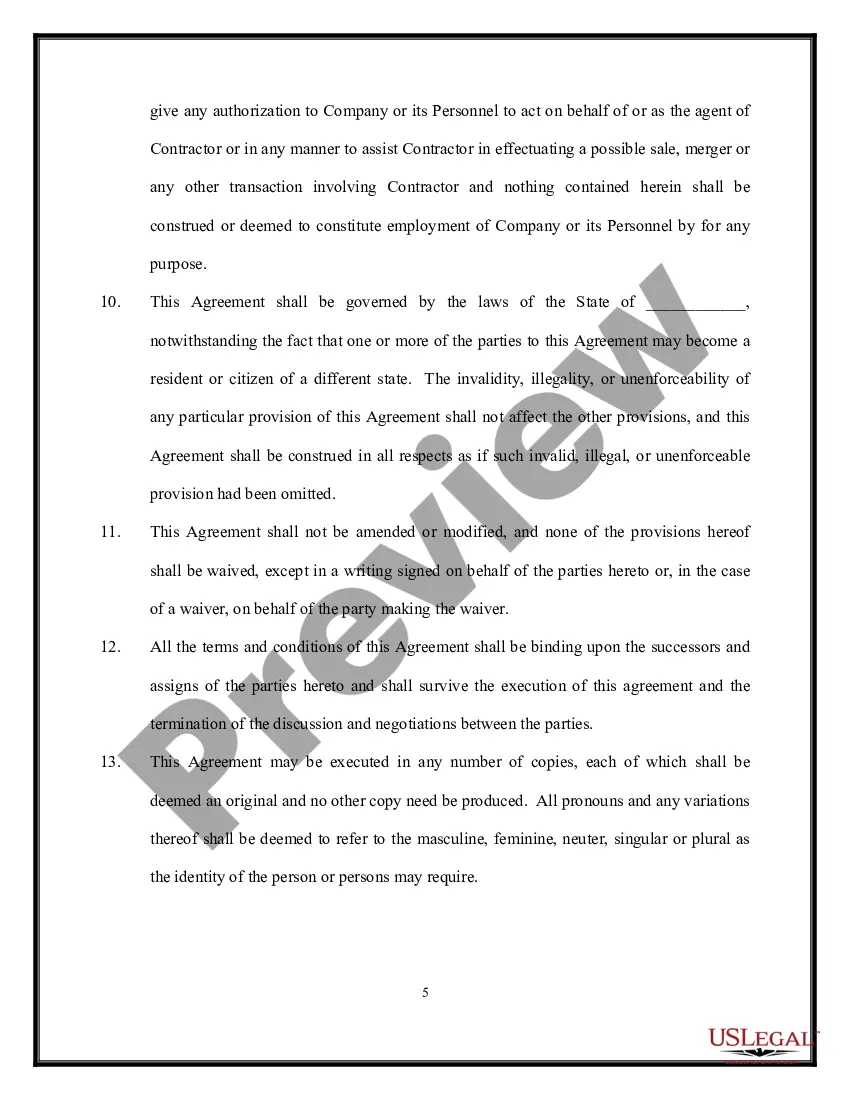

Get your form ready online
Our built-in tools help you complete, sign, share, and store your documents in one place.
Make edits, fill in missing information, and update formatting in US Legal Forms—just like you would in MS Word.
Download a copy, print it, send it by email, or mail it via USPS—whatever works best for your next step.
Sign and collect signatures with our SignNow integration. Send to multiple recipients, set reminders, and more. Go Premium to unlock E-Sign.
If this form requires notarization, complete it online through a secure video call—no need to meet a notary in person or wait for an appointment.
We protect your documents and personal data by following strict security and privacy standards.

Make edits, fill in missing information, and update formatting in US Legal Forms—just like you would in MS Word.

Download a copy, print it, send it by email, or mail it via USPS—whatever works best for your next step.

Sign and collect signatures with our SignNow integration. Send to multiple recipients, set reminders, and more. Go Premium to unlock E-Sign.

If this form requires notarization, complete it online through a secure video call—no need to meet a notary in person or wait for an appointment.

We protect your documents and personal data by following strict security and privacy standards.
Looking for another form?








Form popularity
FAQ
I cannot and will not tell anyone else what you have told me, or even that you are in therapy with me without your prior permission.
When there is an indication of abuse of a child, dependent adult or elderly adult. If you become gravely disabled. If information is required by a court subpoena or court order.
Three circumstances making disclosure of confidential information lawful are: where the individual to whom the information relates has consented. where disclosure is necessary to safeguard the individual, or others, or is in the public interest. where there is a legal duty to do so, for example a court order.
I understand that participating in this support group means I agree to these terms to ensure a safe and supportive environment: Confidentiality: Everything shared in our group stays confidential. This includes personal stories and any identifying information shared by group members.
Ethical guidelines regarding confidentiality require that counselors do NOT: disclose client information unless there is clear and imminent danger to the client or others or when legal requirements demand that confidential information be revealed.
A confidentiality agreement should include the names and addresses of the parties to the contract. Consider also including: Reason for the agreement: Explain why you're sharing this information. The information disclosed: Be specific about the subject matter and what exactly is included in the agreement.
Confidentiality is an important aspect of counseling. This means that under normal circumstances no one outside the Counseling Center is given any information — even the fact that you have been here — without your expressed written consent.
Counseling is confidential No one outside the Center may access your Counseling and Psychological Services records without your prior written permission or as required by law.
Because of a confidentiality agreement, the details of the accusation were hidden from the public.
I cannot and will not tell anyone else what you have told me, or even that you are in therapy with me without your prior permission. You can authorize me to share information with whomever you choose, and you may change your mind and revoke that permission at anytime.
