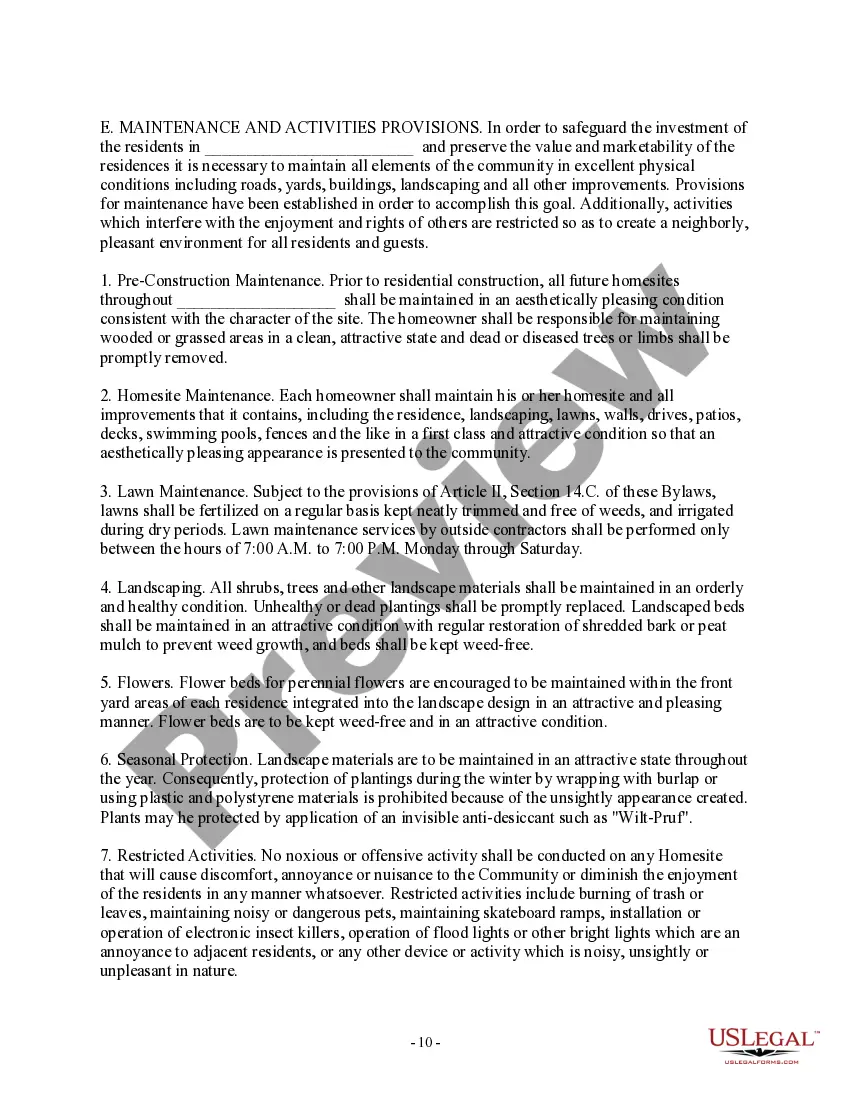
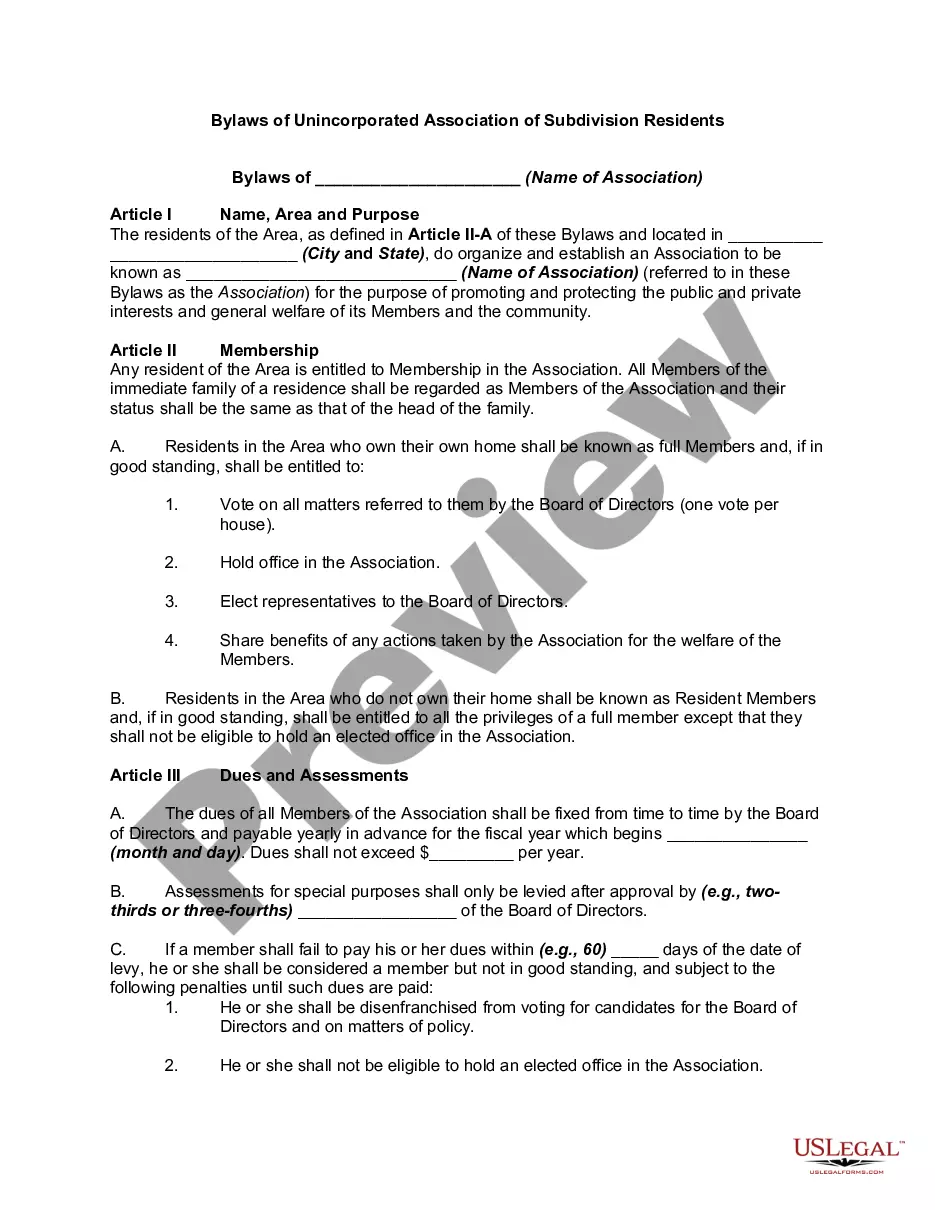
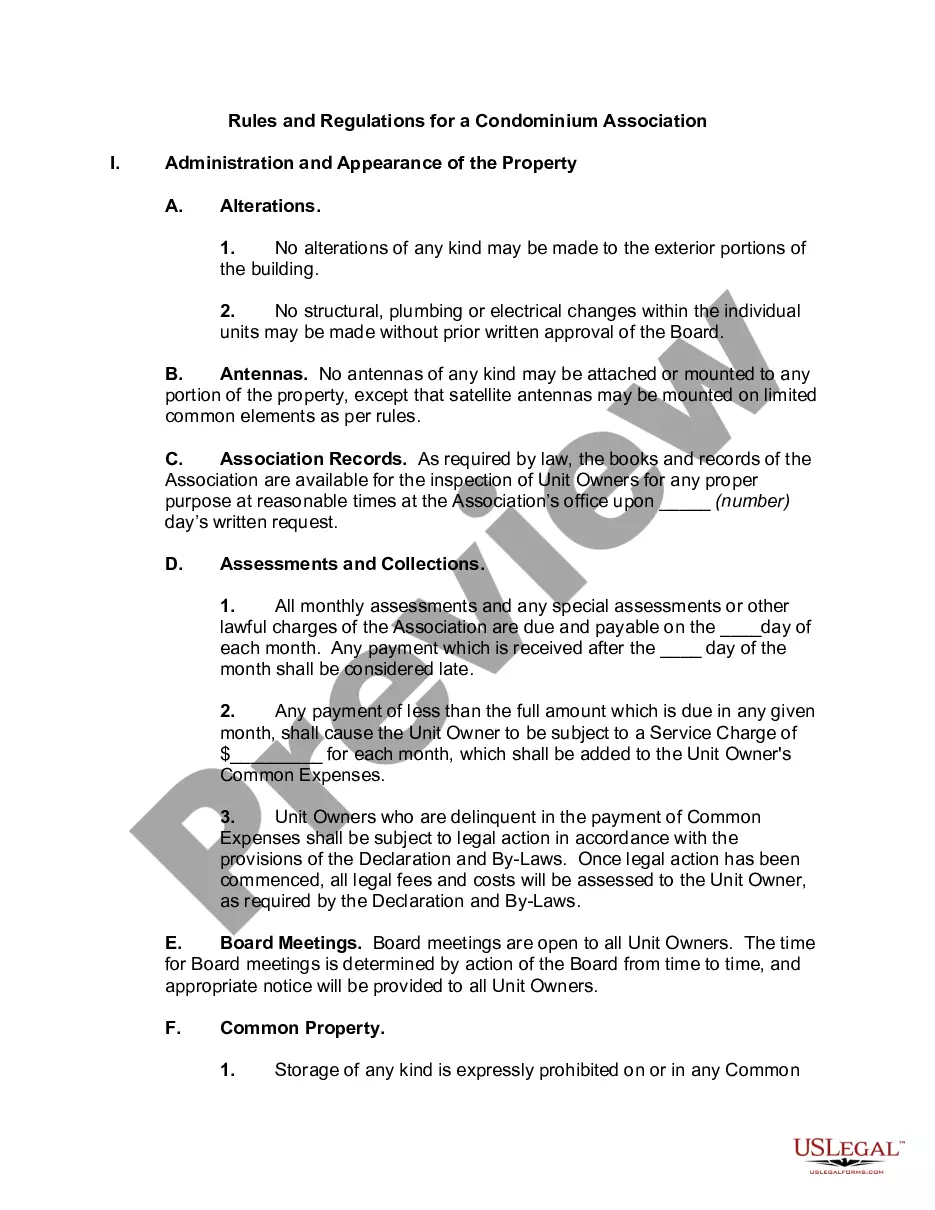
Condominium Bylaws Condo For Rent In Sacramento
Description




Get your form ready online
Our built-in tools help you complete, sign, share, and store your documents in one place.
Make edits, fill in missing information, and update formatting in US Legal Forms—just like you would in MS Word.
Download a copy, print it, send it by email, or mail it via USPS—whatever works best for your next step.
Sign and collect signatures with our SignNow integration. Send to multiple recipients, set reminders, and more. Go Premium to unlock E-Sign.
If this form requires notarization, complete it online through a secure video call—no need to meet a notary in person or wait for an appointment.
We protect your documents and personal data by following strict security and privacy standards.

Make edits, fill in missing information, and update formatting in US Legal Forms—just like you would in MS Word.

Download a copy, print it, send it by email, or mail it via USPS—whatever works best for your next step.

Sign and collect signatures with our SignNow integration. Send to multiple recipients, set reminders, and more. Go Premium to unlock E-Sign.

If this form requires notarization, complete it online through a secure video call—no need to meet a notary in person or wait for an appointment.

We protect your documents and personal data by following strict security and privacy standards.
Looking for another form?



Form popularity
FAQ
Under AB 1482, landlords can raise rent by a maximum of 5% plus the local CPI or 10%, whichever is lower.
Overview of AB 3182 This legislation's key provision is the limitation it places on HOAs' ability to restrict homeowners from renting out their properties. Specifically, HOAs can't enforce rental caps that limit rentals to less than 25% of the units, nor can they impose upfront fees to lease a property.
Therefore, the bill has explicit provisions on how much a landlord can raise the rent in California, allowing them to only increase the rent by a maximum of 5% each year if they live up to the following requirements: They keep their units habitable.
The Tenant Protection Act places limits on annual rent increases (Civil Code, § 1947.12) and restricts the types of allowable evictions in residential rental properties (Civil Code, § 1946.2). Who must comply with the TPA? Most residential landlords and property managers must comply with the TPA.
Any rental unit built after 2/1/95, as well as houses and condos, are not under rent restrictions. Even where these rent restrictions do not apply, eviction protections do continue.
California law does not require a specific license to become a landlord. However, regulations and requirements can vary between different cities and counties. If you choose to use a property management company, which is a service we offer, they must be licensed.
California business and professions code section 10130 sets forth the acts that only a real estate licensee may perform. The list includes a property manager who solicits tenants, negotiates leases or collects rents.
California law does not require a specific license to become a landlord. However, regulations and requirements can vary between different cities and counties.
Overview of AB 3182 This legislation's key provision is the limitation it places on HOAs' ability to restrict homeowners from renting out their properties. Specifically, HOAs can't enforce rental caps that limit rentals to less than 25% of the units, nor can they impose upfront fees to lease a property.
A business license is required when a person is conducting, managing or carrying on the business of operating an apartment house or properties containing five (5) or more rental units. (A.M.C. 3.28.
