Georgia Financial Account Transfer to Living Trust
What this document covers
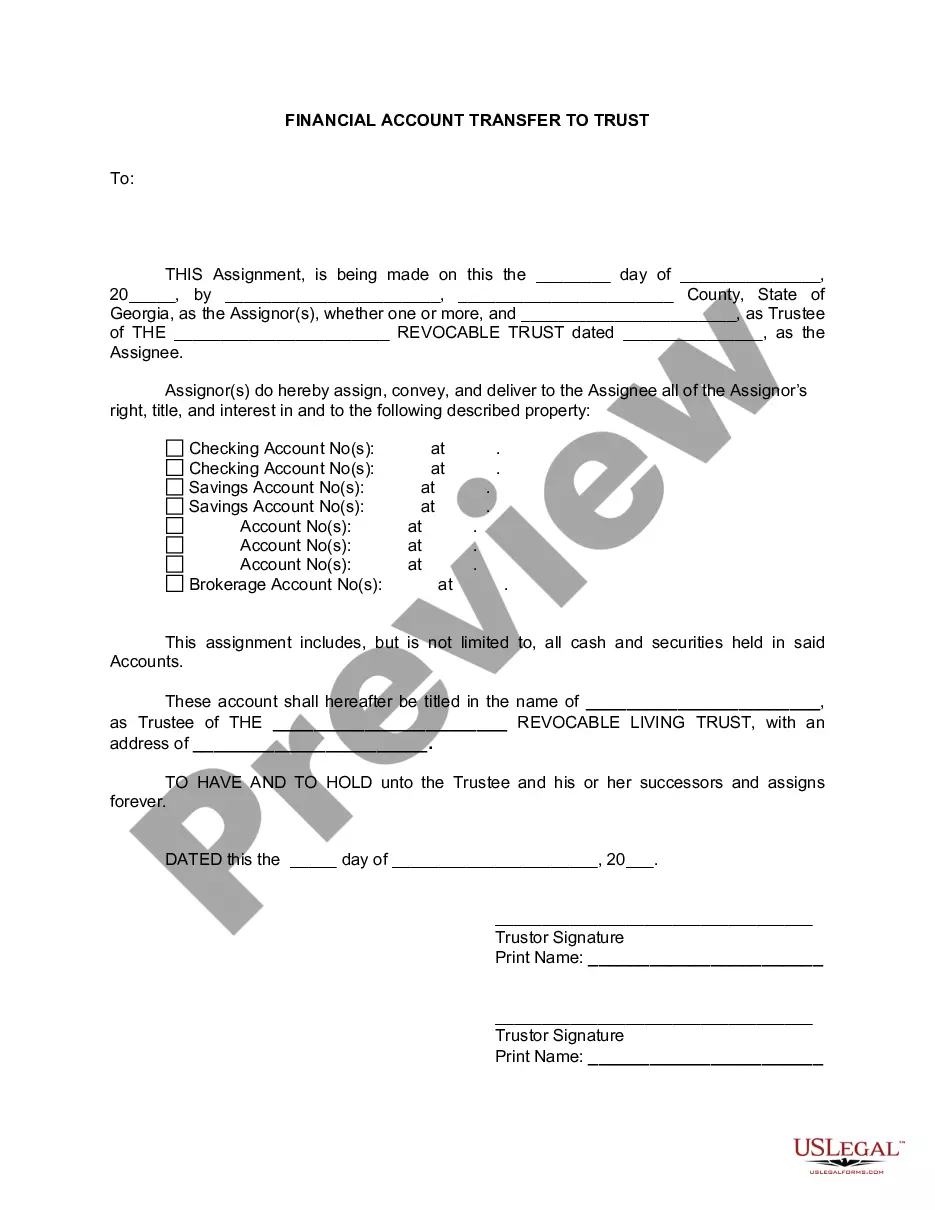
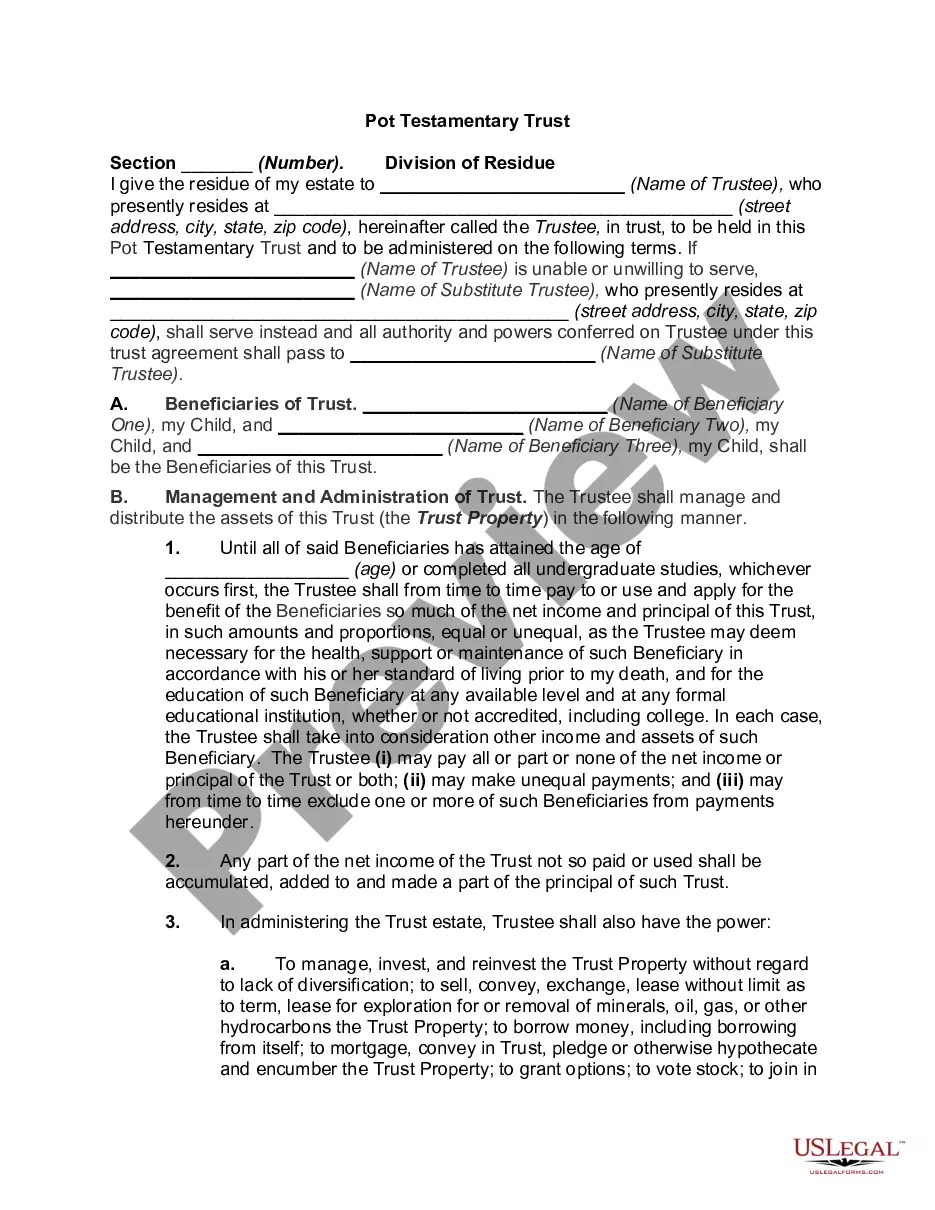
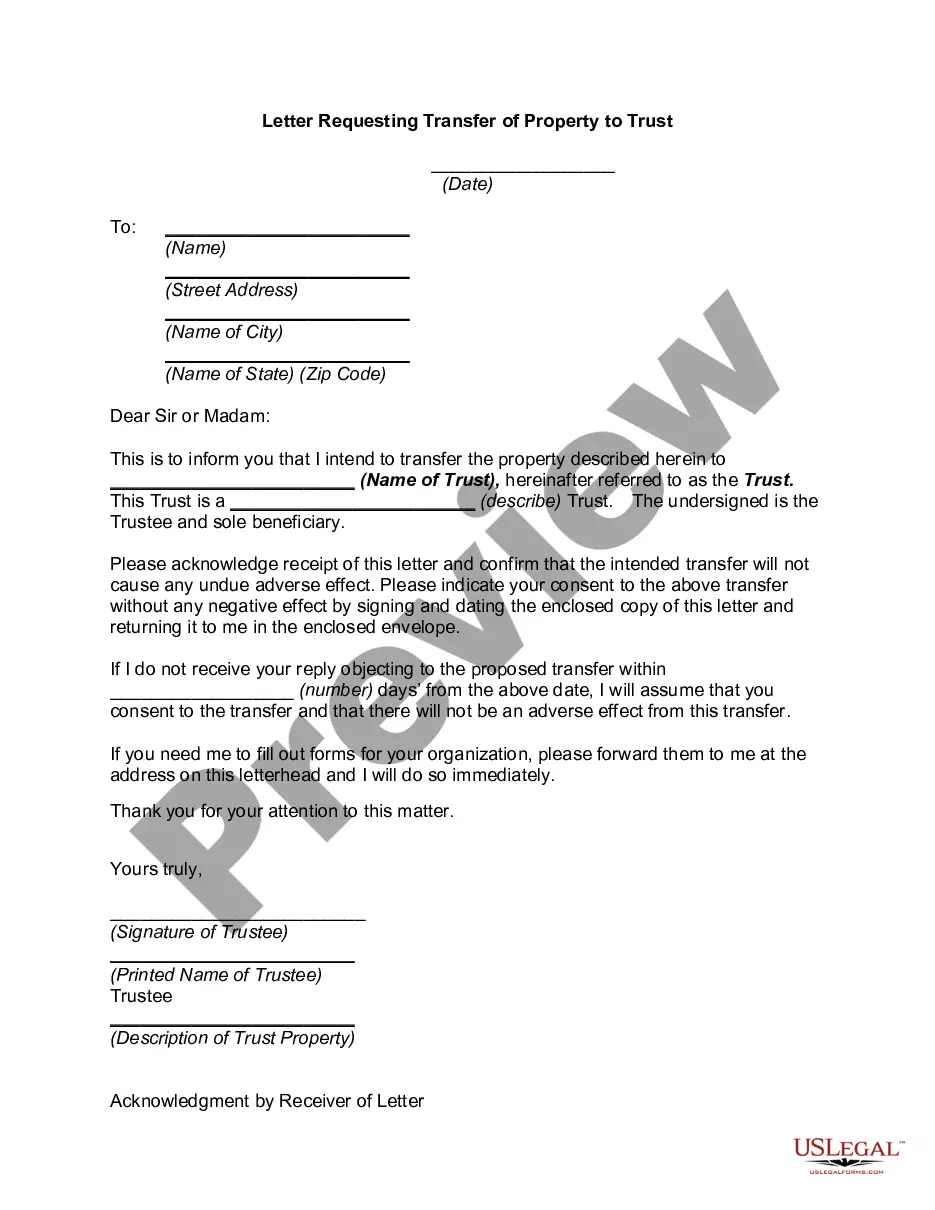
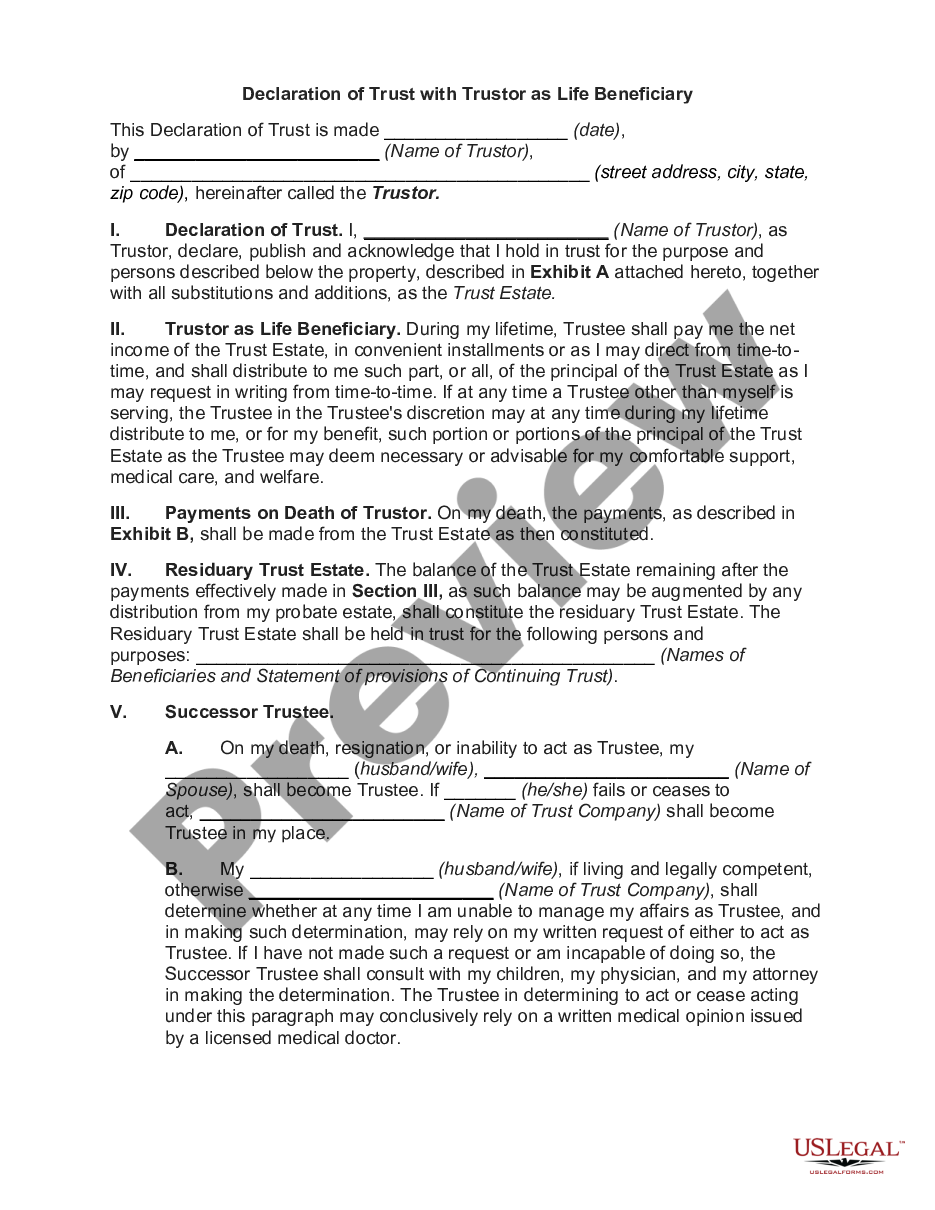
The Financial Account Transfer to Living Trust form is designed to facilitate the transfer of bank and financial accounts into a living trust. A living trust is a legal entity created by an individual during their lifetime to hold their assets for estate planning purposes. This form distinguishes itself from other trust-related documents by focusing specifically on financial account transfers, ensuring that the Assignor's rights and interests in the specified assets are formally conveyed to the living trust.
Key components of this form
- Assignor's details: The individual transferring the accounts.
- Assignee details: The Trustee of the living trust receiving the accounts.
- Description of property: A clear identification of the financial accounts being transferred.
- Signatures: Required signatures from the Assignor(s) and a notarization by a public notary.
- Date of transfer: The specific date when the transfer is completed.

When this form is needed
This form should be used when you want to transfer ownership of your bank and financial accounts into a living trust. It is particularly useful when planning for future estate management, ensuring assets are managed according to your wishes during and after your lifetime. Consider using this form if you want to avoid probate, facilitate the transfer of assets to beneficiaries, or manage your finances under the terms of a trust.
Who should use this form
- Individuals creating a living trust to manage their assets.
- Guardians or conservators handling finances on behalf of the Assignor.
- Personal representatives handling estate matters involving living trusts.
- Anyone looking to ensure a smooth transition of financial assets to beneficiaries.
How to prepare this document
- Identify the Assignor: Enter the names and details of the individuals transferring the financial accounts.
- Provide Assignee information: Fill in the name and address of the Trustee managing the living trust.
- Specify the accounts: Clearly outline the financial accounts included in the transfer, detailing account numbers and types.
- Sign the documents: Have the Assignor(s) sign the form in the presence of a notary public.
- Complete the dating section: Indicate the date of the transfer to finalize the document.
Notarization requirements for this form
Yes, this form must be notarized to be legally valid. Notarization ensures that the signatures on the document are authentic and the identity of the signers is verified. US Legal Forms offers integrated online notarization services, ensuring you can have your form notarized securely via video call, available 24/7, in a legally equivalent manner, without the need to travel.
Get your form ready online
Our built-in tools help you complete, sign, share, and store your documents in one place.
Make edits, fill in missing information, and update formatting in US Legal Forms—just like you would in MS Word.
Download a copy, print it, send it by email, or mail it via USPS—whatever works best for your next step.
Sign and collect signatures with our SignNow integration. Send to multiple recipients, set reminders, and more. Go Premium to unlock E-Sign.
If this form requires notarization, complete it online through a secure video call—no need to meet a notary in person or wait for an appointment.
We protect your documents and personal data by following strict security and privacy standards.

Make edits, fill in missing information, and update formatting in US Legal Forms—just like you would in MS Word.

Download a copy, print it, send it by email, or mail it via USPS—whatever works best for your next step.

Sign and collect signatures with our SignNow integration. Send to multiple recipients, set reminders, and more. Go Premium to unlock E-Sign.

If this form requires notarization, complete it online through a secure video call—no need to meet a notary in person or wait for an appointment.

We protect your documents and personal data by following strict security and privacy standards.
Common mistakes to avoid
- Failing to provide complete and accurate descriptions of the financial accounts.
- Not having the document notarized when required by local regulations.
- Leaving fields blank, especially names and signatures.
- Not dating the form, which can lead to disputes regarding the transfer date.
Advantages of online completion
- Convenience of downloading and completing the form from anywhere.
- Easily editable to ensure all details are accurate before submission.
- Access to forms drafted by licensed attorneys, ensuring legal soundness.
Key takeaways
- The Financial Account Transfer to Living Trust form facilitates the transfer of financial assets into a trust.
- This form is essential for proper estate planning and can help avoid probate.
- Always ensure all signatures and notarizations are completed to validate the form.
- Consider the specific requirements of your state to ensure compliance.
Looking for another form?


Form popularity
FAQ
A transfer of assets may or may not be taxable, depending on the nature of the transfer and the type of trust you establish. In the context of a Georgia Financial Account Transfer to Living Trust, transferring assets to a revocable trust is usually not a taxable event. However, with an irrevocable trust, you might face gift taxes on the transferred assets. For tailored advice concerning your unique situation, consider using the uSlegalforms platform, which can guide you through the complexities.
When you perform a Georgia Financial Account Transfer to Living Trust, the tax treatment depends on whether the trust is revocable or irrevocable. Generally, transferring assets to a revocable trust does not trigger taxation because you continue to have control over these assets. On the other hand, transferring assets to an irrevocable trust may lead to tax liabilities, so it's beneficial to seek professional guidance to navigate these complexities.
In most cases, transferring assets to a revocable trust during your lifetime is not considered a taxable event. This applies to your Georgia Financial Account Transfer to Living Trust, where you retain control and can alter the trust at any time. However, if the transfer involves an irrevocable trust, different rules may apply, and it is wise to consult with a tax advisor to fully understand the implications.
Transferring stock to a revocable trust as part of your Georgia Financial Account Transfer to Living Trust typically does not incur immediate tax consequences. Since you maintain control over the assets in a revocable trust, any income generated will still be reported on your personal tax return. However, it's crucial to consider long-term implications, such as estate taxes and the treatment of the trust after your passing.
When considering a Georgia Financial Account Transfer to Living Trust, it is important to understand that gifting assets to a trust can have tax implications. Generally, if you gift assets to a revocable trust, it is not a taxable event since you retain control over those assets. However, gifting to an irrevocable trust may trigger gift tax, depending on the value of the assets. Consulting with a tax professional can help clarify your specific situation.
A significant mistake parents often make is failing to fund the trust properly after its creation. Without funding, the trust cannot operate as intended. To avoid this common pitfall, understand the steps involved in a Georgia Financial Account Transfer to Living Trust, ensuring all necessary assets are effectively placed within the trust.
One downside of placing assets in a trust is the complexity involved in managing it. Trusts might require ongoing administrative duties and sometimes may not claim certain tax benefits. It is vital to consider how a Georgia Financial Account Transfer to Living Trust could impact tax situations before making decisions.
To transfer property to a living trust in Georgia, start by establishing the trust document with the necessary provisions. Next, you will need to execute a deed to transfer the property into the trust. Utilizing services like USLegalForms simplifies the Georgia Financial Account Transfer to Living Trust, ensuring all legal documents meet state requirements.
Yes, having a trust can help your parents manage their assets efficiently. A Georgia Financial Account Transfer to Living Trust allows for smooth asset distribution and can avoid probate, saving time and potential costs. It also provides a layer of protection and privacy for their financial affairs.
To initiate the transfer of your checking account to your living trust, you will first need to consult with your bank. Complete the required transfer paperwork, while providing your trust's legal documentation. Following these steps for a Georgia Financial Account Transfer to Living Trust allows for smooth asset management and helps your beneficiaries access funds without complications.