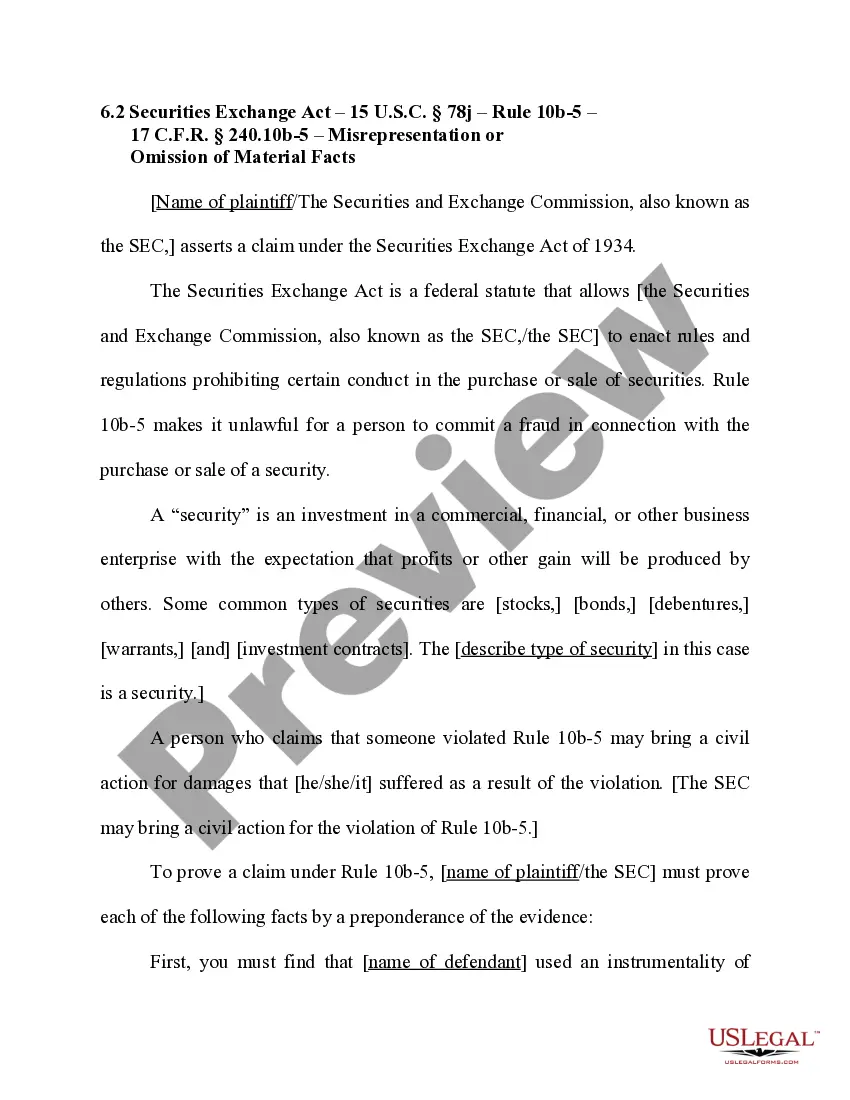
Good Faith Estimate
What is this form?
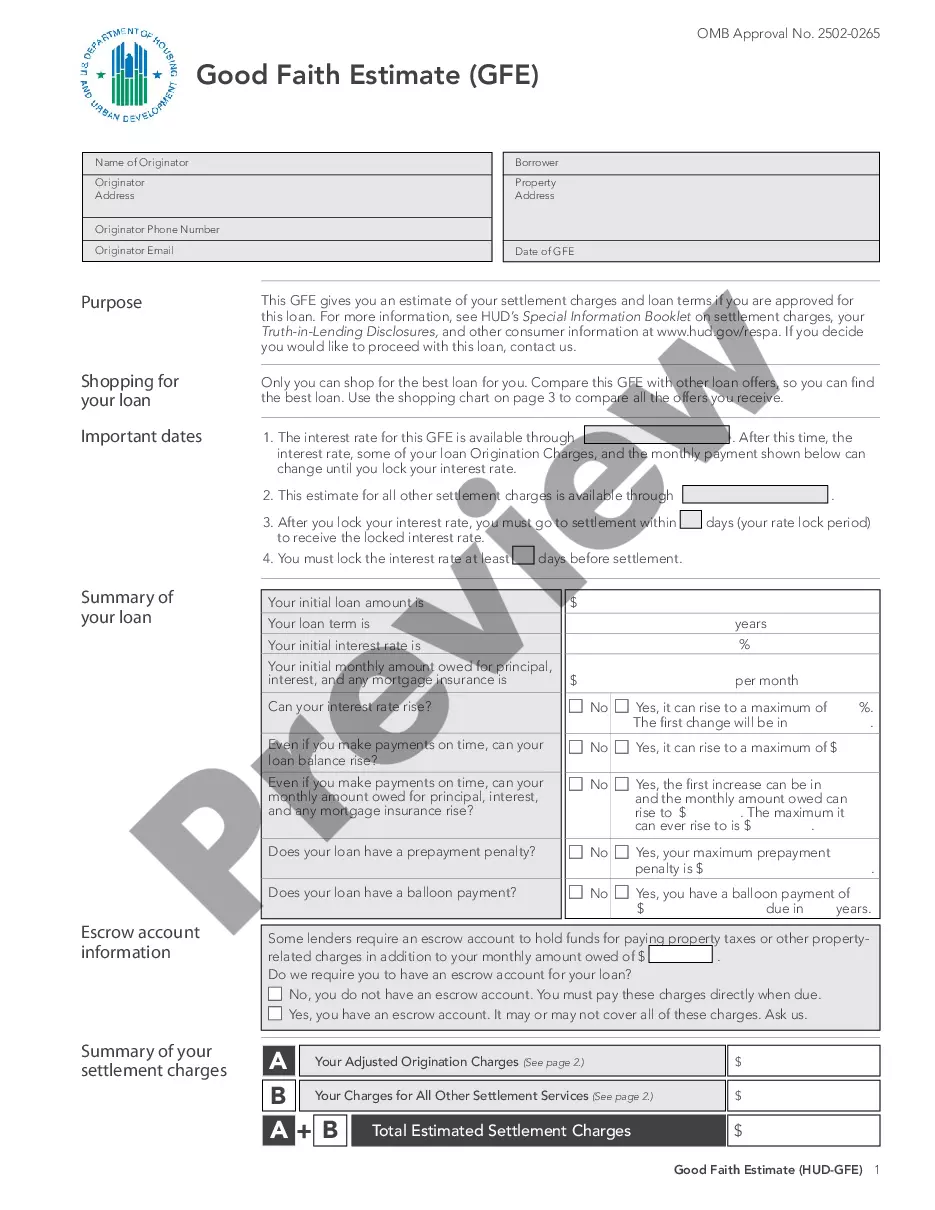
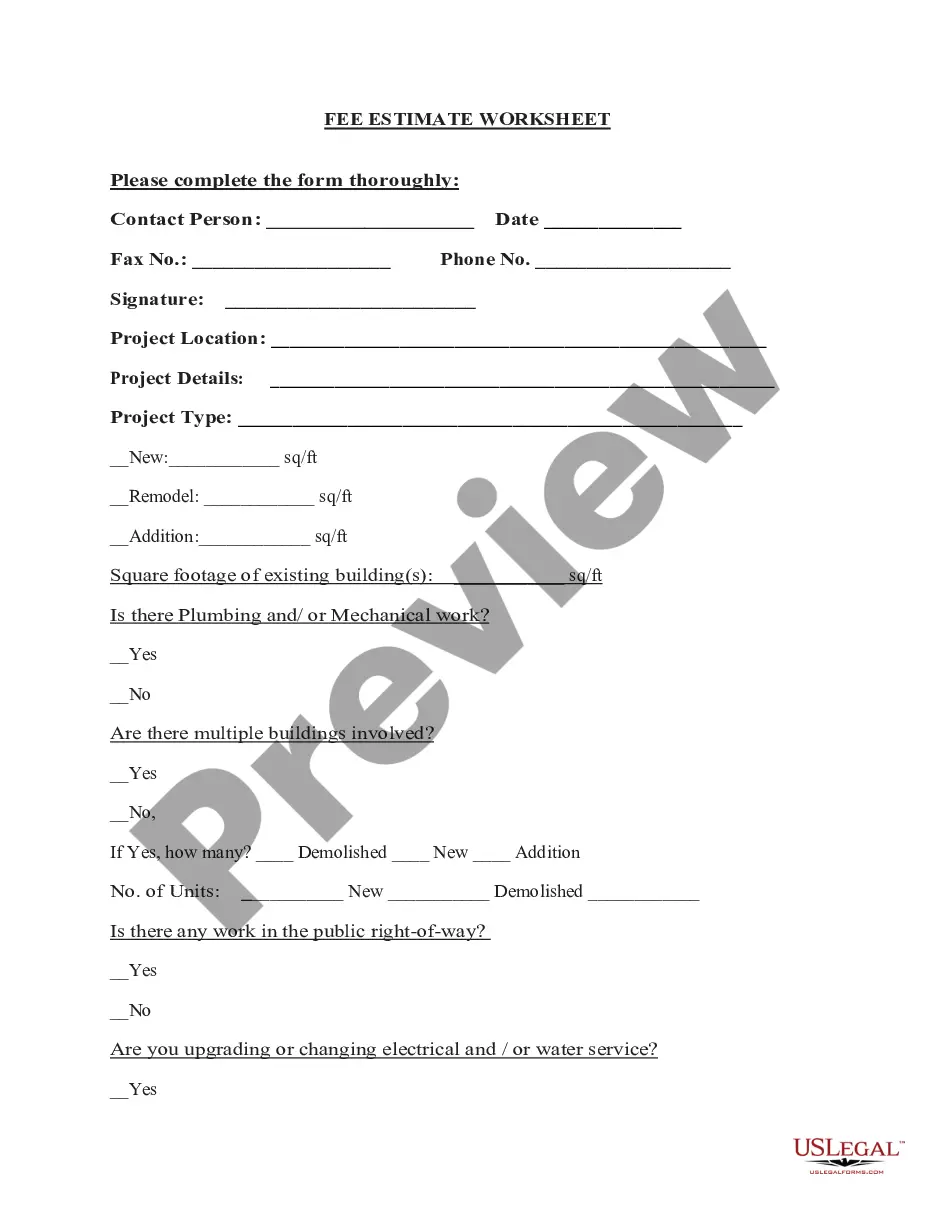
A Good Faith Estimate (GFE) is a form required by the Real Estate Settlement Procedures Act (RESPA) that provides borrowers with an estimate of the costs associated with a mortgage loan. This form is provided by mortgage lenders or brokers within three business days of a loan application and serves as a transparency tool that helps borrowers compare loan offers. Unlike closing documents which detail final costs, the GFE includes estimated fees for services such as inspections and title insurance, allowing you to evaluate different lenders effectively.
What’s included in this form
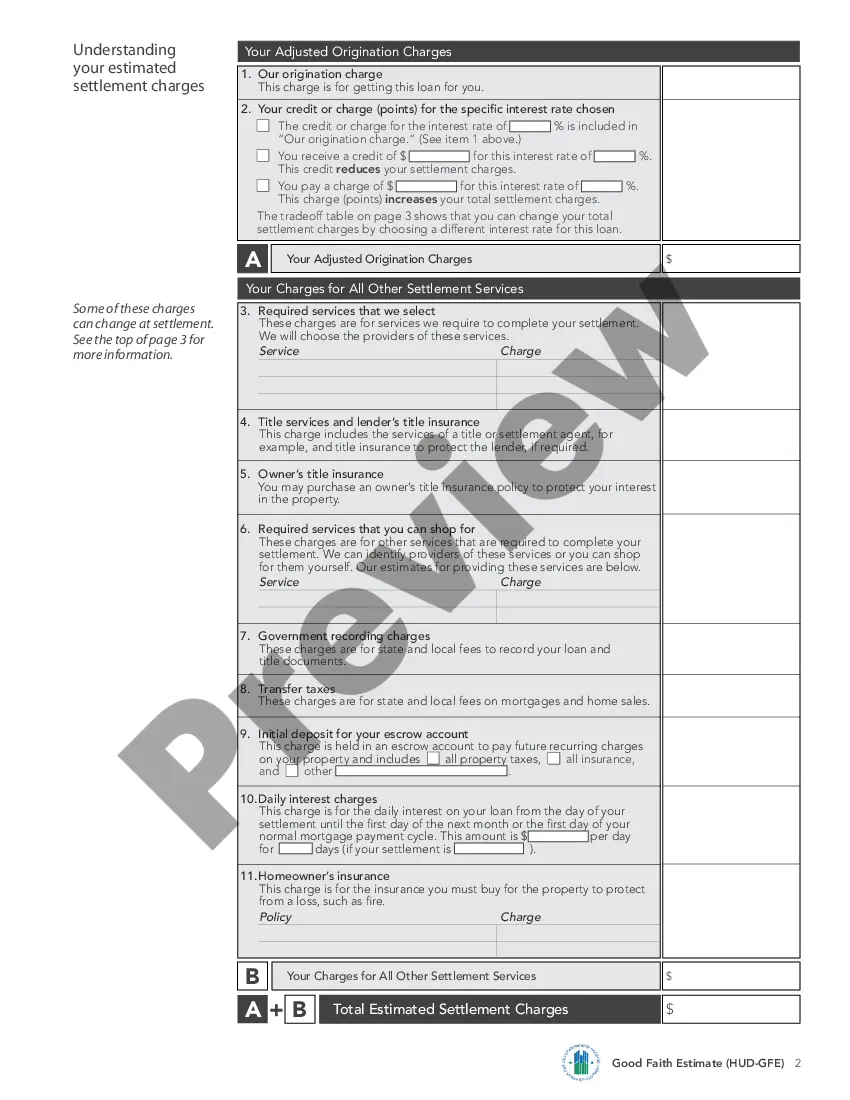
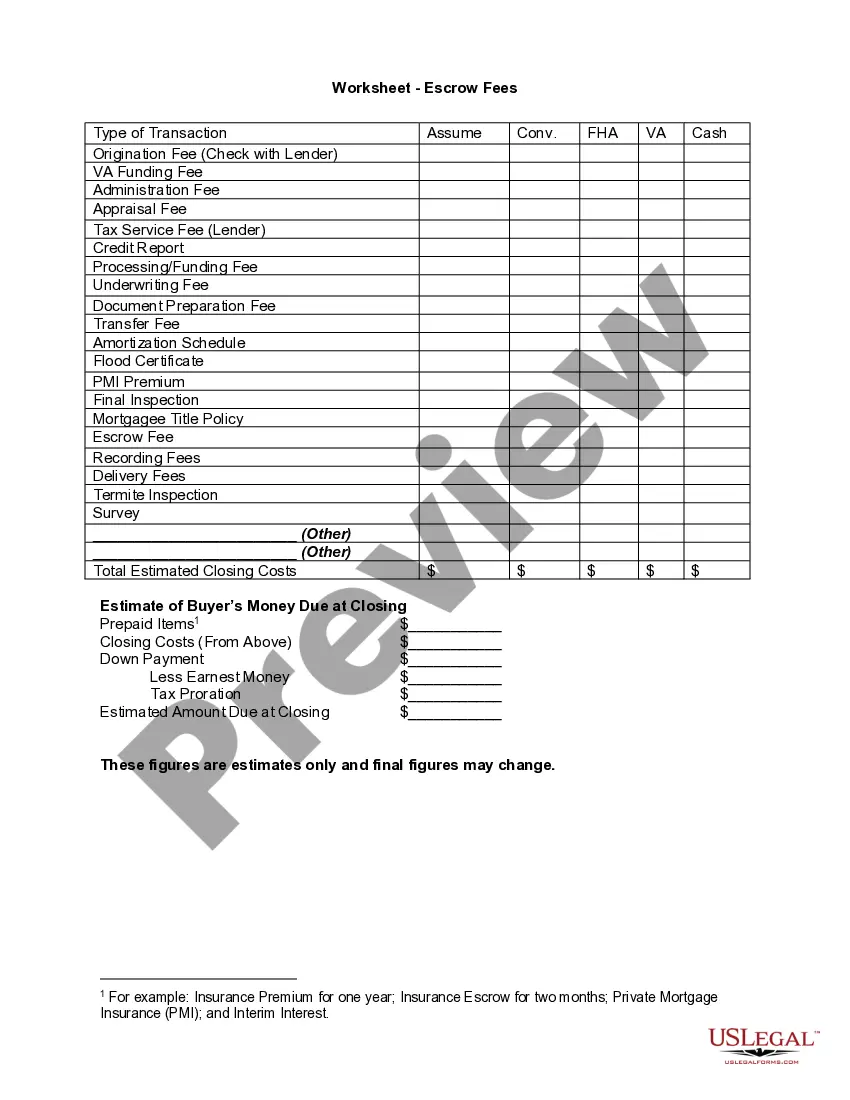
- Detailed itemized list of estimated loan fees and costs.
- Initial loan amount, term, and interest rate.
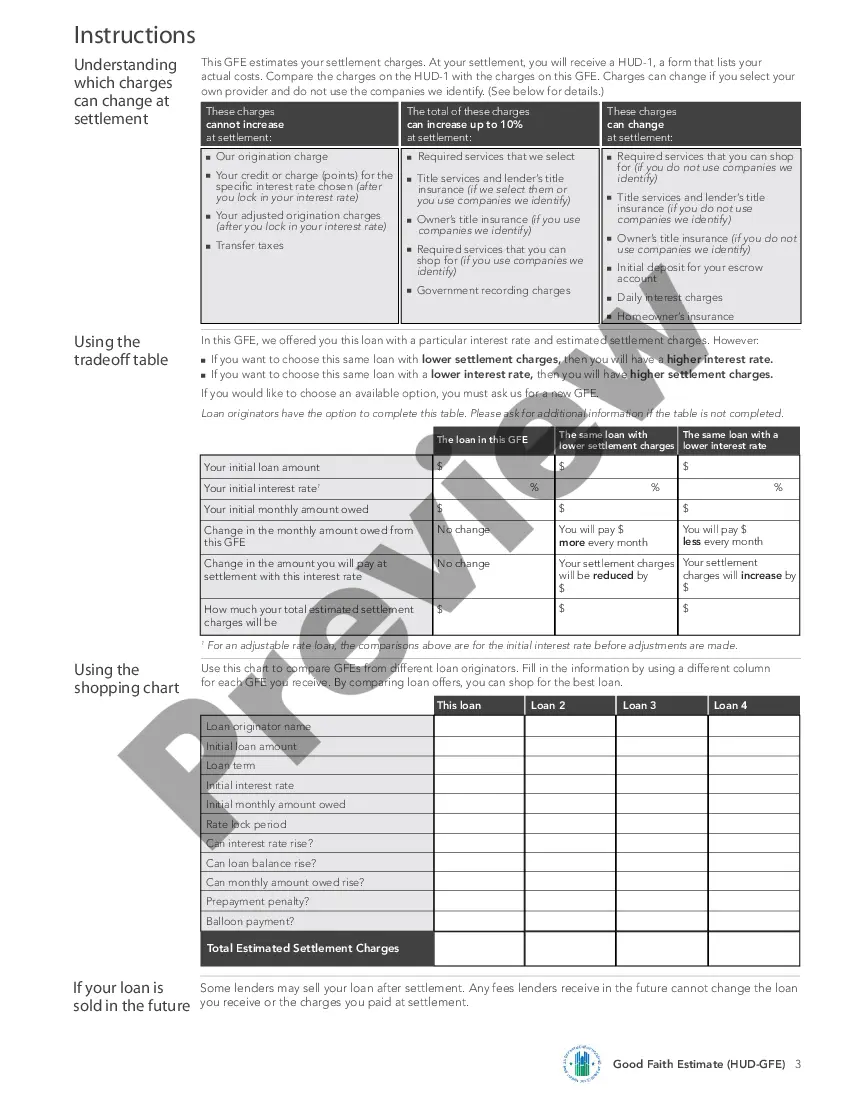
- Summary of settlement charges and potential changes at closing.
- Disclosure of services required and the option to shop for certain services.
- Contact information for the loan originator.
- Important dates regarding interest rate locks and settlement deadlines.
Common use cases
The Good Faith Estimate should be used when applying for a mortgage loan. It is particularly useful for comparing different loan offers from various lenders and helps ensure that you understand the potential costs associated with securing a loan. Use this form early in the loan application process, specifically within three business days of applying, to make informed decisions regarding your mortgage options.
Who this form is for
This form is intended for:
- Home buyers who are applying for a mortgage loan.
- Real estate agents assisting clients in securing mortgage financing.
- Mortgage brokers who are required to provide a Good Faith Estimate to borrowers.
- Anyone looking to compare estimates from multiple lenders before making a financial commitment.
Steps to complete this form
- Fill in your personal information, including your name and property address.
- Specify the loan amount, loan term, and interest rate you are applying for.
- Review the itemized list of estimated settlement charges and ensure it accurately reflects your expectations.
- Check the box for any agreed-upon services or selections related to your loan.
- Consult the lender about the required dates for locking your interest rate and for settlement.
Does this form need to be notarized?
This form does not typically require notarization unless specified by local law. Always confirm any specific state requirements that may affect the need for notarization of your Good Faith Estimate.
Get your form ready online
Our built-in tools help you complete, sign, share, and store your documents in one place.
Make edits, fill in missing information, and update formatting in US Legal Forms—just like you would in MS Word.
Download a copy, print it, send it by email, or mail it via USPS—whatever works best for your next step.
Sign and collect signatures with our SignNow integration. Send to multiple recipients, set reminders, and more. Go Premium to unlock E-Sign.
If this form requires notarization, complete it online through a secure video call—no need to meet a notary in person or wait for an appointment.
We protect your documents and personal data by following strict security and privacy standards.

Make edits, fill in missing information, and update formatting in US Legal Forms—just like you would in MS Word.

Download a copy, print it, send it by email, or mail it via USPS—whatever works best for your next step.

Sign and collect signatures with our SignNow integration. Send to multiple recipients, set reminders, and more. Go Premium to unlock E-Sign.

If this form requires notarization, complete it online through a secure video call—no need to meet a notary in person or wait for an appointment.

We protect your documents and personal data by following strict security and privacy standards.
Avoid these common issues
- Failing to compare GFEs from multiple lenders comprehensively.
- Ignoring potential changes to costs that could occur at settlement.
- Not thoroughly understanding the terms and conditions related to the loanâs interest rate and fees.
- Overlooking the importance of deadlines associated with rate locks.
Advantages of online completion
- Convenience of accessing and filling out the form at any time.
- Ability to quickly compare estimates from different lenders.
- Editable formats that allow for easy modifications as needed.
- Structured guidance that helps borrowers focus on essential details and avoid mistakes.
Looking for another form?


Form popularity
FAQ
A Good Faith Estimate, also called a GFE, is a form that a lender must give you when you apply for a reverse mortgage.The GFE includes the estimated costs for the mortgage loan. The Good Faith Estimate provides you with basic information about the loan, which helps you: Compare offers.
A good faith estimate (or a loan estimate) is a standard form intended to be used to compare different offers (or quotes) from different lenders or brokers. The estimate must include an itemized list of fees and costs associated with the loan and must be provided within 3 business days of applying for a loan.
Lenders are required to issue the loan estimate within three days of a home loan application. If a loan originator does not provide a loan estimate within three business days of receiving a completed loan application, that lender is in violation of current regulations.
Lenders are required by law to give you the Good Faith Estimate (GFE) within three business days of receiving the loan application. This will explain your loan terms and costs associated with the loan. The GFE must be mailed or hand-delivered by the end of the third day.
A lender or mortgage broker is required to provide potential borrowers with a loan estimate within three business days of receiving a loan application. If they don't, they are in violation of the Truth in Lending Act.
A good faith estimate (GFE) was a form used by lenders given to mortgage applicants once they applied for a new home loan. The form provided a loan estimate that included a breakdown of the mortgage payments due and the charges associated with the loan.
The lender must provide you with a GFE within three business days of receiving your application or other required information. You can be charged a credit report fee before receiving a GFE.
Does a good faith estimate mean you're approved? Receiving a Loan Estimate or Good Faith Estimate does not mean you're approved for a mortgage. As the CFPB puts it, Loan Estimate shows you what loan terms the lender expects to offer if you decide to move forward.
How accurate is a loan estimate? Although it's just an estimate, the Loan Estimate is very often a reasonable approximation of what your loan will cost. This is because, by law, final loan costs must be within 10 percent of the costs shown on the original LE.