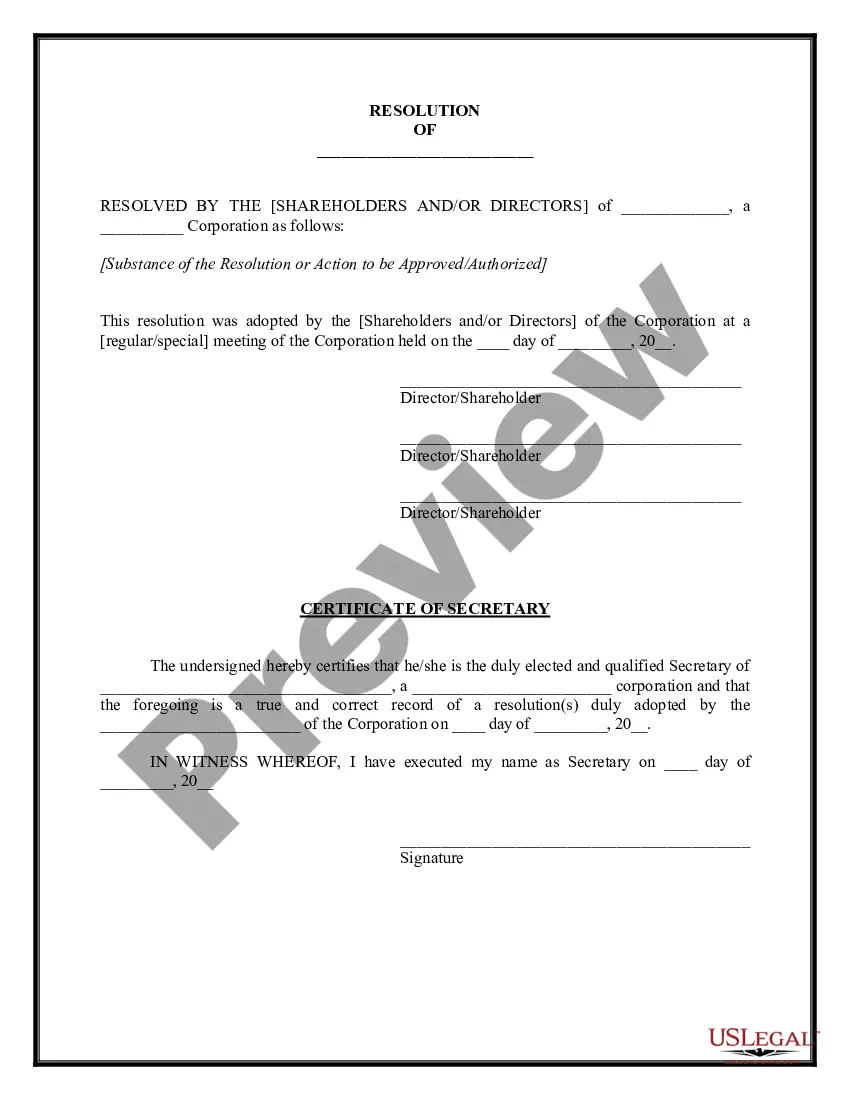
Completion Certificate For Residential Building In Fairfax
Description
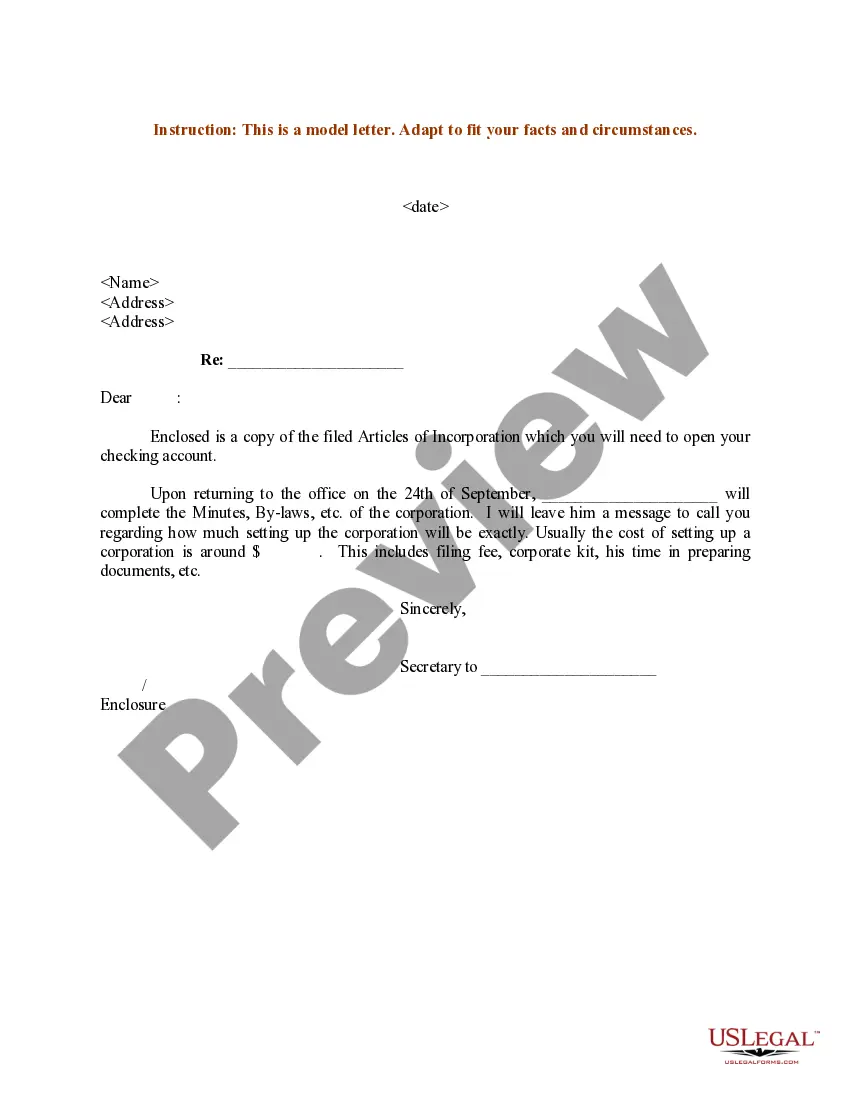
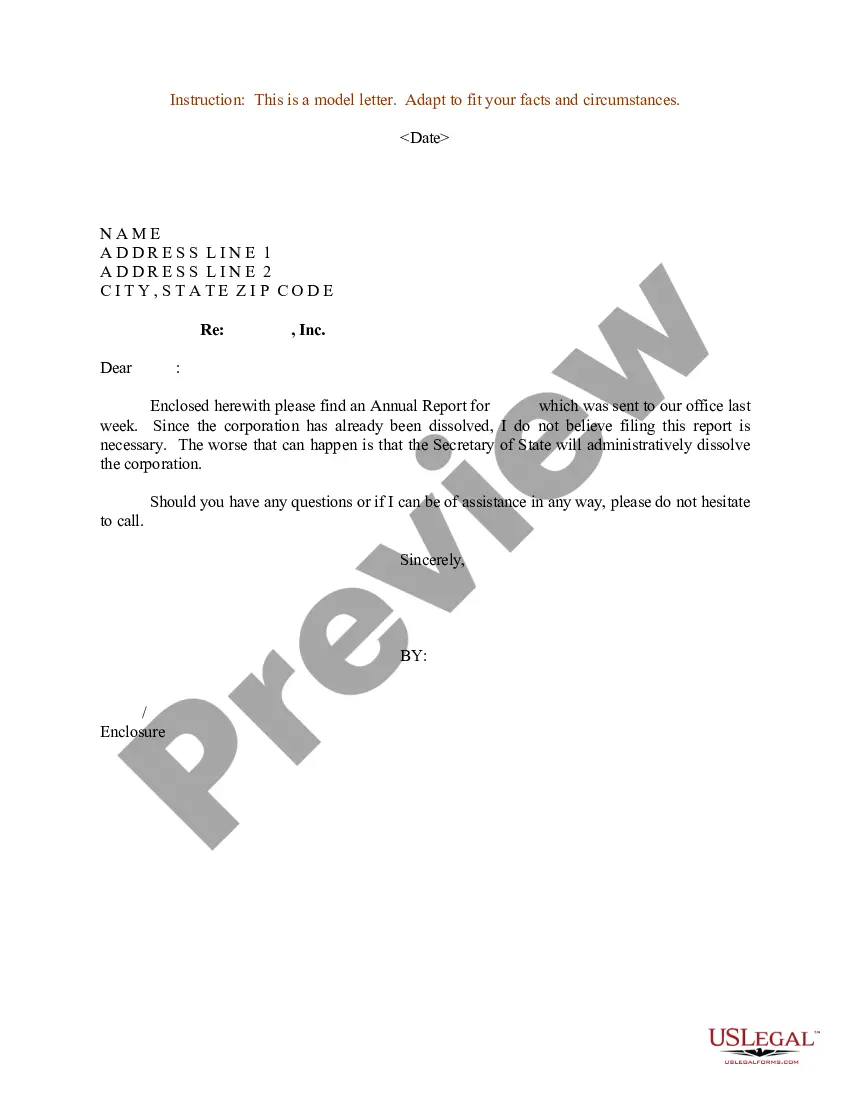

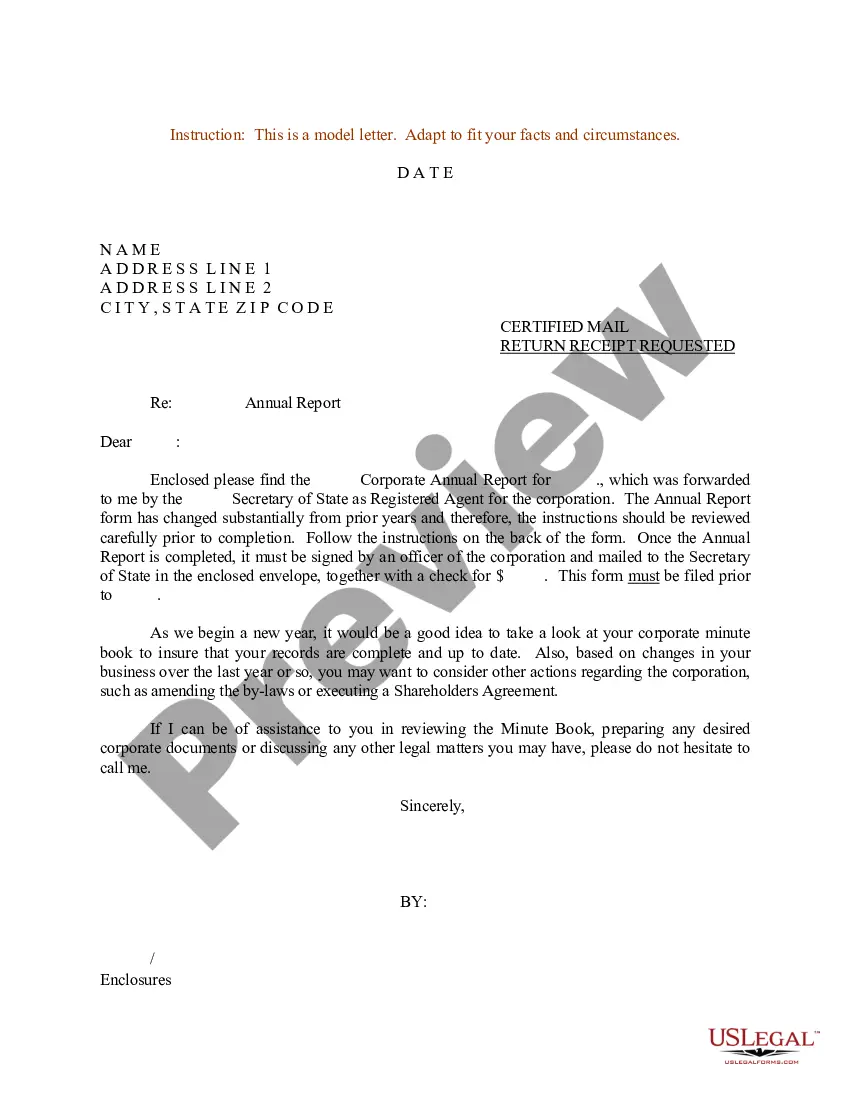
Get your form ready online
Our built-in tools help you complete, sign, share, and store your documents in one place.
Make edits, fill in missing information, and update formatting in US Legal Forms—just like you would in MS Word.
Download a copy, print it, send it by email, or mail it via USPS—whatever works best for your next step.
Sign and collect signatures with our SignNow integration. Send to multiple recipients, set reminders, and more. Go Premium to unlock E-Sign.
If this form requires notarization, complete it online through a secure video call—no need to meet a notary in person or wait for an appointment.
We protect your documents and personal data by following strict security and privacy standards.

Make edits, fill in missing information, and update formatting in US Legal Forms—just like you would in MS Word.

Download a copy, print it, send it by email, or mail it via USPS—whatever works best for your next step.

Sign and collect signatures with our SignNow integration. Send to multiple recipients, set reminders, and more. Go Premium to unlock E-Sign.

If this form requires notarization, complete it online through a secure video call—no need to meet a notary in person or wait for an appointment.

We protect your documents and personal data by following strict security and privacy standards.
Looking for another form?








Form popularity
FAQ
On a single-family house, most routine work does not require a permit. You can: Paint, add or replace carpet, tile or hardwood floors, replace cabinets, and even replace paneling and drywall without a permit. Replace your windows and doors, as long as you don't change the size of the opening in the wall.
So the information here is what is happening now. You can always check with your local permit office for current approval times. For a typical project in Fairfax County (public utilities, no RPA or Flood Zone, no full geotech report required, etc), you can expect your permit to be approved in 4 – 8 weeks.
Compliance with a notice of violation notwithstanding, the building official may request legal proceedings be instituted for prosecution when a person, firm or corporation is served with three or more notices of violation within one calendar year for failure to obtain a required construction permit prior to ...
A height certification verifies compliance with the building height requirement of the zoning district in which the dwelling is located and the approved site-related plans. The height certification must be approved for certain residential projects before a Residential Use Permit can be issued.
A building permit must be issued in order for a Certificate of Occupancy to be obtained. At minimum, a site plan and a copy of the floor plan must be provided for evaluation of the permit application. Additional information may be required depending upon the nature of the request.
Permits are typically required for the following projects: alterations to existing commercial structures; commercial structures; carport enclosures; decks; demolition; electrical systems; finished basements; garages and sheds; HVAC systems; mobile homes; plumbing systems; pools, spas and hot tubs; renovations; ...
All work associated with the building or structure must be complete and approved prior to the issuance of a Certificate of Occupancy. Final inspection approvals are required for the building permit and all associated permits including electrical, mechanical, gas, plumbing and fire protection systems.
A property owner may choose to perform the work and obtain a permit themselves; but will also need to submit an affidavit accepting responsibility for all work performed under the permit. Class A, B, or C contractors licensed in the state of Virginia may only obtain permits within their respective trade.
Permits are required for the construction of a new building, shed, deck, additions, or renovations to existing structures.