Long Term Lease With Insurance In King
Description
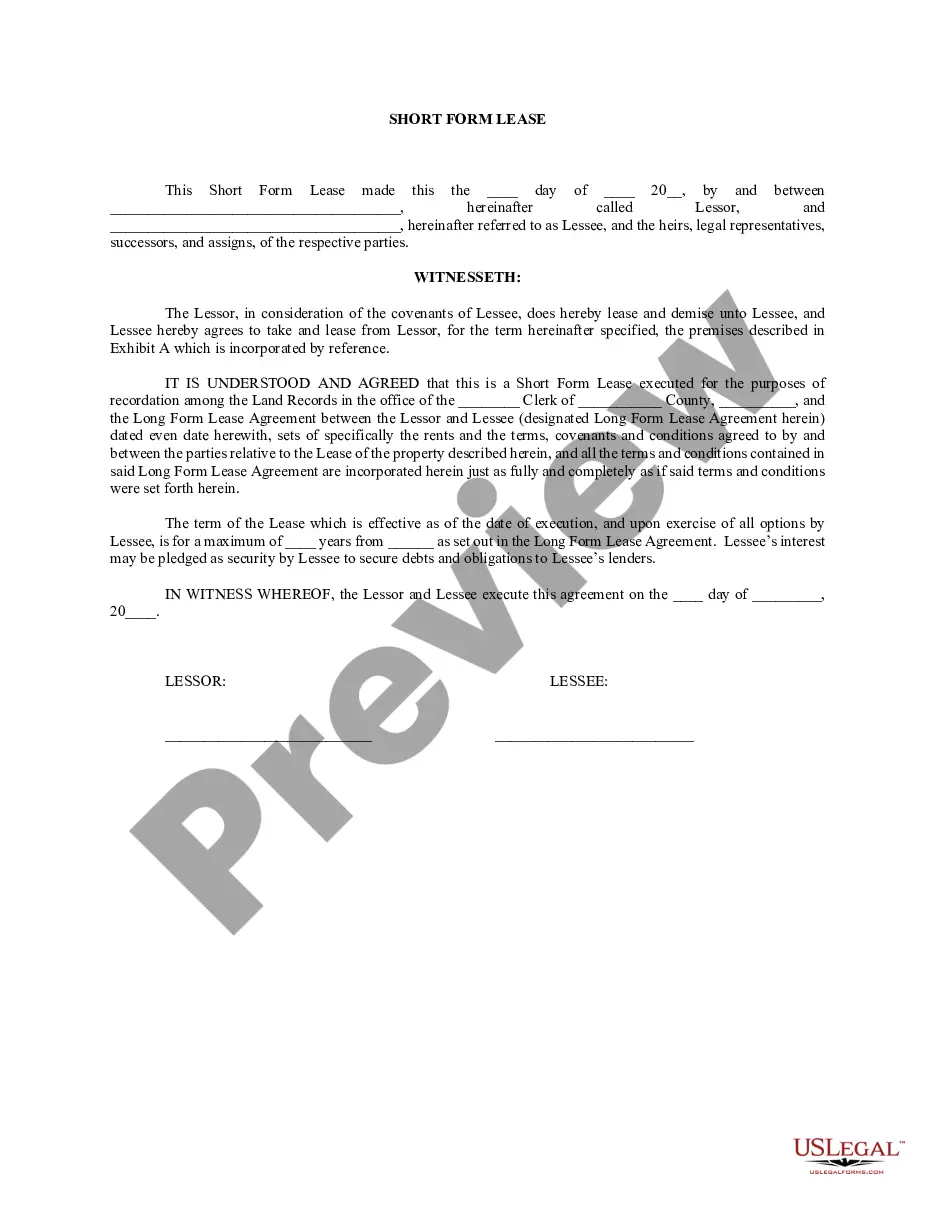
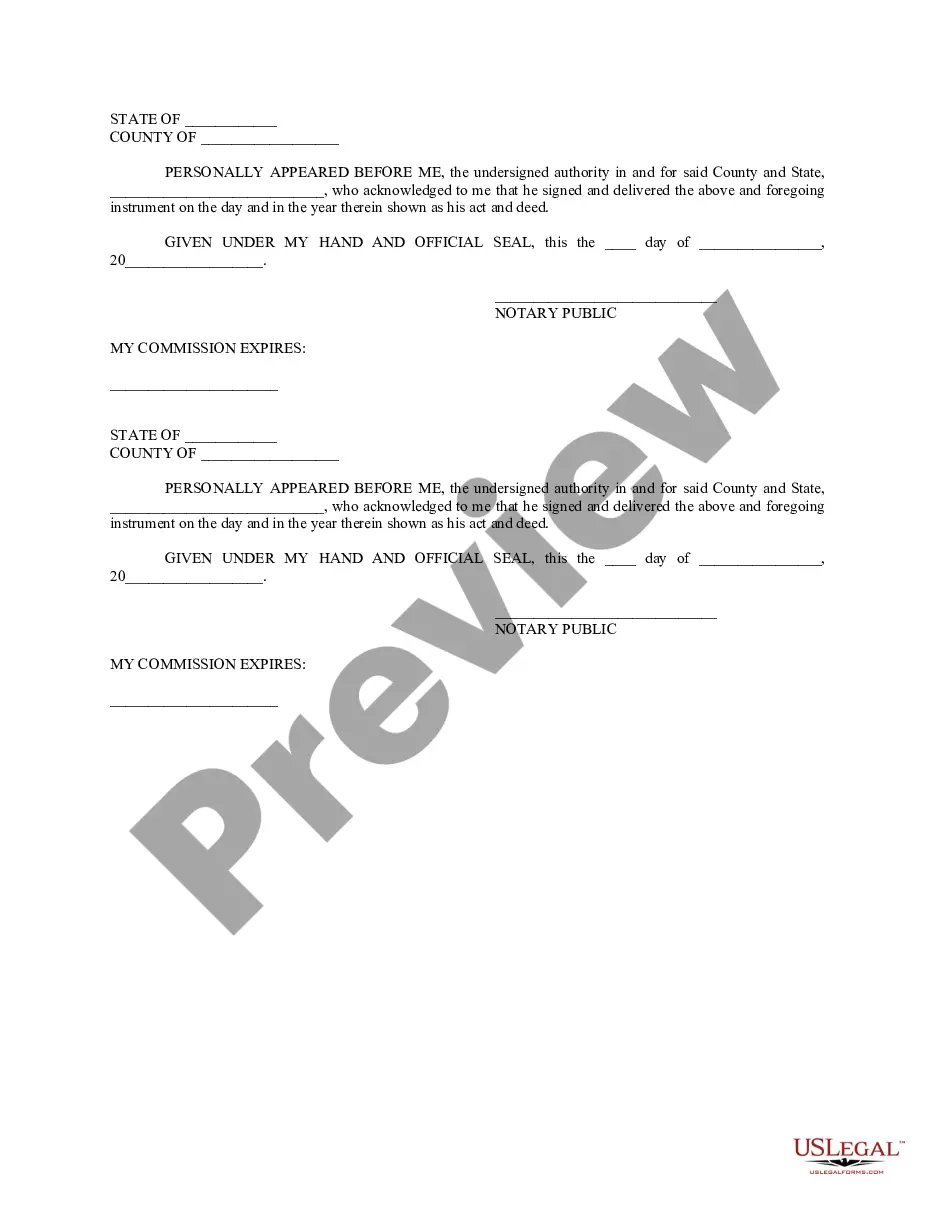
Get your form ready online
Our built-in tools help you complete, sign, share, and store your documents in one place.
Make edits, fill in missing information, and update formatting in US Legal Forms—just like you would in MS Word.
Download a copy, print it, send it by email, or mail it via USPS—whatever works best for your next step.
Sign and collect signatures with our SignNow integration. Send to multiple recipients, set reminders, and more. Go Premium to unlock E-Sign.
If this form requires notarization, complete it online through a secure video call—no need to meet a notary in person or wait for an appointment.
We protect your documents and personal data by following strict security and privacy standards.

Make edits, fill in missing information, and update formatting in US Legal Forms—just like you would in MS Word.

Download a copy, print it, send it by email, or mail it via USPS—whatever works best for your next step.

Sign and collect signatures with our SignNow integration. Send to multiple recipients, set reminders, and more. Go Premium to unlock E-Sign.

If this form requires notarization, complete it online through a secure video call—no need to meet a notary in person or wait for an appointment.

We protect your documents and personal data by following strict security and privacy standards.
Looking for another form?

Form popularity
FAQ
Limited Flexibility- Long-term leases aren't suitable for everyone, like those with uncertain future plans or frequent relocations. Long-Term Commitment- Committing to a longer lease can limit options if circumstances change unexpectedly.
One of the defining features of lease insurance is that it's the only product designed to protect the property management company and asset owner — meaning properties gain remarkably more coverage than they would with a traditional deposit, which significantly reduces bad debt.
A quick definition of lease insurance: Lease insurance is a type of insurance that protects a leaseholder from losing their lease due to damage to the property caused by a covered peril. If.
So, how long is a long term tenancy agreement? In short, a long-term let is anywhere from 6 months onwards. While long term tenancies don't offer the same flexibility or increased rates as short term agreements, they do perform better in several ways.
For landlords, long-term leases limit their flexibility and ability to adjust the rents or terms to reflect the current demand or supply. They also expose them to the risk of default or bankruptcy of the tenant, which can result in lost income and legal expenses.
