Mediation Agreement between Private Parties
What is this form?
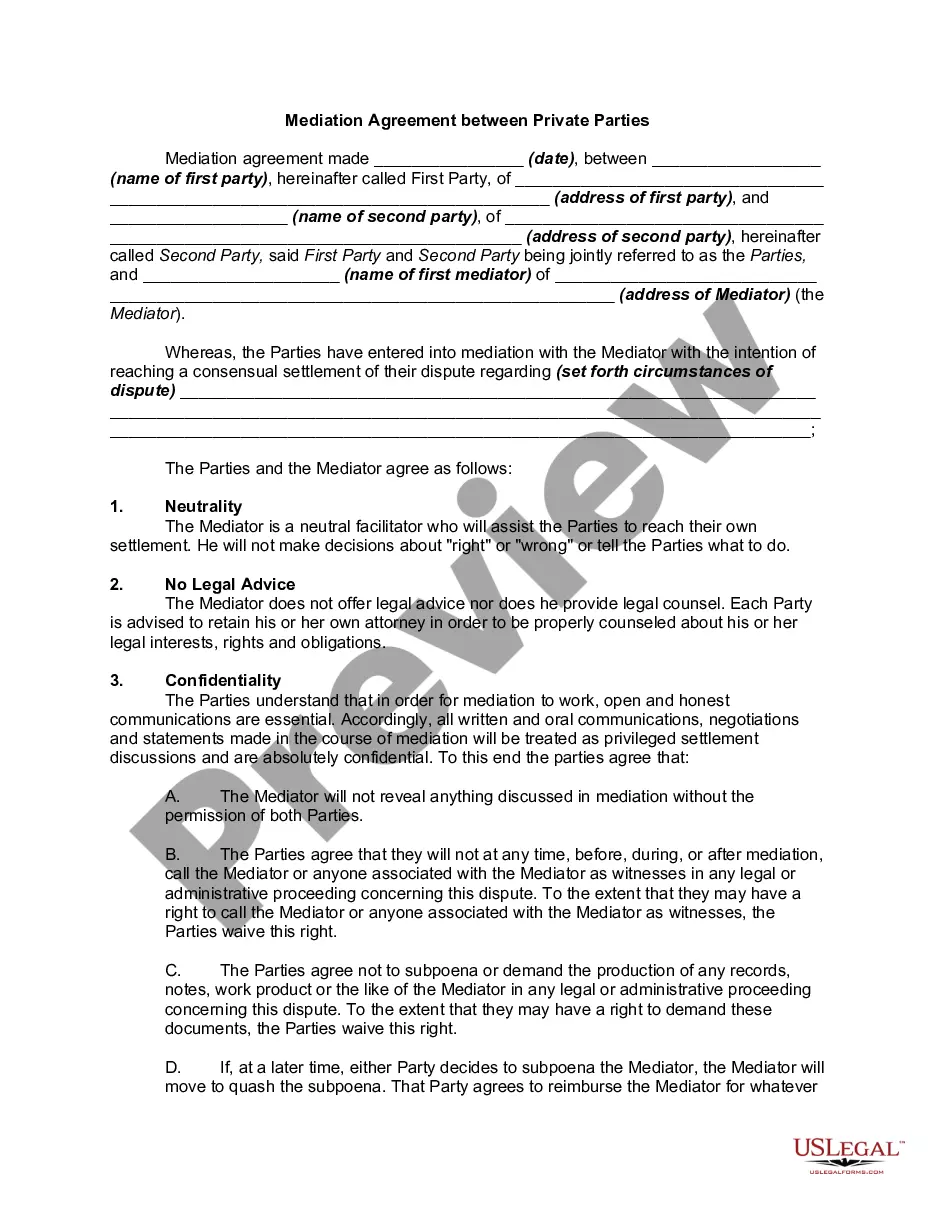
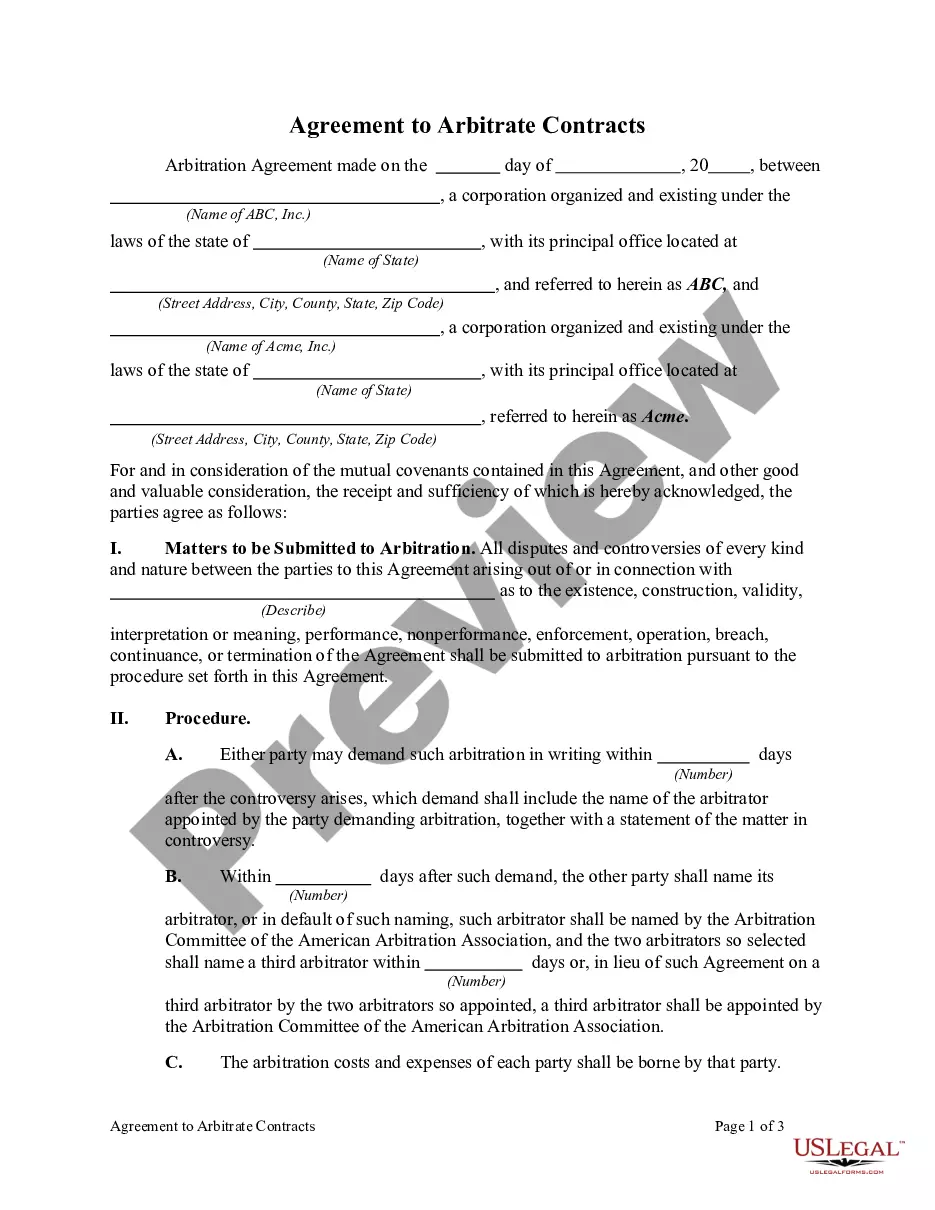
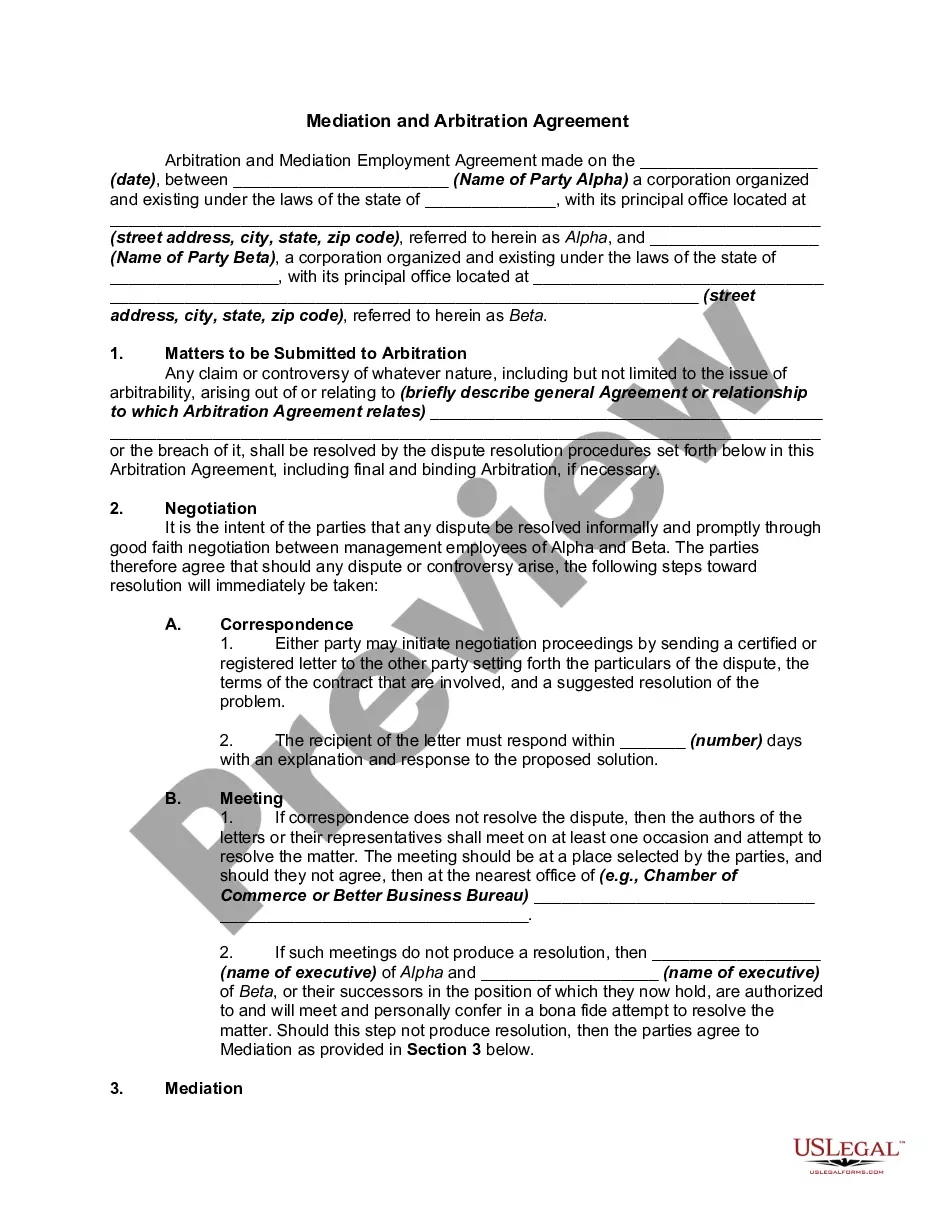
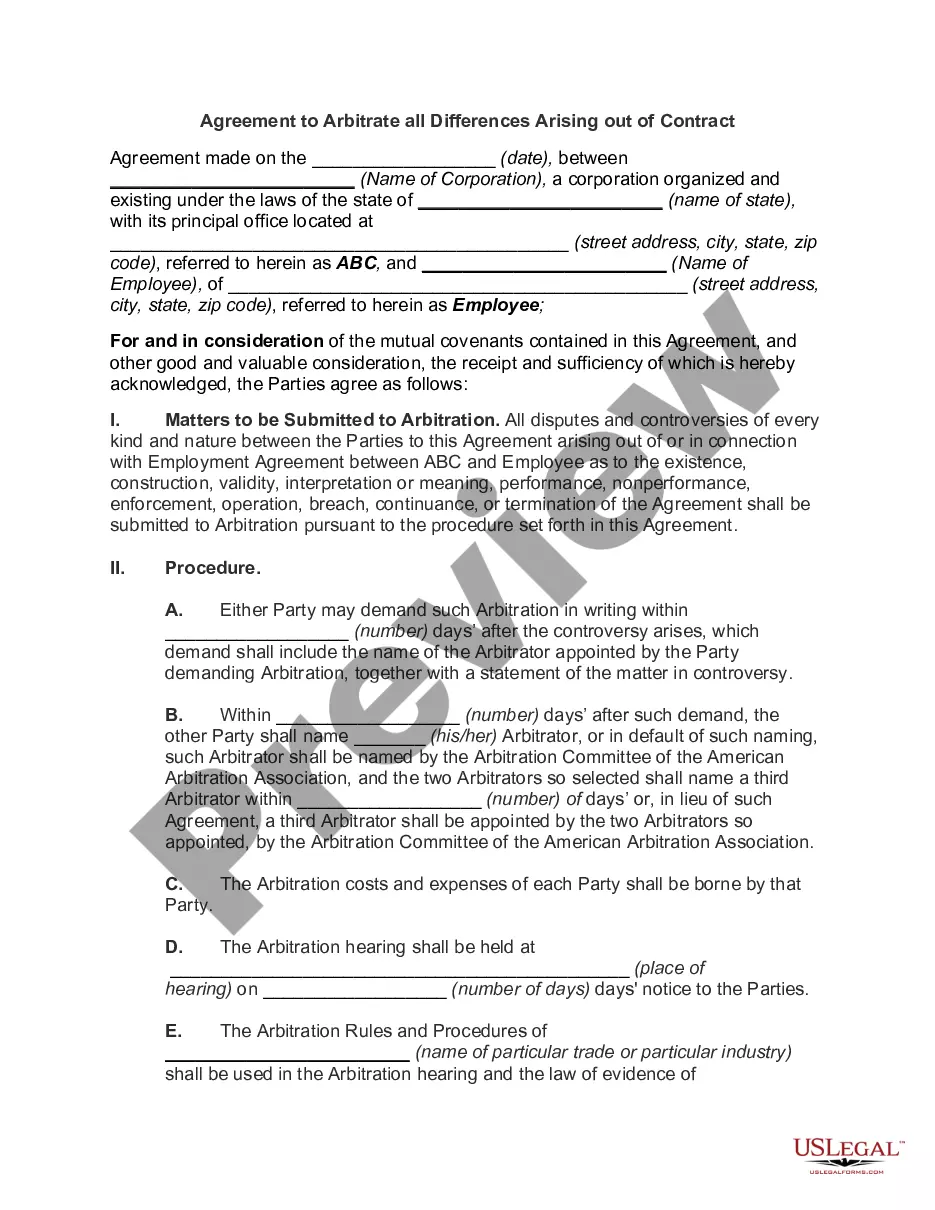
A mediation agreement between private parties is a document that outlines the terms and conditions agreed upon by two or more parties participating in mediation. This form serves to facilitate conflict resolution through a neutral mediator, who assists the parties in reaching a voluntary agreement. Unlike a court ruling, the mediator does not impose a decision, allowing the parties to maintain control over the outcome of their dispute.
Form components explained
- Identification of all parties involved, including their addresses and roles.
- Neutrality clause detailing the mediator's role and limitations.
- Confidentiality agreement ensuring that all discussions within mediation remain private.
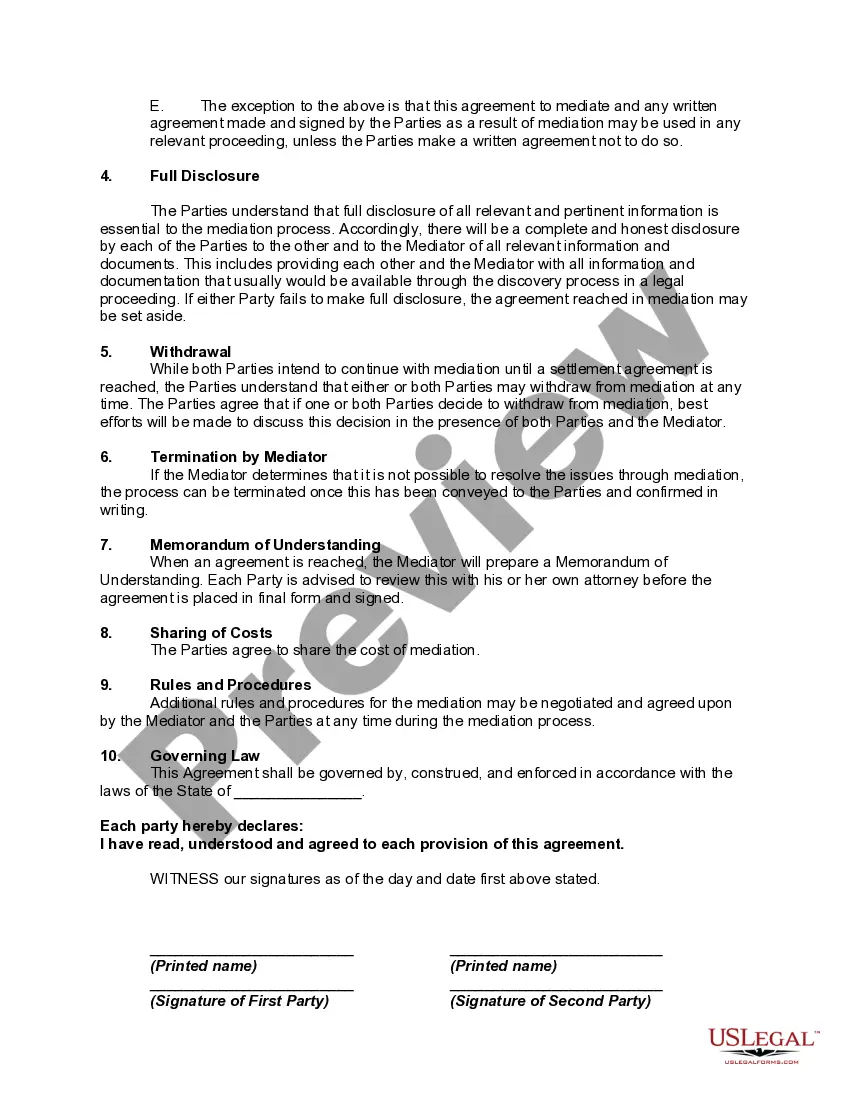
- Full disclosure requirements mandating honesty and transparency from both parties.
- Withdrawal and termination provisions that outline how mediation can be ended by either party or the mediator.
- Memorandum of Understanding that summarizes any agreements reached during mediation.



When to use this document
This form should be used when two parties wish to resolve a dispute through mediation. Common scenarios include disagreements in divorce proceedings regarding child custody, alimony, and property division, as well as other civil disputes where collaboration is preferred over litigation. This agreement is particularly useful when fighting may escalate, and the parties wish to reach a mutually beneficial resolution with the help of a mediator.
Who this form is for
- Couples undergoing divorce or separation seeking to resolve disputes amicably.
- Individuals involved in civil disputes or negotiations where mediation is preferable.
- Parties who are required by state law or court order to engage in mediation.
How to complete this form
- Identify the parties involved by filling in their names and addresses.
- Specify the date of the agreement and the name of the mediator.
- Clearly outline the dispute's circumstances that will be mediated.
- Review and agree upon the key provisions related to neutrality, confidentiality, and disclosure.
- Have all parties sign the agreement to finalize their commitment to the mediation process.
Is notarization required?
In most cases, this form does not require notarization. However, some jurisdictions or signing circumstances might. US Legal Forms offers online notarization powered by Notarize, accessible 24/7 for a quick, remote process.
Get your form ready online
Our built-in tools help you complete, sign, share, and store your documents in one place.
Make edits, fill in missing information, and update formatting in US Legal Forms—just like you would in MS Word.
Download a copy, print it, send it by email, or mail it via USPS—whatever works best for your next step.
Sign and collect signatures with our SignNow integration. Send to multiple recipients, set reminders, and more. Go Premium to unlock E-Sign.
If this form requires notarization, complete it online through a secure video call—no need to meet a notary in person or wait for an appointment.
We protect your documents and personal data by following strict security and privacy standards.

Make edits, fill in missing information, and update formatting in US Legal Forms—just like you would in MS Word.

Download a copy, print it, send it by email, or mail it via USPS—whatever works best for your next step.

Sign and collect signatures with our SignNow integration. Send to multiple recipients, set reminders, and more. Go Premium to unlock E-Sign.

If this form requires notarization, complete it online through a secure video call—no need to meet a notary in person or wait for an appointment.

We protect your documents and personal data by following strict security and privacy standards.
Mistakes to watch out for
- Failing to provide complete information about the parties involved.
- Not understanding the neutrality and confidentiality clauses.
- Overlooking the need for full disclosure of relevant information.
- Forgetting to sign the agreement, which makes it unenforceable.
Benefits of completing this form online
- Convenience of accessing and downloading the form anytime, anywhere.
- Editability allows parties to customize the agreement to fit their specific needs.
- Reliability in using professionally drafted and attorney-reviewed templates.
Looking for another form?
Form popularity
FAQ
Be upfront. Your first paragraph should tell the mediator who you represent, who the opponent is, summarize the claims and explain what is at stake. Provide a concise summary of the facts and claims. Summarize prior settlement discussions. Identify strengths and weaknesses. Bring it home.
If both of you agree to change an informal mediation agreement, the process is very simple. It is still a good idea to consult a lawyer to ensure that the new agreement meets legal standards and fully replaces the old one. However, if the other party does not agree to the changes then you can take them to court.
An agreement you reach through mediation can become legally binding by the terms being made into a consent order. A consent order is a legal document usually drawn up by a solicitor setting out what you have agreed during mediation that will then be sent to the court and approved by a judge.
If you want to be able to enforce an agreement under 664.6, your client must personally sign the agreement. In terms of format, the agreement itself should include a stipulation that the agreement can be enforced pursuant to 664.6, and the parties will request the court retain jurisdiction to enforce compliance.
Avoid saying alienating things, and say difficult things in the least alienating way possible. Set ground rules to avoid attacking openings. Remember that avoiding saying unwelcome things, by having the mediator say them, merely transfers the other party's resentment from counsel to the mediator.
An agreement you reach through mediation can become legally binding by the terms being made into a consent order. A consent order is a legal document usually drawn up by a solicitor setting out what you have agreed during mediation that will then be sent to the court and approved by a judge.
Any agreements made during mediation are not legally binding in the sense of being enforceable in a court. Some people do decide to get a solicitor to look over the agreement, and the agreement can be used in court at a later stage in order to create a Consent Order.
Avoid saying alienating things, and say difficult things in the least alienating way possible. Set ground rules to avoid attacking openings. Remember that avoiding saying unwelcome things, by having the mediator say them, merely transfers the other party's resentment from counsel to the mediator.
If you are invited to mediation, it is expected that you will pay for your fees, unless you are eligible for Legal Aid or your ex-partner has offered to pay for it.