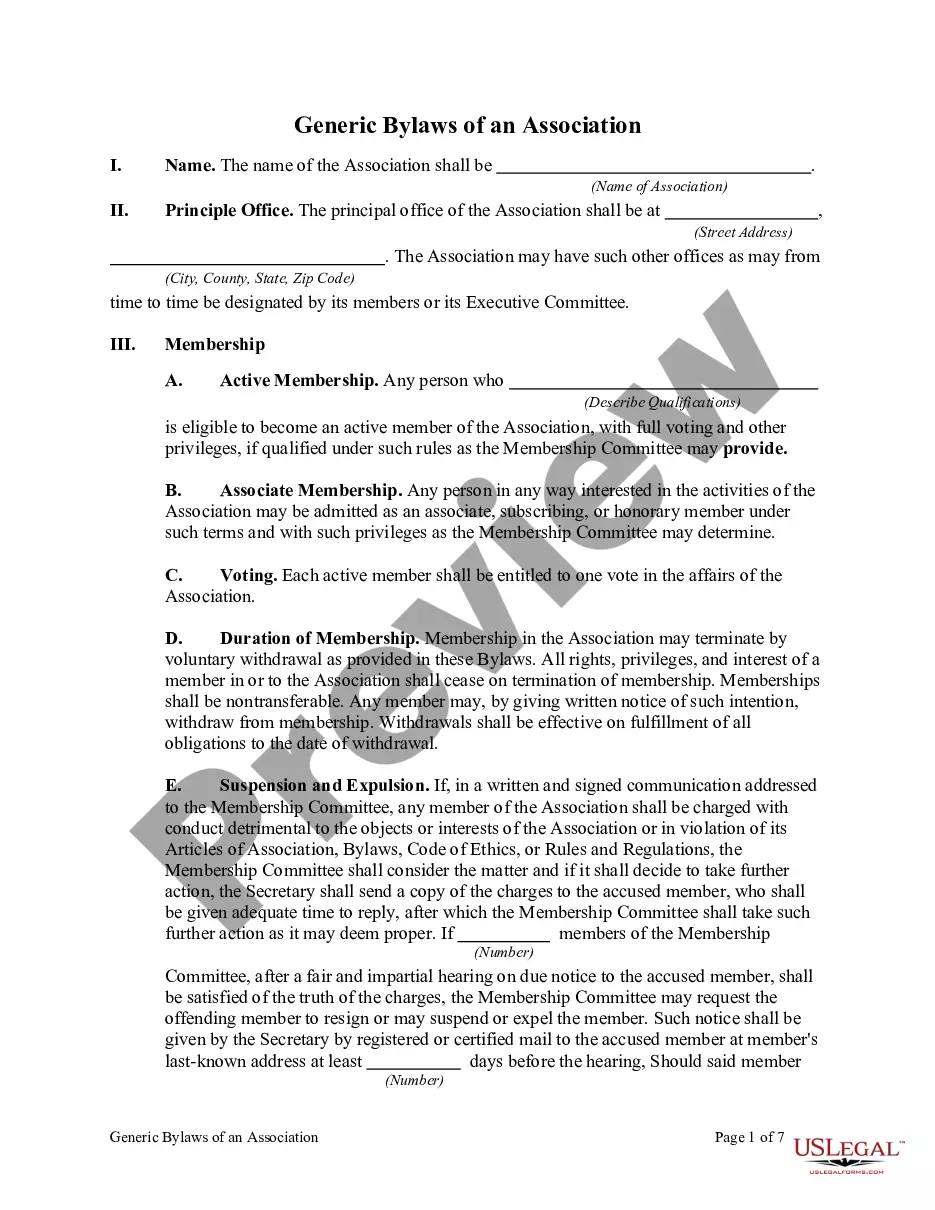
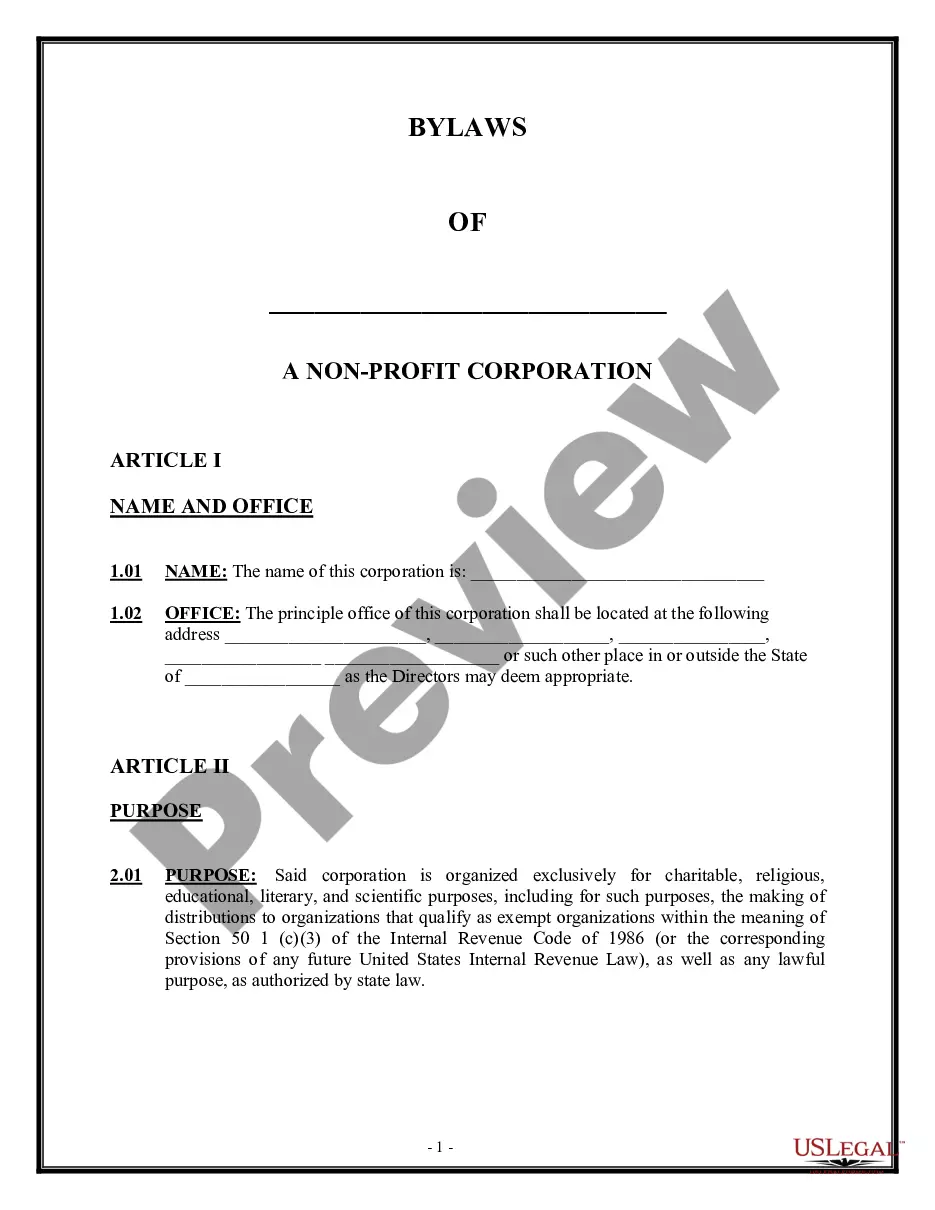
Property Owners Association Bylaws Format In Nevada
Description

Get your form ready online
Our built-in tools help you complete, sign, share, and store your documents in one place.
Make edits, fill in missing information, and update formatting in US Legal Forms—just like you would in MS Word.
Download a copy, print it, send it by email, or mail it via USPS—whatever works best for your next step.
Sign and collect signatures with our SignNow integration. Send to multiple recipients, set reminders, and more. Go Premium to unlock E-Sign.
If this form requires notarization, complete it online through a secure video call—no need to meet a notary in person or wait for an appointment.
We protect your documents and personal data by following strict security and privacy standards.

Make edits, fill in missing information, and update formatting in US Legal Forms—just like you would in MS Word.

Download a copy, print it, send it by email, or mail it via USPS—whatever works best for your next step.

Sign and collect signatures with our SignNow integration. Send to multiple recipients, set reminders, and more. Go Premium to unlock E-Sign.

If this form requires notarization, complete it online through a secure video call—no need to meet a notary in person or wait for an appointment.

We protect your documents and personal data by following strict security and privacy standards.
Looking for another form?

Form popularity
FAQ
Federal and state laws regulate HOAs in Nevada, but it is the Nevada Real Estate Department that is ultimately responsible for maintaining the proper functioning of HOAs and their communities. Many of the rights that people have over their properties are surrendered to HOAs.
What are association bylaws? Simply put, association bylaws are the legal guidelines for internal operations that an association needs to follow. They include the rules, regulations and processes that map out how to run an association day-to-day.
Simply put, homeowners association bylaws dictate how an HOA should run. Since HOAs are considered corporations under law, albeit non-profit, they require bylaws to govern day-to-day operations. HOA bylaws are also sometimes referred to as neighborhood association bylaws or subdivision bylaws.
HOA: Manages amenities and common areas within the confines of a particular community, which may include parks, pools, or clubhouses. POA: Often oversees larger-scale amenities, such as golf courses, recreational facilities, or expansive common areas that serve multiple neighborhoods.
Subdivisions with homeowners' associations established after Jan. 1, 1999, are governed by the North Carolina Planned Community Act found in Chapter 47F of the North Carolina General Statutes. However, no state or federal agency oversees homeowners' associations.
Simply put, homeowners association bylaws dictate how an HOA should run. Since HOAs are considered corporations under law, albeit non-profit, they require bylaws to govern day-to-day operations. HOA bylaws are also sometimes referred to as neighborhood association bylaws or subdivision bylaws.
The main difference is that covenants dictate property-related restrictions, while bylaws govern how the HOA operates — things like board elections, meeting procedures, and voting rights. Because covenants are recorded with the property deed and tied to real estate law, they generally hold more weight.
Nevada legislation dictates that you should have received a copy of your CC&Rs when you bought your home. (If it was a resale, you should have received them as part of your closing package.) If you don't have a copy of the document, reach out to your board or community management company.
HOA Directory: Homeowners can find their community association or subdivision's contact information, list of board members, and other relevant corporate information by visiting the Nevada Business Portal and entering the name of the association in the search field.
The HOA is not allowed to trespass unto private property unless (a) the HOA has an easement to that property, (b) the HOA has been allowed by the owner to do this, or (c) the covenants associated with deed allow this, but this would normally be in the form of an easement anyhow.
