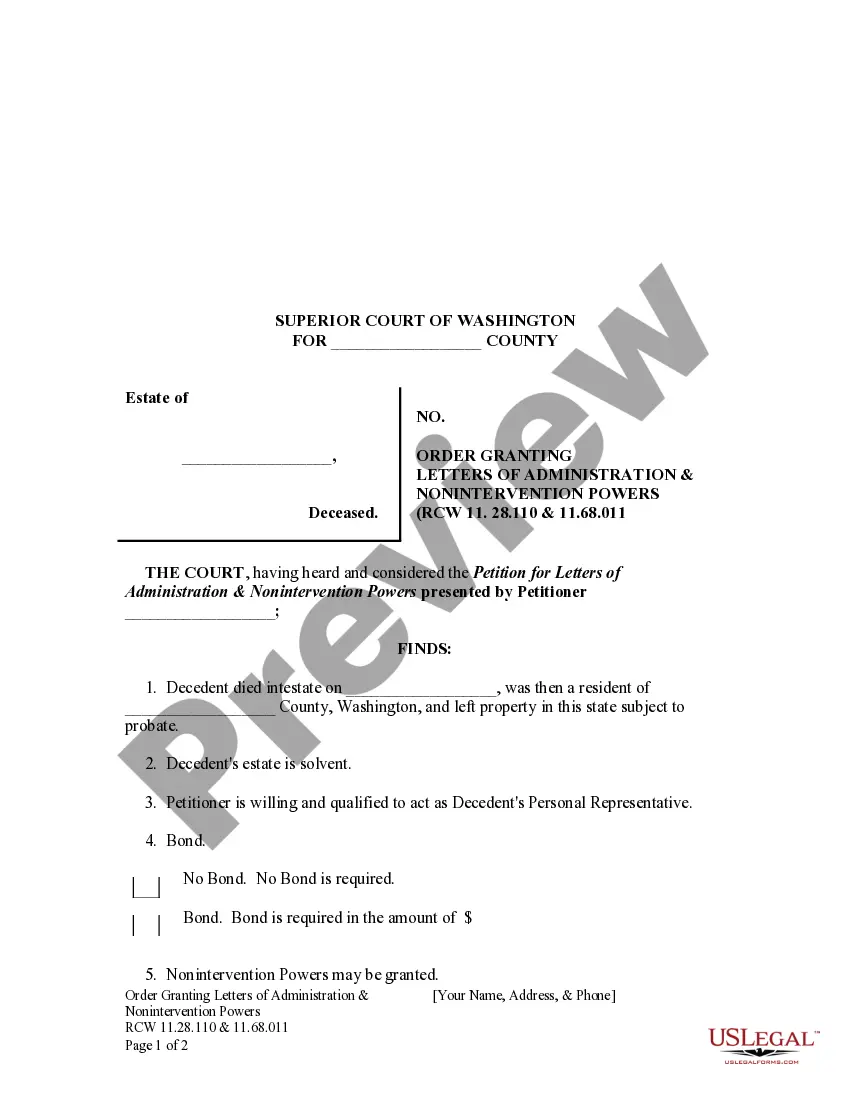
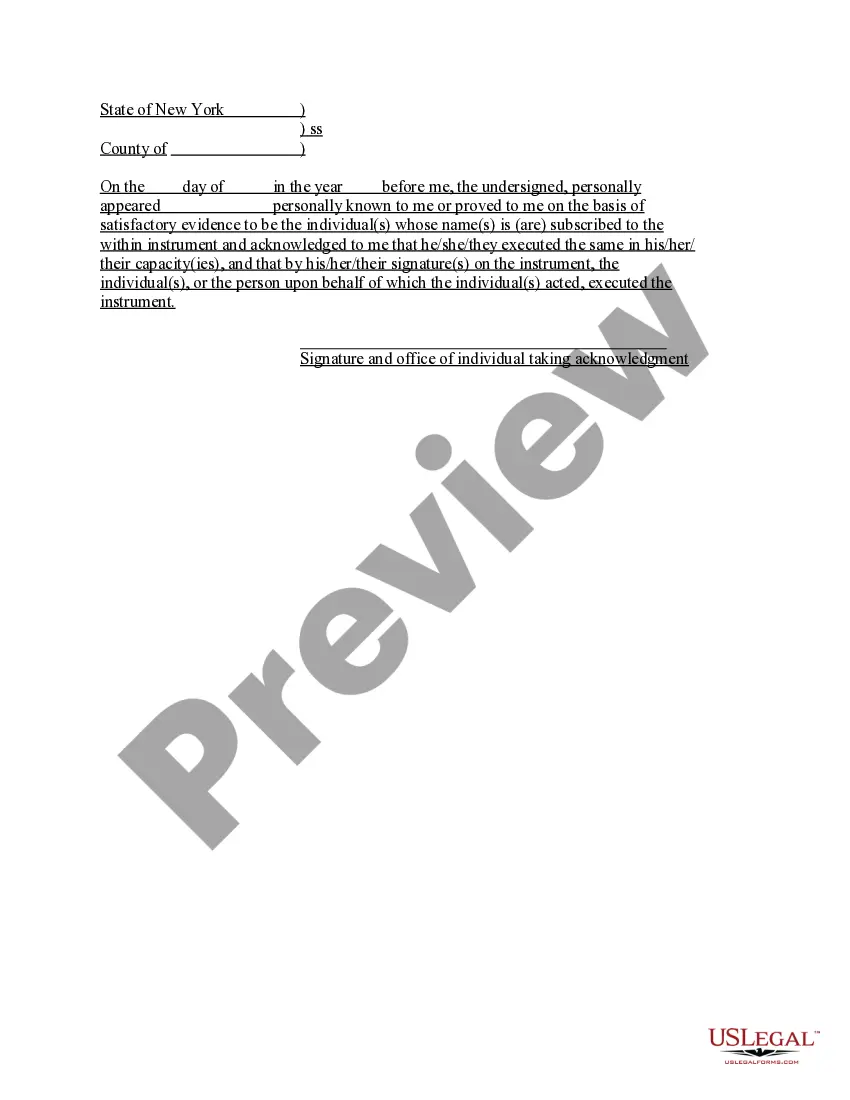
New York Uniform Certificate of Acknowledgment
Overview of this form
The Uniform Certificate of Acknowledgment is a legal document used to certify that a signer has acknowledged their signature on a particular instrument. This form is particularly important in real estate transactions and other legal contexts where proof of identity and voluntary execution is required. Unlike other general acknowledgment forms, this specific certificate follows established uniform standards to ensure acceptance across various jurisdictions.
Key components of this form
- Date of acknowledgment
- Name and signature of the individual taking the acknowledgment
- Identification of the individual(s) whose signature is being acknowledged
- Statement confirming the individual's acknowledgment of their signature
- Jurisdiction where the acknowledgment takes place

When to use this form
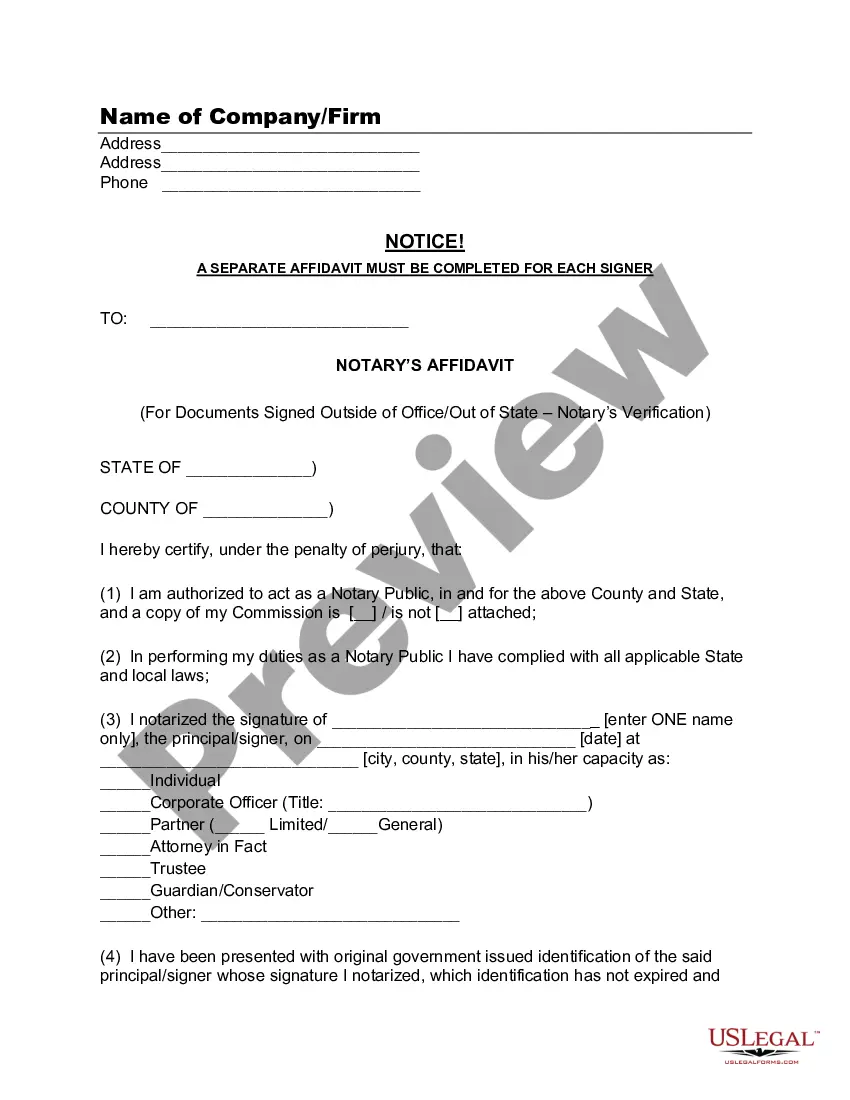
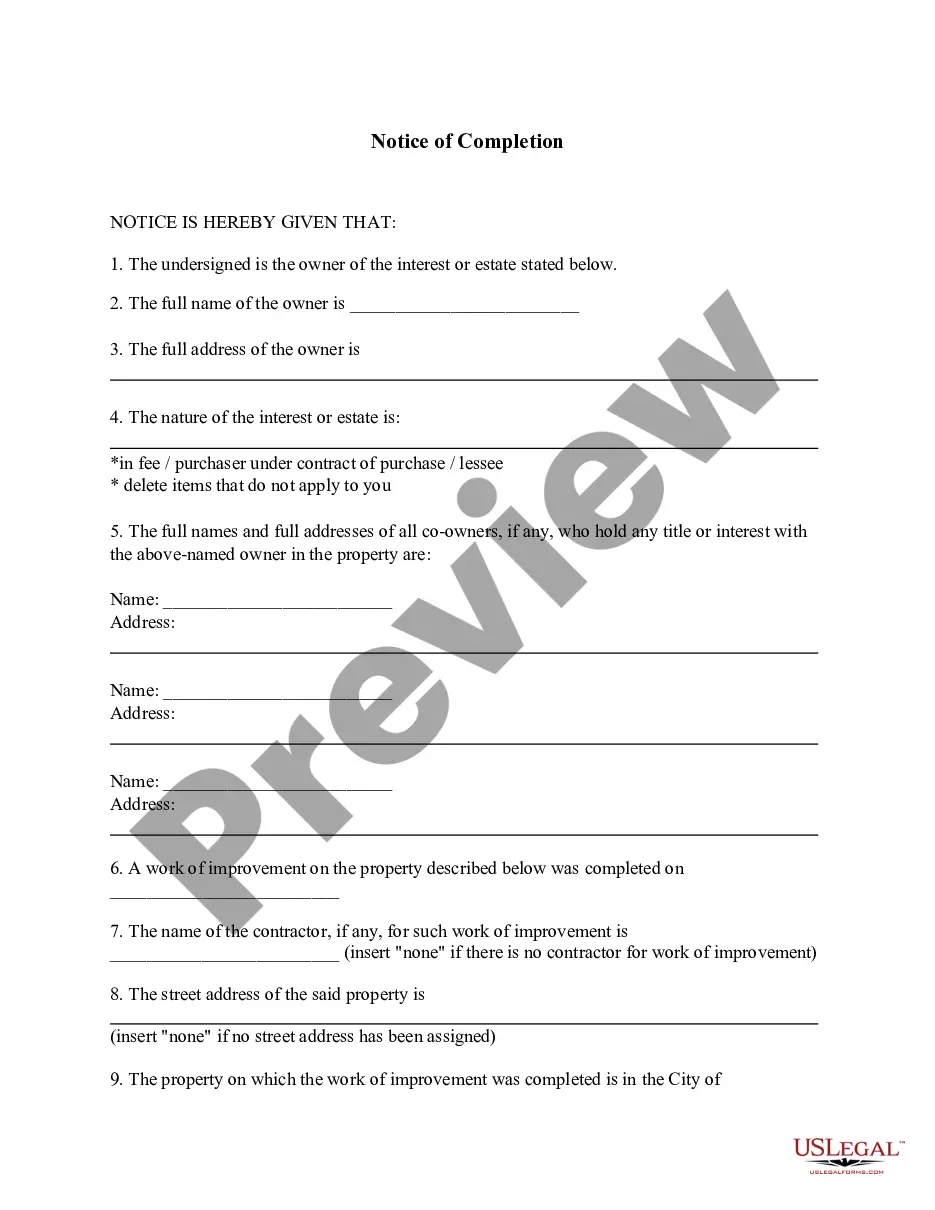
This form is necessary in situations where a signer must confirm their identity and acknowledge their signature before a notary public or another authorized individual. Common scenarios include signing real estate deeds, mortgages, or other legal documents that require formal verification of the signer's identity and intent.
Who can use this document
- Individuals involved in real estate transactions
- Business owners executing legal documents
- Attorneys representing clients in formal agreements
- Notaries public or other authorized officials facilitating acknowledgments
Steps to complete this form
- Identify the date when the acknowledgment is being made.
- Enter the name of the individual(s) whose signature is being acknowledged.
- Specify the capacity in which the individual(s) signed (e.g., individually, as an officer).
- Have the individual(s) sign the document in the presence of the officer taking the acknowledgment.
- Complete the signature section for the officer taking the acknowledgment.
Is notarization required?
To make this form legally binding, it must be notarized. Our online notarization service, powered by Notarize, lets you verify and sign documents remotely through an encrypted video session.
Get your form ready online
Our built-in tools help you complete, sign, share, and store your documents in one place.
Make edits, fill in missing information, and update formatting in US Legal Forms—just like you would in MS Word.
Download a copy, print it, send it by email, or mail it via USPS—whatever works best for your next step.
Sign and collect signatures with our SignNow integration. Send to multiple recipients, set reminders, and more. Go Premium to unlock E-Sign.
If this form requires notarization, complete it online through a secure video call—no need to meet a notary in person or wait for an appointment.
We protect your documents and personal data by following strict security and privacy standards.

Make edits, fill in missing information, and update formatting in US Legal Forms—just like you would in MS Word.

Download a copy, print it, send it by email, or mail it via USPS—whatever works best for your next step.

Sign and collect signatures with our SignNow integration. Send to multiple recipients, set reminders, and more. Go Premium to unlock E-Sign.

If this form requires notarization, complete it online through a secure video call—no need to meet a notary in person or wait for an appointment.

We protect your documents and personal data by following strict security and privacy standards.
Typical mistakes to avoid
- Failing to sign the form in the presence of the notary.
- Not providing proper identification for the signer.
- Leaving fields blank, which can result in rejection.
- Incorrectly entering names or titles of individuals involved.
Advantages of online completion
- Convenient access to the form from any location with internet connectivity.
- Editability allows users to customize entries before downloading.
- Reliable templates ensure compliance with legal standards.
- Easy downloading options in multiple formats for immediate use.
Looking for another form?
Form popularity
FAQ
The purpose of an acknowledgment is for a signer, whose identity has been verified, to declare to a Notary or notarial officer that he or she has willingly signed a document.The signer may either sign the document before appearing before you, or in your presence.
Require Personal Appearance. Review The Document. Screen The Signer And Verify The Facts. Record The Notarization. Complete The Notarization.
Step 1: Require Personal Appearance. Step 2: Check Over The Document. Step 3: Carefully Identify The Signer. Step 4: Record Your Journal Entry. Step 5: Complete The Notarial Certificate. A Last Note: Never Give Advice.
N. the section at the end of a document where a notary public verifies that the signer of the document states he/she actually signed it. The acknowledgment or due proof of the instrument by witnesses, must be made before it can be put upon record.
Step 1: Require Personal Appearance. Step 2: Check Over The Document. Step 3: Carefully Identify The Signer. Step 4: Record Your Journal Entry. Step 5: Complete The Notarial Certificate. A Last Note: Never Give Advice.
If the document has already been signed, the signer can sign his or her name again above or next to the first signature. You can then proceed with the notarization. You may want to notate in your journal that the signer was instructed to sign again in your presence.
The preparer of the document adds both acknowledgment certificates for the notary public to decide and execute the acknowledgment certificate most appropriate to the situation. However, most documents that name two principal signers will generally include two notarial certificatesone for each signer.
The certificate of a notary public, justice of the peace, or other authorized officer, attached to a deed, mortgage, or other instrument, setting forth that the parties thereto personally appeared before him on such a date and acknowledged the instrument to be their free and voluntary act and deed. Read v.
The purpose of an acknowledgment is for a signer, whose identity has been verified, to declare to a Notary or notarial officer that he or she has willingly signed a document.