Agreement Between Partnership For Dissolution In Philadelphia
Description

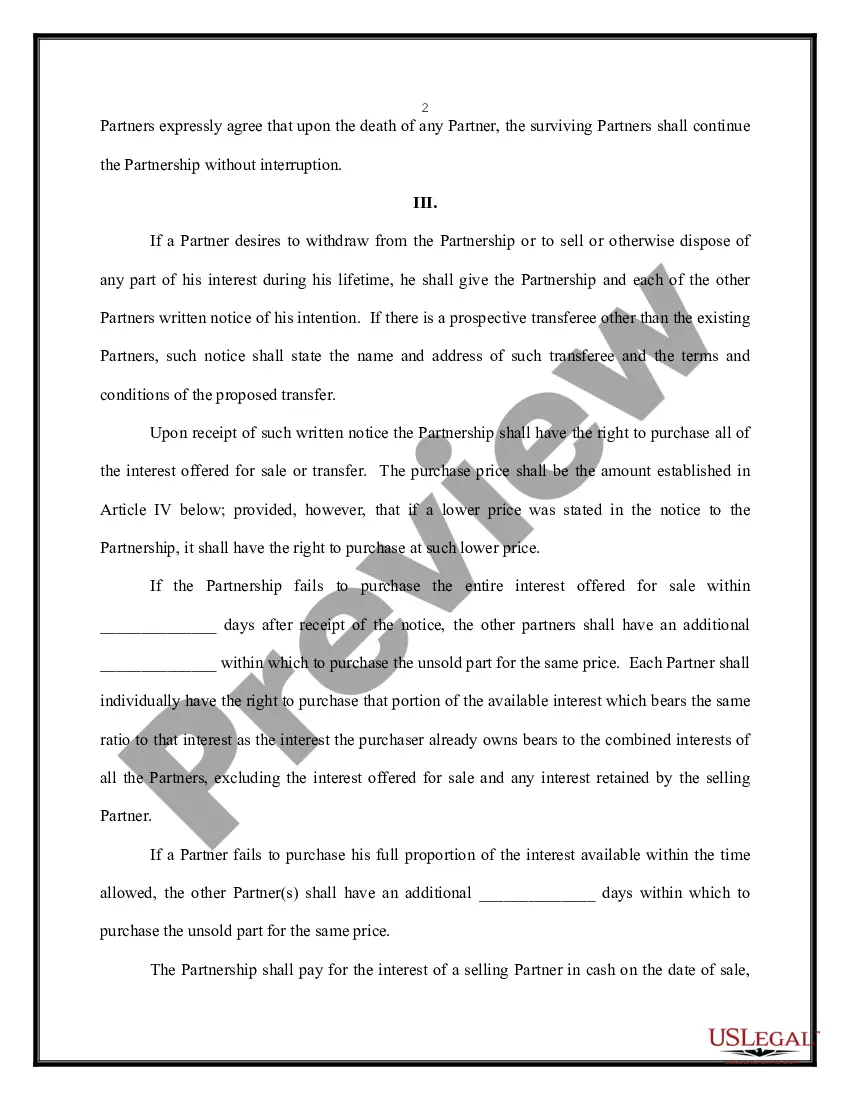
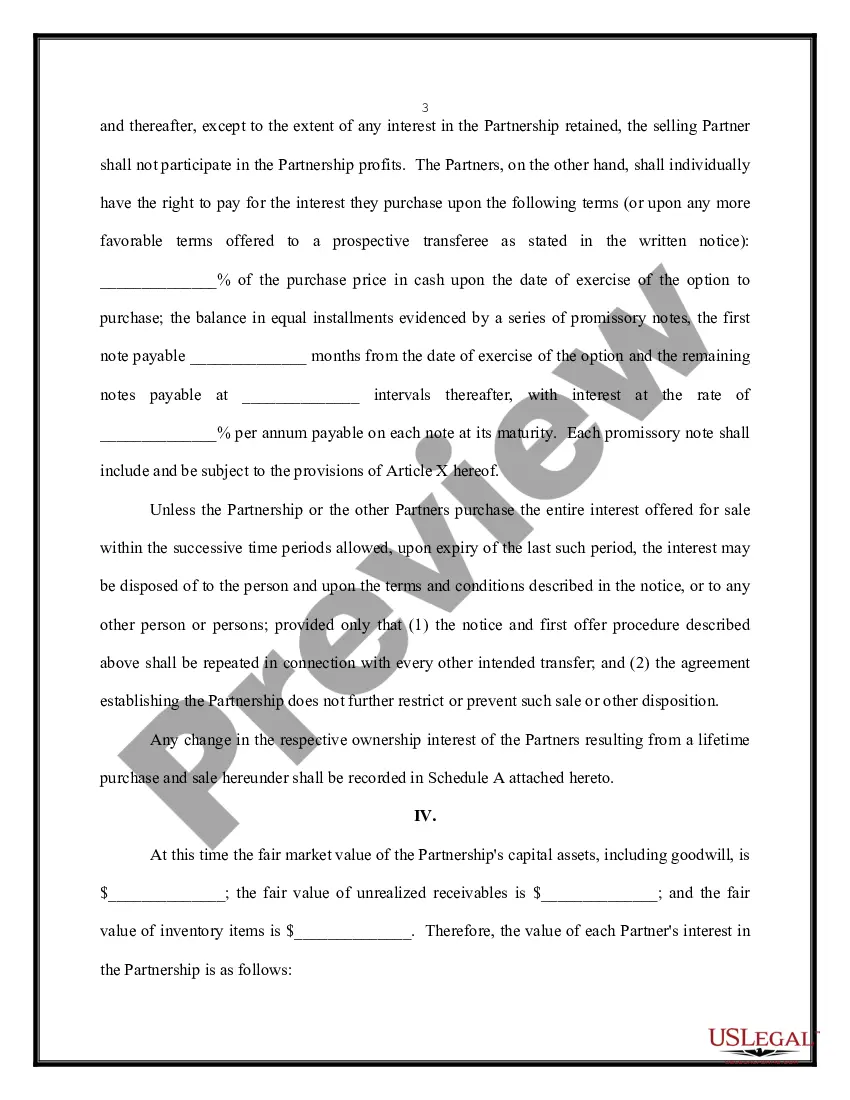
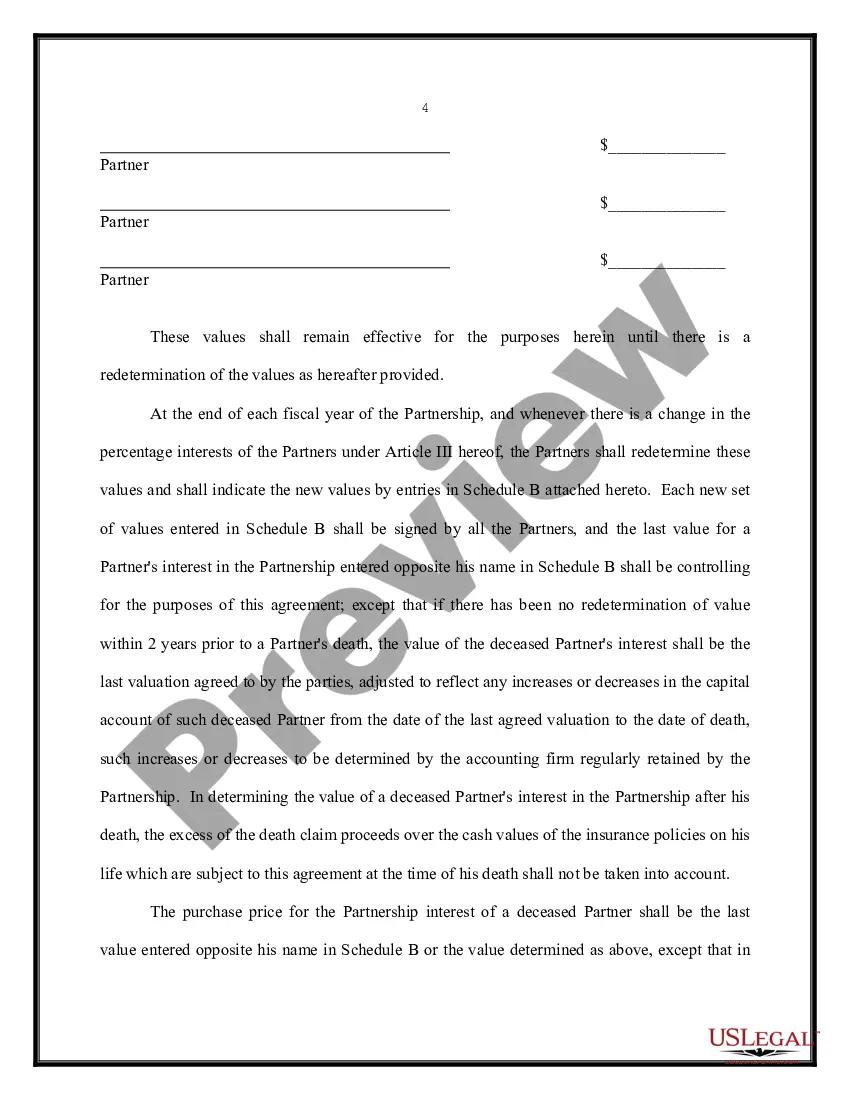
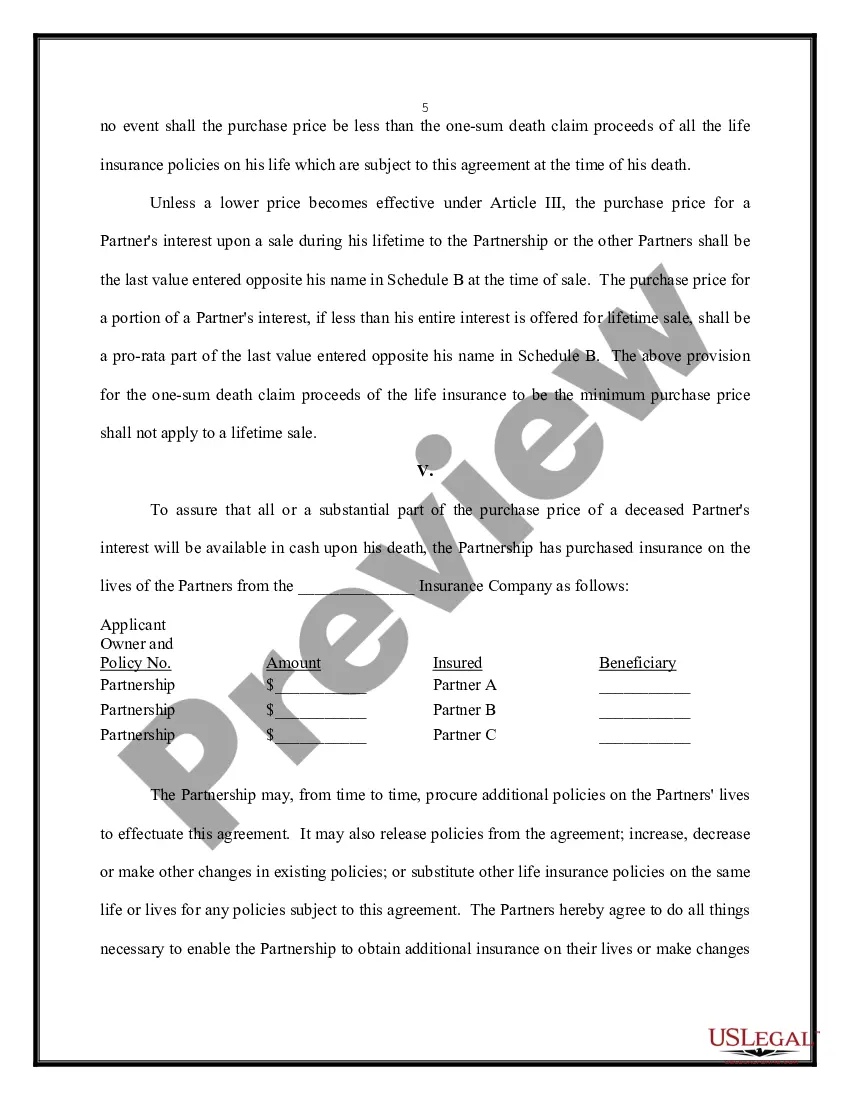
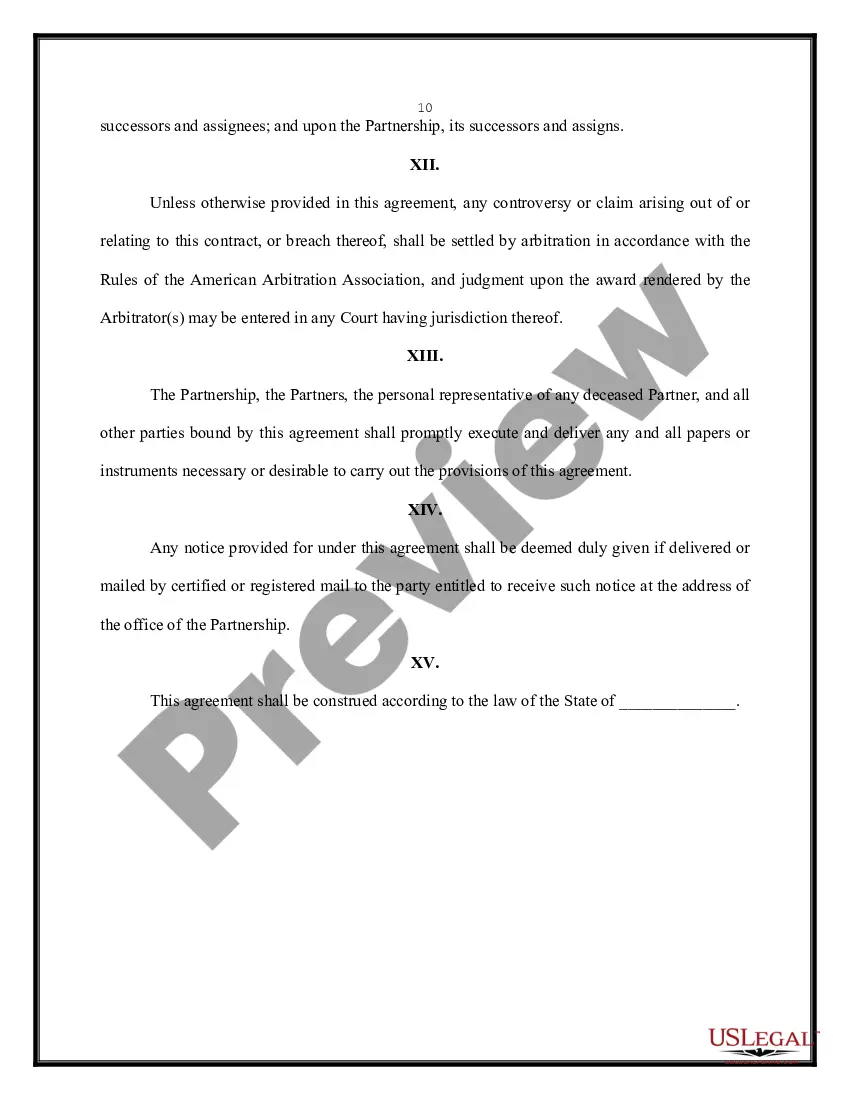


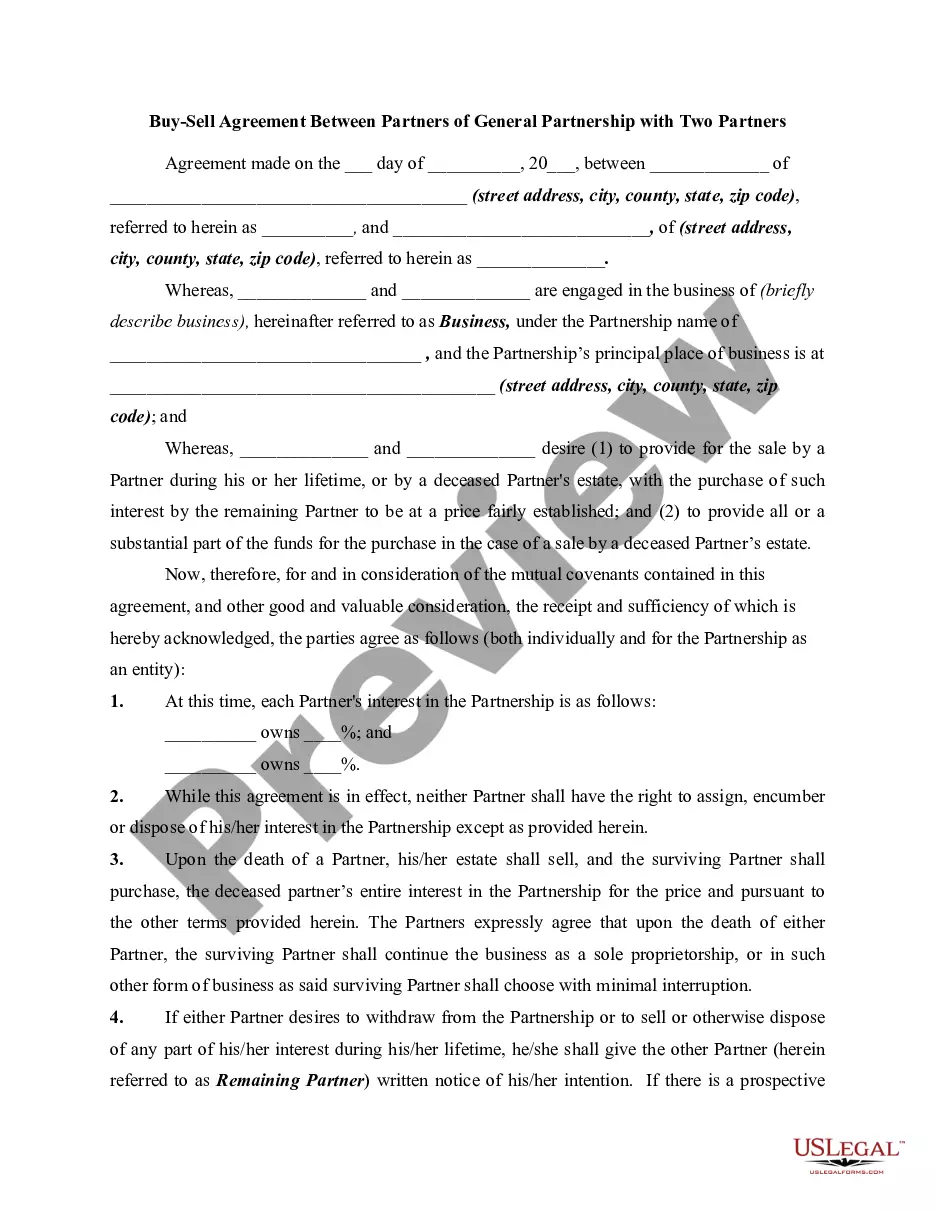
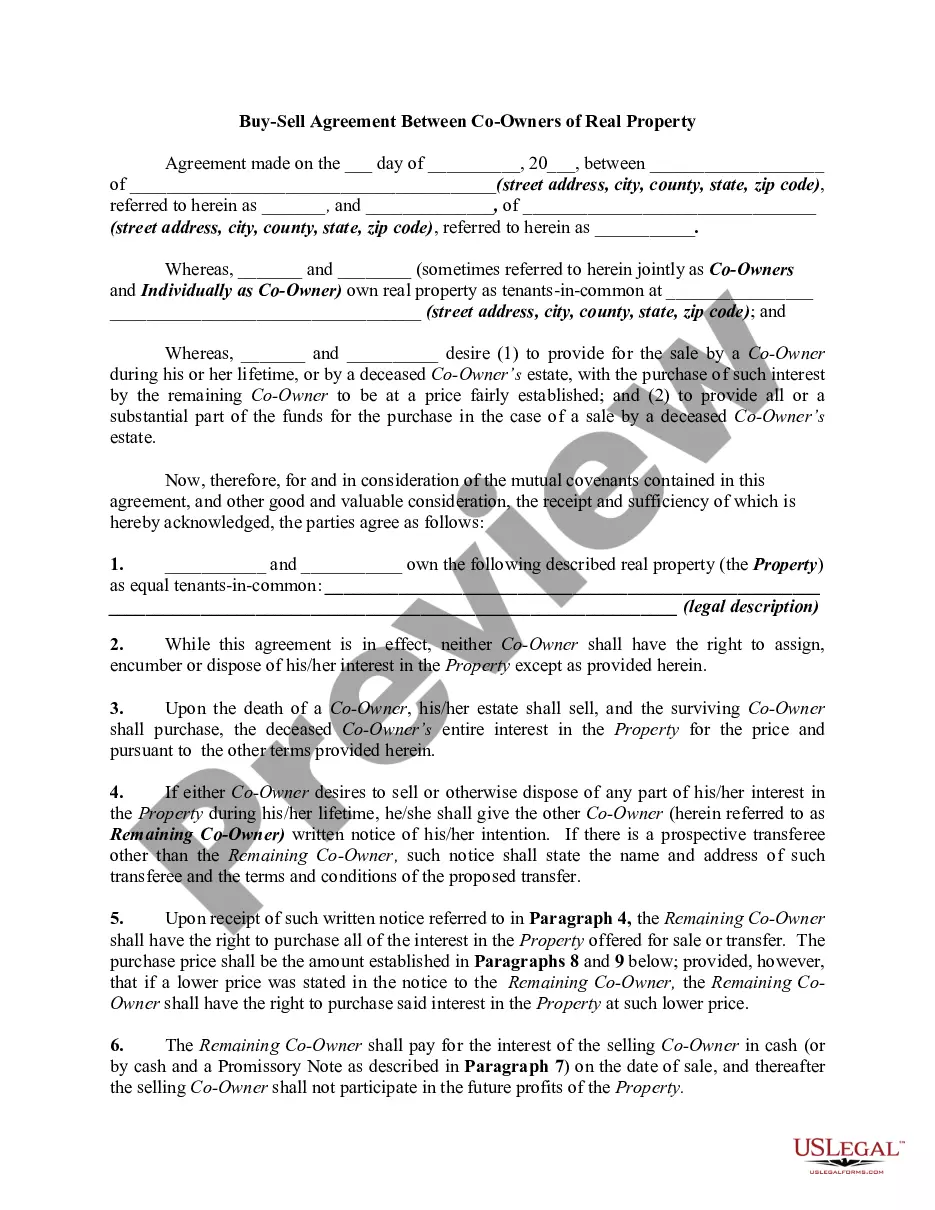
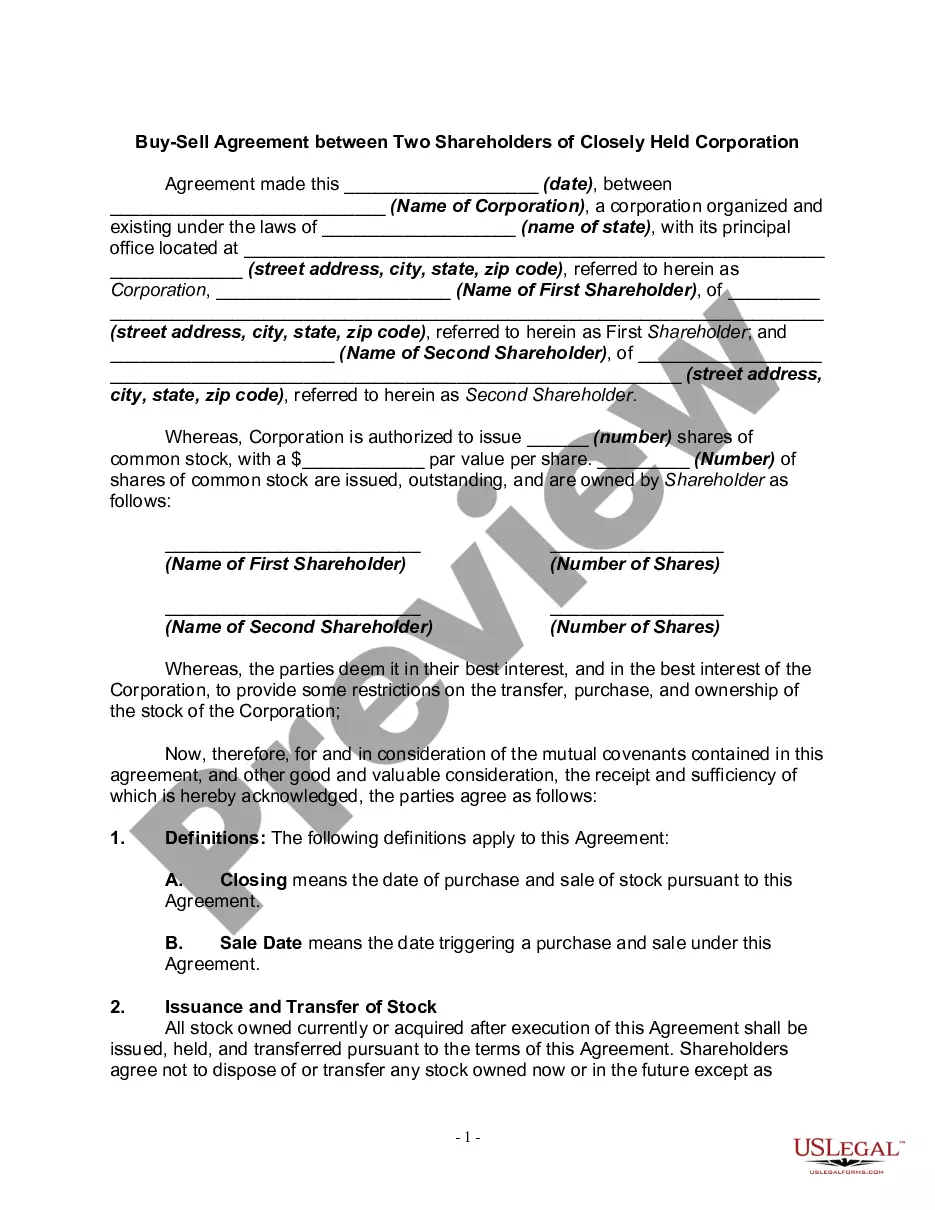
Get your form ready online
Our built-in tools help you complete, sign, share, and store your documents in one place.
Make edits, fill in missing information, and update formatting in US Legal Forms—just like you would in MS Word.
Download a copy, print it, send it by email, or mail it via USPS—whatever works best for your next step.
Sign and collect signatures with our SignNow integration. Send to multiple recipients, set reminders, and more. Go Premium to unlock E-Sign.
If this form requires notarization, complete it online through a secure video call—no need to meet a notary in person or wait for an appointment.
We protect your documents and personal data by following strict security and privacy standards.

Make edits, fill in missing information, and update formatting in US Legal Forms—just like you would in MS Word.

Download a copy, print it, send it by email, or mail it via USPS—whatever works best for your next step.

Sign and collect signatures with our SignNow integration. Send to multiple recipients, set reminders, and more. Go Premium to unlock E-Sign.

If this form requires notarization, complete it online through a secure video call—no need to meet a notary in person or wait for an appointment.

We protect your documents and personal data by following strict security and privacy standards.
Looking for another form?








Form popularity
FAQ
Ending an ordinary partnership Notice of termination can be served by one or more partners or a simple agreement can be reached. A Dissolution of partnership deed can be used to properly wind up the partnership and divide any assets or liabilities - this also applies to LLPs and limited partnerships (see below).
Ways of Dissolving a Partnership Firm When partners mutually agreed. Compulsory dissolution. Dissolution depending on certain contingent events. Dissolution by notice. Dissolution by Court. Transfer of interest or equity to the third party.
This is accomplished through the filing of a Certificate of Dissolution, which must be signed by at least one member of the partnership and must specify information regarding the distribution of assets and the management of obligations and debts.
Essentials of Partnership Firm Dissolution This process encompasses liquidating or disposing of the firm's assets, clearing all liabilities, and finalizing the accounts. Any remaining funds within the firm are then distributed among the partners ing to the profit-sharing ratio specified in the partnership deed.
The process of dissolving your partnership Discuss the terms and issues. Draft a dissolution agreement. Double-check the terms. Check your state's business laws. File a statement of dissolution with your state. Notify all of your customers, clients and suppliers directly. Divide the remaining assets.
Dissolution occurs when any partner discontinues his or her involvement in the partnership business or when there is any change in the partnership relationship. The second step is known as winding up. This is when partnership accounts are settled and assets are liquidated.
When partners mutually agreed. It is the easiest way to dissolve a partnership firm since all partners have mutually agreed upon closing the partnership firm. Partners can give a mutual consent or may enter into an agreement for the dissolve.
How to Write a Partnership Agreement Define Partnership Structure. Outline Capital Contributions and Ownership. Detail Profit, Loss, and Distribution Arrangements. Set Decision-Making and Management Protocols. Plan for Changes and Contingencies. Include Legal Provisions and Finalize the Agreement.
The strongest and most successful partnership agreements tend to include four main elements. Clear business objectives and roles. Begin your agreement by outlining the primary goals of the partnership. Financial contributions and profit distribution. Decision-making processes. Exit strategies and dissolution procedures.
