Agreement Between Partnership With Profit Sharing In Orange
Description

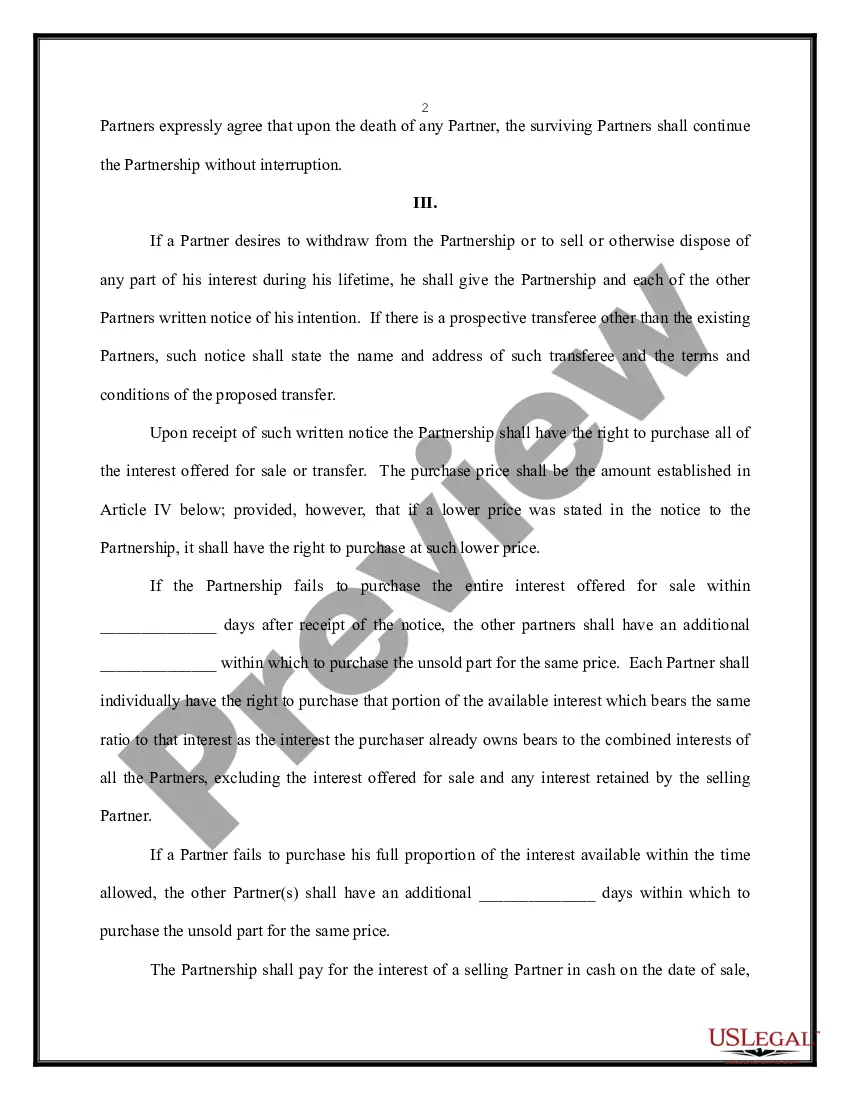
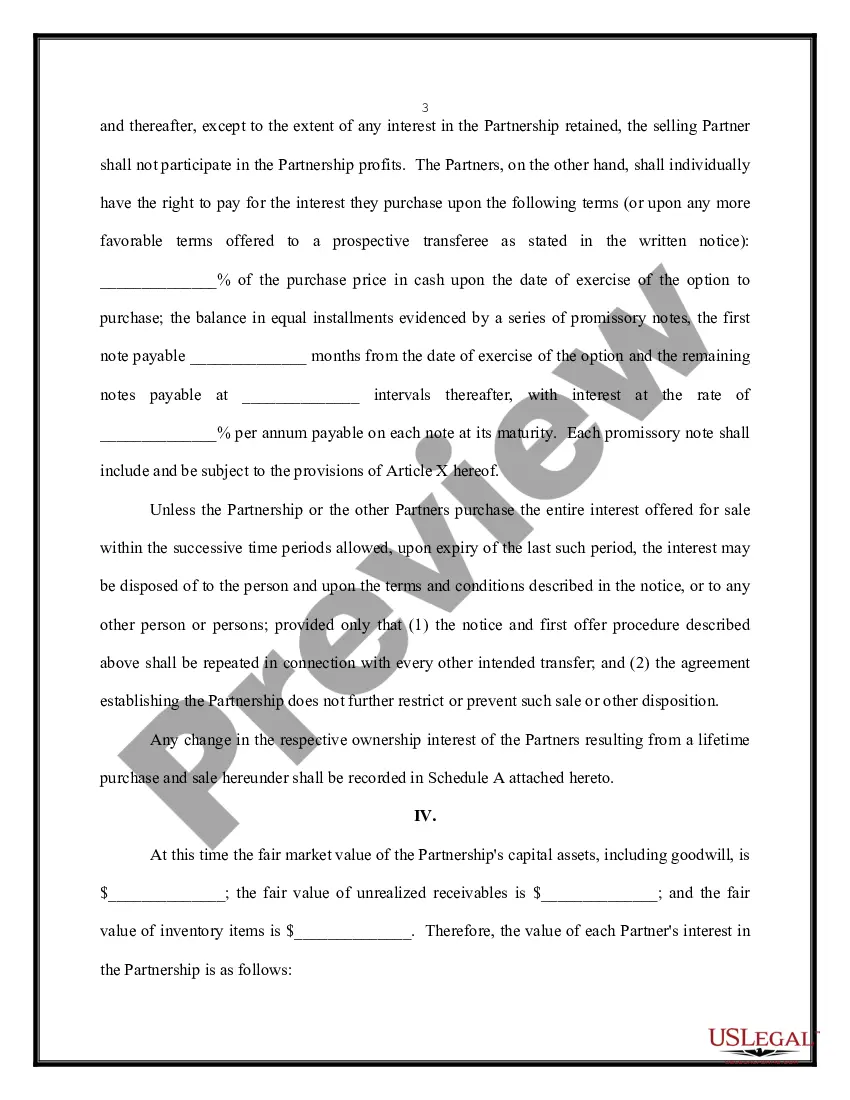
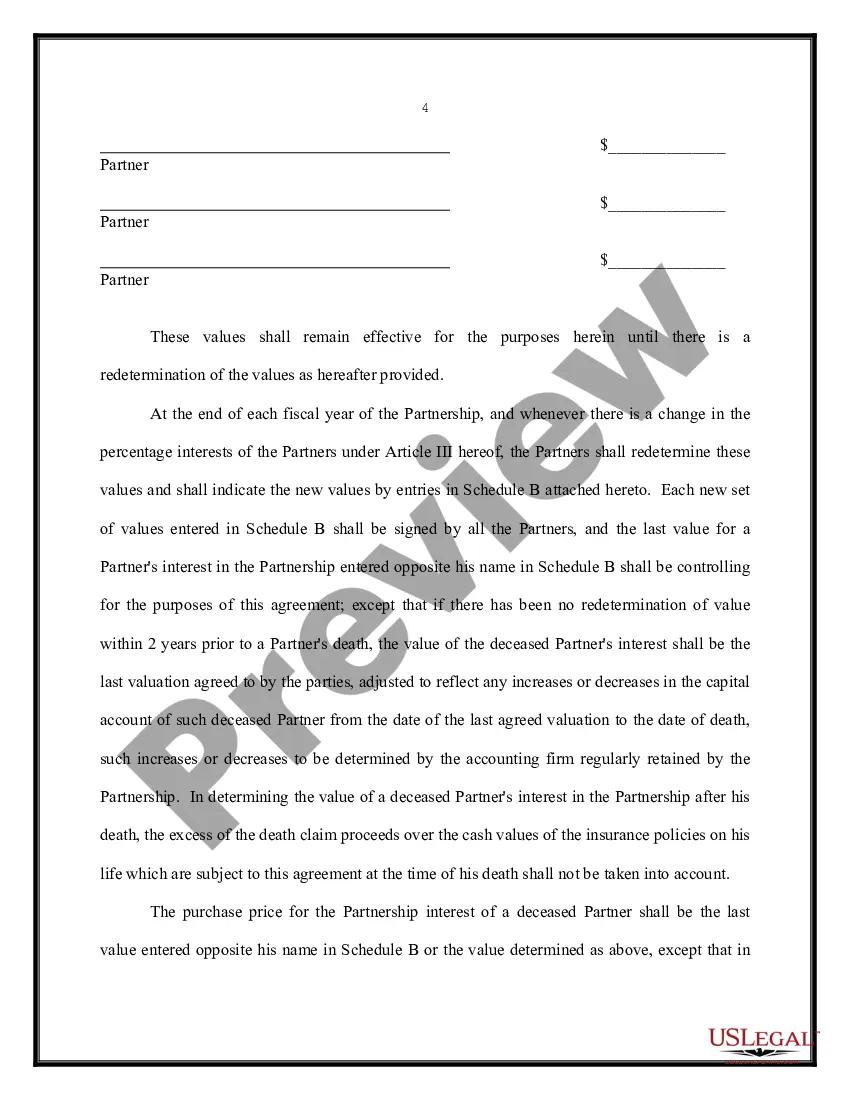
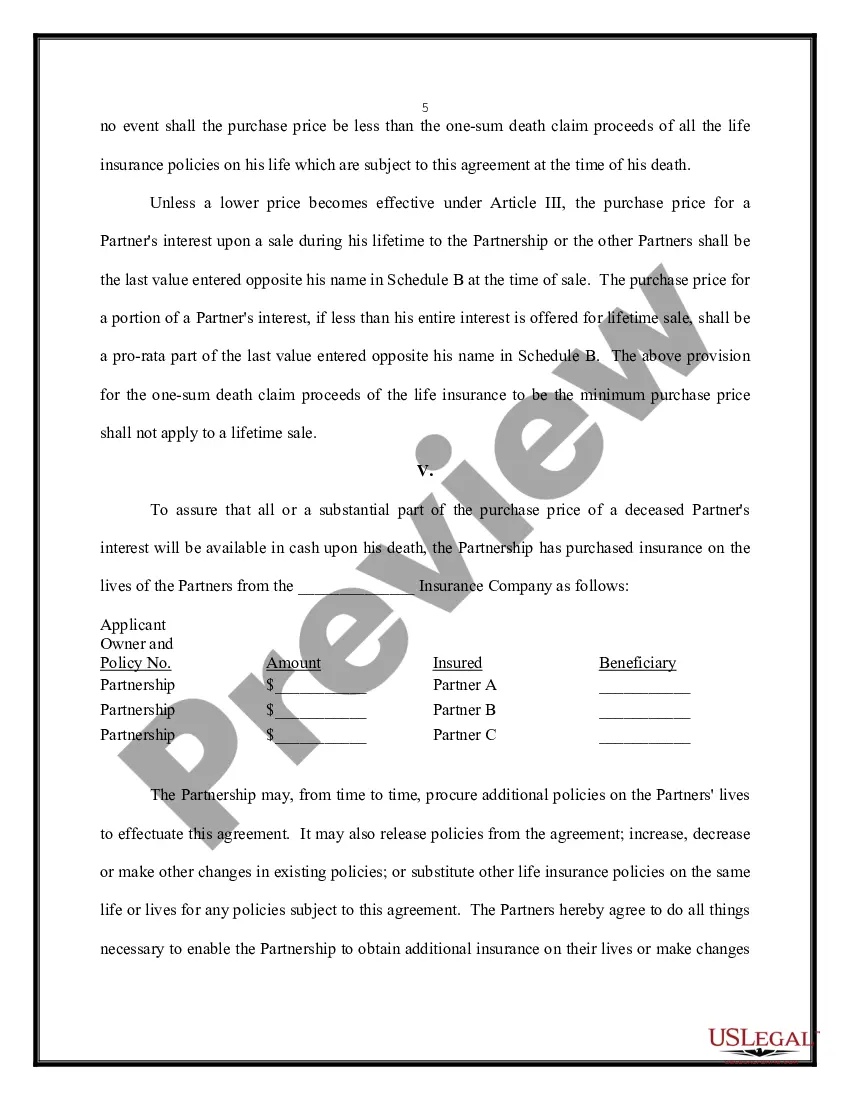


Get your form ready online
Our built-in tools help you complete, sign, share, and store your documents in one place.
Make edits, fill in missing information, and update formatting in US Legal Forms—just like you would in MS Word.
Download a copy, print it, send it by email, or mail it via USPS—whatever works best for your next step.
Sign and collect signatures with our SignNow integration. Send to multiple recipients, set reminders, and more. Go Premium to unlock E-Sign.
If this form requires notarization, complete it online through a secure video call—no need to meet a notary in person or wait for an appointment.
We protect your documents and personal data by following strict security and privacy standards.

Make edits, fill in missing information, and update formatting in US Legal Forms—just like you would in MS Word.

Download a copy, print it, send it by email, or mail it via USPS—whatever works best for your next step.

Sign and collect signatures with our SignNow integration. Send to multiple recipients, set reminders, and more. Go Premium to unlock E-Sign.

If this form requires notarization, complete it online through a secure video call—no need to meet a notary in person or wait for an appointment.

We protect your documents and personal data by following strict security and privacy standards.
Looking for another form?


Form popularity
FAQ
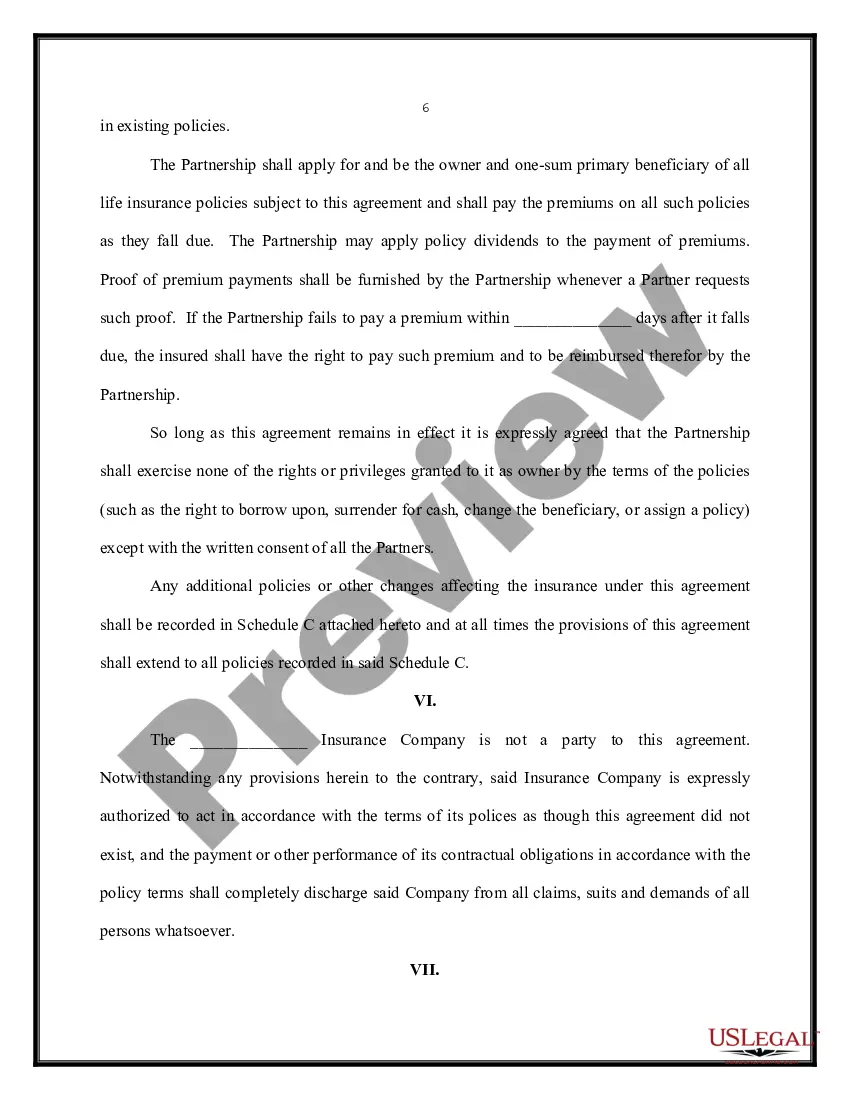
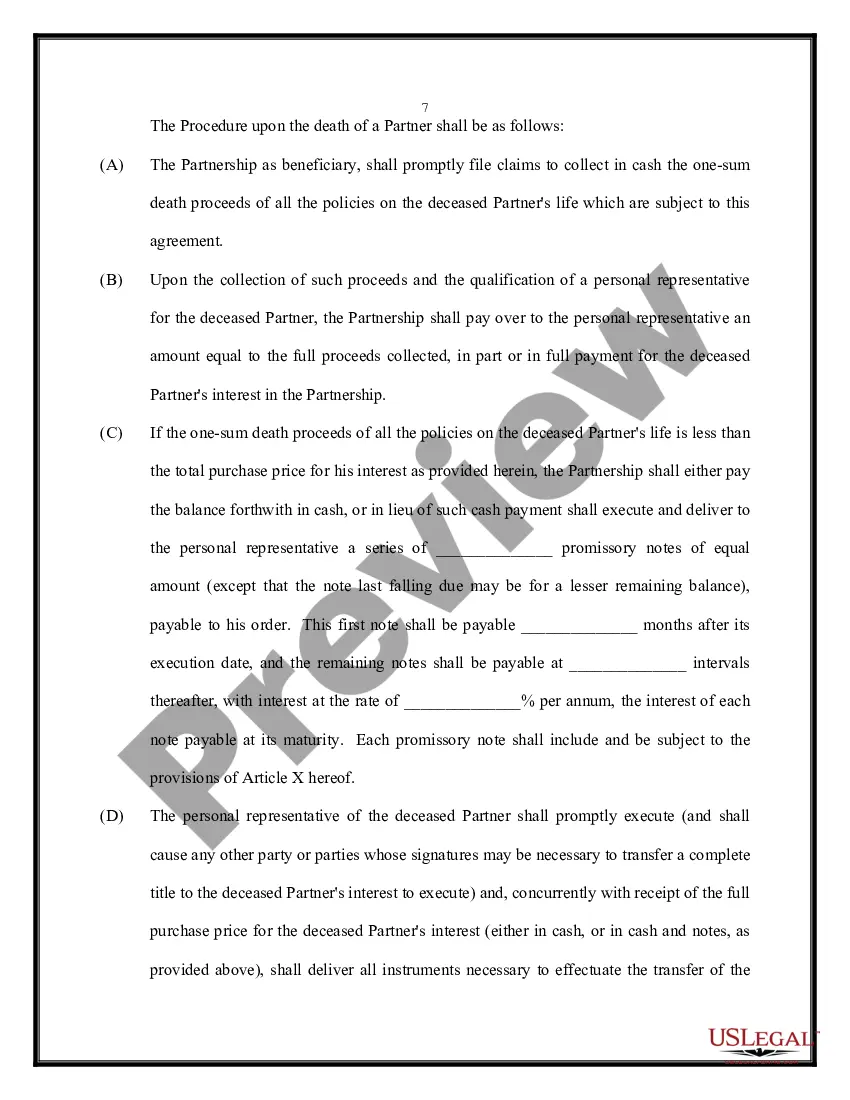
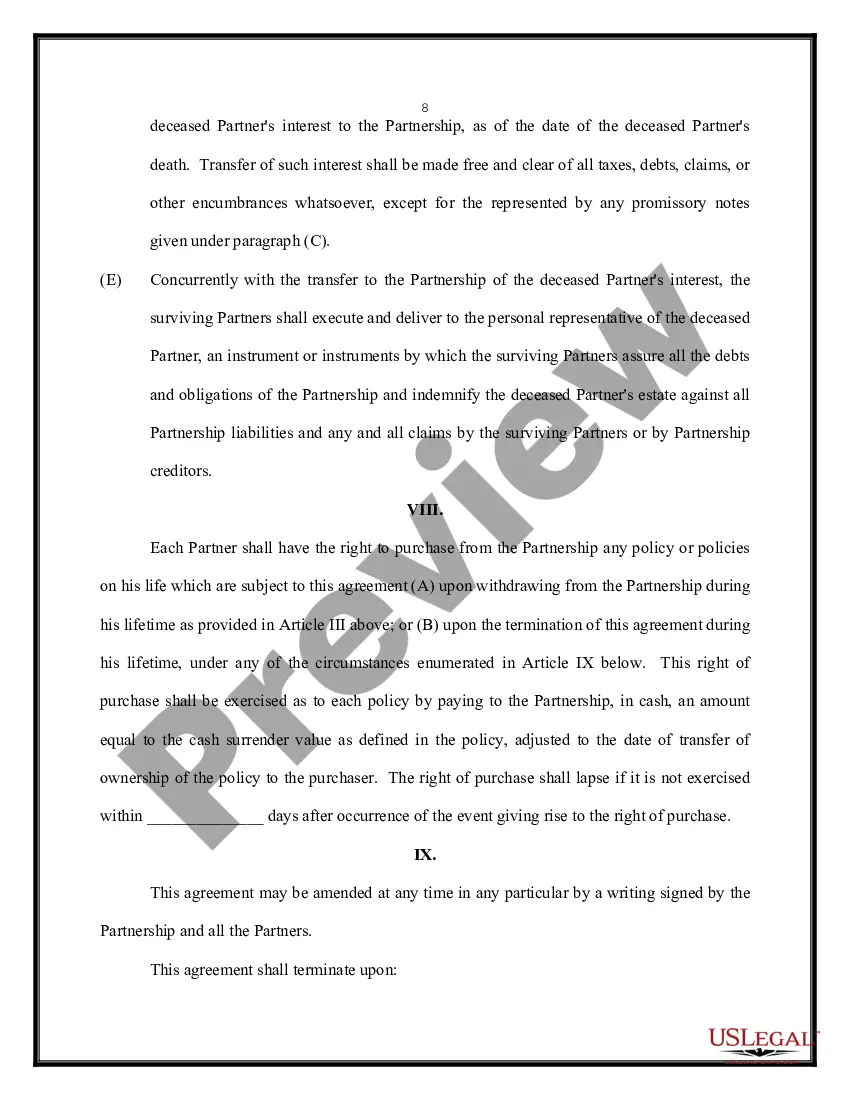
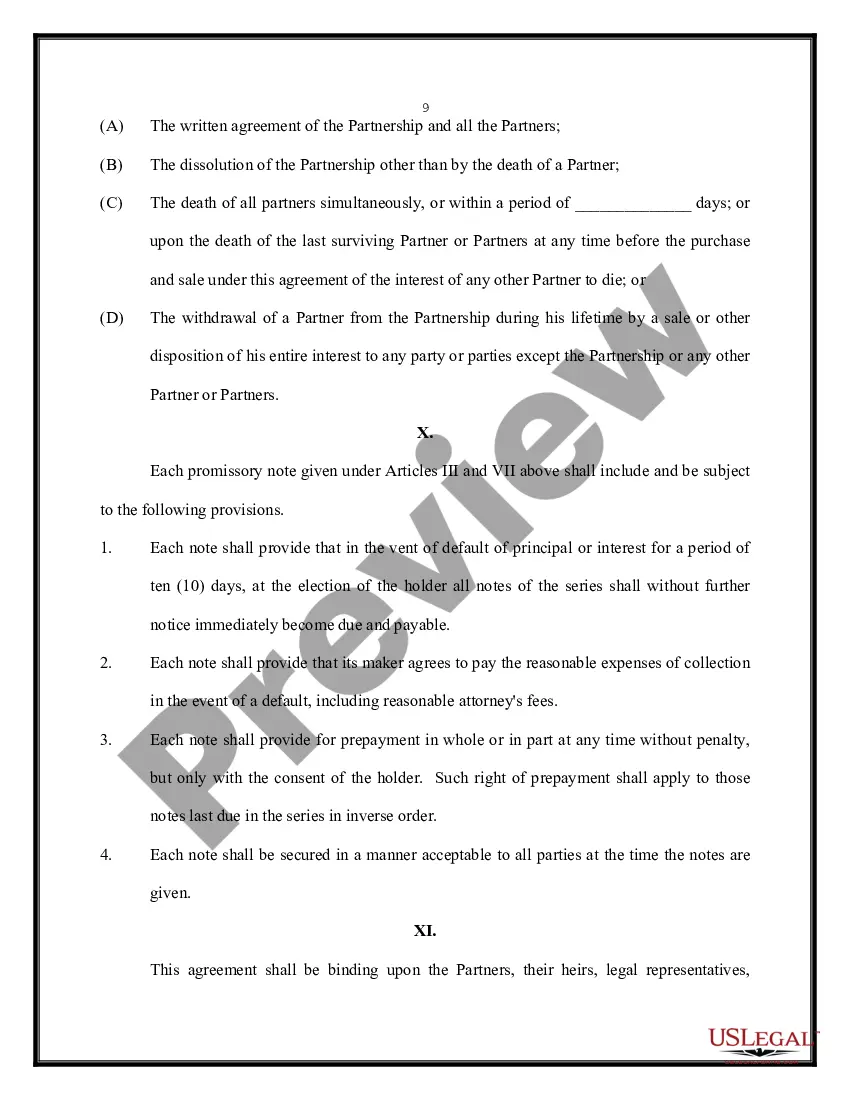
When two entities come together to form a partnership, a profit-sharing agreement acts as a vital contract that maps out the distribution of profits among all parties involved.
How do I create a Partnership Agreement? Provide partnership details. Start by specifying the industry you're in and what type of business you'll run. Detail the capital contributions of each partner. Outline management responsibilities. Prepare for accounting. Add final details.
The first thing to do when seeking to put a Partnership Agreement in place is to enlist the help of an experienced business law solicitor. They will be able to help clarify what exactly needs to go into the document and draft it in line with your best interests.
In addition, there are four initial steps for setting up a profit sharing plan: ∎ Adopt a written plan document, ∎ Arrange a trust for the plan's assets, ∎ Develop a recordkeeping system, and ∎ Provide plan information to eligible employees. for day-to-day plan operations.
Kickstart your new business in minutes There are three relatively common partnership types: general partnership (GP), limited partnership (LP) and limited liability partnership (LLP). A fourth, the limited liability limited partnership (LLLP), is not recognized in all states.
It is important that you start off understanding each other's goals for the future and what they want out of the business. You should understand each other strengths and weaknesses, their assets, and limitations. You should go to a lawyer and hash out a partnership agreement which is like a prenuptial agreement.
A traditional profit-sharing plan where contributions are based on a percentage of each participant's net self-employment income (for partners) or salary (for employees).
sharing agreement is a contract between two partners doing a project together to share the profits earned, whereas A 401(k) plan is a taxadvantaged retirement savings plan that is offered by many American companies.
Unless you specify otherwise, the law will generally divide profits and losses equally between equal partners. Many factors can affect how a partnership splits its profits and losses. The amount each partner gets will depend first on whether they are a general or limited partner.
The five most important considerations when creating a ProfitSharing Agreement Clarify expectations. Define the role. Begin with a fixed-term agreement. Calculate how much and when to share profits. Agree on what happens when the business has losses.
