Agreement Between Partnership With Profit Sharing In Montgomery
Description

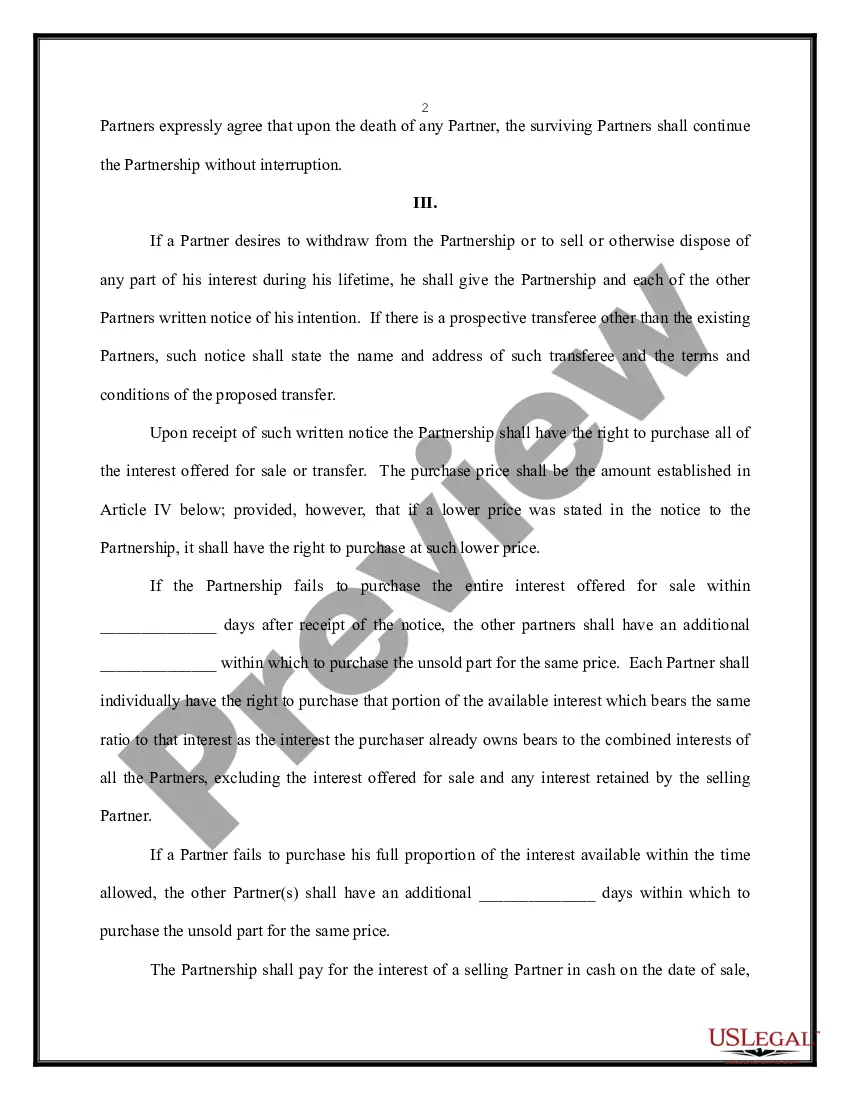
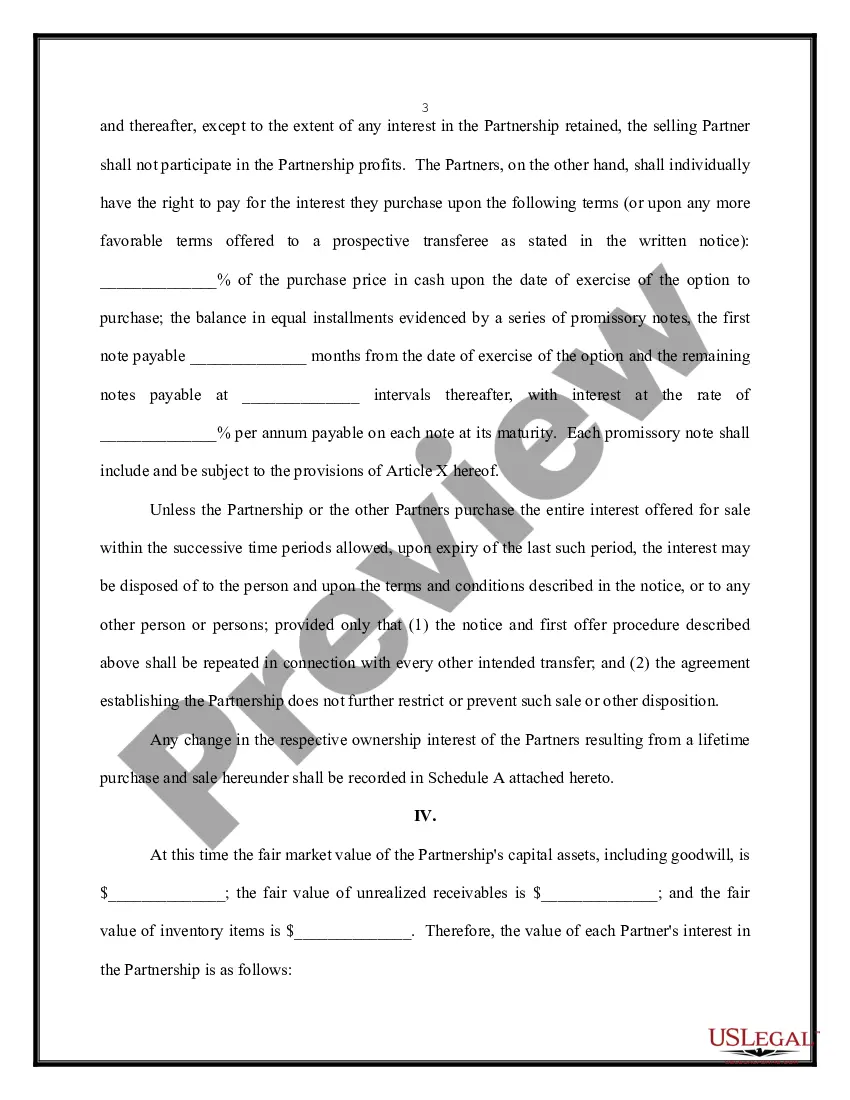
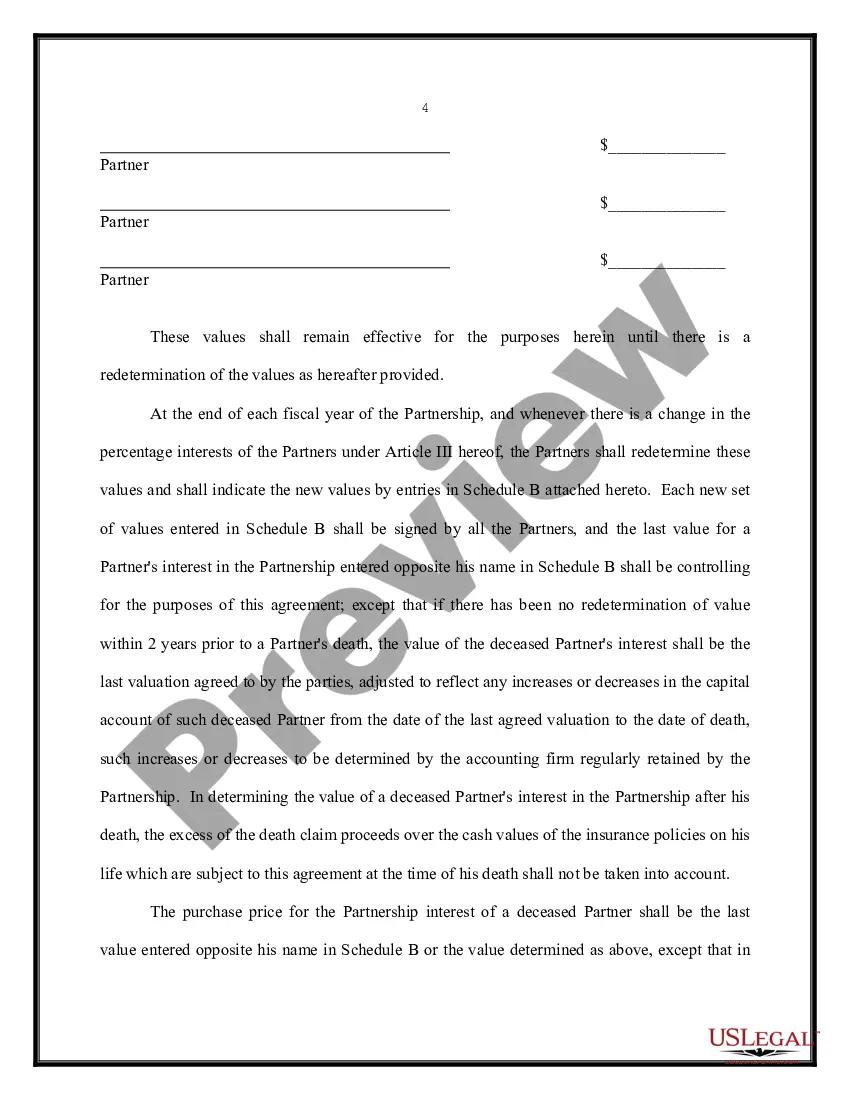
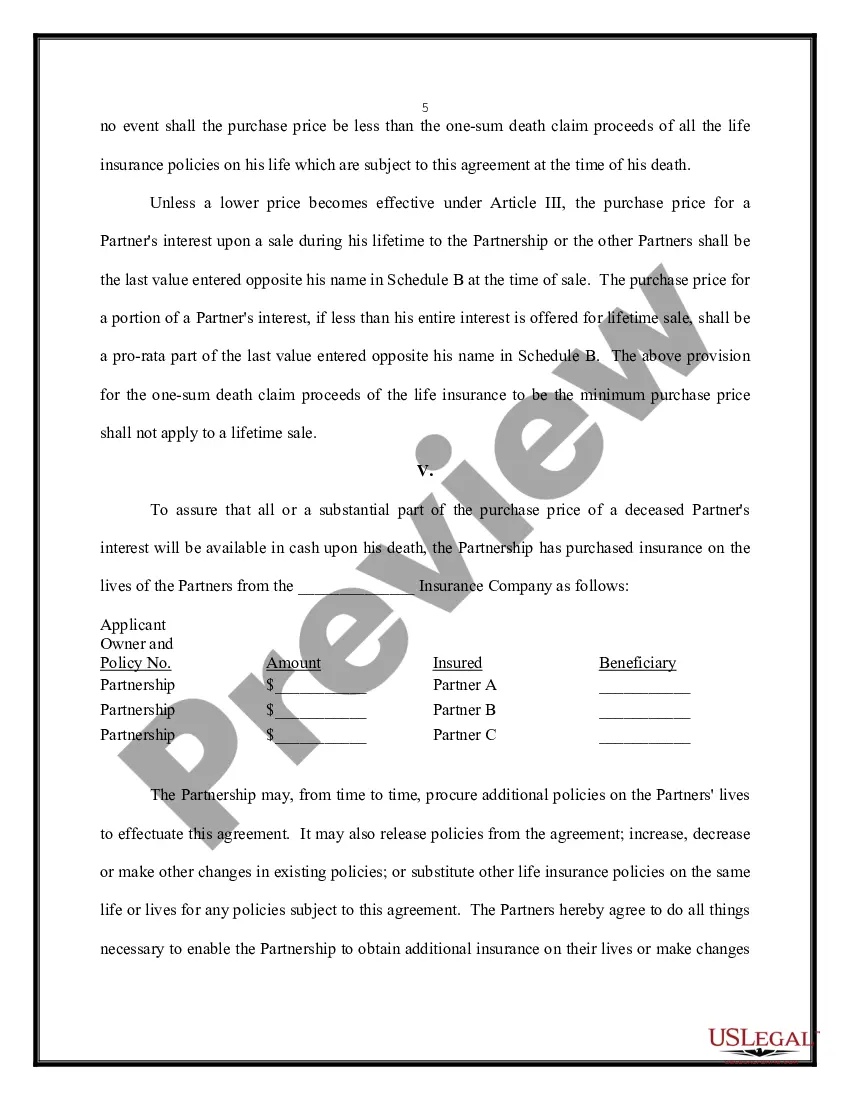
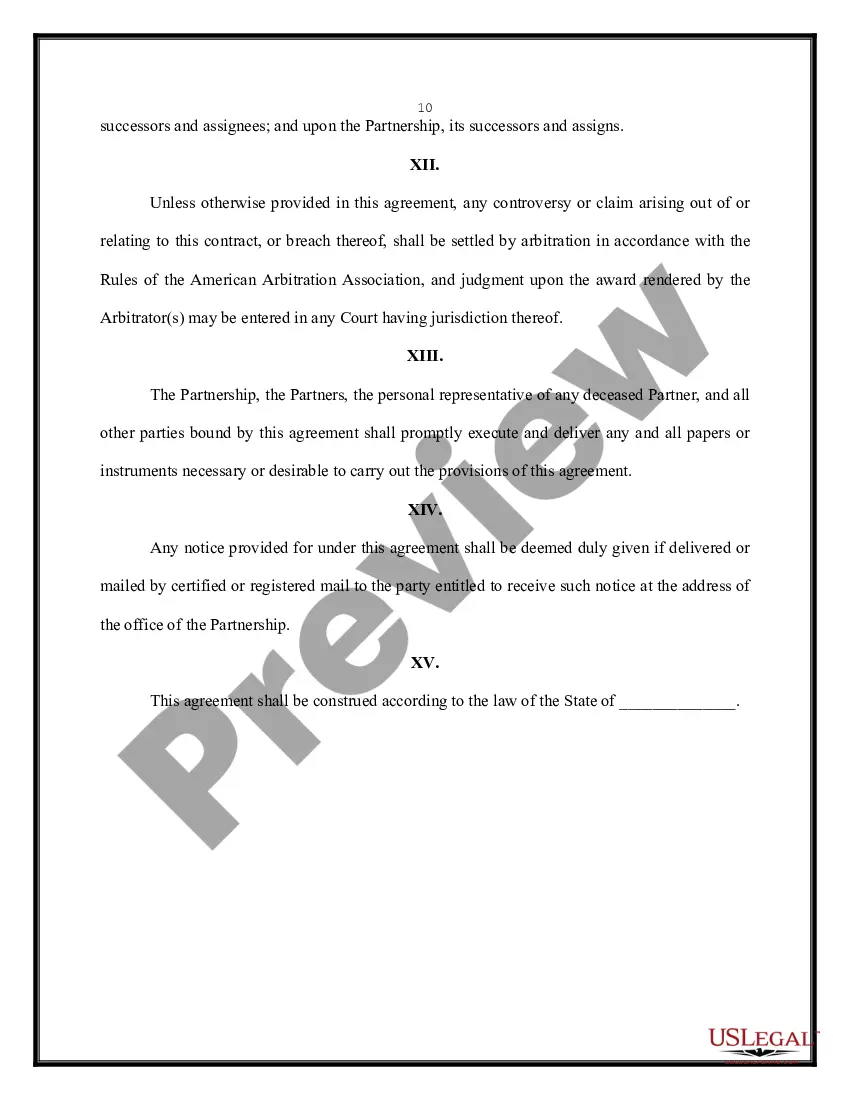


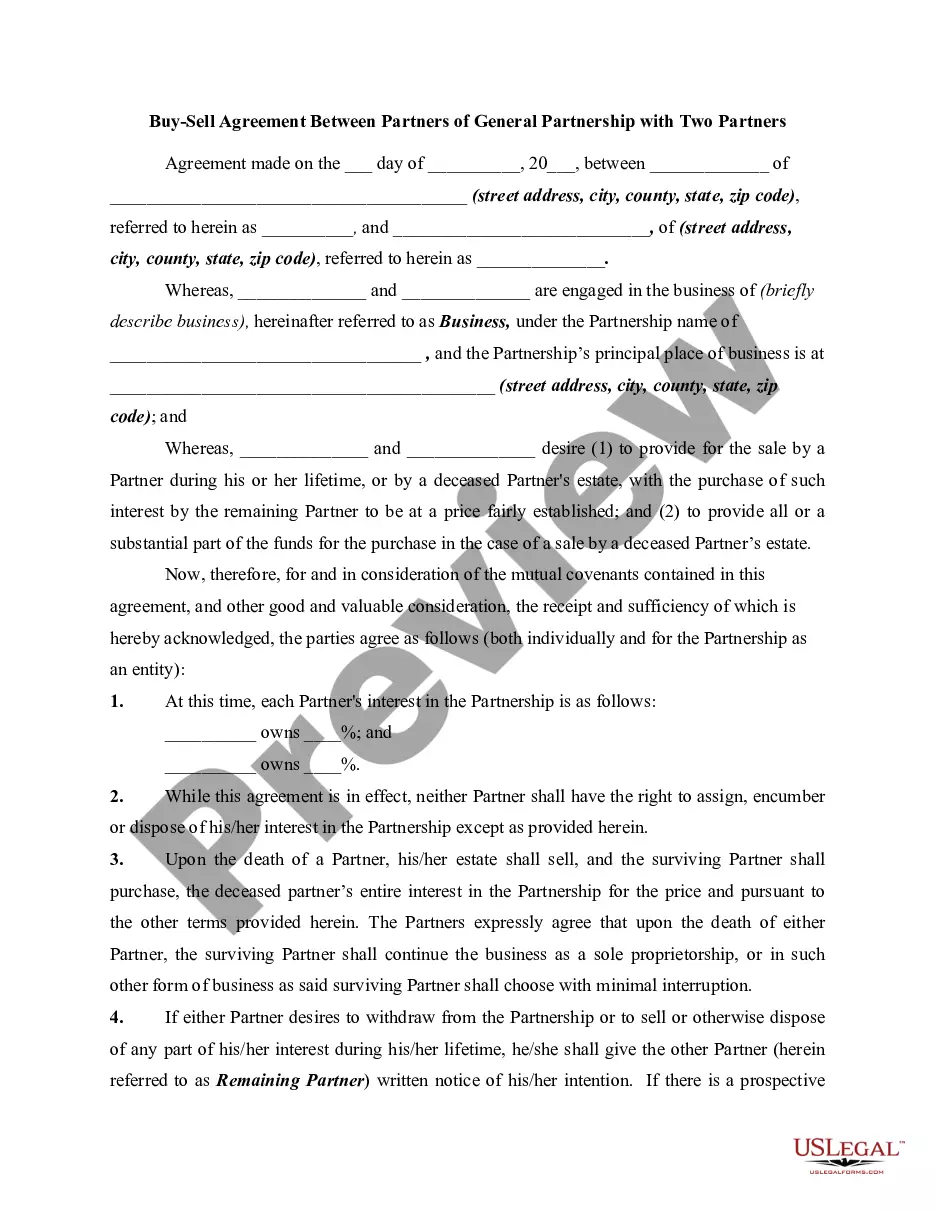
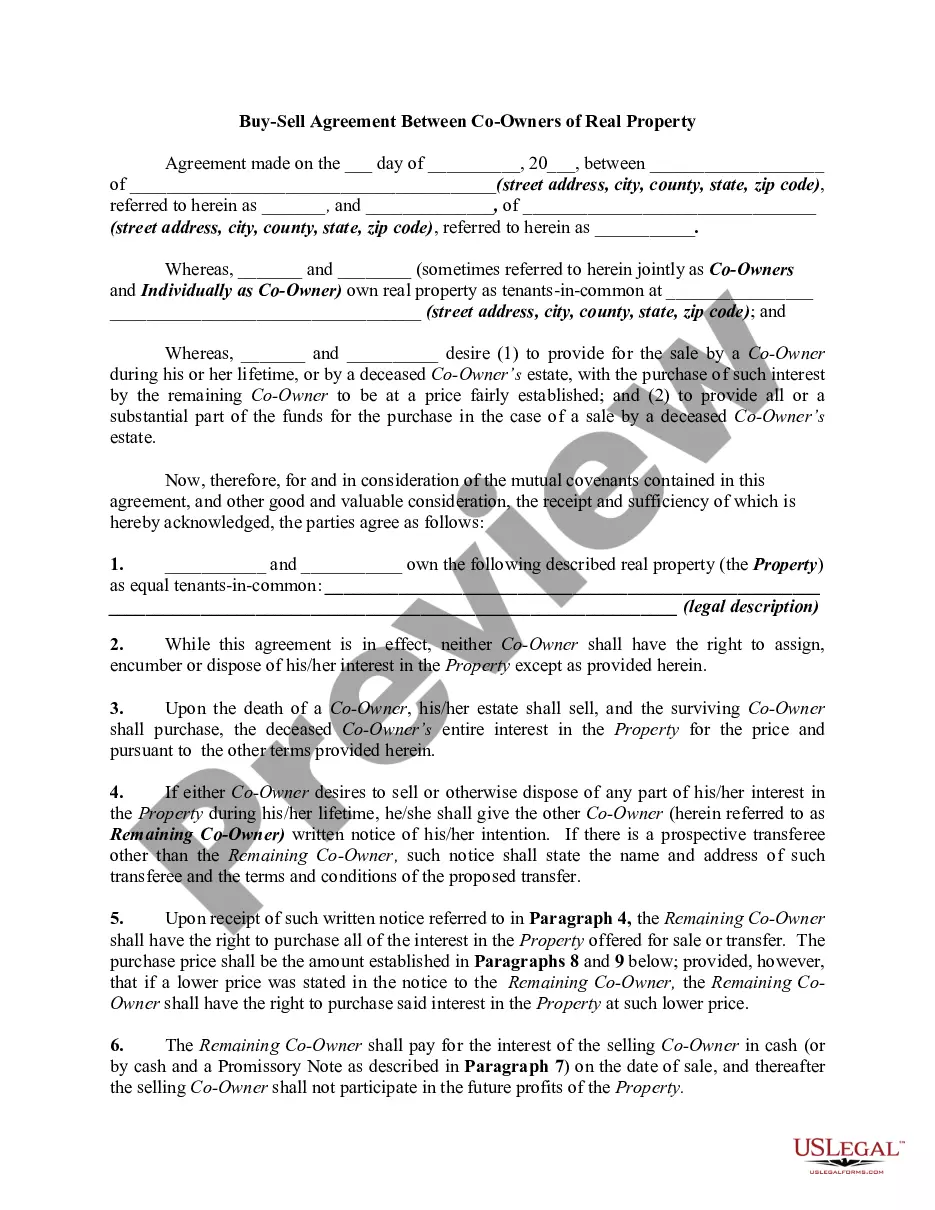
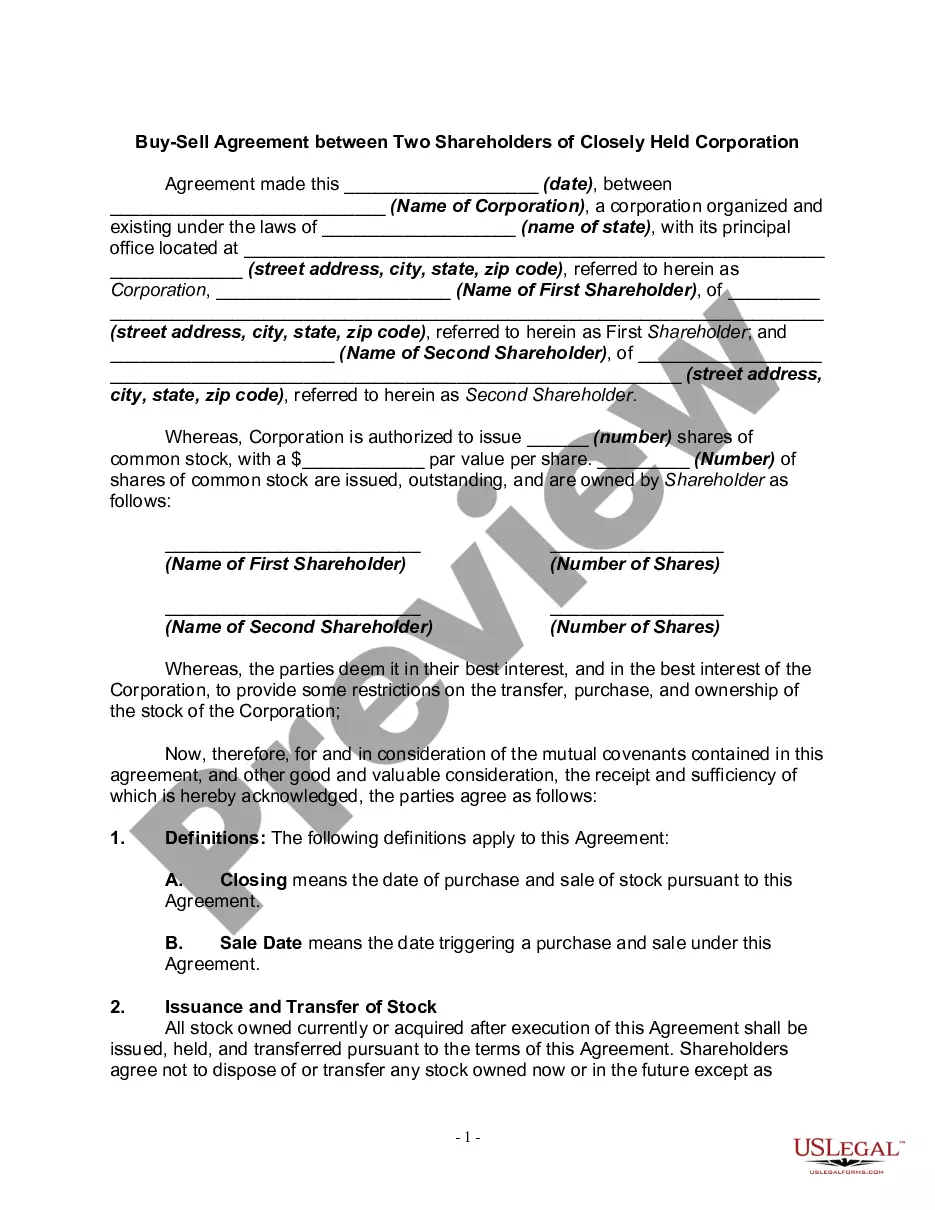
Get your form ready online
Our built-in tools help you complete, sign, share, and store your documents in one place.
Make edits, fill in missing information, and update formatting in US Legal Forms—just like you would in MS Word.
Download a copy, print it, send it by email, or mail it via USPS—whatever works best for your next step.
Sign and collect signatures with our SignNow integration. Send to multiple recipients, set reminders, and more. Go Premium to unlock E-Sign.
If this form requires notarization, complete it online through a secure video call—no need to meet a notary in person or wait for an appointment.
We protect your documents and personal data by following strict security and privacy standards.

Make edits, fill in missing information, and update formatting in US Legal Forms—just like you would in MS Word.

Download a copy, print it, send it by email, or mail it via USPS—whatever works best for your next step.

Sign and collect signatures with our SignNow integration. Send to multiple recipients, set reminders, and more. Go Premium to unlock E-Sign.

If this form requires notarization, complete it online through a secure video call—no need to meet a notary in person or wait for an appointment.

We protect your documents and personal data by following strict security and privacy standards.
Looking for another form?






Form popularity
FAQ
There are three common methods: equal sharing, ratio sharing, and salary plus sharing. Equal sharing means that all partners receive the same amount of profit, regardless of their contributions. Ratio sharing means that each partner receives a percentage of the profit based on their contribution value.
Unless you specify otherwise, the law will generally divide profits and losses equally between equal partners. Many factors can affect how a partnership splits its profits and losses. The amount each partner gets will depend first on whether they are a general or limited partner.
sharing agreement is a contract between two partners doing a project together to share the profits earned, whereas A 401(k) plan is a taxadvantaged retirement savings plan that is offered by many American companies.
The profit-sharing ratio (PSR) may be fixed. The partners may agree to share profits and losses equally or they may agree a different split. For example, in a three-partner partnership, the partners may agree to share profits in the ratio :1.
In ance with the provisions of the partnership deed, the profits and losses made by the firm are distributed among the partners. However, sharing of profit and losses is equal among the partners, if the partnership deed is silent.
? Agree on a profit-sharing ratio There is no one-size-fits-all answer for what a good profit-sharing ratio is for all businesses. As a general rule, if there are two people in the partnership, it's 50/50, and if there are three people, it's a ⅓ split.
The ratio in which the profits or losses of a business are shared. For a partnership, the profit-sharing ratios will be set out in the partnership agreement. This will show the amount, usually given as a percentage of the total profits, attributable to each partner.
This ratio is usually based on each partner's investment, effort, or other factors agreed upon by the partners. Divide the total profit by the sum of the ratio values to find the value of one share. Multiply the value of one share by each partner's ratio value to find their individual profit share.
How to Write a Partnership Agreement Define Partnership Structure. Outline Capital Contributions and Ownership. Detail Profit, Loss, and Distribution Arrangements. Set Decision-Making and Management Protocols. Plan for Changes and Contingencies. Include Legal Provisions and Finalize the Agreement.
When two entities come together to form a partnership, a profit-sharing agreement acts as a vital contract that maps out the distribution of profits among all parties involved.
