Contingency Agreement Sample Format In Georgia
Description







Get your form ready online
Our built-in tools help you complete, sign, share, and store your documents in one place.
Make edits, fill in missing information, and update formatting in US Legal Forms—just like you would in MS Word.
Download a copy, print it, send it by email, or mail it via USPS—whatever works best for your next step.
Sign and collect signatures with our SignNow integration. Send to multiple recipients, set reminders, and more. Go Premium to unlock E-Sign.
If this form requires notarization, complete it online through a secure video call—no need to meet a notary in person or wait for an appointment.
We protect your documents and personal data by following strict security and privacy standards.

Make edits, fill in missing information, and update formatting in US Legal Forms—just like you would in MS Word.

Download a copy, print it, send it by email, or mail it via USPS—whatever works best for your next step.

Sign and collect signatures with our SignNow integration. Send to multiple recipients, set reminders, and more. Go Premium to unlock E-Sign.

If this form requires notarization, complete it online through a secure video call—no need to meet a notary in person or wait for an appointment.

We protect your documents and personal data by following strict security and privacy standards.
Looking for another form?






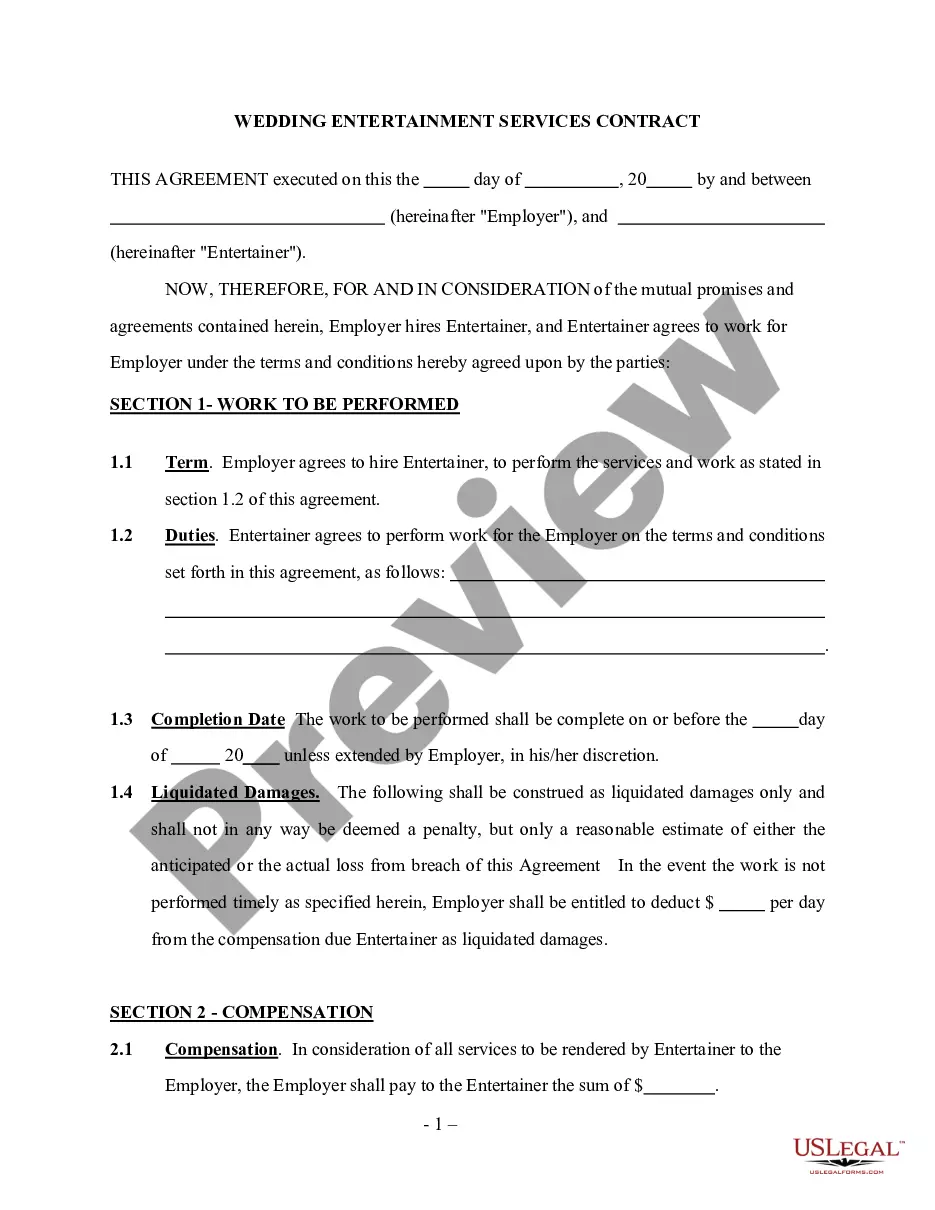


Form popularity
FAQ
A "contingent contract is a contract to do or not to do something, if some event, collateral to such contract, does or does not happen.
Contingency clauses help parties find common ground when they have divergent future expectations. However, they come with complexities and potential drawbacks, such as increased administrative overhead and the need for careful negotiation and drafting.
Contingent contracts usually occur when negotiating parties fail to reach an agreement. The contract is characterized as "contingent" because the terms are not final and are based on certain events or conditions occurring. A contingent contract can also be viewed as protection against a future change of plans.
Contingency Contract Examples If you fail to secure the financing within the stipulated period, either party may terminate the contract without any legal consequences. Another simple example is a child who agrees with their parent that they would receive a new bicycle if they receive an A in a specific class.
The average contingency rate falls between 20-40%, with most lawyers charging around 33% to 35% of the total amount recovered in a case. The exact percentage can vary depending on the complexity of the case, the lawyer's experience, and the stage at which the case is resolved.
