Boundary Line For Cricket In Los Angeles
Description




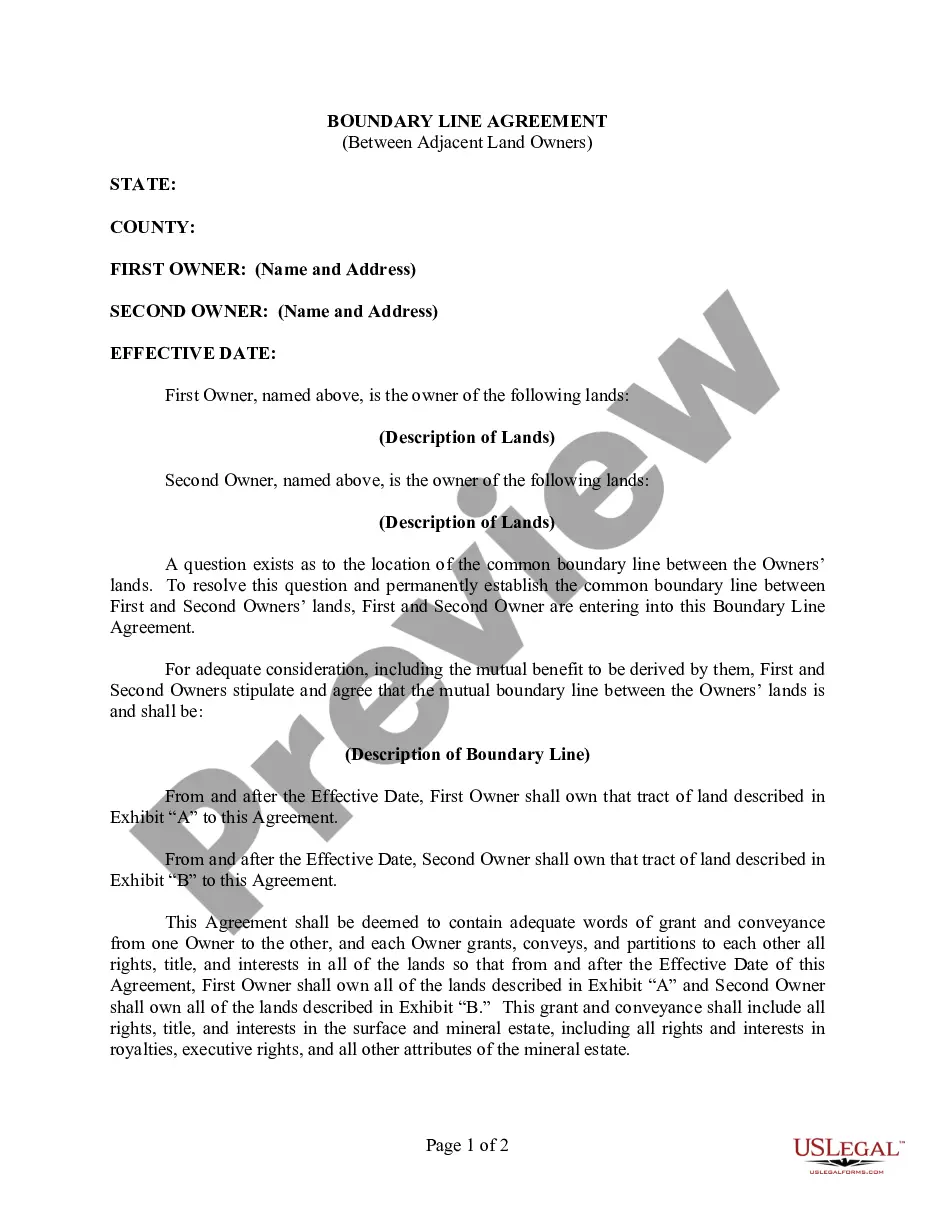
Get your form ready online
Our built-in tools help you complete, sign, share, and store your documents in one place.
Make edits, fill in missing information, and update formatting in US Legal Forms—just like you would in MS Word.
Download a copy, print it, send it by email, or mail it via USPS—whatever works best for your next step.
Sign and collect signatures with our SignNow integration. Send to multiple recipients, set reminders, and more. Go Premium to unlock E-Sign.
If this form requires notarization, complete it online through a secure video call—no need to meet a notary in person or wait for an appointment.
We protect your documents and personal data by following strict security and privacy standards.

Make edits, fill in missing information, and update formatting in US Legal Forms—just like you would in MS Word.

Download a copy, print it, send it by email, or mail it via USPS—whatever works best for your next step.

Sign and collect signatures with our SignNow integration. Send to multiple recipients, set reminders, and more. Go Premium to unlock E-Sign.

If this form requires notarization, complete it online through a secure video call—no need to meet a notary in person or wait for an appointment.

We protect your documents and personal data by following strict security and privacy standards.
Looking for another form?



Form popularity
FAQ
A boundary is the scoring of four or six runs from a single delivery, with the ball having left the field, and its first bounce having occurred either entirely within the playing field (in the case of four runs) or not (six runs); these events are known as a four or a six, respectively.
Boundary dimensions Dimensions for newly constructed grounds should be a boundary of 50 yards (45.72 m) plus the 3 yard (2.74 m ) safety margin. In this case, this is measured from the middle stump of each pitch used for open-age cricket.
Boundaries can either be measured from the centre of the wicket or middle stump. This will depend on the competition rules. The three most common methods for marking boundaries are; white lines, boundary rope or flags.
In cricket, the boundary is the perimeter of a playing field. It is also the term given to a scoring shot where the ball is hit to, or beyond, that perimeter, which generally earns four or six runs for the batting team.
The distance to the boundary is measured from the centre of the wicket or from middle stump but this varies from ground to ground depending on its size and/or the level of the competition.
Calculate the probability of hitting a boundary based on the previous performance. The batsman hit a boundary 12 times out of 80 balls. The probability of hitting a boundary (P(Boundary)) is given by the formula: P(Boundary) = Number of boundaries / Total balls played = 12 / 80.
1. The basic method is a white line using a line marker, boundary flags can be added at intervals. 2. The preferred method is a rope which makes the ball jump when contact is made; a useful indication of a (four) boundary.
The popping crease (Law 7.3) It shall have the back edge of the crease marking 1.22m (4 feet) from the centre of the stumps and shall extend to a minimum of 1.83m (6 feet) on either side of the line of the wicket. The popping crease shall be considered to unlimited in length.
