Sentence With Domicile In Pennsylvania
Description
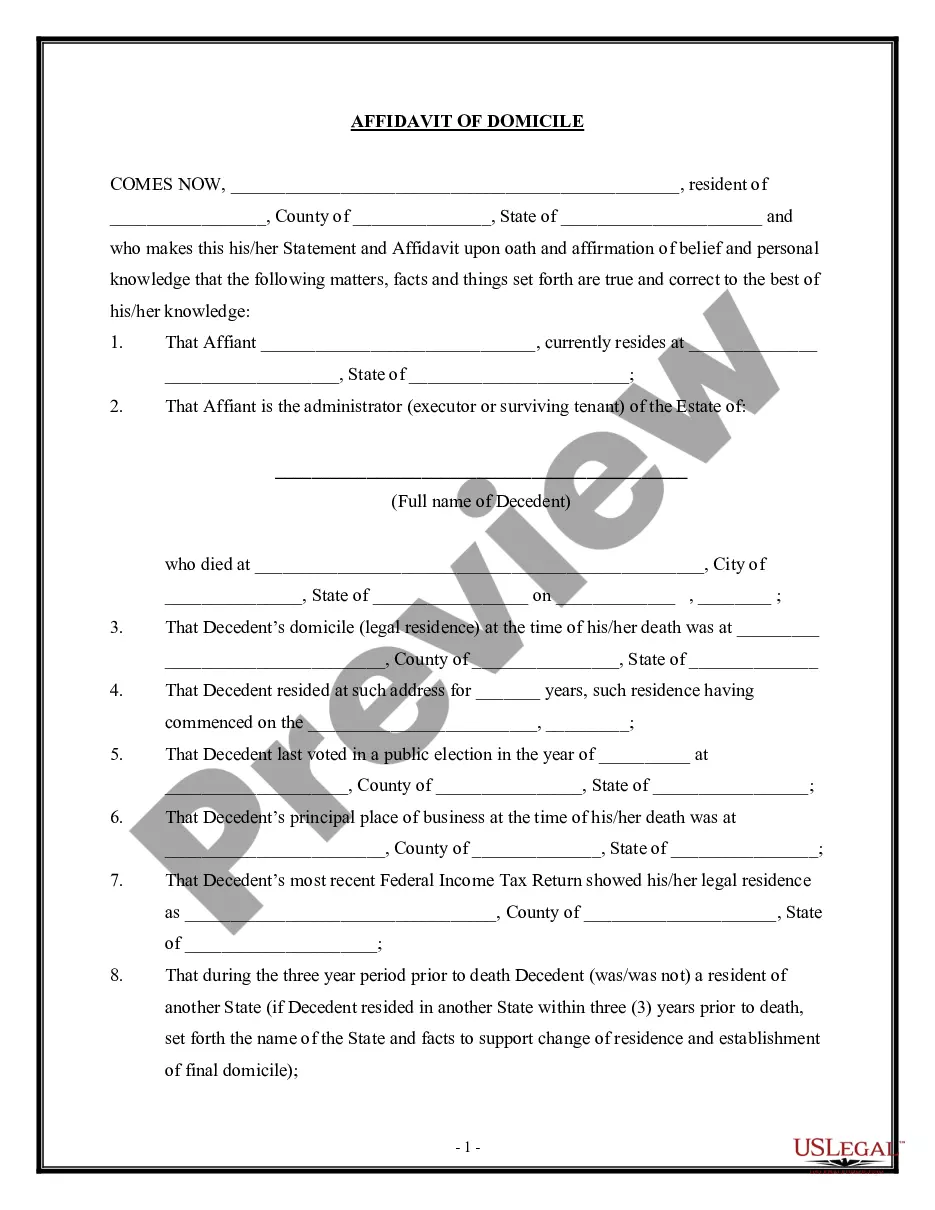
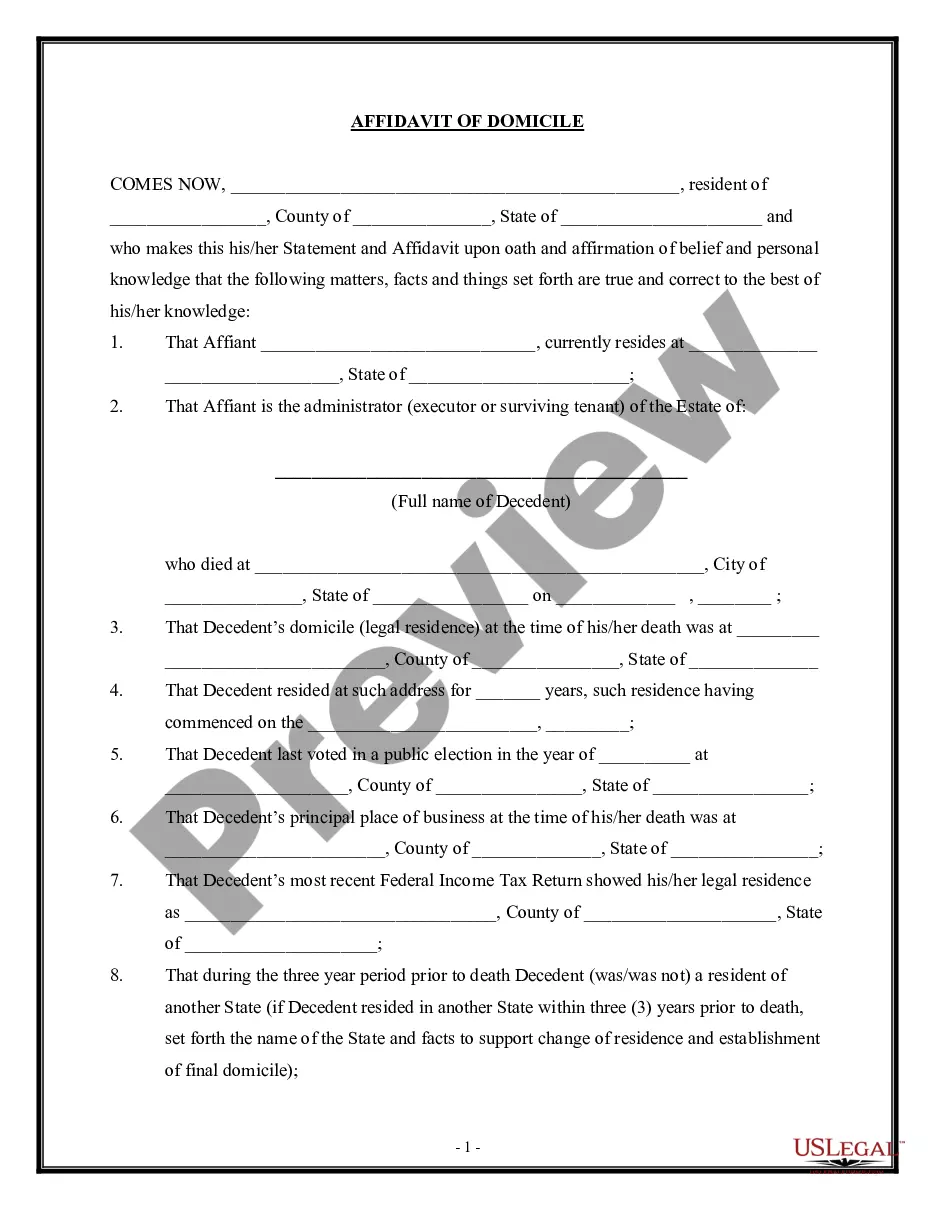
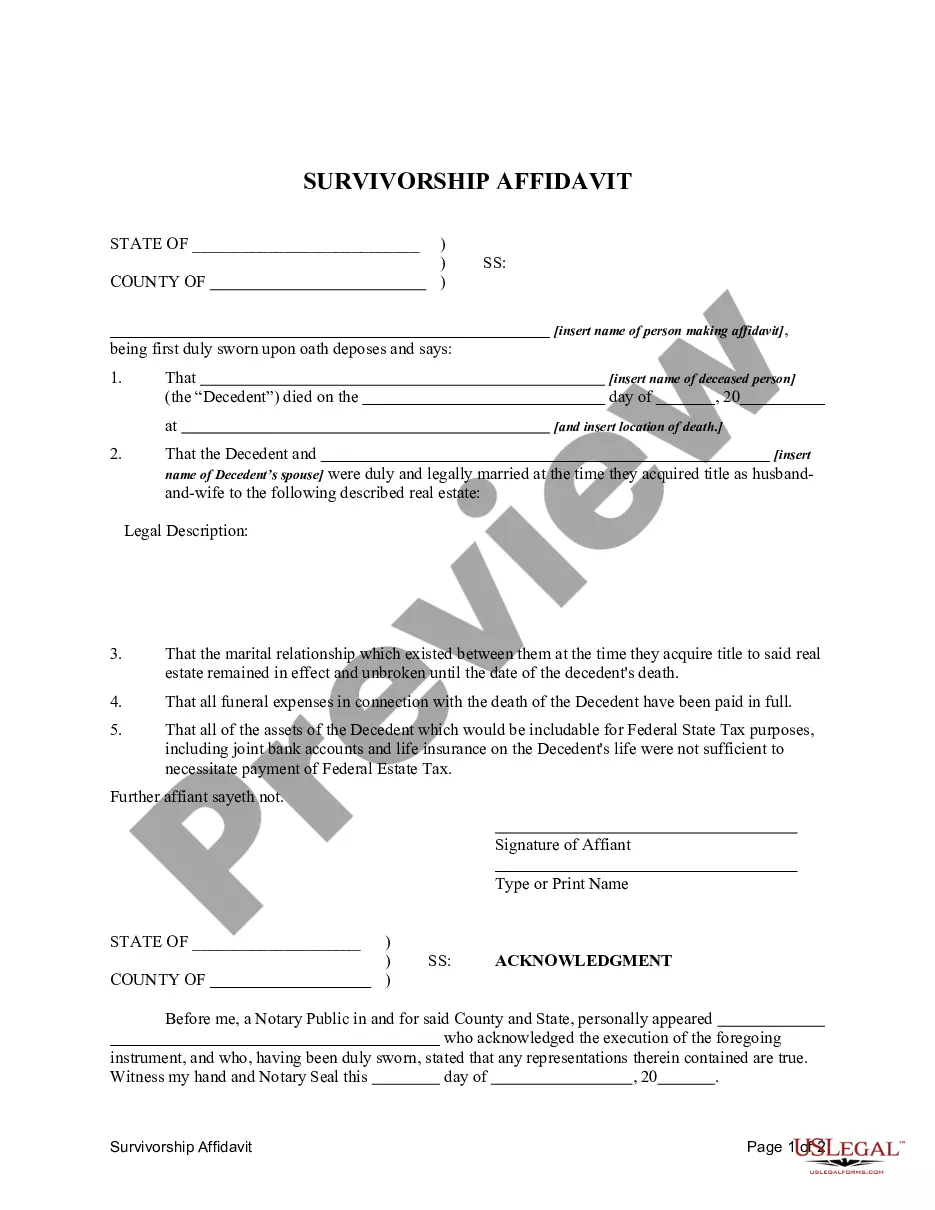
Get your form ready online
Our built-in tools help you complete, sign, share, and store your documents in one place.
Make edits, fill in missing information, and update formatting in US Legal Forms—just like you would in MS Word.
Download a copy, print it, send it by email, or mail it via USPS—whatever works best for your next step.
Sign and collect signatures with our SignNow integration. Send to multiple recipients, set reminders, and more. Go Premium to unlock E-Sign.
If this form requires notarization, complete it online through a secure video call—no need to meet a notary in person or wait for an appointment.
We protect your documents and personal data by following strict security and privacy standards.

Make edits, fill in missing information, and update formatting in US Legal Forms—just like you would in MS Word.

Download a copy, print it, send it by email, or mail it via USPS—whatever works best for your next step.

Sign and collect signatures with our SignNow integration. Send to multiple recipients, set reminders, and more. Go Premium to unlock E-Sign.

If this form requires notarization, complete it online through a secure video call—no need to meet a notary in person or wait for an appointment.

We protect your documents and personal data by following strict security and privacy standards.
Looking for another form?

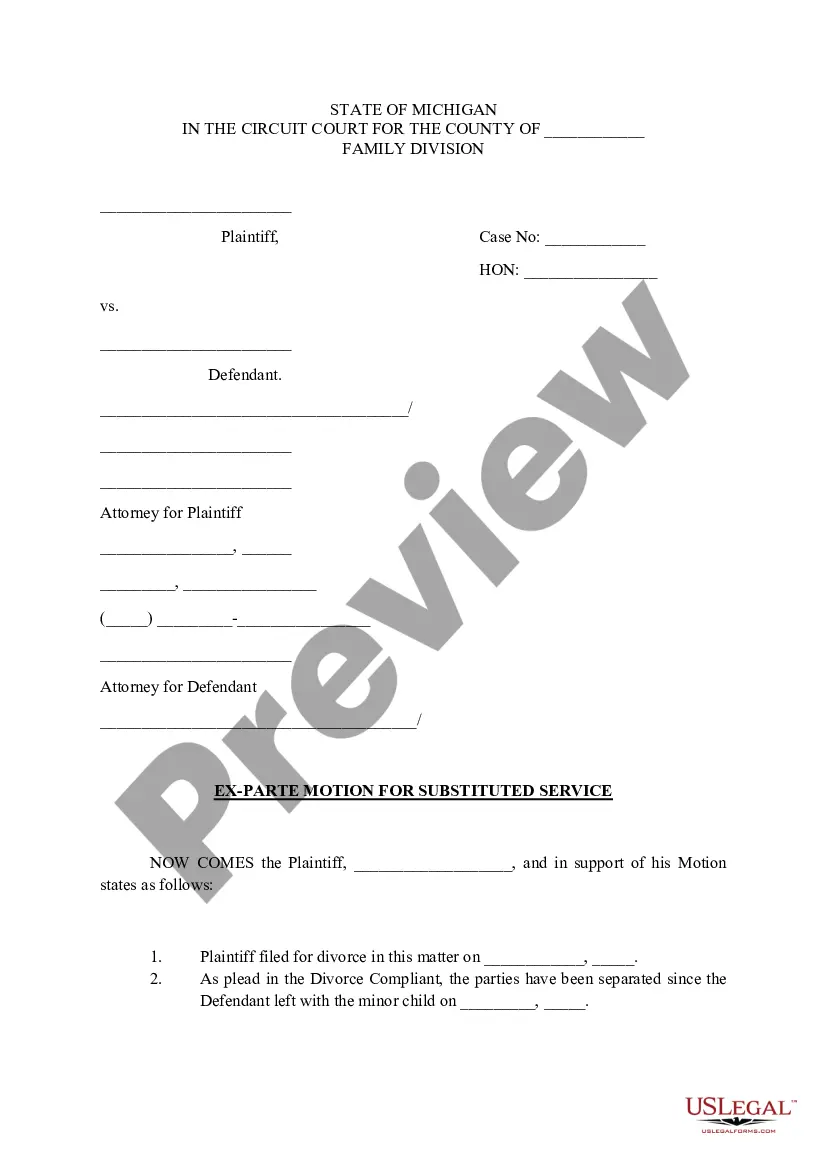



Form popularity
FAQ
A resident of Pennsylvania is someone who is living and intends to reside in Pennsylvania, with or without a fixed or permanent address.
Statutory residency means you have a permanent “place of abode” in Pennsylvania or New Jersey and are physically present in the state for more than 183 days.
A resident of Pennsylvania is someone who is living and intends to reside in Pennsylvania, with or without a fixed or permanent address.
Statutory residency is established if a person domiciled outside the commonwealth: Has a permanent place of abode in Pennsylvania; and. Spends more than 183 days (midnight to midnight) of the taxable year in Pennsylvania.
A domicile is the place at which an individual maintains his/ her permanent abode and to which he/she intends to return whenever absent. A person may only have one domicile at any one time.
The common question is, “What does domicile mean?” Domicile refers to a person's permanent legal residence, which is the place where they have the most significant connections, such as family, property ownership, and voting registration. Residency, however, refers to where a person lives, temporarily or permanently.
A Resident if you were domiciled in Pennsylvania or you lived in another state or country, but only if you qualify as a statutory resident. A Nonresident if you are domiciled within another state or country, unless you qualify as a statutory resident.
The following things can be used to prove an individual's residence: A rent receipt. A receipt for mortgage or utility payments. A deed. A lease agreement. A driver's license. A church record. An affidavit from someone who knows the applicant. A tax office record.
HOW LONG IS RESIDENCY FOR A PA AND WHAT IS THE SCHEDULE LIKE? Most PA residencies have a duration of 12 months, but some may require a 24-month commitment. PA residency programs often have PAs rotate through different areas of the specialty they are pursing to gain a broad understanding of the field.
The domicile of an individual who maintains more than one permanent abode is determined by two factors: (1) Which is the one place where the individual has had the greatest connections for the taxable year; and (2) Which place does the individual intend to be his/her domicile?

