Domicile Meaning Law
Description
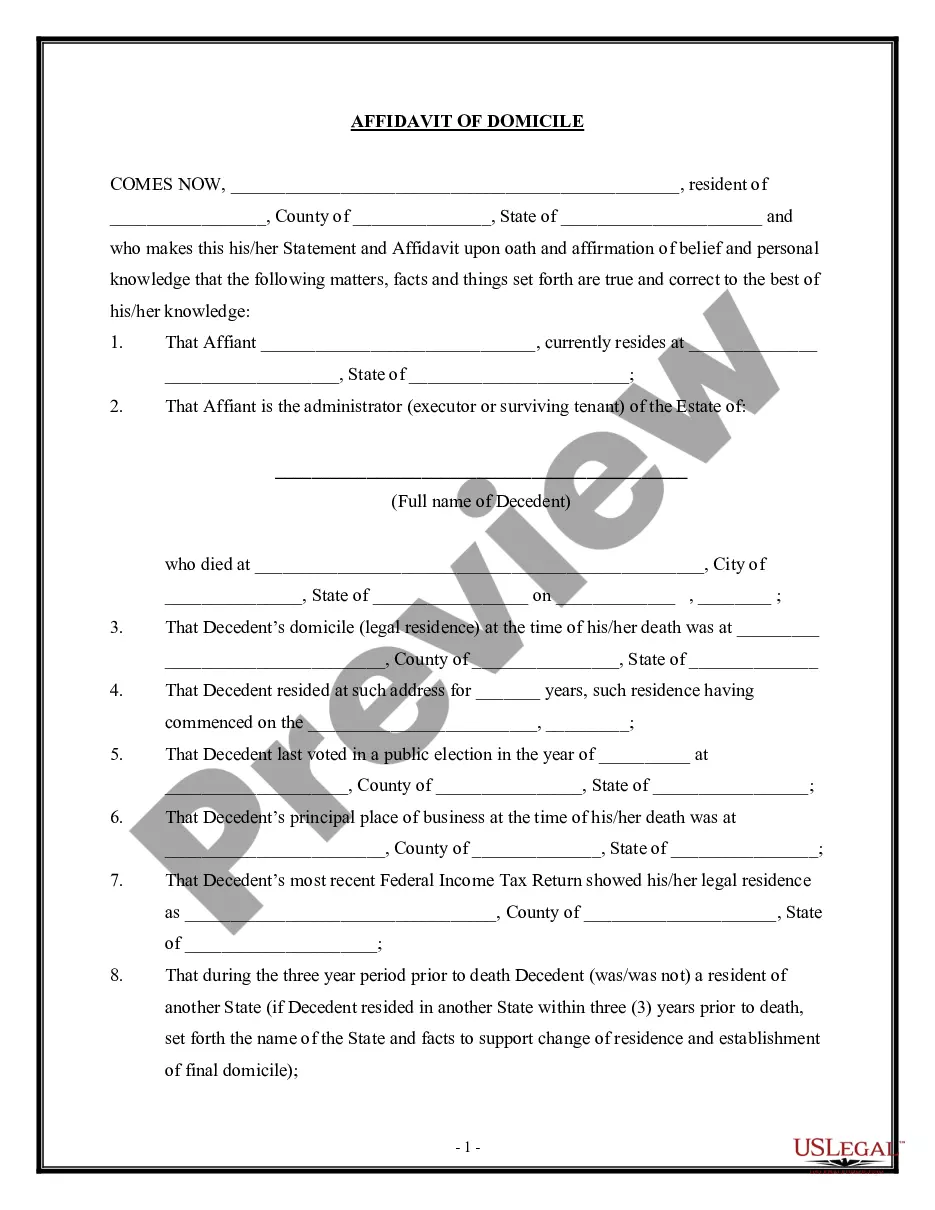
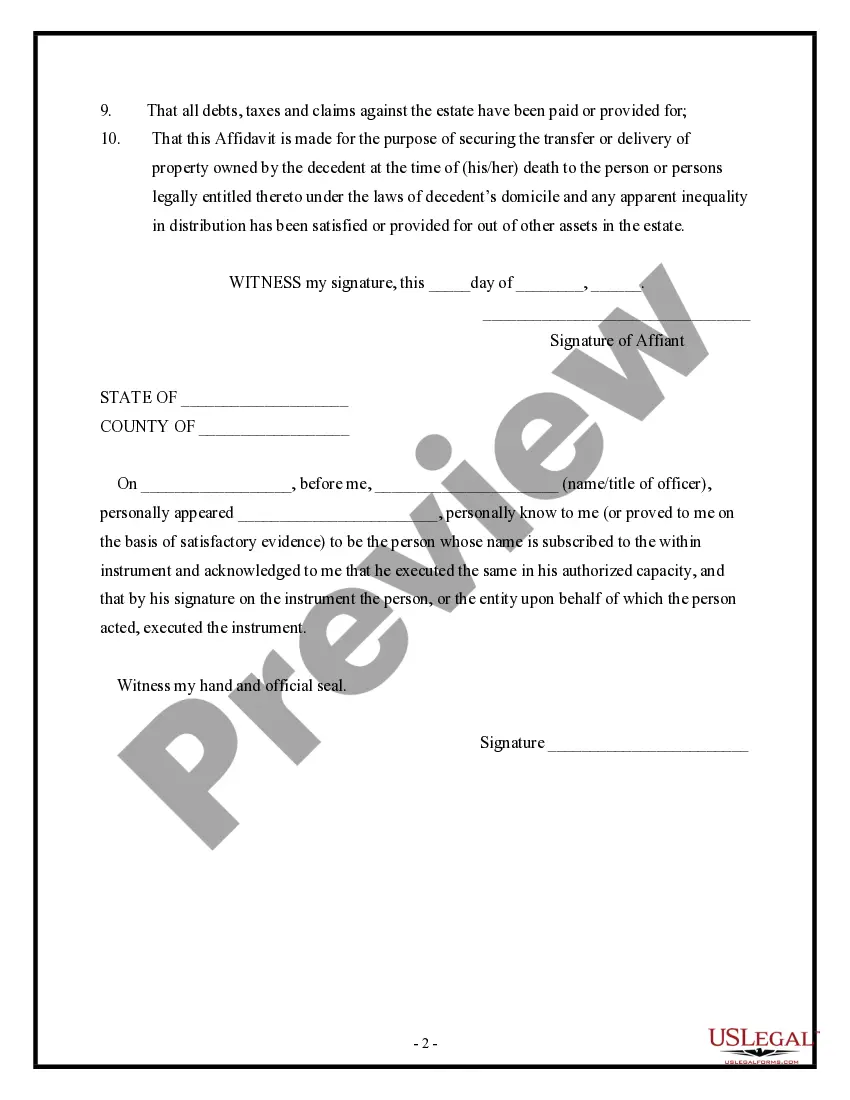

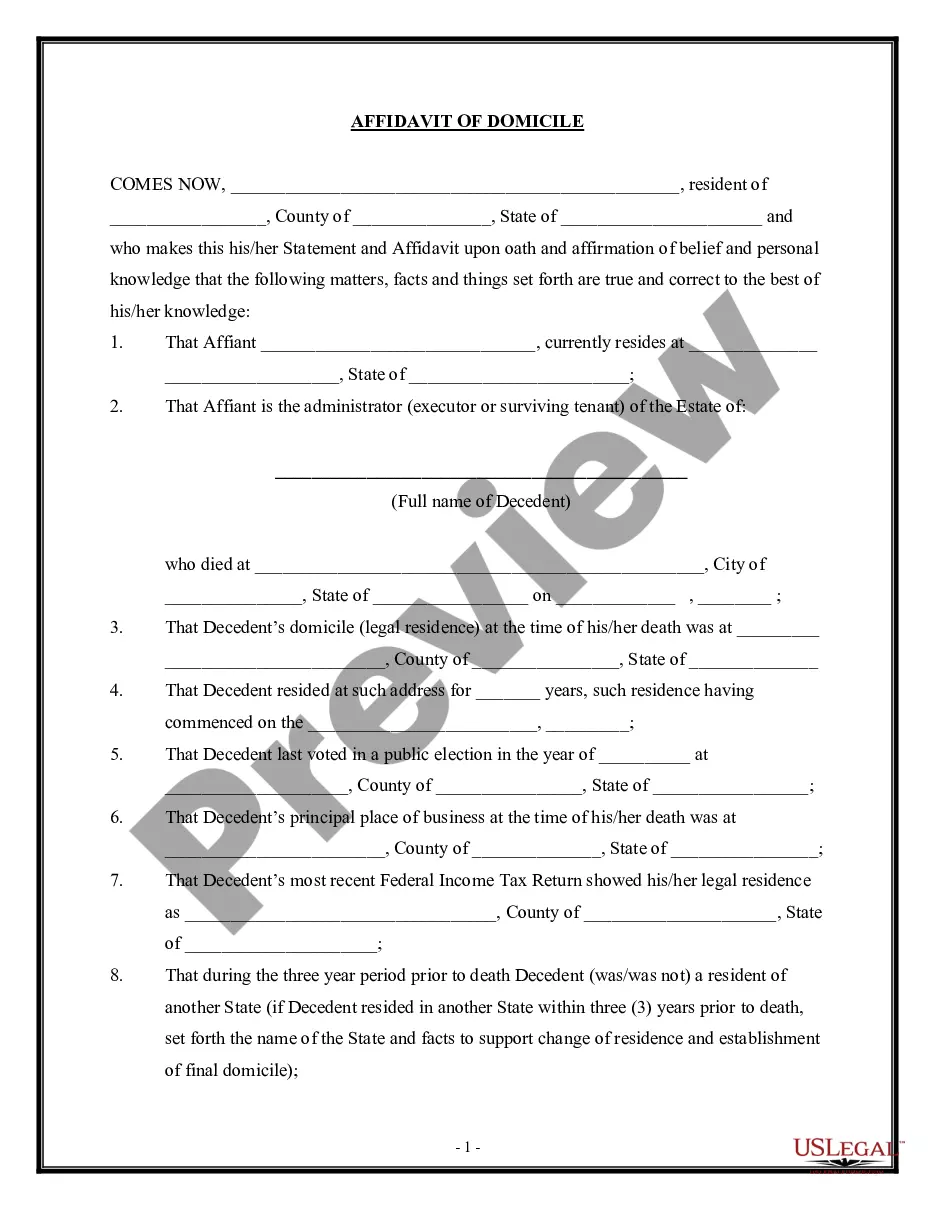
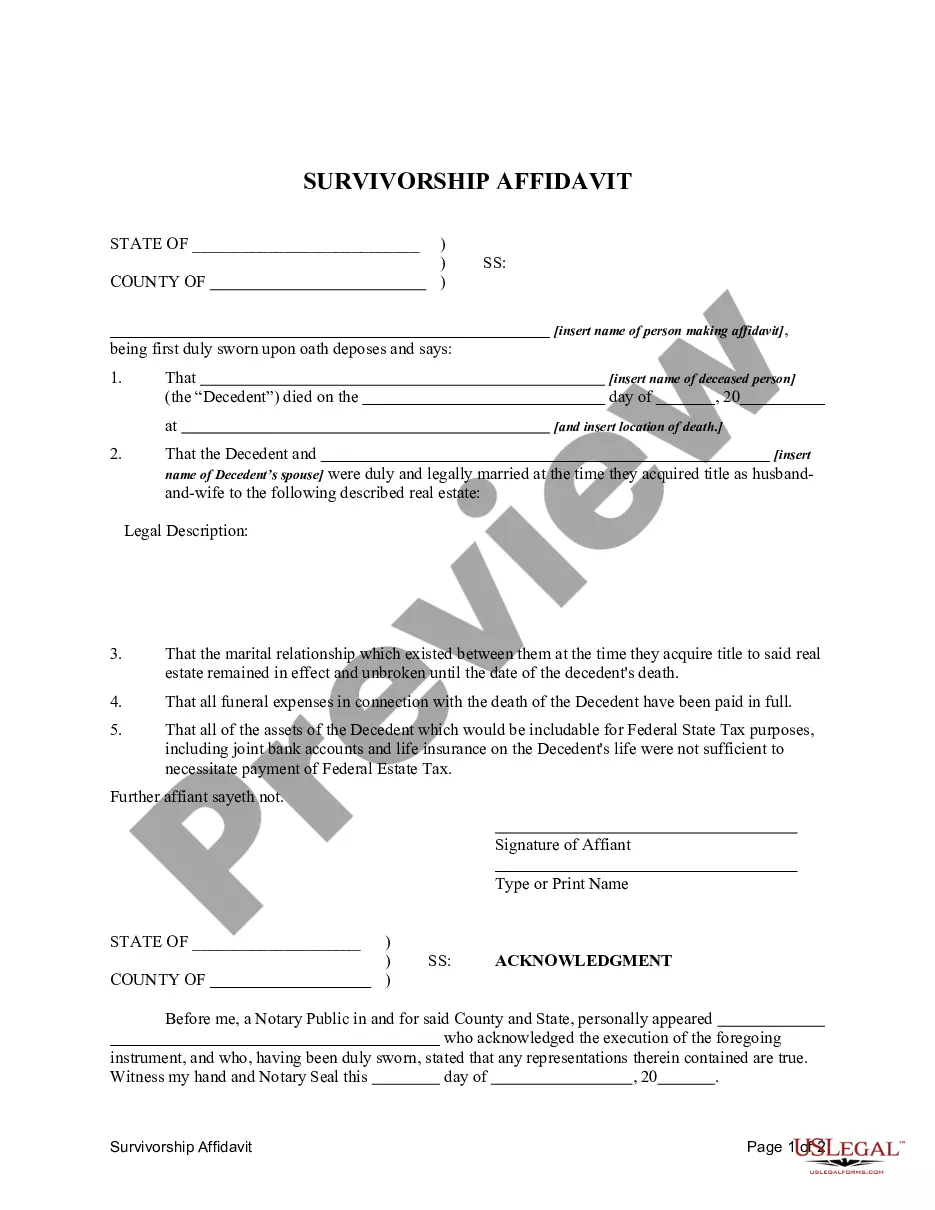
Get your form ready online
Our built-in tools help you complete, sign, share, and store your documents in one place.
Make edits, fill in missing information, and update formatting in US Legal Forms—just like you would in MS Word.
Download a copy, print it, send it by email, or mail it via USPS—whatever works best for your next step.
Sign and collect signatures with our SignNow integration. Send to multiple recipients, set reminders, and more. Go Premium to unlock E-Sign.
If this form requires notarization, complete it online through a secure video call—no need to meet a notary in person or wait for an appointment.
We protect your documents and personal data by following strict security and privacy standards.

Make edits, fill in missing information, and update formatting in US Legal Forms—just like you would in MS Word.

Download a copy, print it, send it by email, or mail it via USPS—whatever works best for your next step.

Sign and collect signatures with our SignNow integration. Send to multiple recipients, set reminders, and more. Go Premium to unlock E-Sign.

If this form requires notarization, complete it online through a secure video call—no need to meet a notary in person or wait for an appointment.

We protect your documents and personal data by following strict security and privacy standards.
Looking for another form?







How to fill out Affidavit Of Domicile?
It's clear that you cannot become a legal authority instantly, nor can you understand how to swiftly compose Domicile Meaning Law without the necessity of a specialized skill set.
Assembling legal documents is a labor-intensive process that requires a specific level of education and expertise. So, why not entrust the creation of the Domicile Meaning Law to the professionals.
With US Legal Forms, which boasts one of the largest legal template collections, you can access a range of documents from court forms to templates for in-house correspondence. We recognize the importance of compliance and adherence to both federal and local regulations. That’s why all forms on our website are tailored to specific locations and are current.
You can regain access to your forms via the My documents tab at any time. If you’re a current customer, simply Log In, and locate and download the template from the same tab.
Regardless of the objective of your documentation—be it financial and legal, or personal—our platform is equipped to assist you. Give US Legal Forms a try today!
- Find the form you need using the search bar located at the top of the page.
- Preview it (if the option is available) and review the accompanying description to see if Domicile Meaning Law meets your needs.
- If you need an alternate form, restart your search.
- Create a free account and select a subscription plan to acquire the form.
- Click Buy now. Once your transaction is completed, you can download the Domicile Meaning Law, fill it out, print it, and deliver it to the relevant individuals or organizations.
Form popularity
FAQ
You acquire a domicile of origin at birth. This is usually the same as the domicile of your father at that time, that is, the country that your father considered to be his permanent home at the date of your birth. As a result, your domicile may not be the country where you were born.
Domicile is a fancy word for the place where you live. Whether it's a mansion on 5th Avenue or a tee-pee in the desert, if you live in it, it's your domicile. Do you live somewhere? Such as in a house, on a houseboat, or in an apartment? Then you have a domicile, or simply, housing.
Domicile refers to someone's true, principal, and permanent home. In other words, the place where a person has physically lived, regards as home, and intends to return even if currently residing elsewhere. Determining where a party is domiciled is of particular importance in the field of civil procedure.
Your domicile is the state of your permanent home, or the state you consider your home whenever you are. elsewhere. Your domicile is an important place. It is, for example, the place that usually has the power to tax. your income or dissolve your marriage or distribute your property upon your death.