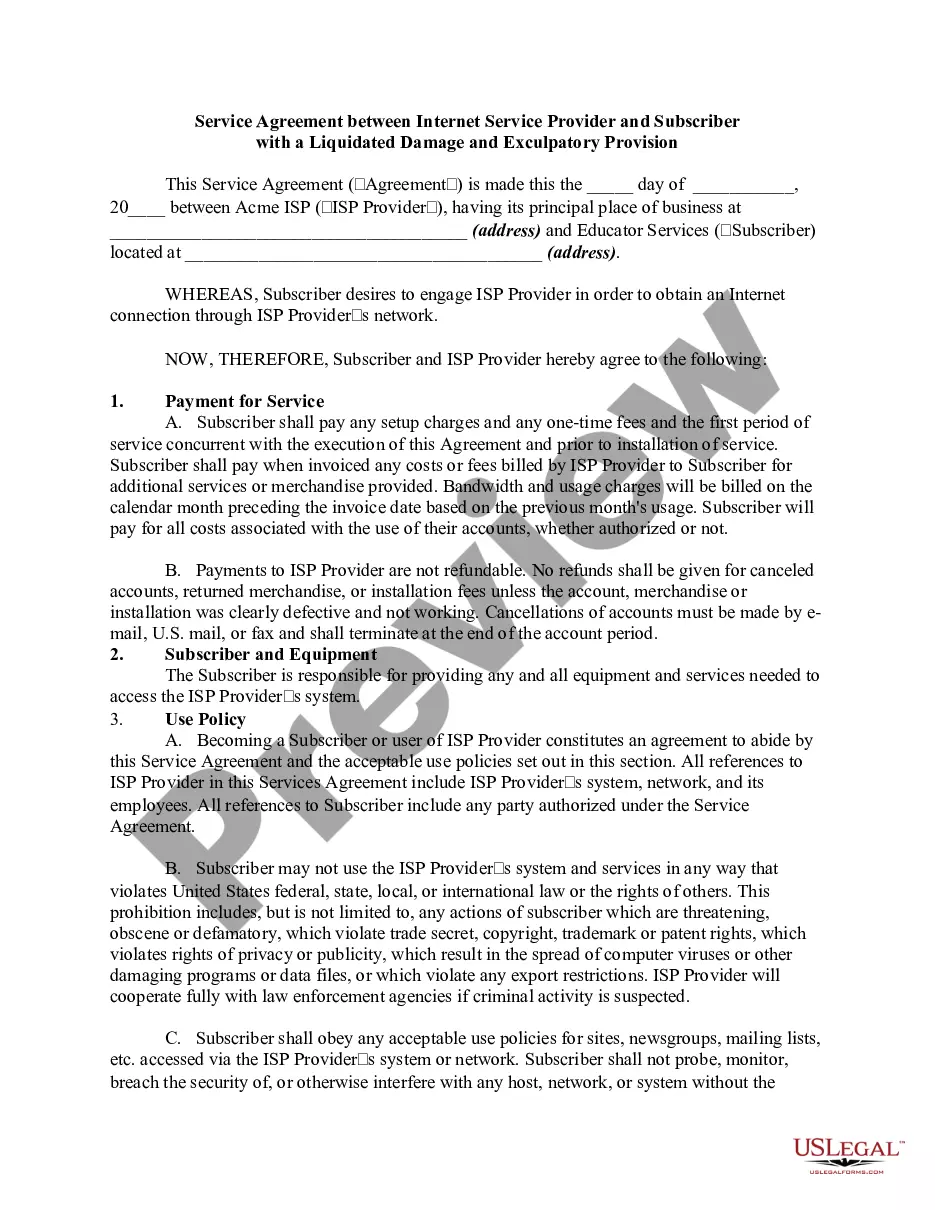
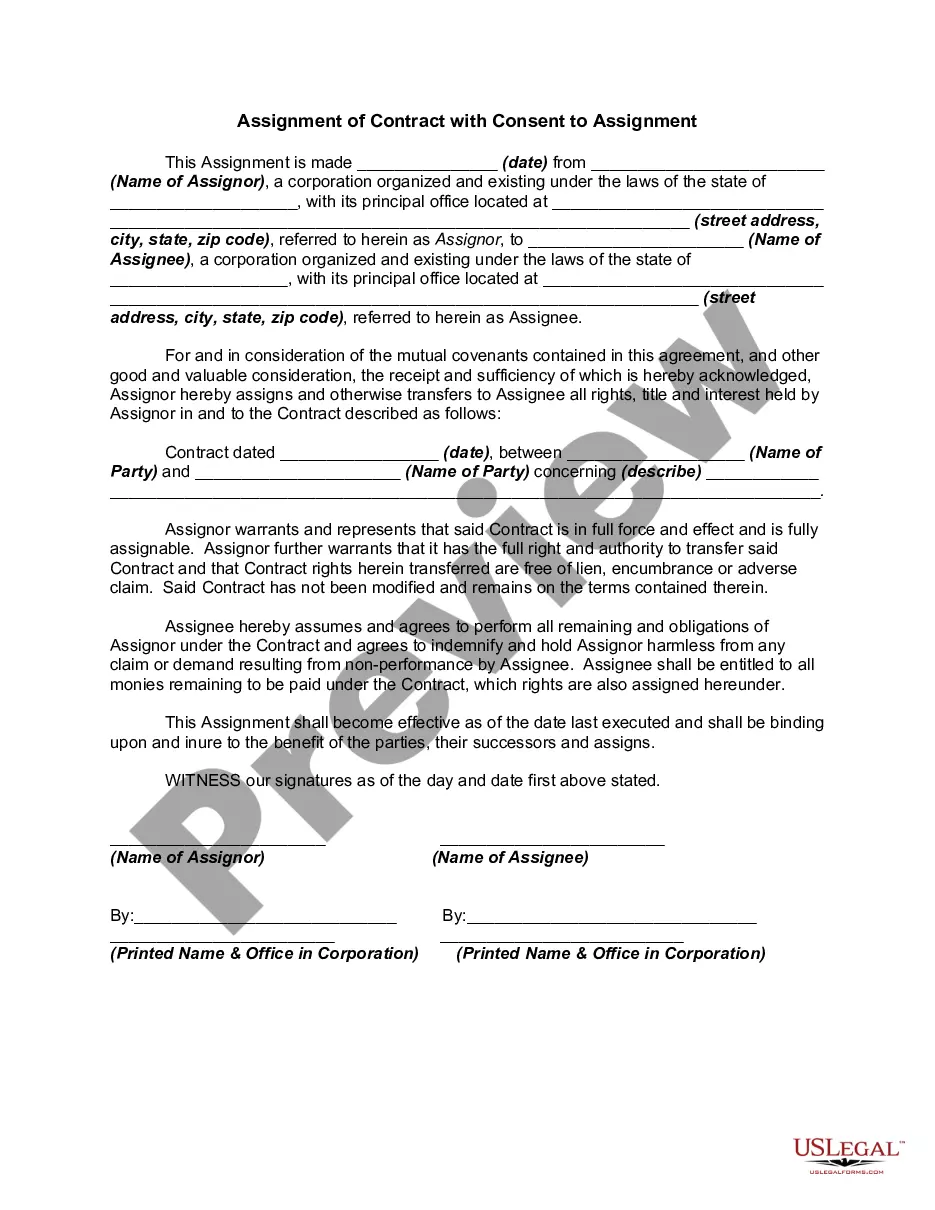
Slander Libel In A Sentence In Houston
Description

Get your form ready online
Our built-in tools help you complete, sign, share, and store your documents in one place.
Make edits, fill in missing information, and update formatting in US Legal Forms—just like you would in MS Word.
Download a copy, print it, send it by email, or mail it via USPS—whatever works best for your next step.
Sign and collect signatures with our SignNow integration. Send to multiple recipients, set reminders, and more. Go Premium to unlock E-Sign.
If this form requires notarization, complete it online through a secure video call—no need to meet a notary in person or wait for an appointment.
We protect your documents and personal data by following strict security and privacy standards.

Make edits, fill in missing information, and update formatting in US Legal Forms—just like you would in MS Word.

Download a copy, print it, send it by email, or mail it via USPS—whatever works best for your next step.

Sign and collect signatures with our SignNow integration. Send to multiple recipients, set reminders, and more. Go Premium to unlock E-Sign.

If this form requires notarization, complete it online through a secure video call—no need to meet a notary in person or wait for an appointment.

We protect your documents and personal data by following strict security and privacy standards.
Looking for another form?









Form popularity
FAQ
Sec. 16.002. ONE-YEAR LIMITATIONS PERIOD. (a) A person must bring suit for malicious prosecution, libel, slander, or breach of promise of marriage not later than one year after the day the cause of action accrues.
If someone knowingly provides false information to law enforcement officers or makes up a crime, they can be charged with this crime. The penalties may include fines and possible imprisonment. While not a criminal offense, making false claims that harm someone's reputation can lead to civil lawsuits for defamation.
Required Elements to Prove a Slander Case in Houston, TX A false statement was made. The statement was spoken (not written). The statement was heard by at least one other person. The subject of the statement suffered harm as a result (usually reputational damage).
I feel that there would be a crop of libels or slanders. What protection would he provide to the public where in such investigatory journalism a person is slandered and libelled? We all expected it to turn up in the form of a private individual suing another private individual because he had been libelled or slandered.
Defamation occurs when one person publishes a false statement that tends to harm the reputation of another person. Written defamation is called libel. Spoken defamation is called slander.
He called her a liar which she said is defamatory. These sensational and defamatory images also entered the courtroom. His lawyers say that the allegations in the book are defamatory and wholly untrue. It is also potentially unlawful and defamatory.
He has launched a defamation suit to refute this. He won a defamation lawsuit over the slur. The legal position on social media defamation is unclear.
I feel that there would be a crop of libels or slanders. What protection would he provide to the public where in such investigatory journalism a person is slandered and libelled? We all expected it to turn up in the form of a private individual suing another private individual because he had been libelled or slandered.
Examples of slander in a Sentence Verb She was accused of slandering her former boss. Noun She is being sued for slander. He was a target of slander.
How to Use defamation in a Sentence The article was full of lies and defamations. Depp and Heard are now both in the process of appealing the verdicts in their Virginia defamation case. Two Georgia poll workers won $148 million in their defamation trial against Giuliani.