Deferred Comp Nyc Sign In In Kings
Description

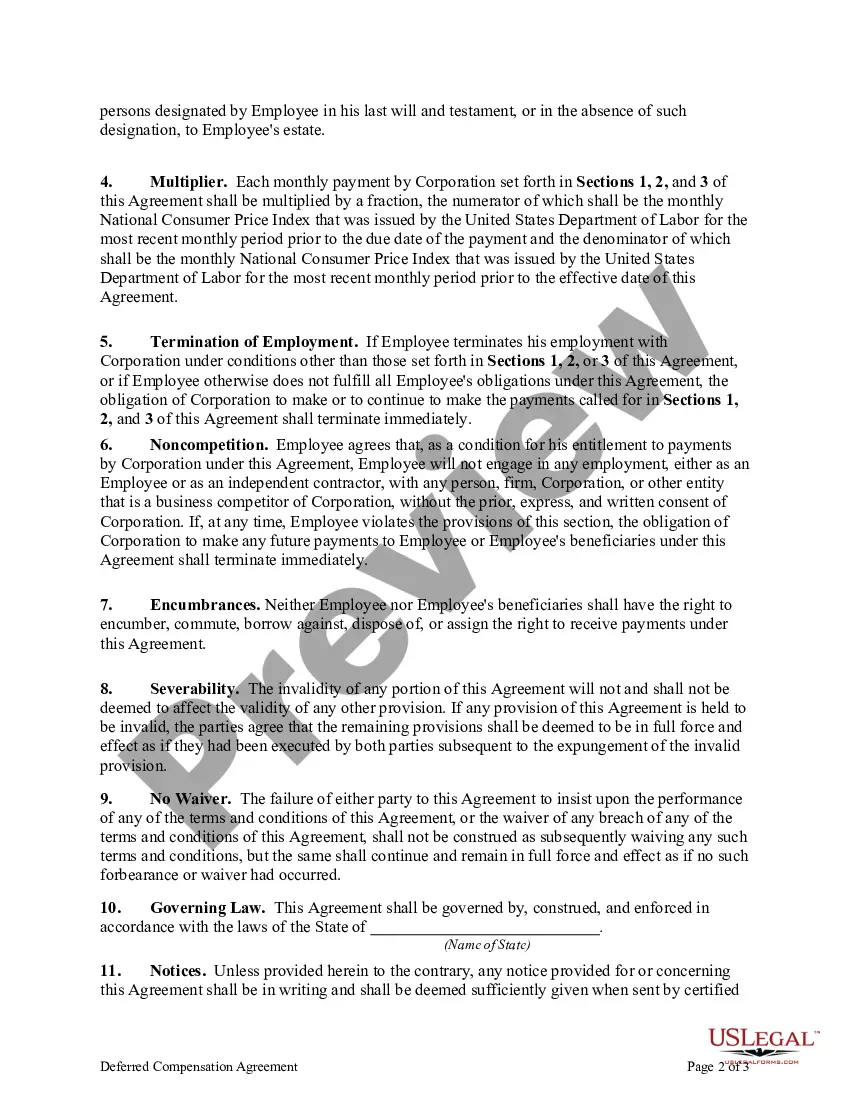
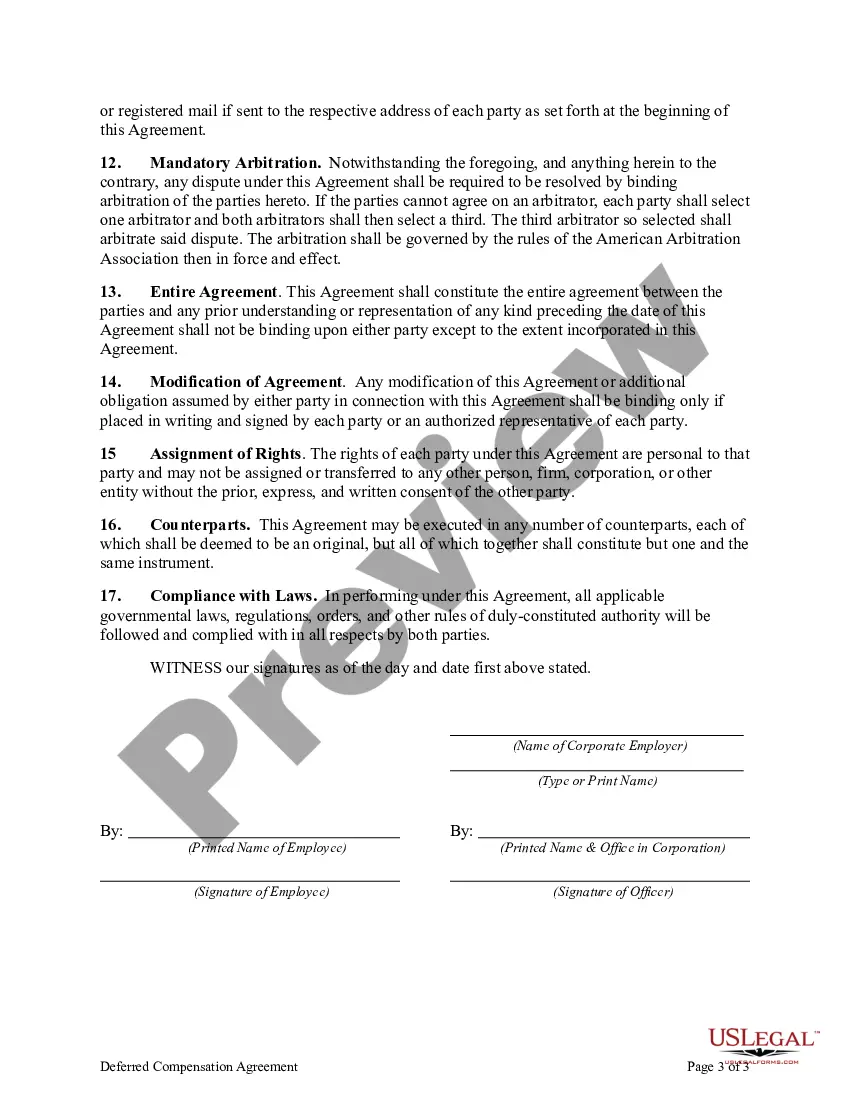

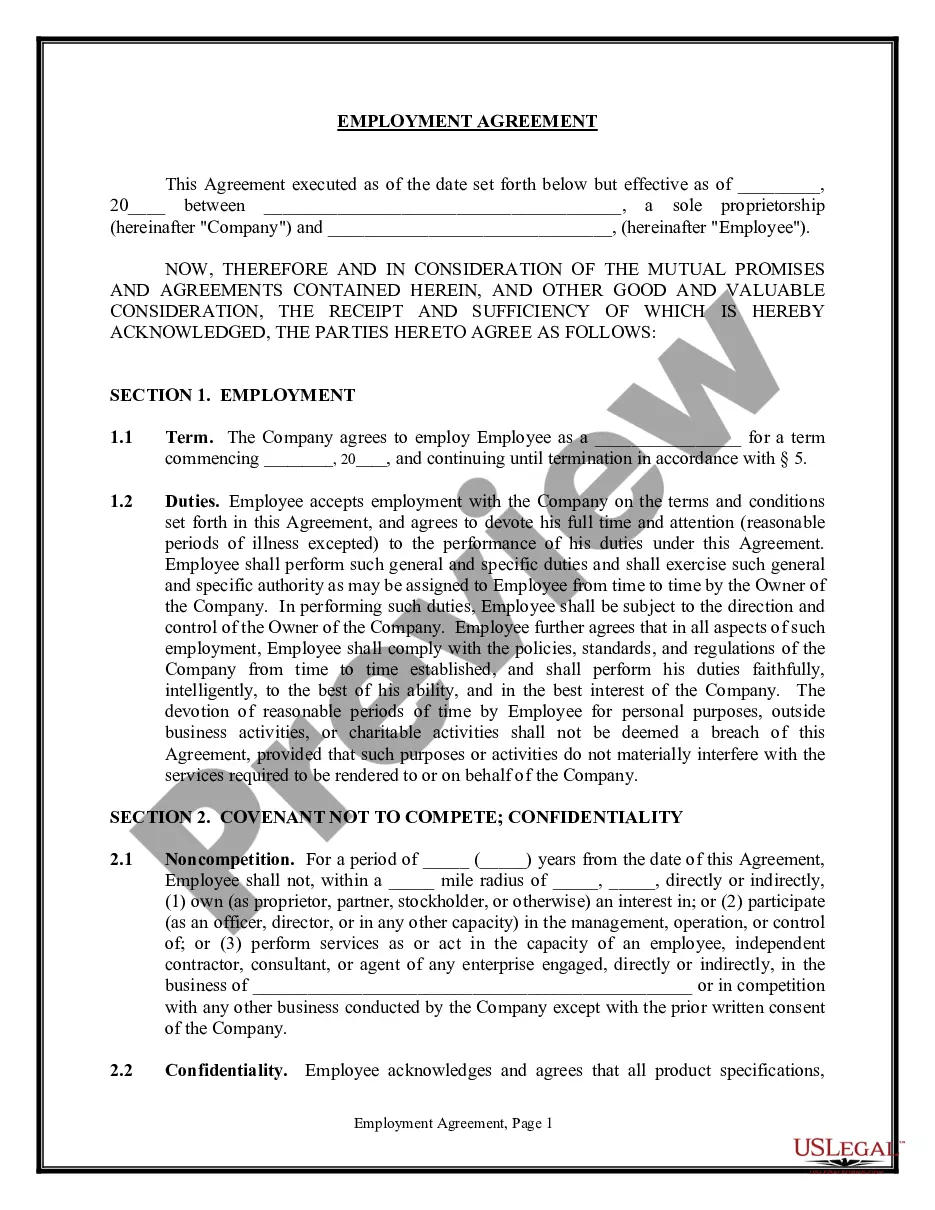
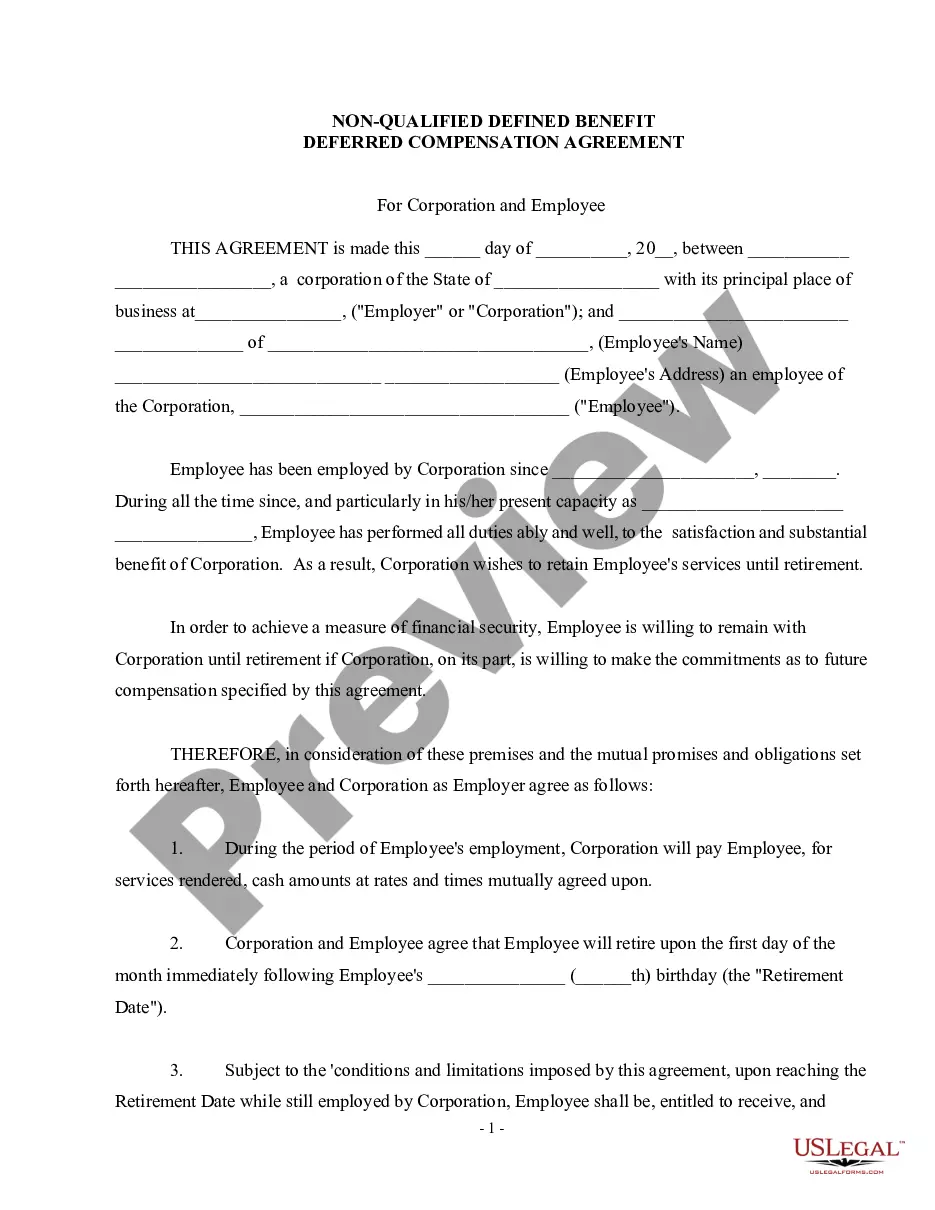
Get your form ready online
Our built-in tools help you complete, sign, share, and store your documents in one place.
Make edits, fill in missing information, and update formatting in US Legal Forms—just like you would in MS Word.
Download a copy, print it, send it by email, or mail it via USPS—whatever works best for your next step.
Sign and collect signatures with our SignNow integration. Send to multiple recipients, set reminders, and more. Go Premium to unlock E-Sign.
If this form requires notarization, complete it online through a secure video call—no need to meet a notary in person or wait for an appointment.
We protect your documents and personal data by following strict security and privacy standards.

Make edits, fill in missing information, and update formatting in US Legal Forms—just like you would in MS Word.

Download a copy, print it, send it by email, or mail it via USPS—whatever works best for your next step.

Sign and collect signatures with our SignNow integration. Send to multiple recipients, set reminders, and more. Go Premium to unlock E-Sign.

If this form requires notarization, complete it online through a secure video call—no need to meet a notary in person or wait for an appointment.

We protect your documents and personal data by following strict security and privacy standards.
Looking for another form?









Form popularity
FAQ
You will need your Social Security Number and PIN to enroll in the Plan online. You can also enroll by completing a DCP Enrollment Form. Enrollment consists of: Selecting your deferral percentage (the amount to be deducted from each paycheck).
The Deferred Compensation “Retirement Catch-Up” provision, available to employees in each of the last three years prior to normal retirement age, increases from $23,000.00 to $23,500, for a combined maximum contribution of $47,000 for calendar year 2025.
As always, you can speak with a Deferred Compensation Plan Customer Service Representative about the Plan and your account(s) on the phone by calling at (212) 306-7760, 9am to 5pm, Monday through Friday, except holidays.
To be eligible for this deduction, you must be at least age 59½ and the distributions must be in the form of periodic payments (non-lump sum payments).
Yes. The Plan offers you an opportunity to defer benefit payments until as late as age 72 or as long as you're still working. When you retire you may be in a lower tax bracket. In addition, any earnings on your contributions will accumulate tax deferred until distribution.
For most people, deferred compensation is a good way to use your income earning years as a direct means to supplement your pension and Social Security benefits when you retire and build a bright financial future.
The Deferred Compensation Plan is a voluntary IRS §457(b) Plan that allows participants to voluntarily defer receipt and taxation of a portion of their regular earnings until after they retire or separate from service.
Elective deferral limit The amount you can defer (including pre-tax and Roth contributions) to all your plans (not including 457(b) plans) is $23,000 in 2024 ($22,500 in 2023; $20,500 in 2022; $19,500 in 2020 and 2021; $19,000 in 2021).
