Blanket Purchase Agreement Example In Houston
Description

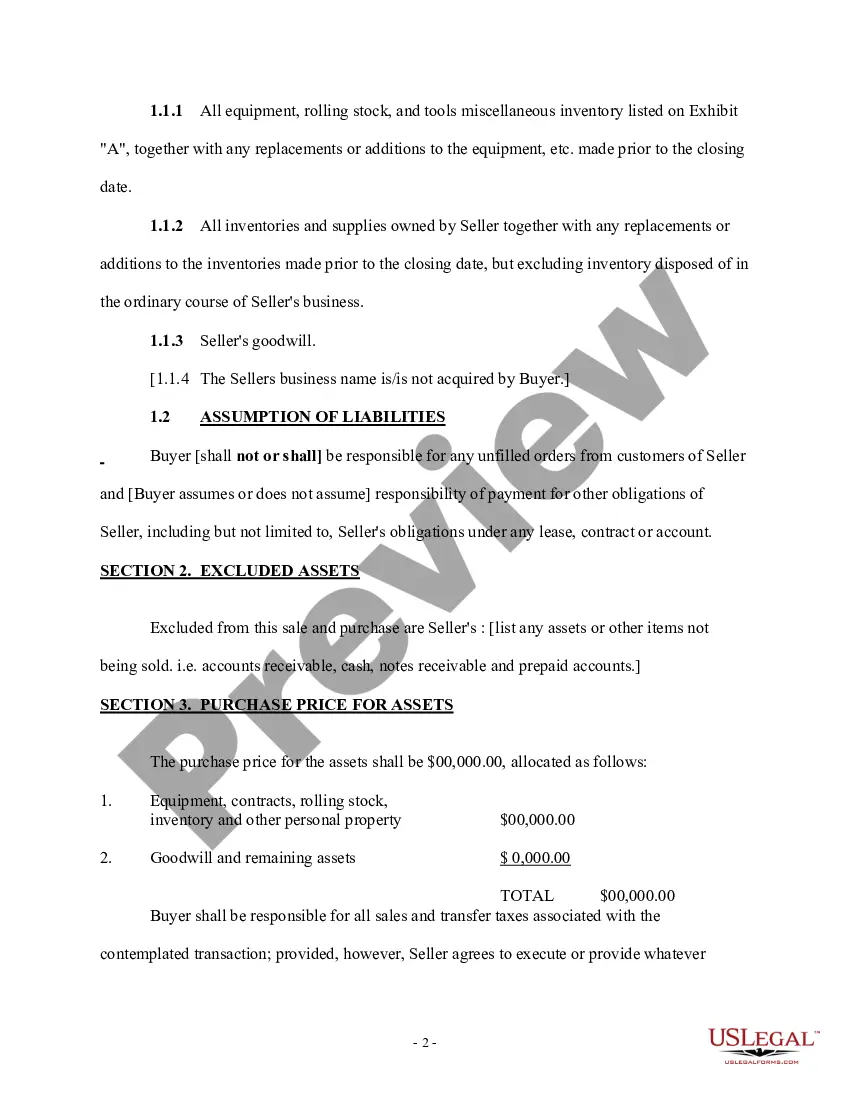
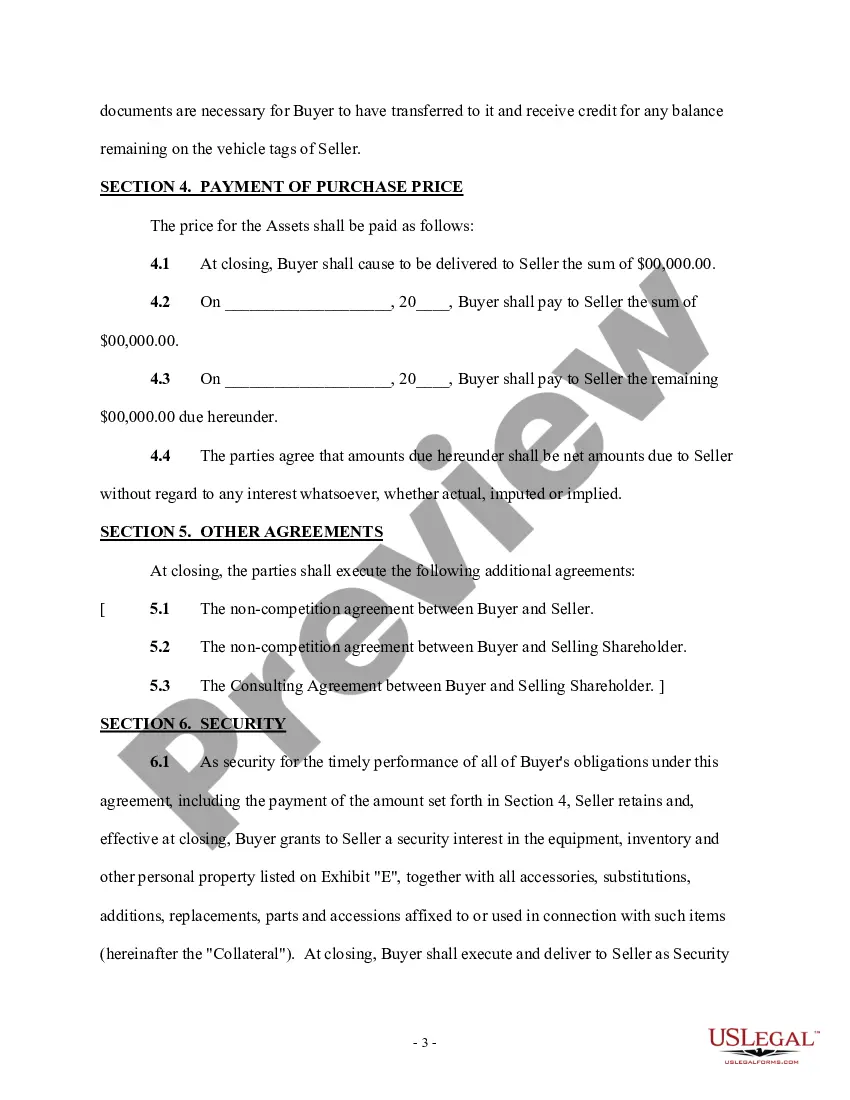
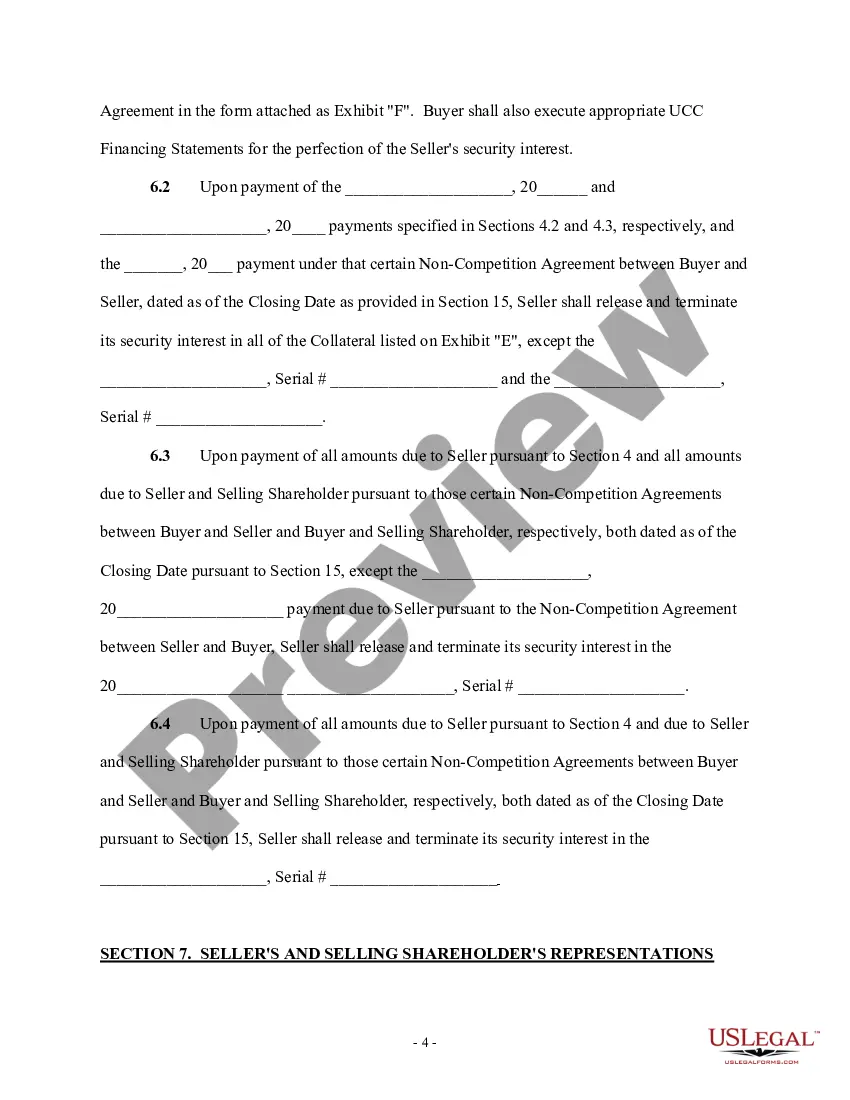
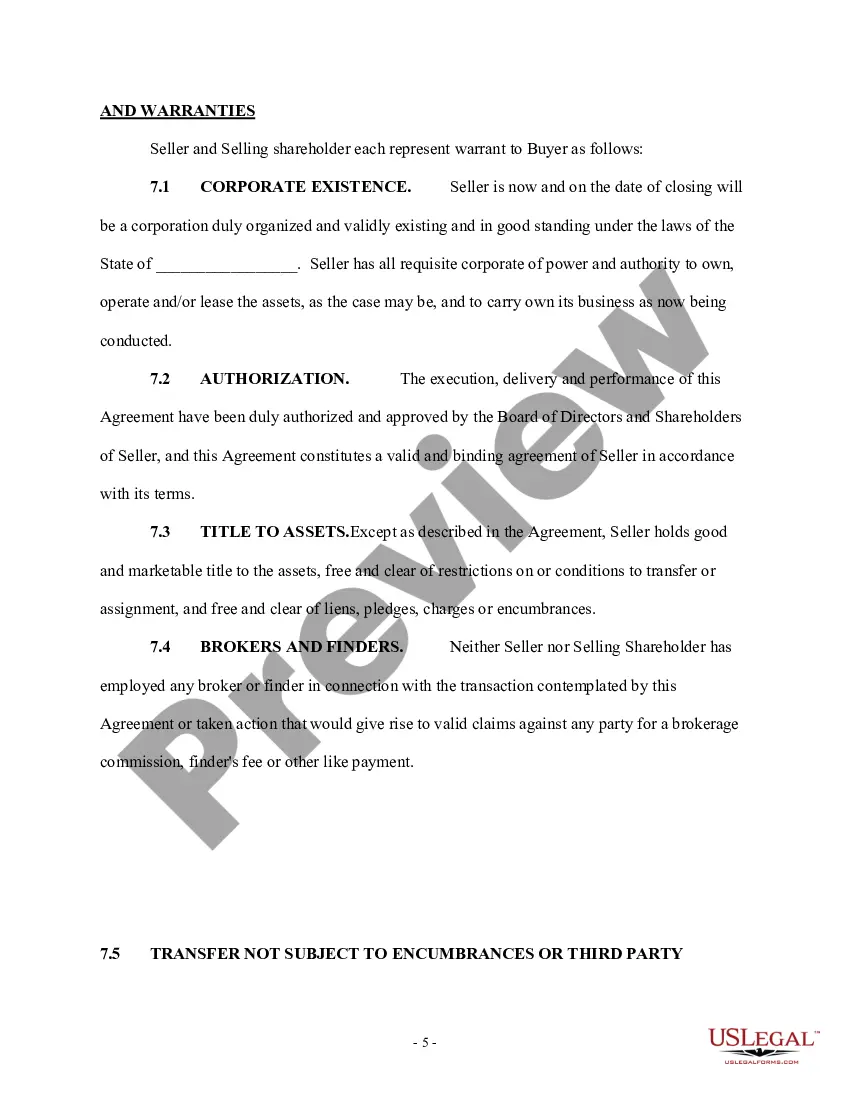


Get your form ready online
Our built-in tools help you complete, sign, share, and store your documents in one place.
Make edits, fill in missing information, and update formatting in US Legal Forms—just like you would in MS Word.
Download a copy, print it, send it by email, or mail it via USPS—whatever works best for your next step.
Sign and collect signatures with our SignNow integration. Send to multiple recipients, set reminders, and more. Go Premium to unlock E-Sign.
If this form requires notarization, complete it online through a secure video call—no need to meet a notary in person or wait for an appointment.
We protect your documents and personal data by following strict security and privacy standards.

Make edits, fill in missing information, and update formatting in US Legal Forms—just like you would in MS Word.

Download a copy, print it, send it by email, or mail it via USPS—whatever works best for your next step.

Sign and collect signatures with our SignNow integration. Send to multiple recipients, set reminders, and more. Go Premium to unlock E-Sign.

If this form requires notarization, complete it online through a secure video call—no need to meet a notary in person or wait for an appointment.

We protect your documents and personal data by following strict security and privacy standards.
Looking for another form?




Form popularity
FAQ
However, they differ in their use in that BPAs are for anticipated requirements and use the terms and conditions contained in vendors' existing GSA Schedule contracts (or other contracts). BOAs are used when future needs are undetermined. These agreements contain their own specific terms and conditions.
An example is the sentence that “every one tells lie at least once in their life.” It is Usually “blanket term,” rather than “blanket statement,” and “umbrella term” that are used as synonyms and can be confusing in their usage.
A blanket approach to regulation refers to the methodology of making general laws for specialized niches. For example, Congress could pass a law requiring all professionals to undergo seven years of tertiary-level education to qualify.
Blanket PO is used when a business has a long-term agreement with a vendor it purchases the same goods or services on a regular basis. A business uses Standard PO to buy goods or services on a one-time basis, or when it has a short-term agreement with a vendor.
Blanket PO: Designed for long-term agreements, typically spanning a year or a quarter, with defined start and end dates. It's suitable for recurring purchases where a continuous need exists. The contract length is a key differentiator. Standard PO: Used for short-term or one-time purchases to fulfill a specific order.
How to write a contract agreement in 7 steps. Determine the type of contract required. Confirm the necessary parties. Choose someone to draft the contract. Write the contract with the proper formatting. Review the written contract with a lawyer. Send the contract agreement for review or revisions.
The main difference between IDIQ contracts and BOAs is in competition. IDIQ meets requirements for competition at the time of initial award, but do not allow for participation by new contractors on additional delivery order awards.