Arbitration Brief Example In Sacramento
Description

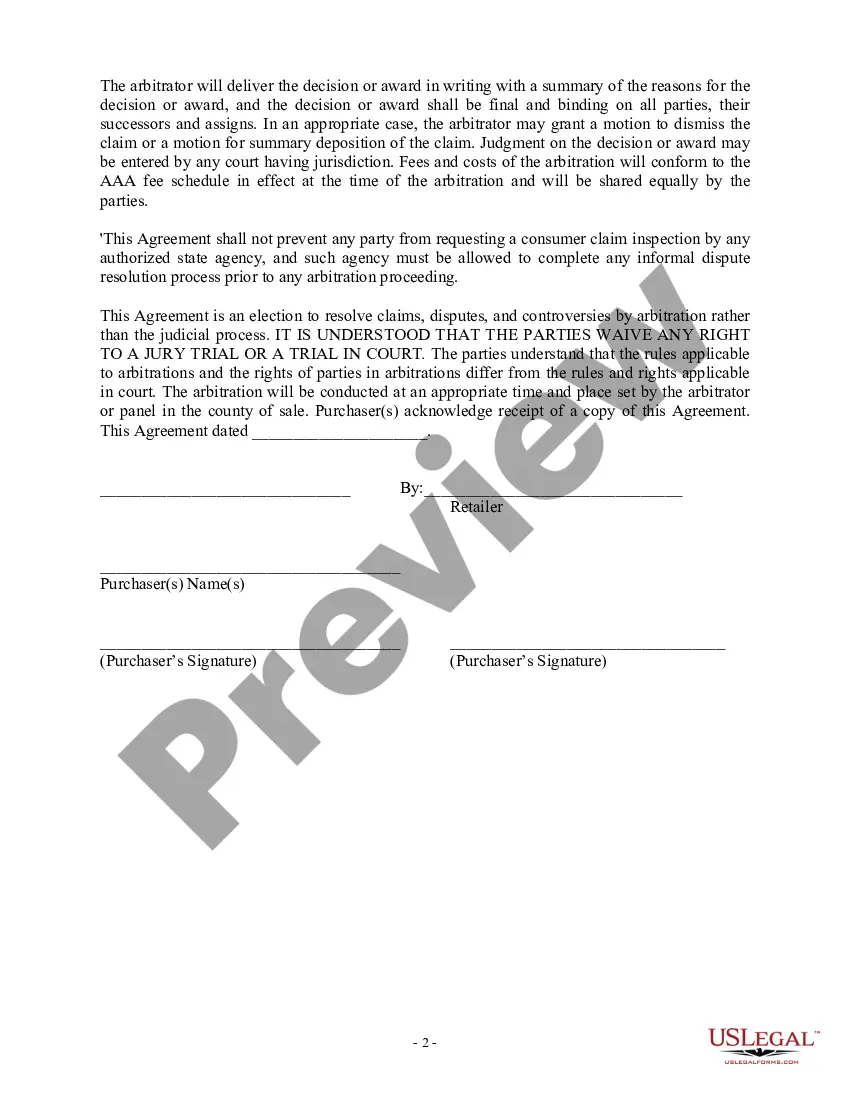
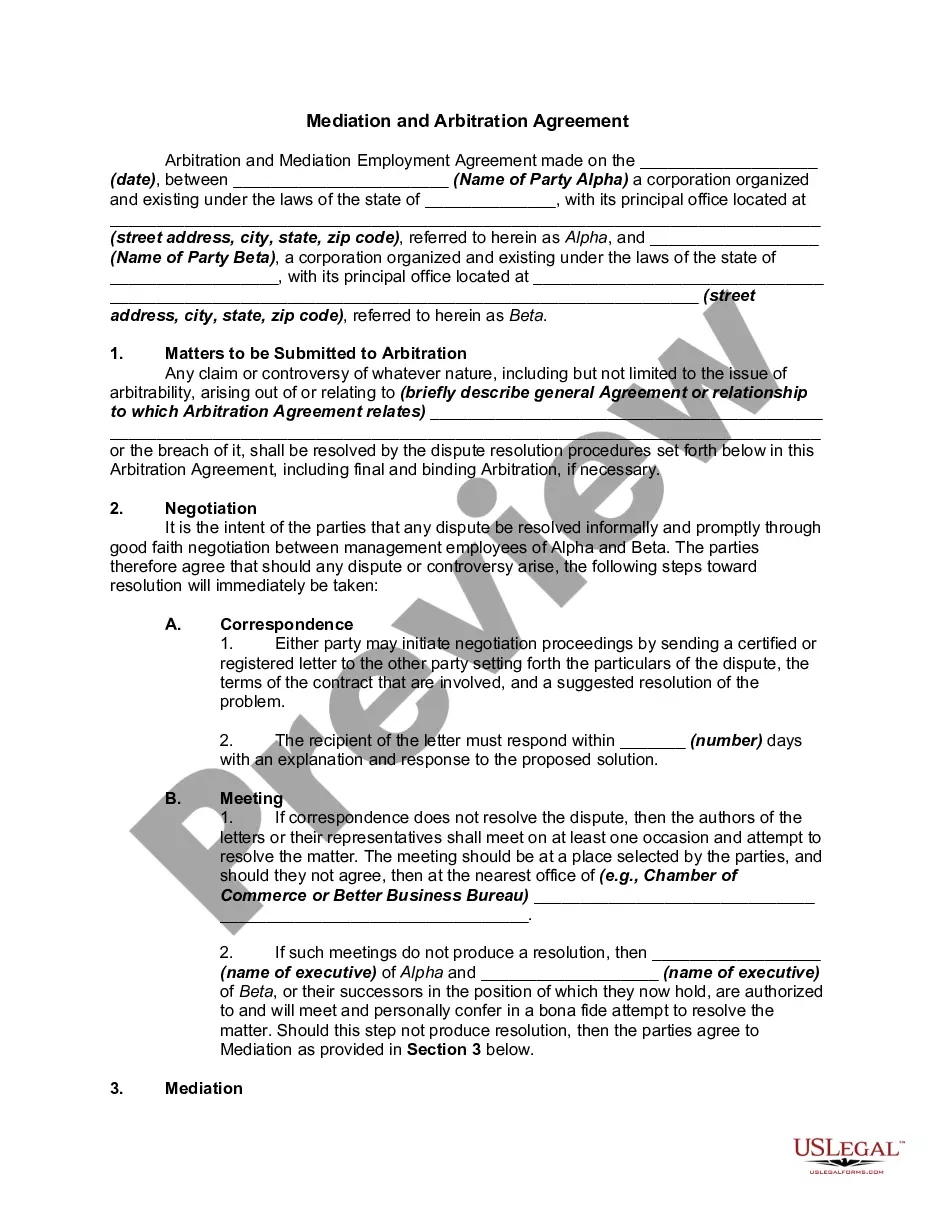

Get your form ready online
Our built-in tools help you complete, sign, share, and store your documents in one place.
Make edits, fill in missing information, and update formatting in US Legal Forms—just like you would in MS Word.
Download a copy, print it, send it by email, or mail it via USPS—whatever works best for your next step.
Sign and collect signatures with our SignNow integration. Send to multiple recipients, set reminders, and more. Go Premium to unlock E-Sign.
If this form requires notarization, complete it online through a secure video call—no need to meet a notary in person or wait for an appointment.
We protect your documents and personal data by following strict security and privacy standards.

Make edits, fill in missing information, and update formatting in US Legal Forms—just like you would in MS Word.

Download a copy, print it, send it by email, or mail it via USPS—whatever works best for your next step.

Sign and collect signatures with our SignNow integration. Send to multiple recipients, set reminders, and more. Go Premium to unlock E-Sign.

If this form requires notarization, complete it online through a secure video call—no need to meet a notary in person or wait for an appointment.

We protect your documents and personal data by following strict security and privacy standards.
Looking for another form?








Form popularity
FAQ
Outline a concise factual background and then move on to a discussion of the issues at the heart of the case. Your arguments should flow easily from the relevant facts and applicable law. And, by all means, avoid exaggeration of the strengths of your case as well as disparagement of the opposing side.
In conclusion, an effective opening statement will tell the arbitrator in a concise, courteous fashion exactly what the factual situation in the case is, what the issues are, how the advocate wants the arbitrator to rule on the issues, and exactly what relief is being requested.
A claimant will typically start arbitration by sending a document known as a “request for arbitration” or a “notice to arbitrate” to its opponent.
Outline a concise factual background and then move on to a discussion of the issues at the heart of the case. Your arguments should flow easily from the relevant facts and applicable law. And, by all means, avoid exaggeration of the strengths of your case as well as disparagement of the opposing side.
In conclusion, an effective opening statement will tell the arbitrator in a concise, courteous fashion exactly what the factual situation in the case is, what the issues are, how the advocate wants the arbitrator to rule on the issues, and exactly what relief is being requested.
Good afternoon, my name is _______________ and I am serving as your mediator today. I am a certified mediator trained to assist in resolving disputes such as the one before us today. I am pleased to be here to assist you in working through your issues and believe you will find mediation to be a very helpful process.
Arbitration is a procedure in which a dispute is submitted, by agreement of the parties, to one or more arbitrators who make a binding decision on the dispute. In choosing arbitration, the parties opt for a private dispute resolution procedure instead of going to court.
Arbitration is a dispute-resolution process in which the parties select a neutral third party to resolve their claims. Parties typically agree to arbitrate in order to avoid the time, expense, and complexity of litigation.
But first, let's get some context. What is arbitration? ... #1: Understand the arbitration agreement deeply. #2: Understand the applicable rules. #3: Conduct preliminary research and gather information. #4: Know your arbitrator. #5: Prepare your client. #6: Draft the opening statement. #7: Manage the hearing day.
