Separation Agreement For Unmarried Couples In Miami-Dade
Description

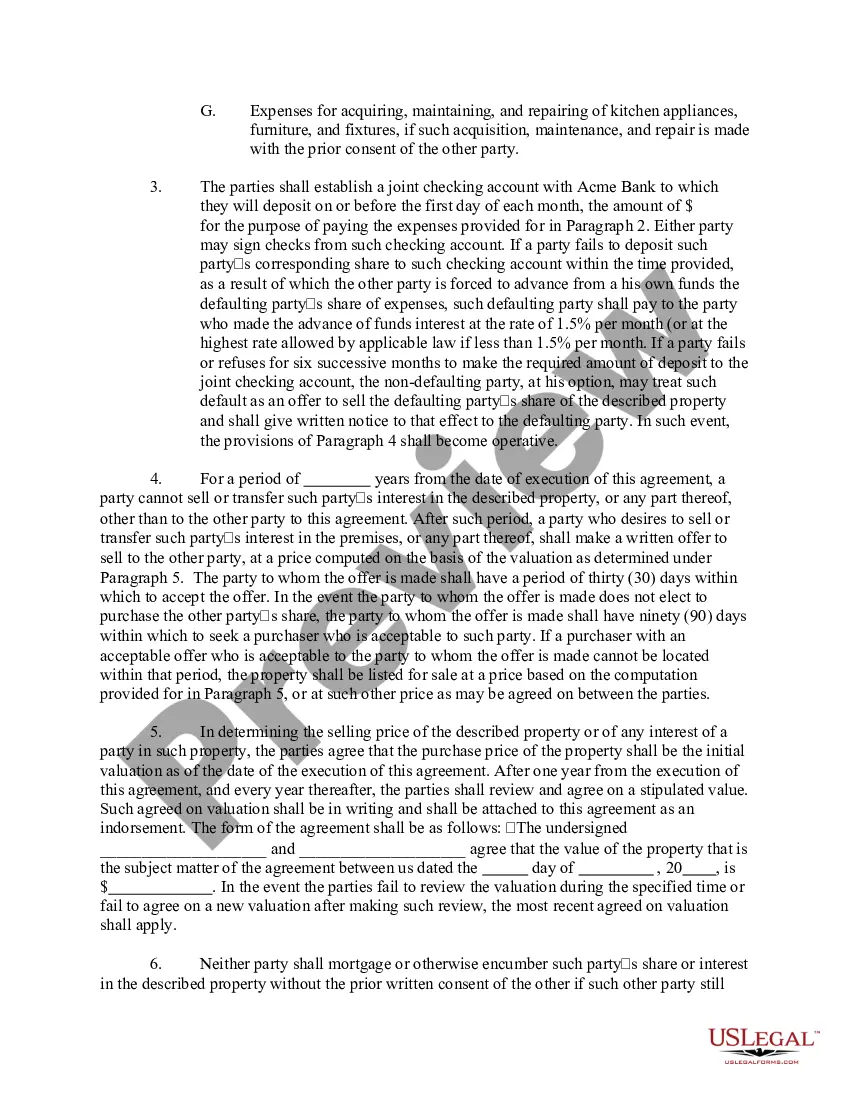
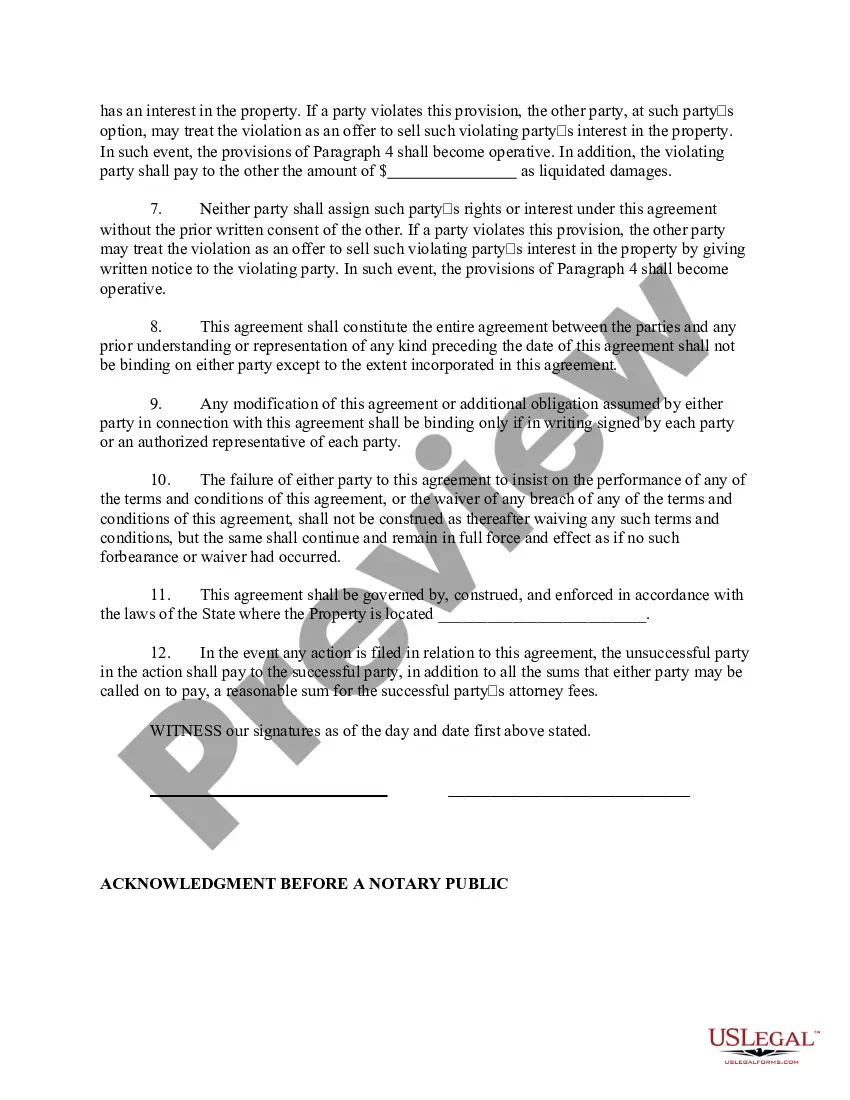
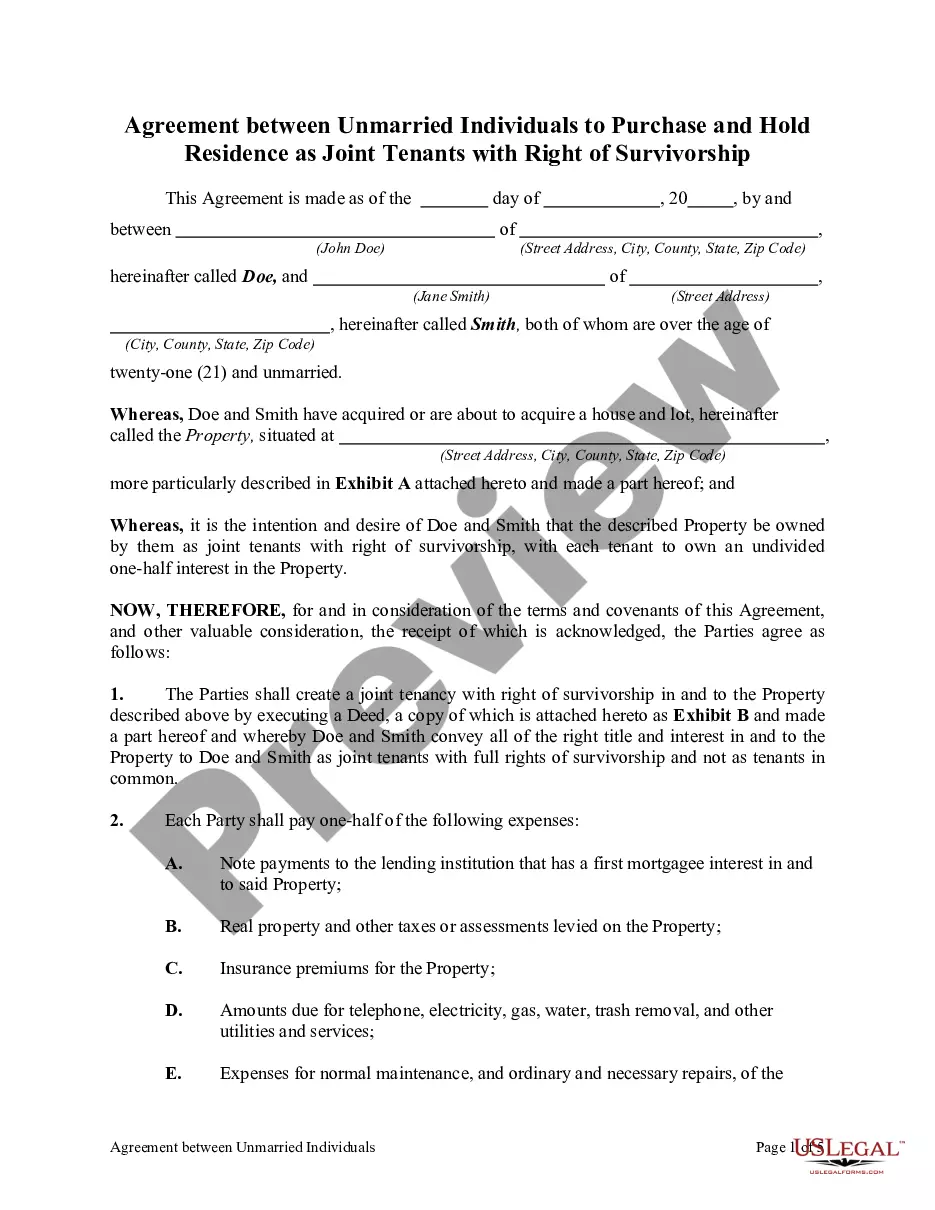
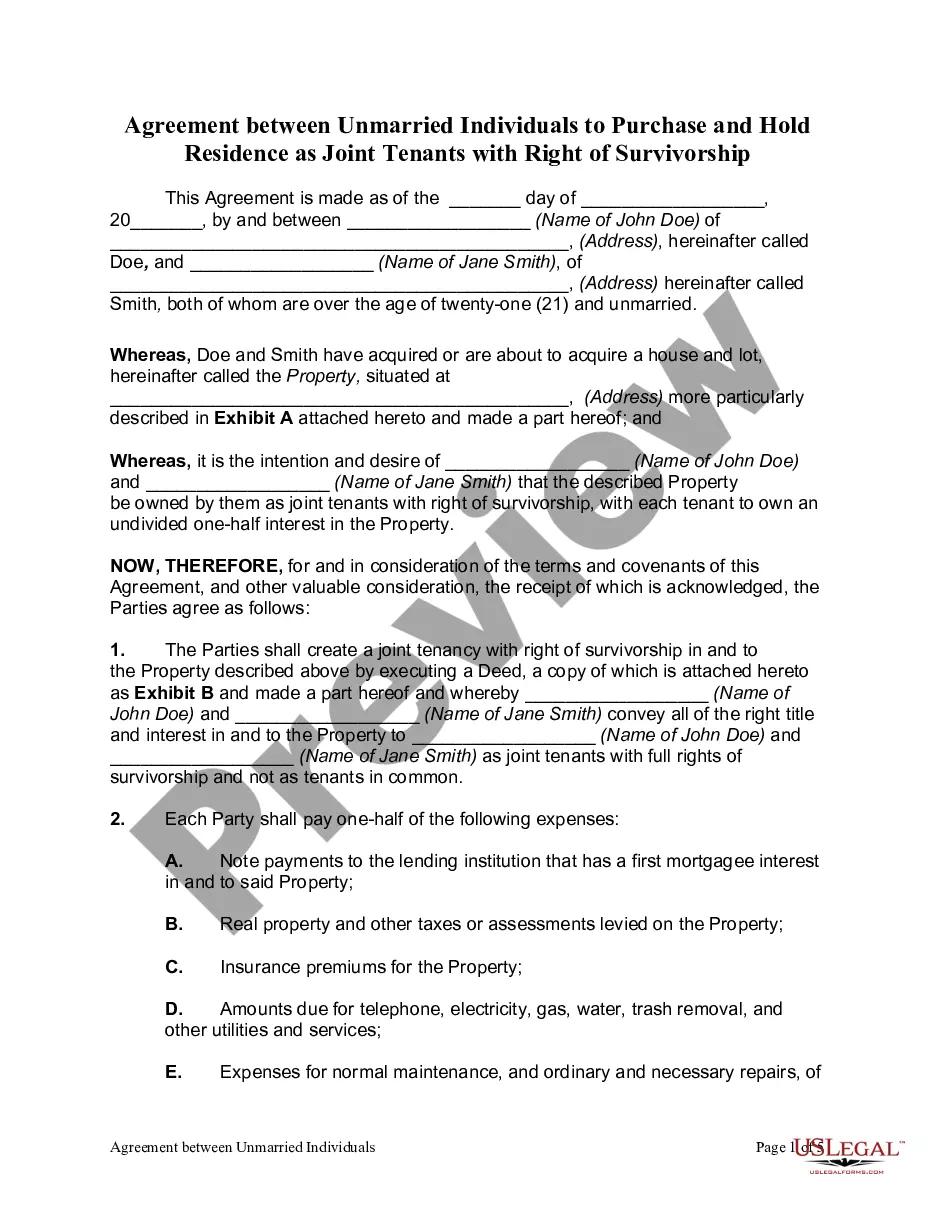
Get your form ready online
Our built-in tools help you complete, sign, share, and store your documents in one place.
Make edits, fill in missing information, and update formatting in US Legal Forms—just like you would in MS Word.
Download a copy, print it, send it by email, or mail it via USPS—whatever works best for your next step.
Sign and collect signatures with our SignNow integration. Send to multiple recipients, set reminders, and more. Go Premium to unlock E-Sign.
If this form requires notarization, complete it online through a secure video call—no need to meet a notary in person or wait for an appointment.
We protect your documents and personal data by following strict security and privacy standards.

Make edits, fill in missing information, and update formatting in US Legal Forms—just like you would in MS Word.

Download a copy, print it, send it by email, or mail it via USPS—whatever works best for your next step.

Sign and collect signatures with our SignNow integration. Send to multiple recipients, set reminders, and more. Go Premium to unlock E-Sign.

If this form requires notarization, complete it online through a secure video call—no need to meet a notary in person or wait for an appointment.

We protect your documents and personal data by following strict security and privacy standards.
Looking for another form?










Form popularity
FAQ
8 Tips for a Healthy Marriage Separation Process Give Yourself Time To Process Your Emotions. Be Courteous to Your Spouse. Manage Your Expectations and Set Your Boundaries. Audit Your Finances. Explore Other Sources Of Help. Seek The Help Of A Family Mediator Or Family Law Attorney.
Proving the Date of Separation To prove your date of separation in Florida, you'll need to show that at least one of you had the intent to end the marriage. How do you show intent? There are countless ways to do so, but you cannot simply claim you had the intent to end your marriage without taking some action.
A: In Florida, neither spouse is automatically required to leave the marital home during a divorce. Both parties have an equal right to remain in the home until the divorce is finalized and the court decides on property division.
No, Florida is one of a handful of states that doesn't offer legal separation as a formal legal process. Within the state, spouses can live separate and apart from each other without the need for a court order, which can be beneficial if you wish to avoid divorce for religious, social, or financial reasons.
States with Separation Requirements In our modern times, many states do not require spouses to separate before they move forward with the divorce process. However, there are some states in the U.S. that require a couple to separate for a length of time before they pursue a divorce. Florida is not one of these states.
While not an official law, many Florida courts institute a “7-year” rule when it comes to the length of the marriage. If the marriage has lasted longer than seven years, it's considered a “long marriage”, while a “short marriage” is one that lasts less than seven years.
Unlike some other states, Florida does not formally recognize a “legal separation.” If you want to separate from your spouse – that is, live apart but remain married – you are able to do so without filing any special form or petition with the court.
No, common-law marriages in Florida do not exist. Florida does not recognize couples as having entered into a marriage relationship or agreement after seven years—or any other length of time—of living together, even if the couple has otherwise developed the habits of and reputation as a married couple.
As long as you and your ex can agree on how to divide up your assets, there is no need to involve lawyers or the court system. Even if children are involved, in most states you have the opportunity to separate in private, ing to whatever arrangements the two of you agree on.
There are three types of separation: trial separation, permanent separation, and legal separation. While legal separation must be approved by a family court and may serve as an alternative to divorce, trial and permanent separation are more immediate measures taken before a divorce or potential divorce.
