Joint Tenancy For Bank Account In Collin
Description

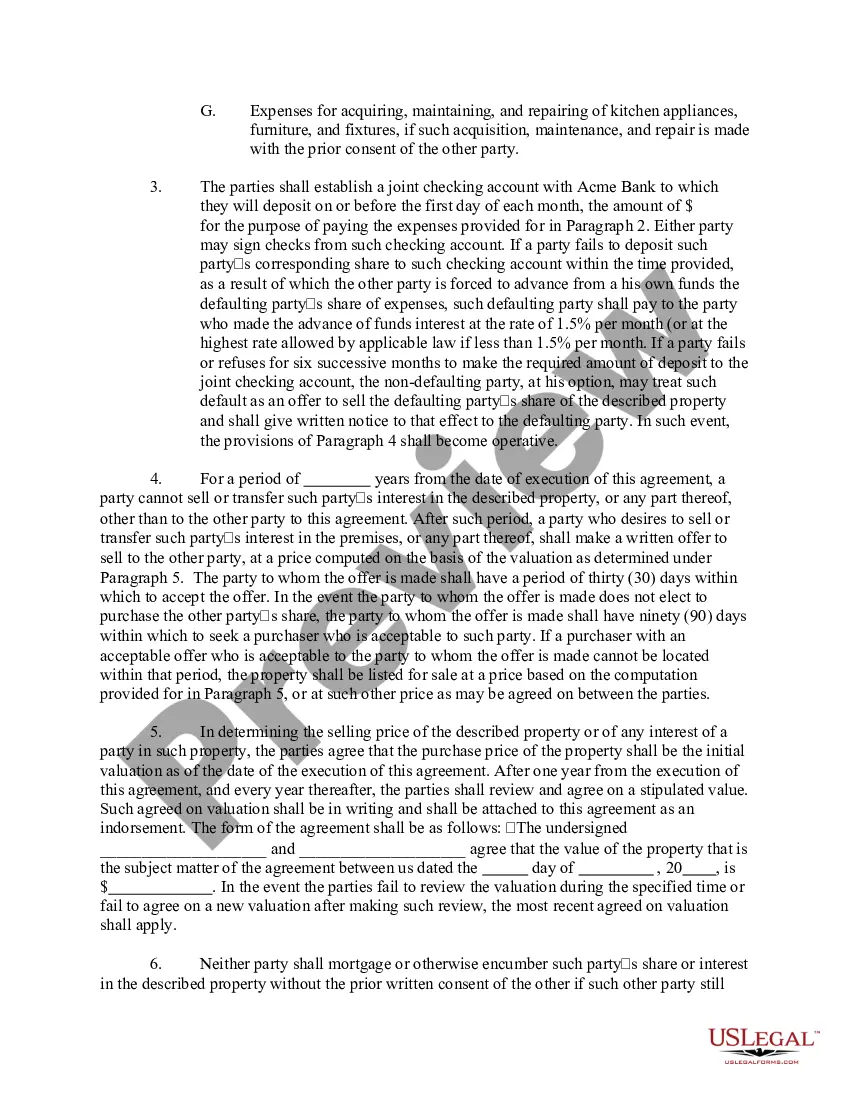
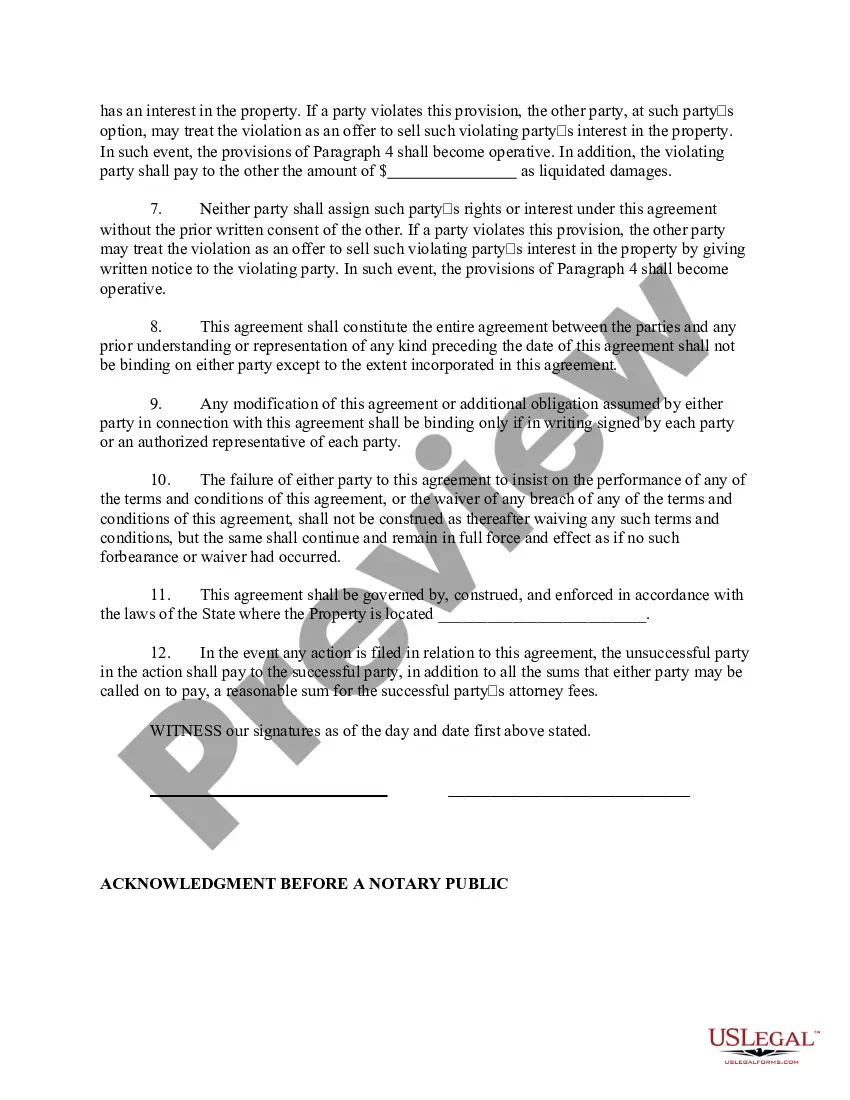
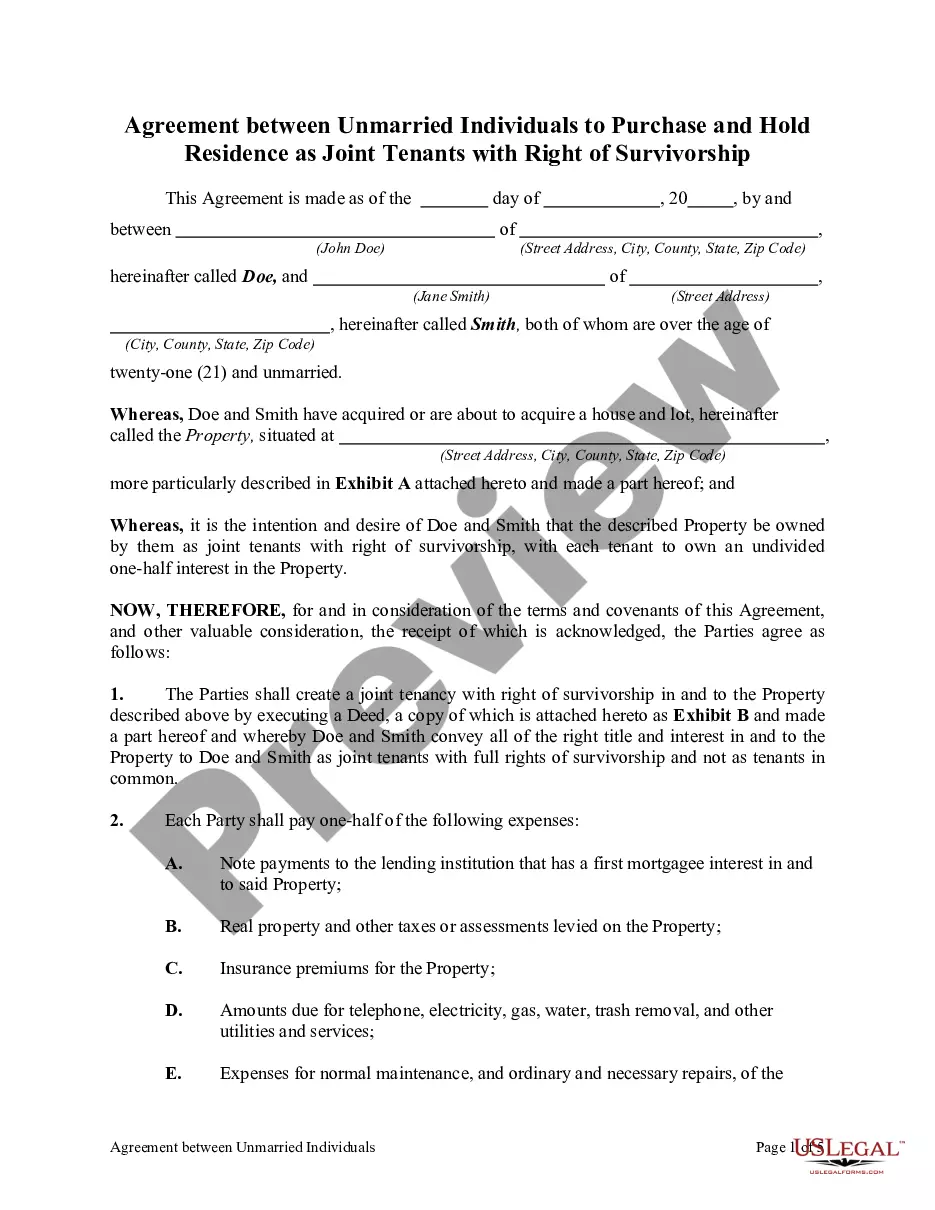
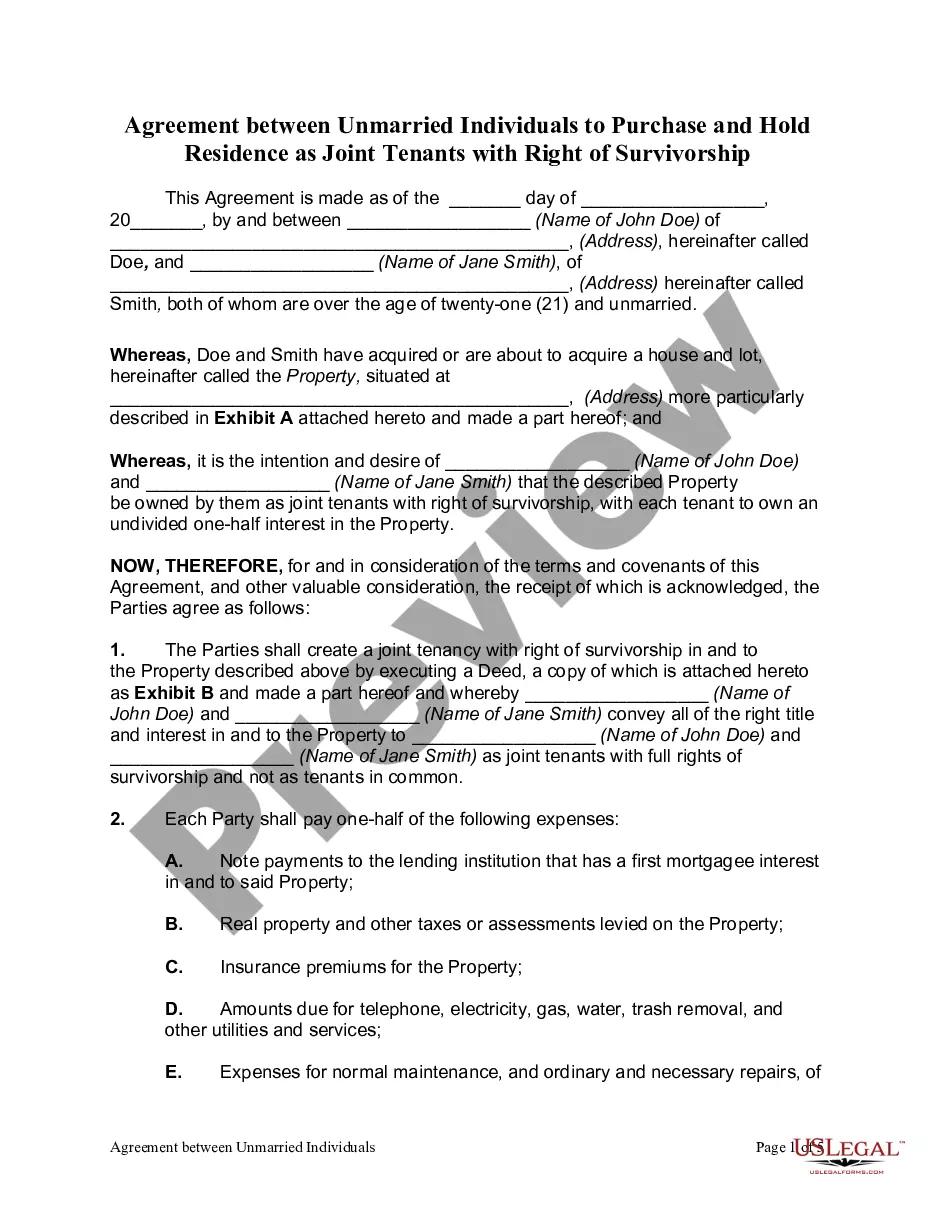
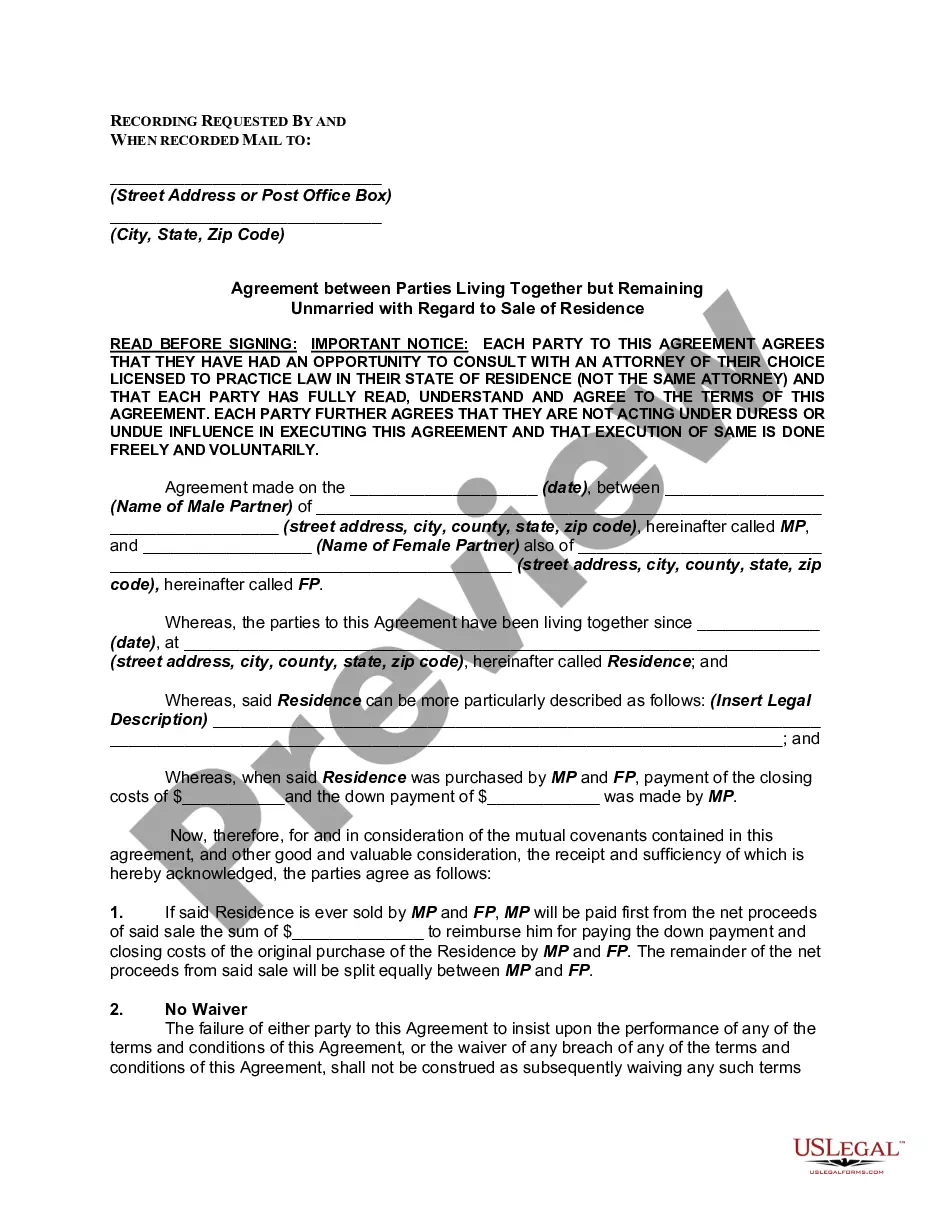
Get your form ready online
Our built-in tools help you complete, sign, share, and store your documents in one place.
Make edits, fill in missing information, and update formatting in US Legal Forms—just like you would in MS Word.
Download a copy, print it, send it by email, or mail it via USPS—whatever works best for your next step.
Sign and collect signatures with our SignNow integration. Send to multiple recipients, set reminders, and more. Go Premium to unlock E-Sign.
If this form requires notarization, complete it online through a secure video call—no need to meet a notary in person or wait for an appointment.
We protect your documents and personal data by following strict security and privacy standards.

Make edits, fill in missing information, and update formatting in US Legal Forms—just like you would in MS Word.

Download a copy, print it, send it by email, or mail it via USPS—whatever works best for your next step.

Sign and collect signatures with our SignNow integration. Send to multiple recipients, set reminders, and more. Go Premium to unlock E-Sign.

If this form requires notarization, complete it online through a secure video call—no need to meet a notary in person or wait for an appointment.

We protect your documents and personal data by following strict security and privacy standards.
Looking for another form?










Form popularity
FAQ
You'll need your debit card or details of the account you wish to switch from, income details, your home address and the details of any arranged overdraft you have on your existing bank account. You can switch both sole accounts and joint accounts into a joint account.
When you go to open the account, you can either select the “joint account” option on an application or add a co-applicant after filling in one person's details. Some banks only allow adding a co-owner after an account has been opened by one person.
To get a joint account, you'll first need to open a sole account and then add someone to it. You can choose an account you already have or set up a completely new one.
You can add someone to your existing personal checking or savings account quite easily, transforming it into a joint account where you both have equal access. But just because you can doesn't mean you should, so here are some important points to consider before adding someone to your bank account.
Many banks will also allow you to add a co-owner to an already existing individual bank account. Typically, you will need to do this in person rather than online.
Contrary to popular belief, joint bank accounts are not only for couples. They can be used by family members who share responsibilities (and ownership) of a family cottage, roommates who share ownership of their dwelling (such as a condo), or between a parent and their child.
Together, you can choose the checking or savings account that works for you. To open a joint account, you'll need: Identification for both account owners, like a driver's license, state ID or passport. Personal information for both account owners, including your date of birth, Social Security number and current address.
Right of Survivorship by Default: Generally, joint bank accounts are presumed to have rights of survivorship unless otherwise specified.
A joint account generally passes outside of the will because it is considered to be a non-probate asset meaning it passes directly to the surviving owner rather than through the will. In most instances, joint accounts are used as “convenience accounts”.
Identification for both account owners, like a driver's license, state ID or passport. Personal information for both account owners, including your date of birth, Social Security number and current address. Funding your account at opening will allow you to begin enjoying the benefits immediately.
