Alabama Lease Agreement for Building
Understanding this form
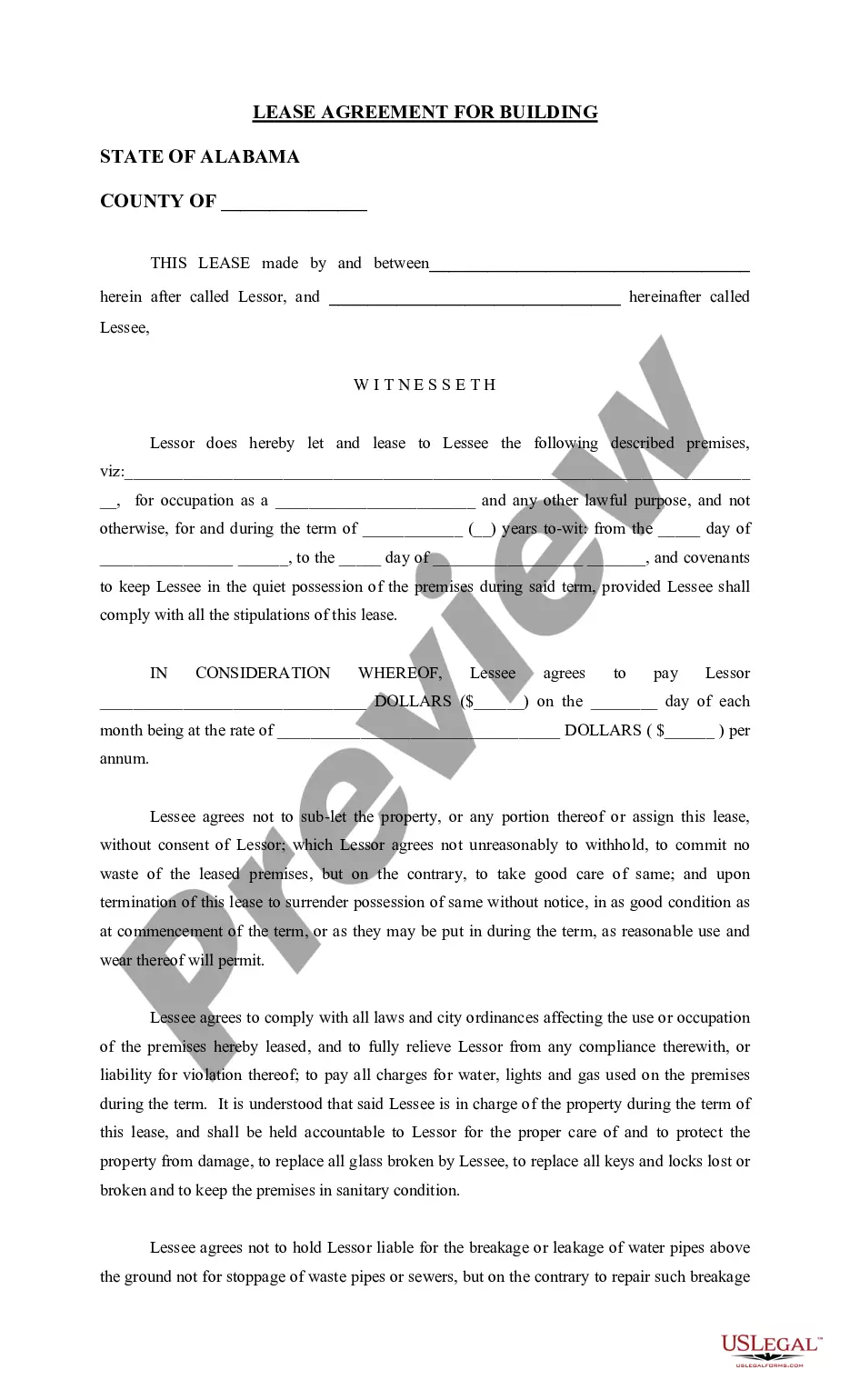
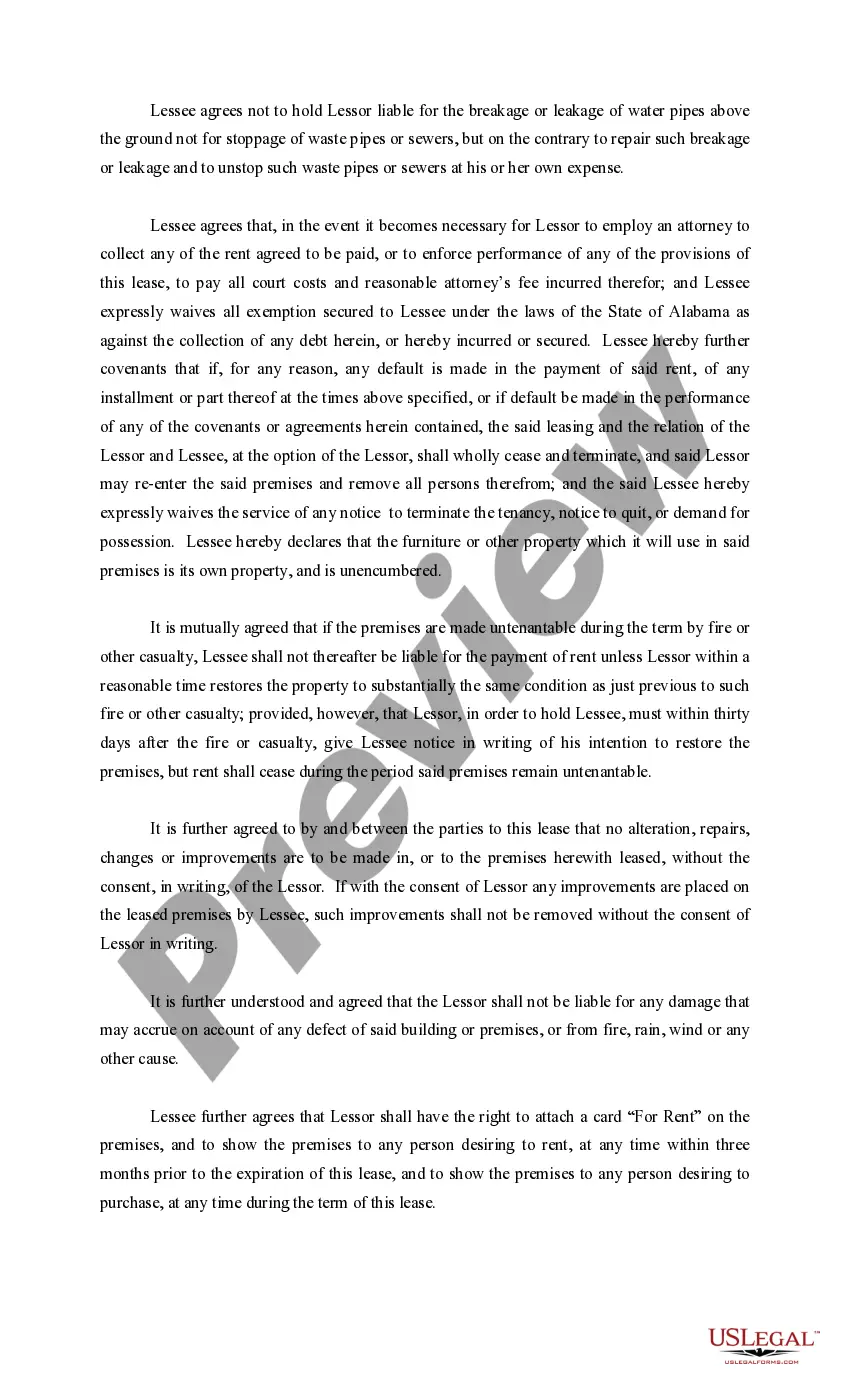
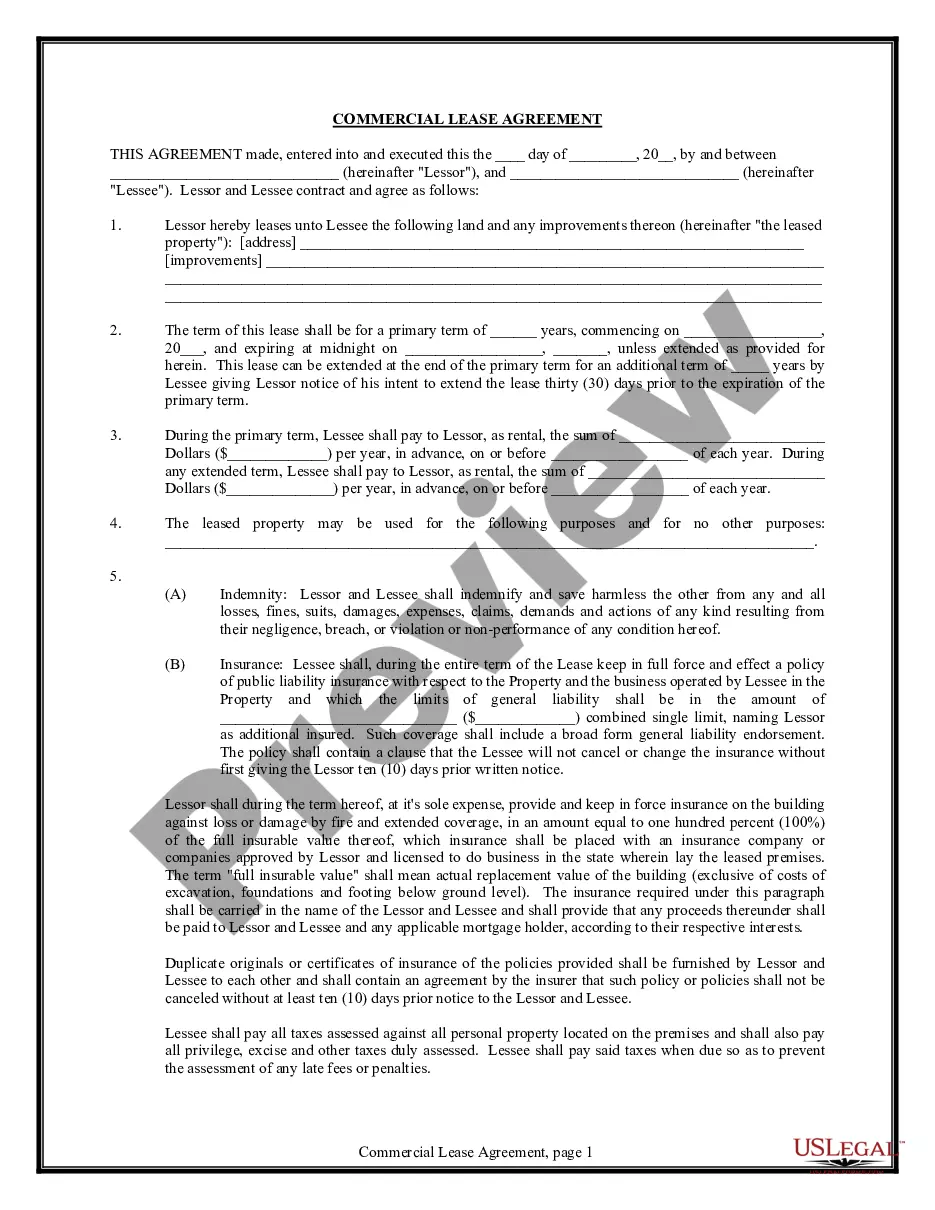
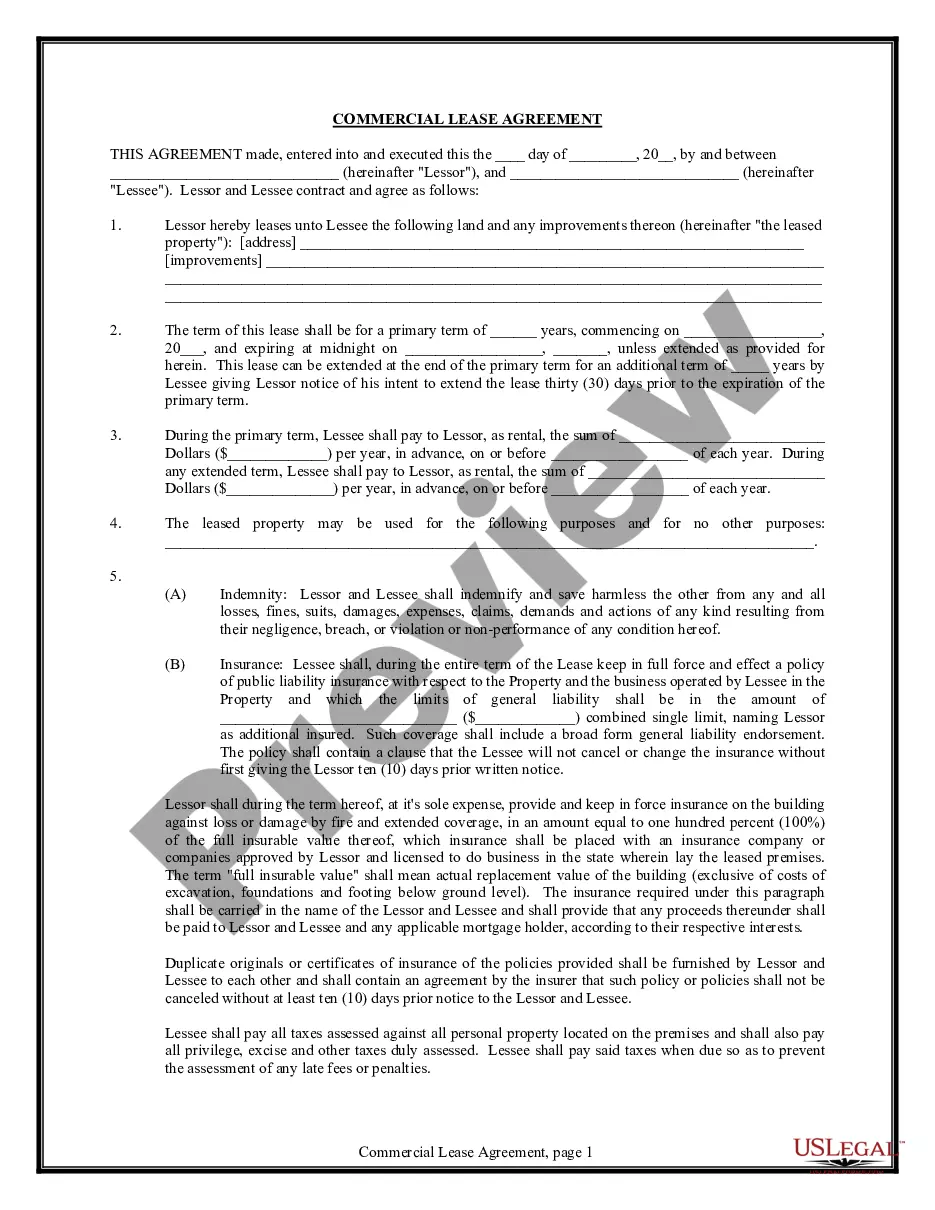
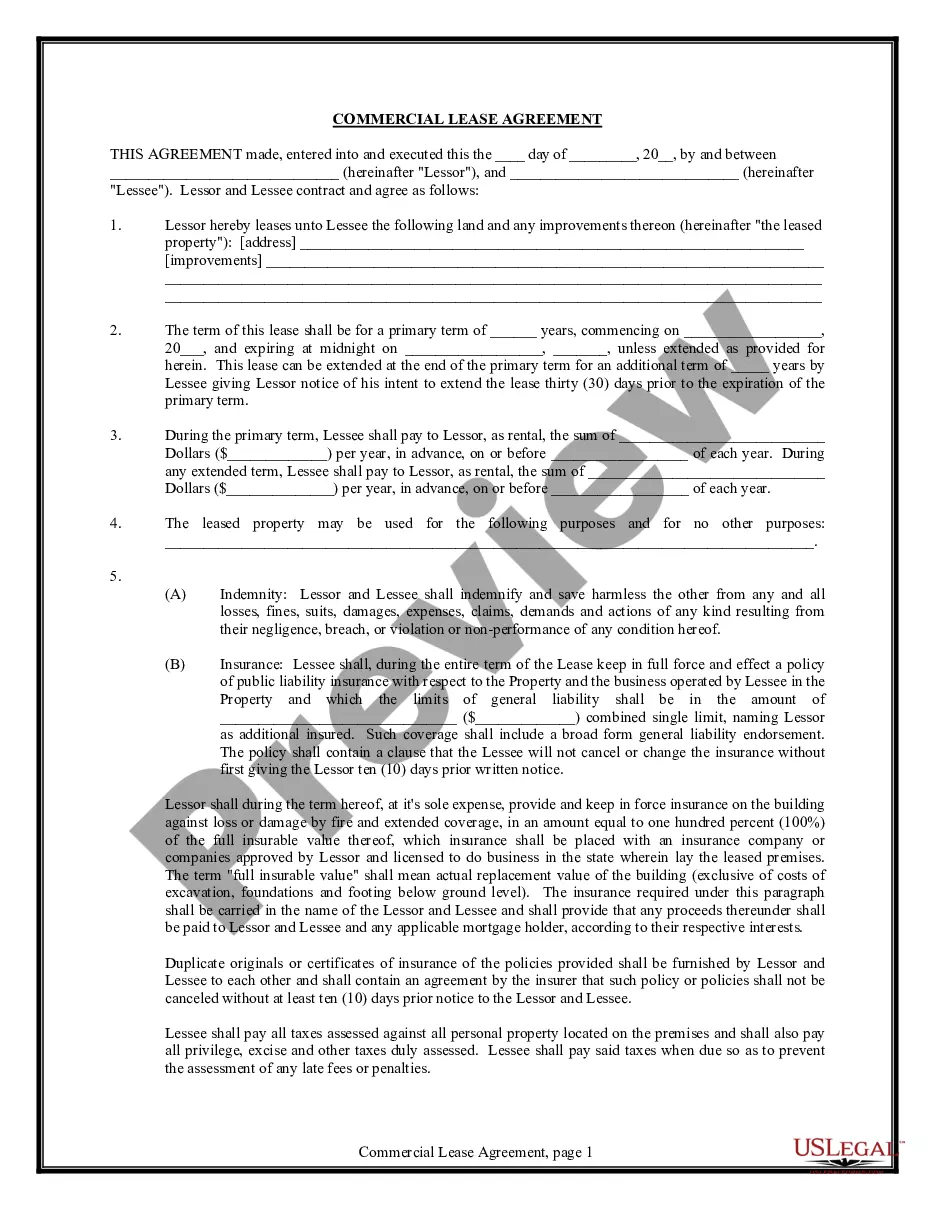
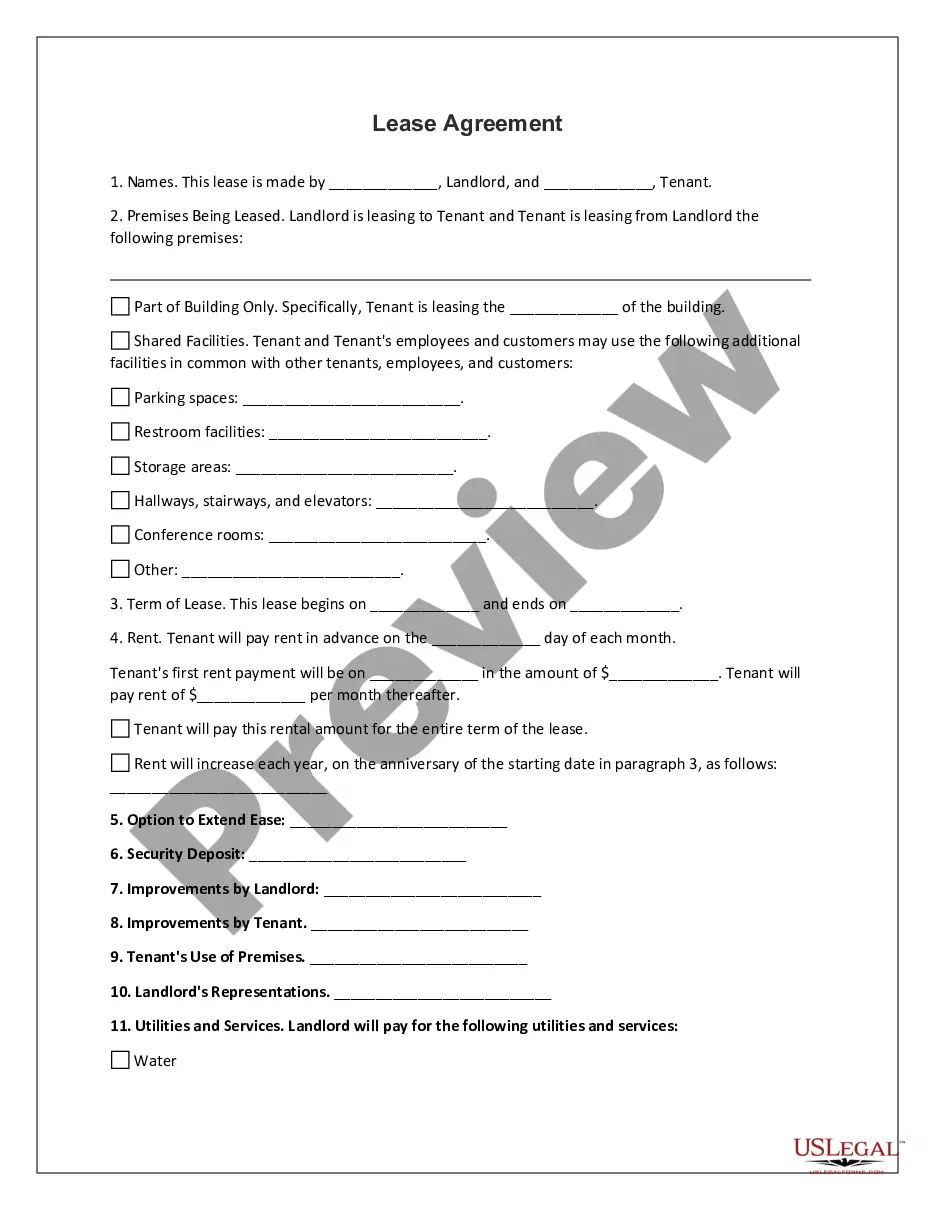
The Lease Agreement for Building is a legal document used to rent a building from a property owner (Lessor) to a tenant (Lessee). This form outlines the terms and conditions of the lease, ensuring both parties are aware of their rights and responsibilities. Unlike other lease agreements, this document is specifically tailored for building leases and complies with state statutory laws, making it a reliable choice for parties looking to formalize their rental relationship.
Form components explained
- Identification of the Lessor and Lessee.
- Description of the leased premises, including the purpose of use.
- Lease term, including start and end dates.
- Payment terms, including rent amount and due dates.
- Responsibilities for property maintenance and compliance with laws.
- Conditions for termination of the lease and handling defaults.
Situations where this form applies
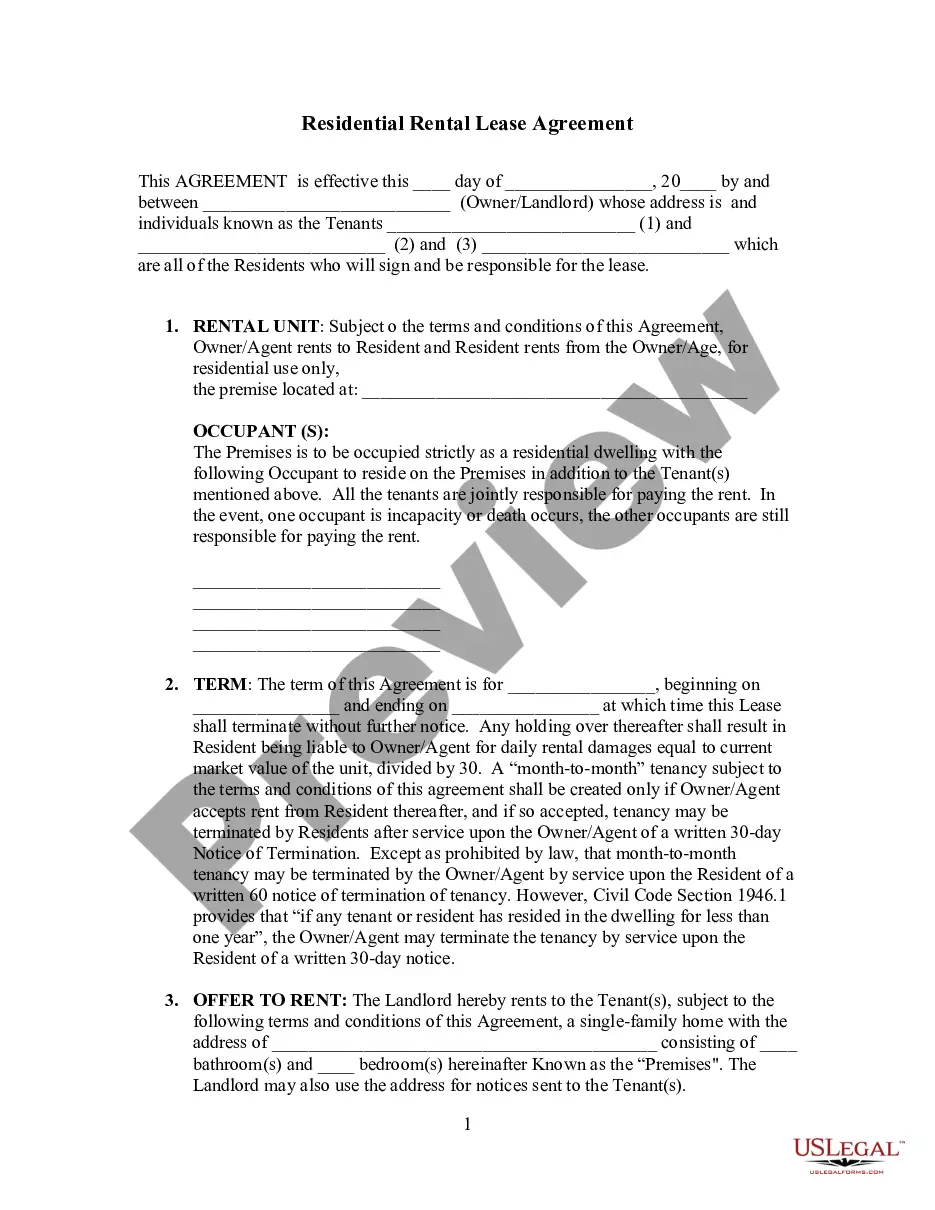
This form should be used when a property owner wants to lease a building to a tenant. It is suitable for various scenarios such as businesses seeking a commercial space for operations or individuals looking for a rental property. Using this form helps protect the interests of both the landlord and tenant by establishing clear guidelines for the lease agreement.
Who should use this form
This Lease Agreement is designed for:
- Property owners wishing to lease their building.
- Tenants seeking to rent a building for personal or business use.
- Real estate professionals facilitating lease transactions.
Completing this form step by step
- Identify the parties involvedâLessor and Lessee.
- Clearly describe the property being leased.
- Specify the lease term, including start and end dates.
- Outline the payment terms, including the amount of rent and due date.
- Include any additional terms related to property maintenance and responsibilities.
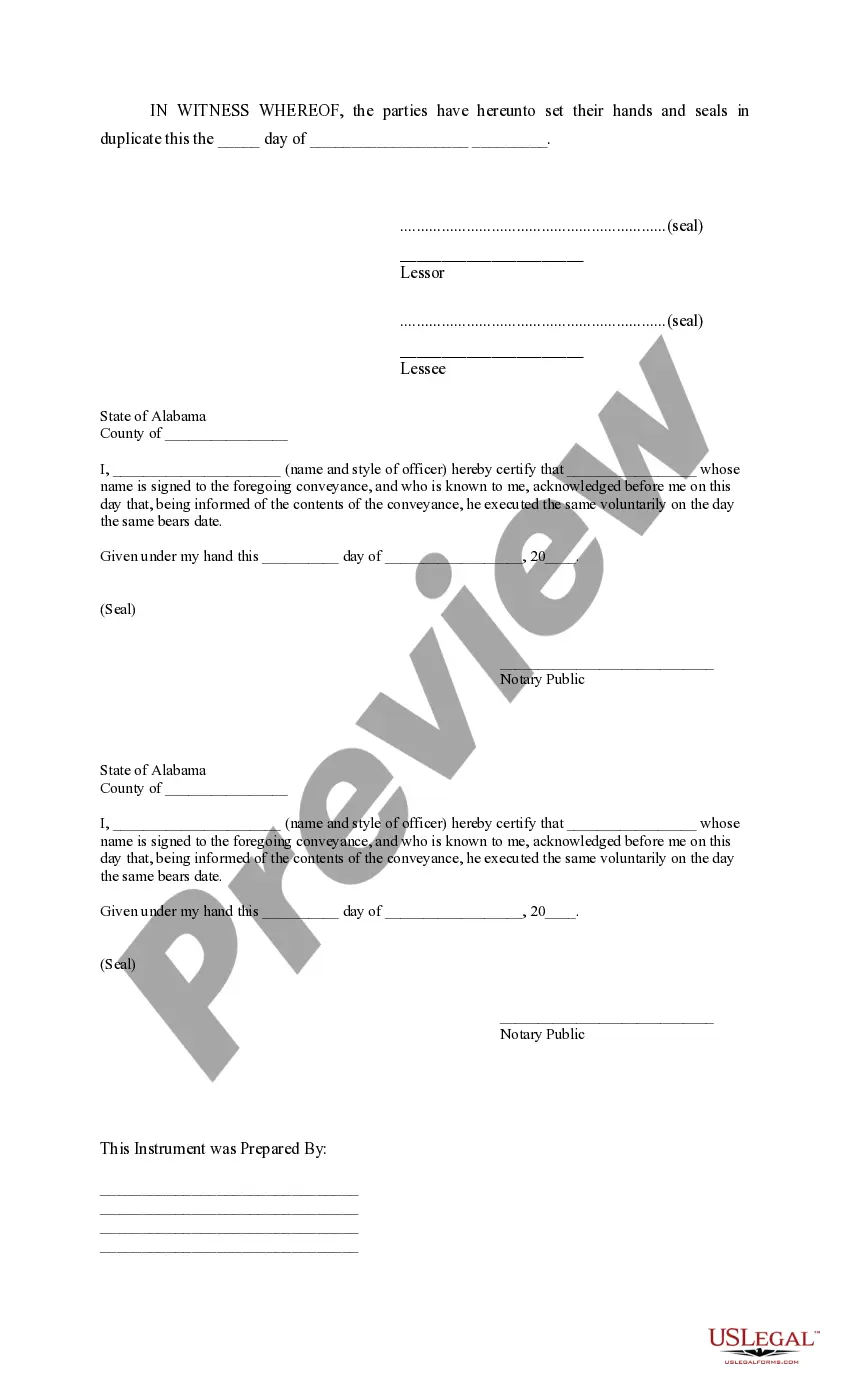
- Have both parties sign and date the document, and obtain notarization if required.
Notarization guidance
This form does not typically require notarization unless specified by local law. It is advisable to check if your local jurisdiction has any specific requirements for notarization to ensure the lease is legally binding.
Get your form ready online
Our built-in tools help you complete, sign, share, and store your documents in one place.
Make edits, fill in missing information, and update formatting in US Legal Forms—just like you would in MS Word.
Download a copy, print it, send it by email, or mail it via USPS—whatever works best for your next step.
Sign and collect signatures with our SignNow integration. Send to multiple recipients, set reminders, and more. Go Premium to unlock E-Sign.
If this form requires notarization, complete it online through a secure video call—no need to meet a notary in person or wait for an appointment.
We protect your documents and personal data by following strict security and privacy standards.

Make edits, fill in missing information, and update formatting in US Legal Forms—just like you would in MS Word.

Download a copy, print it, send it by email, or mail it via USPS—whatever works best for your next step.

Sign and collect signatures with our SignNow integration. Send to multiple recipients, set reminders, and more. Go Premium to unlock E-Sign.

If this form requires notarization, complete it online through a secure video call—no need to meet a notary in person or wait for an appointment.

We protect your documents and personal data by following strict security and privacy standards.
Common mistakes to avoid
- Failing to clearly define the property being leased.
- Not specifying the lease duration or payment terms.
- Overlooking local regulations or building codes.
- Neglecting to include maintenance responsibilities.
- Forgetting signatures or fails to notarize when required.
Why complete this form online
- Quick access to a professionally drafted lease agreement.
- Easy customization to fit specific rental situations.
- Downloadable and printable for convenience.
- Guidance and support available throughout the process.
Legal use & context
- The lease agreement is legally binding upon signing by both parties.
- It provides legal protection and clarification of rights regarding the property.
- Typical enforceability claims may arise from breach of lease terms.
- Local laws may dictate specific conditions and requirements for rental agreements.
Looking for another form?
Form popularity
FAQ
A lease can be written or verbal, but a verbal lease can be very difficult to enforce.If you decide to write your own lease make sure you include a clause that states if any condition is not legal, that the rest of the lease is still in effect.
The Lease Must be in Writing It does not matter if the lease is handwritten or typed.
Collect each party's information. Include specifics about your property. Consider all of the property's utilities and services. Know the terms of your lease. Set the monthly rent amount and due date. Calculate any additional fees. Determine a payment method. Consider your rights and obligations.
If your landlord fails to make repairs which he is required to make, you may be able to break the lease. Give your landlord a written demand to make repairs that he is supposed to make under the lease or Alabama law. Give the landlord 14 days to make non-emergency repairs. Keep a copy of your letter.
A written agreement can act as a roadmap for the landlord-tenant relationship, especially if a dispute arises. Also, real estate (land) leases for more than one year must be in writing. If a lease for over one year is not in writing, it will generally not be enforceable in court.
In some circumstances, a tenant can break a fixed-term agreement early without penalty. A tenant can give 14 days' written notice to end an agreement early without penalty if: they have accepted an offer of social housing (e.g. from DCJ Housing)
Most rental agreements are short-term agreements, such as month-to-month tenancies, while lease agreements are usually for longer rental periods, such as six months, a year, or more.
Most rental agreements are short-term agreements, such as month-to-month tenancies, while lease agreements are usually for longer rental periods, such as six months, a year, or more.
The lease becomes legally binding when all parties have signed: the landlord and all tenants living in the unit who are 18 and older. If you're worried about situations where a lease needs to end early, learn about breaking a lease and grounds for eviction.