Land Partition Rules In Tarrant
Description

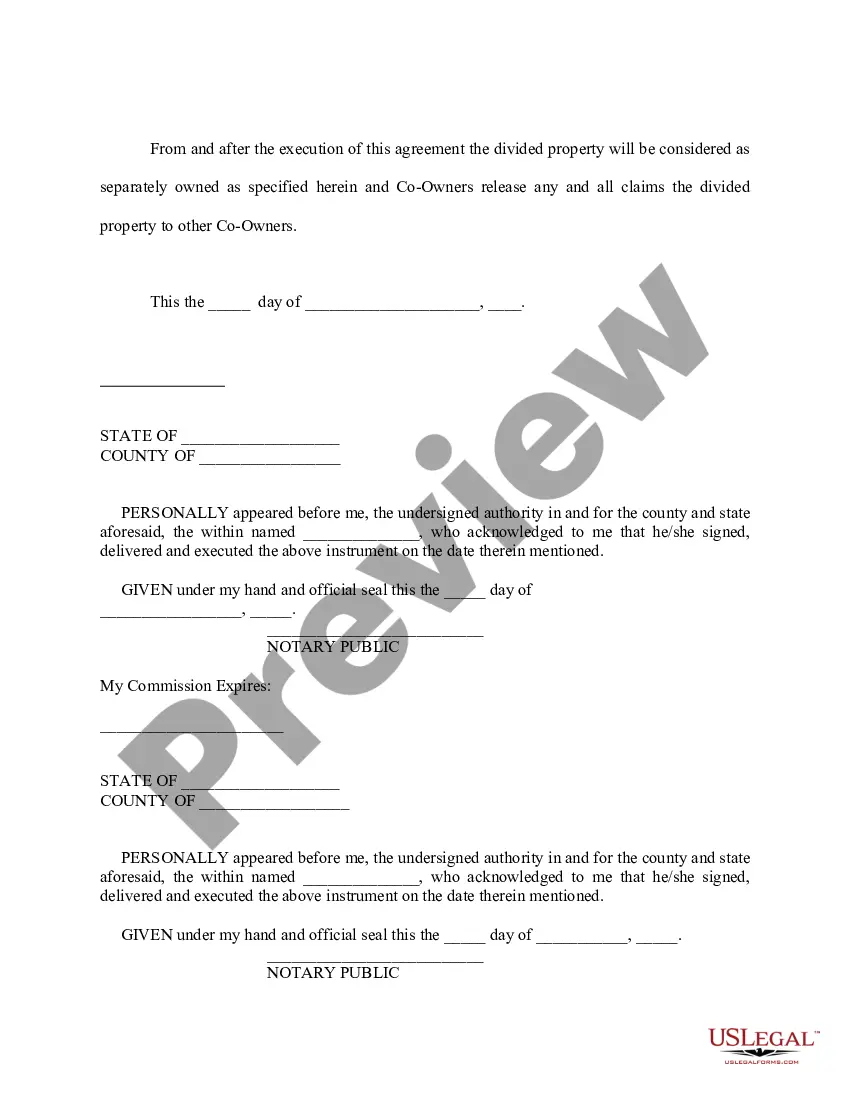
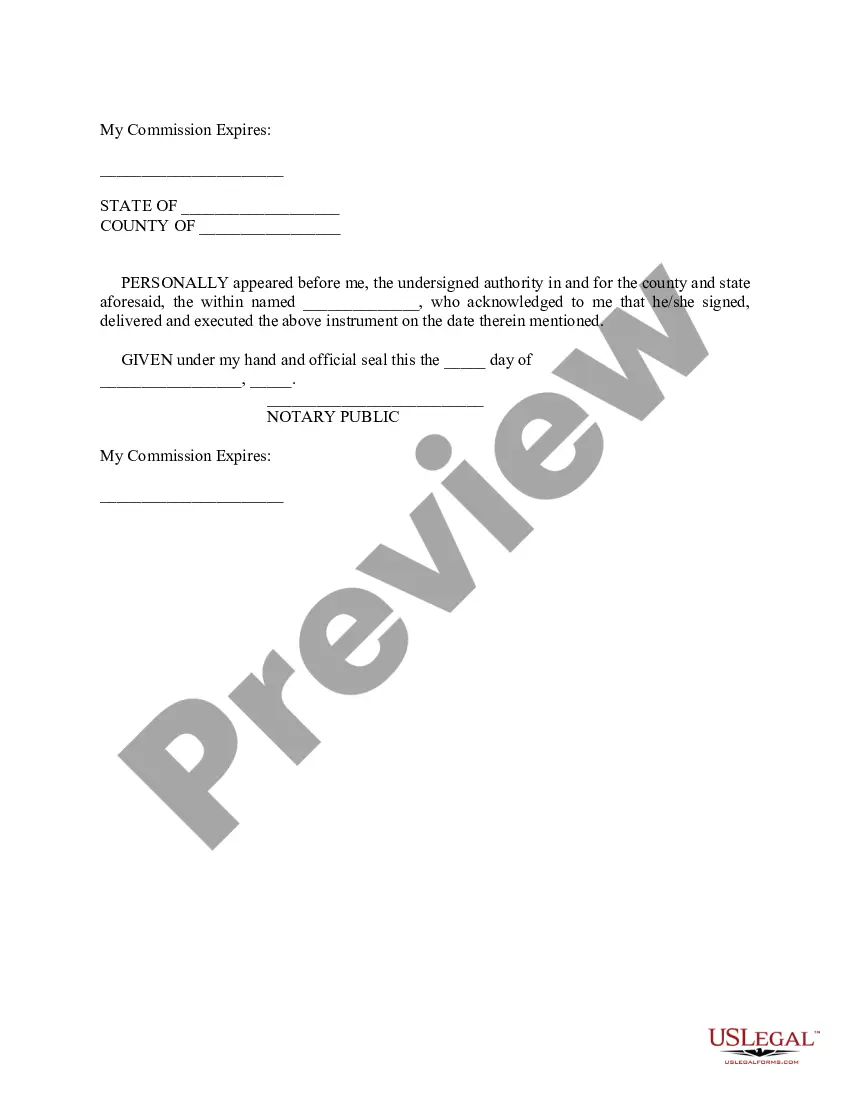
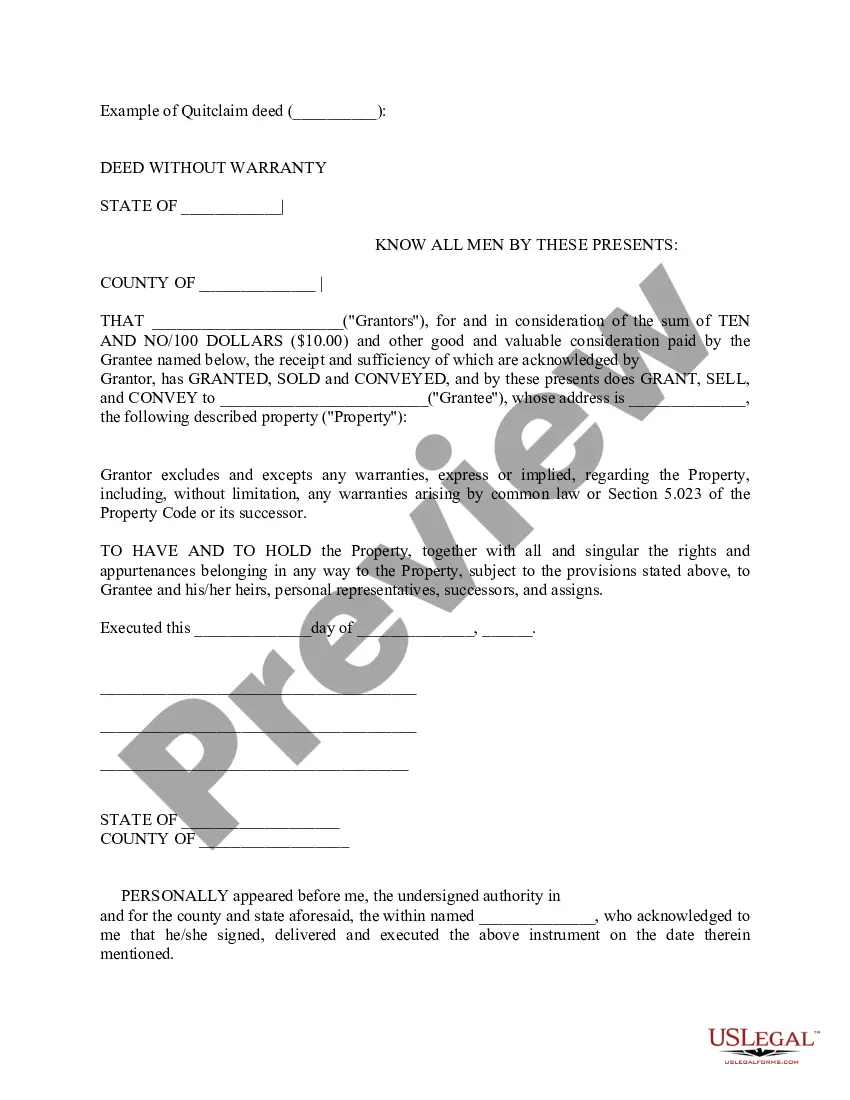
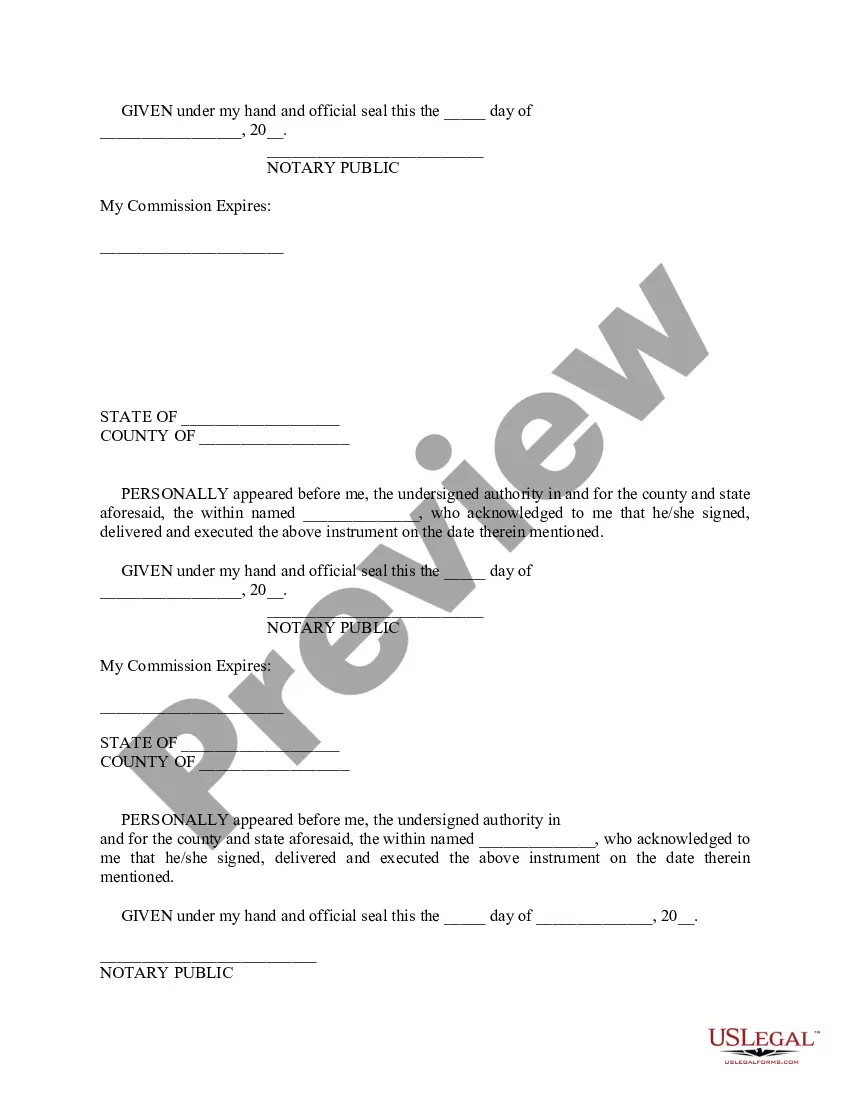

Get your form ready online
Our built-in tools help you complete, sign, share, and store your documents in one place.
Make edits, fill in missing information, and update formatting in US Legal Forms—just like you would in MS Word.
Download a copy, print it, send it by email, or mail it via USPS—whatever works best for your next step.
Sign and collect signatures with our SignNow integration. Send to multiple recipients, set reminders, and more. Go Premium to unlock E-Sign.
If this form requires notarization, complete it online through a secure video call—no need to meet a notary in person or wait for an appointment.
We protect your documents and personal data by following strict security and privacy standards.

Make edits, fill in missing information, and update formatting in US Legal Forms—just like you would in MS Word.

Download a copy, print it, send it by email, or mail it via USPS—whatever works best for your next step.

Sign and collect signatures with our SignNow integration. Send to multiple recipients, set reminders, and more. Go Premium to unlock E-Sign.

If this form requires notarization, complete it online through a secure video call—no need to meet a notary in person or wait for an appointment.

We protect your documents and personal data by following strict security and privacy standards.
Looking for another form?








Form popularity
FAQ
It is presumed that any property on hand at the time of divorce is community property. The spouse who is claiming an asset as his/her separate property has the burden of proving that claim by clear and convincing evidence.
Property Division: Any property acquired during the marriage is considered community property and will be divided equally upon divorce, just like in a formal marriage. For example, if you buy a house together while in a Common Law Marriage, that house is considered joint property, and both parties have equal ownership.
Even if only one spouse's name is on the deed, any property bought during the marriage is presumed to be community property, unless it was bought with separate property funds. The spouse claiming it as separate property must prove it in court.
One common misconception among divorcing couples in Texas is that all assets are automatically split 50/50. The automatic 50/50 split is a myth!
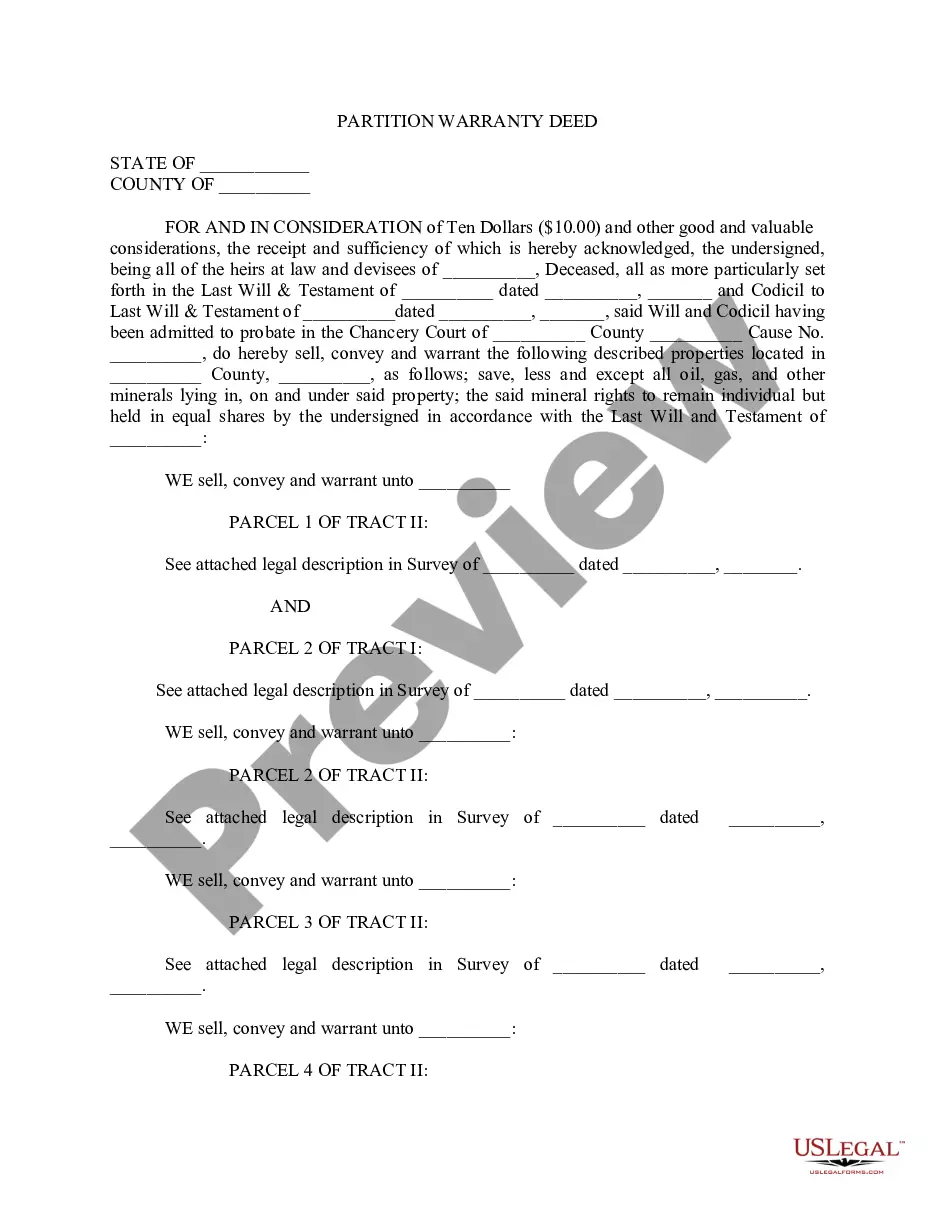
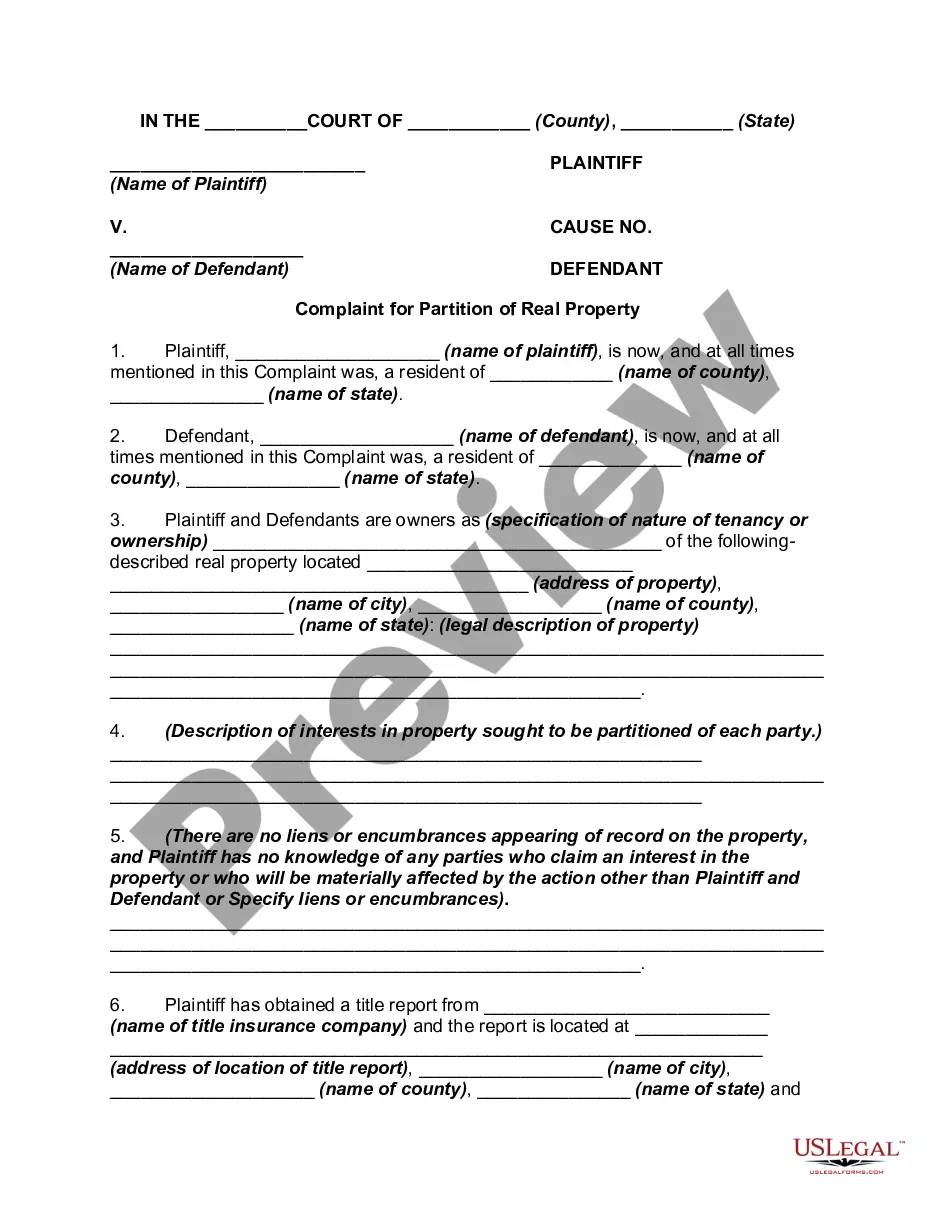
There are two potential pathways in seeking a partition: Partitions may be in kind (meaning that property is divided into separate parcels and each parcel is allotted to a separate owner) or by sale (meaning that property is sold and sale proceeds are divided among the owners).
Unless both spouses agree, a spouse must prove that something is separate property by “clear and convincing evidence.” If a spouse cannot prove something is separate property, it is considered to be community property. Read Gathering and Presenting Evidence to help you understand what is allowed in court.
Texas is one of nine states that is a community property jurisdiction. In general, this means that any property acquired by a couple during their marriage (with a few exceptions) is equally owned by both spouses.
Every co-owner of an interest in the property (no matter how small) must agree in order for a voluntary partition to occur. The remedy when agreement cannot be reached is for one or more of the co-owners to seek a court-ordered division by means of a partition suit.
Texas courts are required to partition property even if only one co-owner makes such a request, and the courts have no wiggle room or discretion. The court must order the property partitioned. Partition is sometimes referred to as a “forced sale.” Partition only applies to real property and not personal property.
In consideration of this definition, generally speaking, property acquired during the course of your marriage to your spouse will be characterized as community property. Typically your community property is divided between you and your spouse in a divorce while separate property will not be shared and/or divided.
