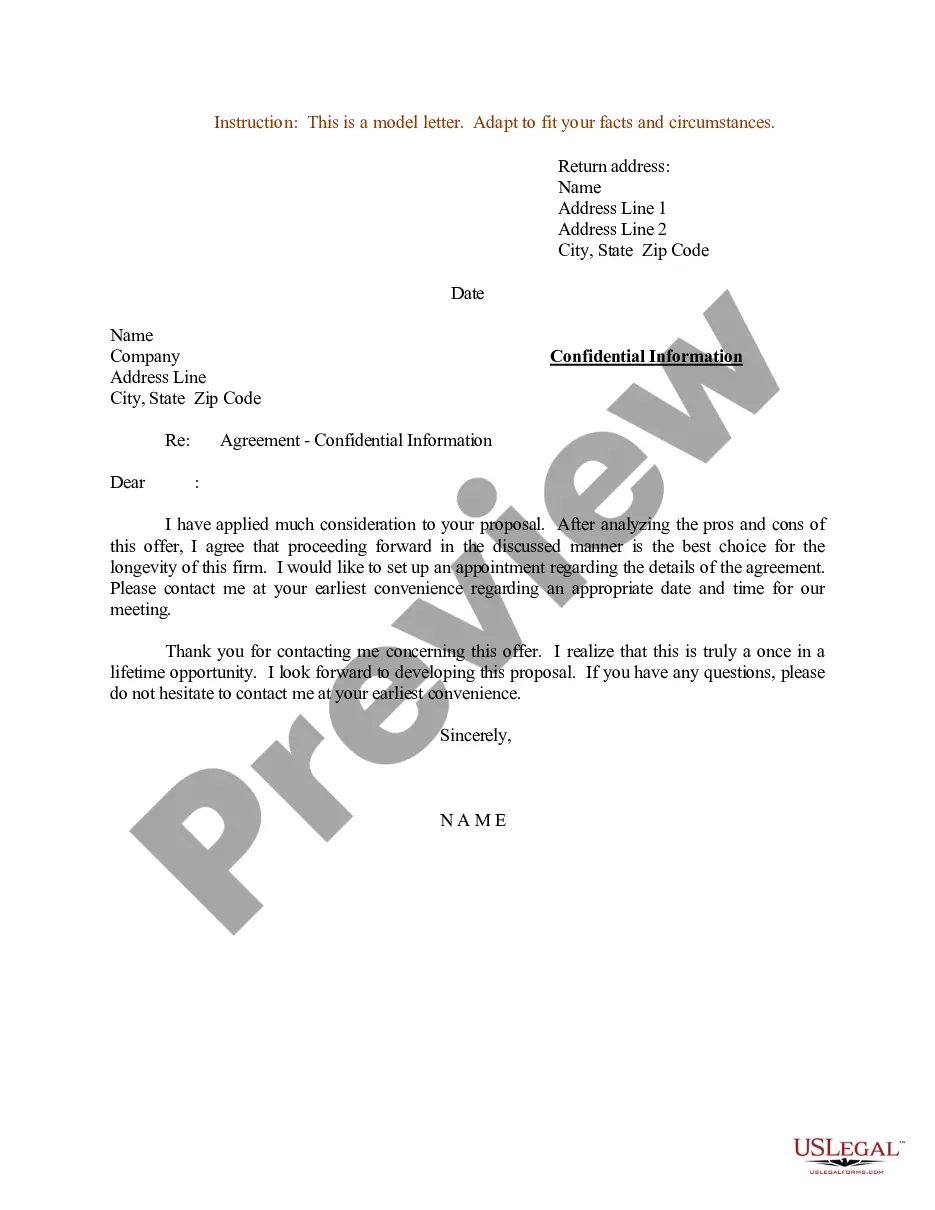
Private And Confidential Letter Sample For Resume In Broward
Description


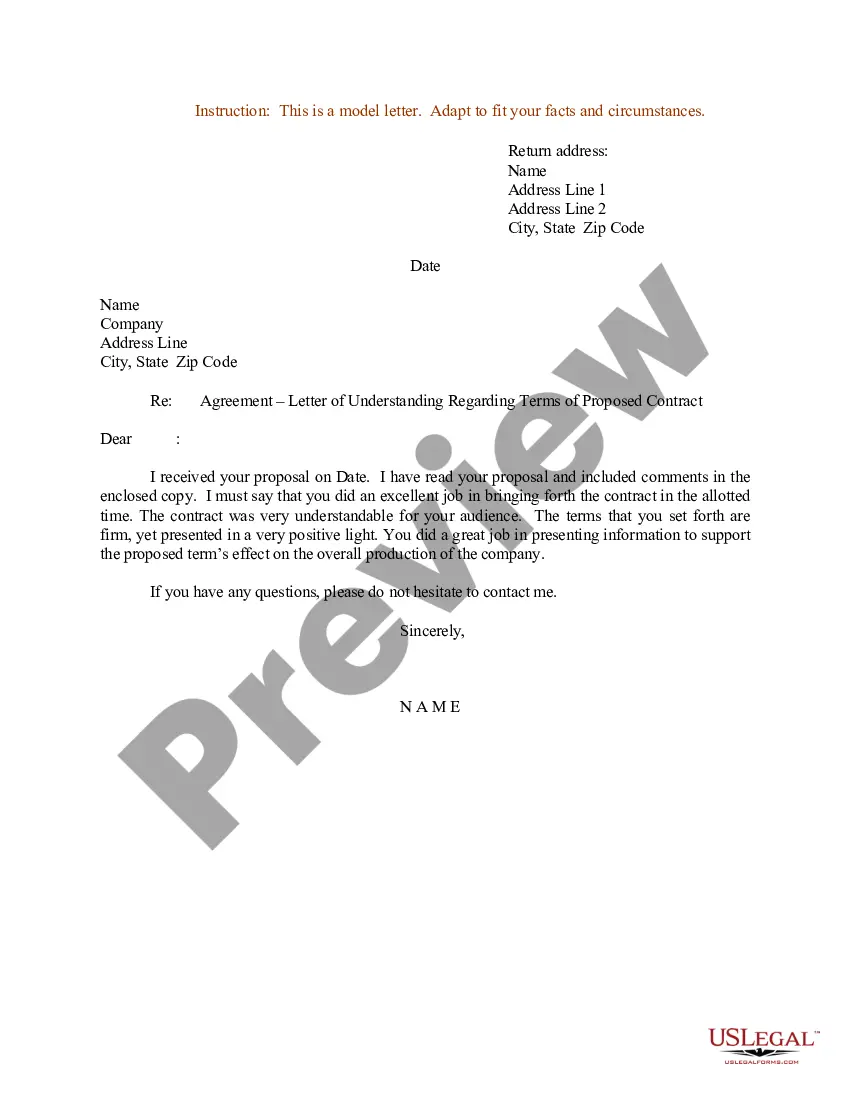
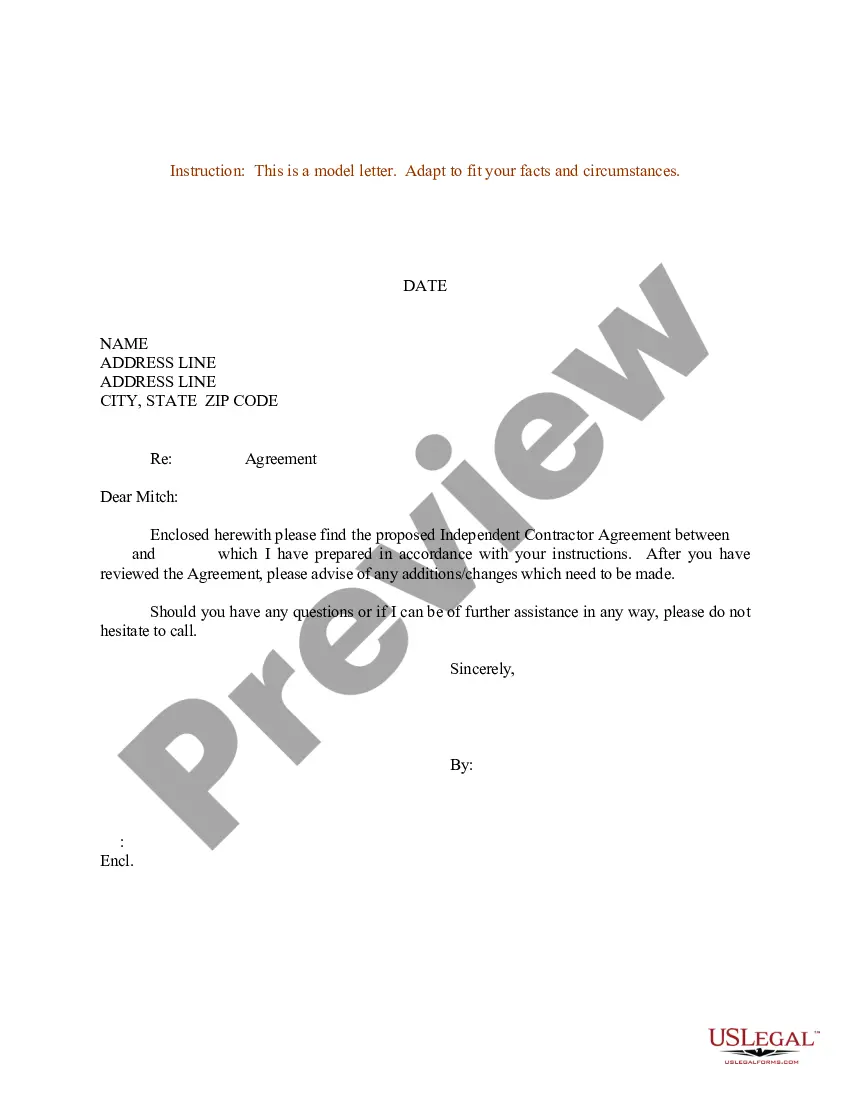
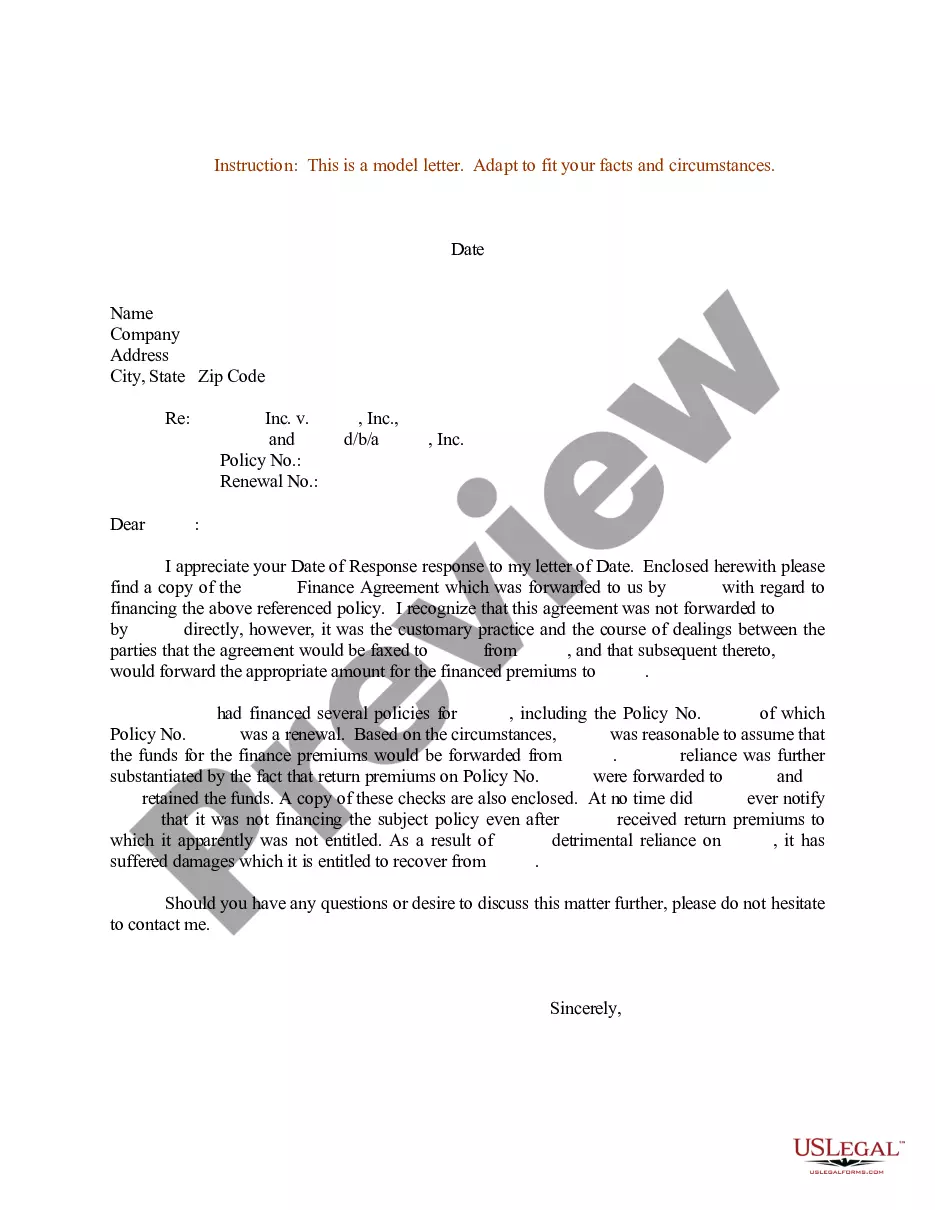
Get your form ready online
Our built-in tools help you complete, sign, share, and store your documents in one place.
Make edits, fill in missing information, and update formatting in US Legal Forms—just like you would in MS Word.
Download a copy, print it, send it by email, or mail it via USPS—whatever works best for your next step.
Sign and collect signatures with our SignNow integration. Send to multiple recipients, set reminders, and more. Go Premium to unlock E-Sign.
If this form requires notarization, complete it online through a secure video call—no need to meet a notary in person or wait for an appointment.
We protect your documents and personal data by following strict security and privacy standards.

Make edits, fill in missing information, and update formatting in US Legal Forms—just like you would in MS Word.

Download a copy, print it, send it by email, or mail it via USPS—whatever works best for your next step.

Sign and collect signatures with our SignNow integration. Send to multiple recipients, set reminders, and more. Go Premium to unlock E-Sign.

If this form requires notarization, complete it online through a secure video call—no need to meet a notary in person or wait for an appointment.

We protect your documents and personal data by following strict security and privacy standards.
Looking for another form?



Form popularity
FAQ
It's important to show in your job application that you understand the magnitude of confidentiality and have the relevant skills to handle sensitive data.
A confidential resume is an acceptable way in which to maintain your privacy while showcasing your value to potential employers. For the most part, employers understand this need for privacy, particularly in cases where candidates wish to keep their job search discreet while they are currently employed.
Mention the NDA directly For example, “NDA (Engineering Project).” If you're allowed to share your role in the project but not details about your accomplishments, you can list the NDA in your bullet points. For example, “subject to NDA, no further details available.
Your name can be "Confidential Resume." List only your "City, State" or "City, State area." No phone #. Use a throwaway email address (maybe set-up an auto-forward so you don't miss anything or check it daily).
Clear identification of confidential information An effective confidential email disclaimer should clearly identify the type of information that is considered confidential. This helps recipients understand what they should keep private and protects your organization from unintentional disclosures.
In summary, avoid stating ``company confidential'' on your resume and instead highlight your qualifications in a way that respects confidentiality while still demonstrating your capabilities.
An Example of Industry-Wide Elegant Variation: Ways of Saying Keep Confidential Information to Yourself shall keep in confidence all Confidential Information. shall treat in confidence all Confidential Information. shall treat as confidential all Confidential Information.
Comments Section List your previous workplace as ``Confidential'' on your resume. Share your CV with potential employers, focusing on your skills and achievements. During interviews, you can explain the confidentiality as a ``long-term project'' without divulging specifics.
When writing a cover letter without knowing the hiring manager, address it to the appropriate department or use a general salutation such as ``Dear Hiring Team.'' Tailor your letter to the job description and company culture. Research the company to personalize your letter and demonstrate your interest.
If you don't know the recipient's name, begin your cover letter with a generic salutation such as ``Dear Hiring Manager'' or ``To Whom It May Concern.'' While it's ideal to address the letter to a specific individual, using a generic greeting is acceptable when the recipient's name is unknown.