Standard Website Terms and Conditions
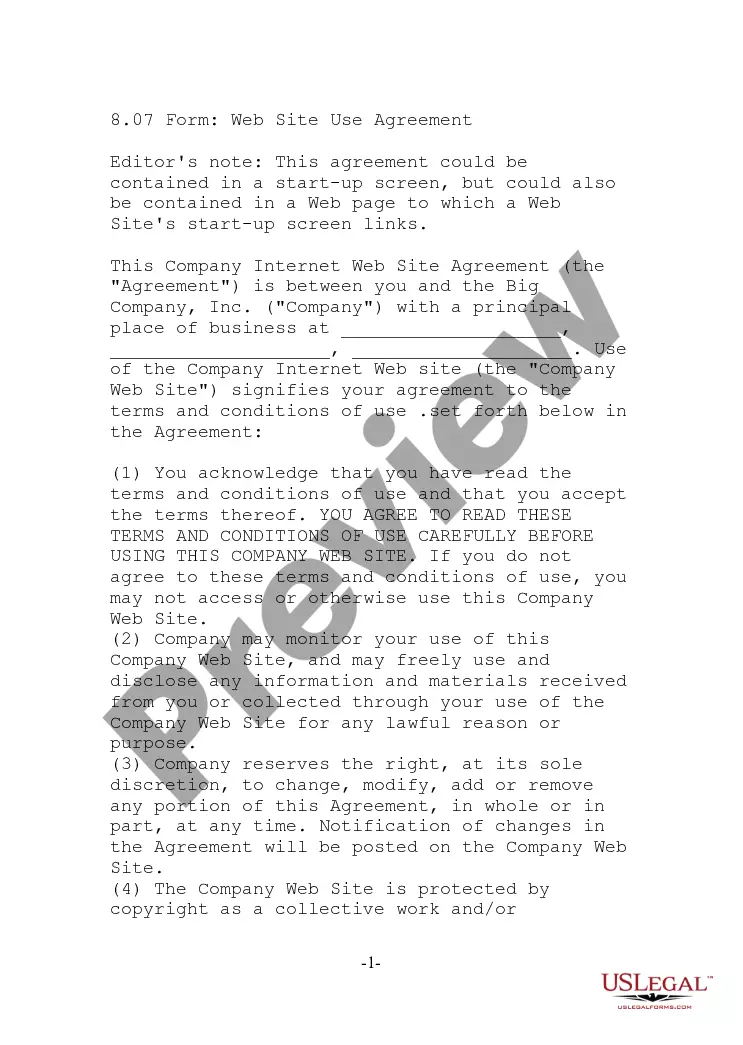
About this form
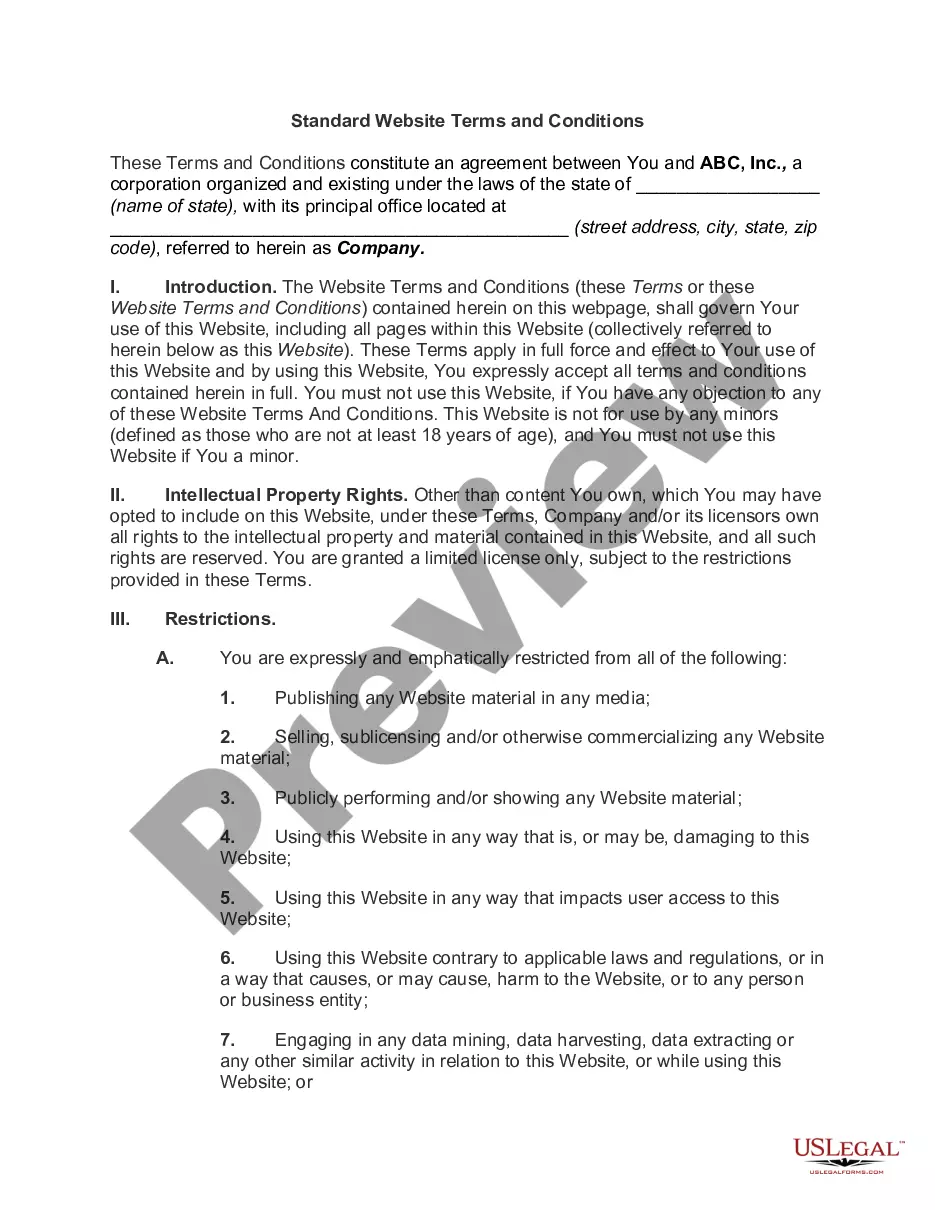
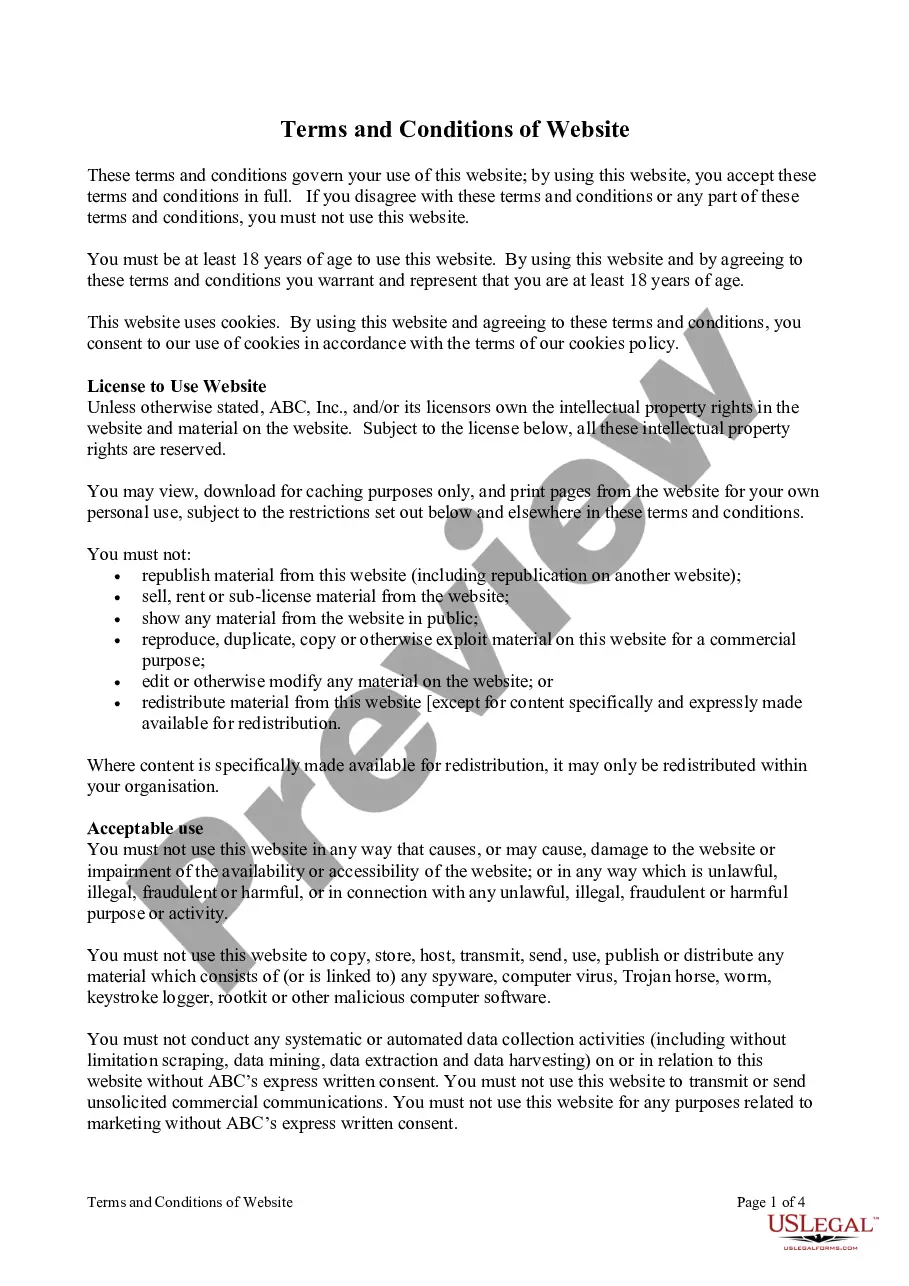
The Standard Website Terms and Conditions is a legal document that outlines the rules and guidelines governing the use of your website. This form is essential for protecting your online business from potential legal issues such as misuse by users and intellectual property theft. Unlike general contracts, this document is specifically tailored to address the unique challenges and obligations associated with operating a website, making it crucial for any online presence.
Form components explained
- Introduction: Addresses the agreement between the user and the company regarding website usage.
- Intellectual Property Rights: Clarifies ownership of the content on the website and restrictions on user content.
- Restrictions: Lists prohibited actions regarding the website and its content.
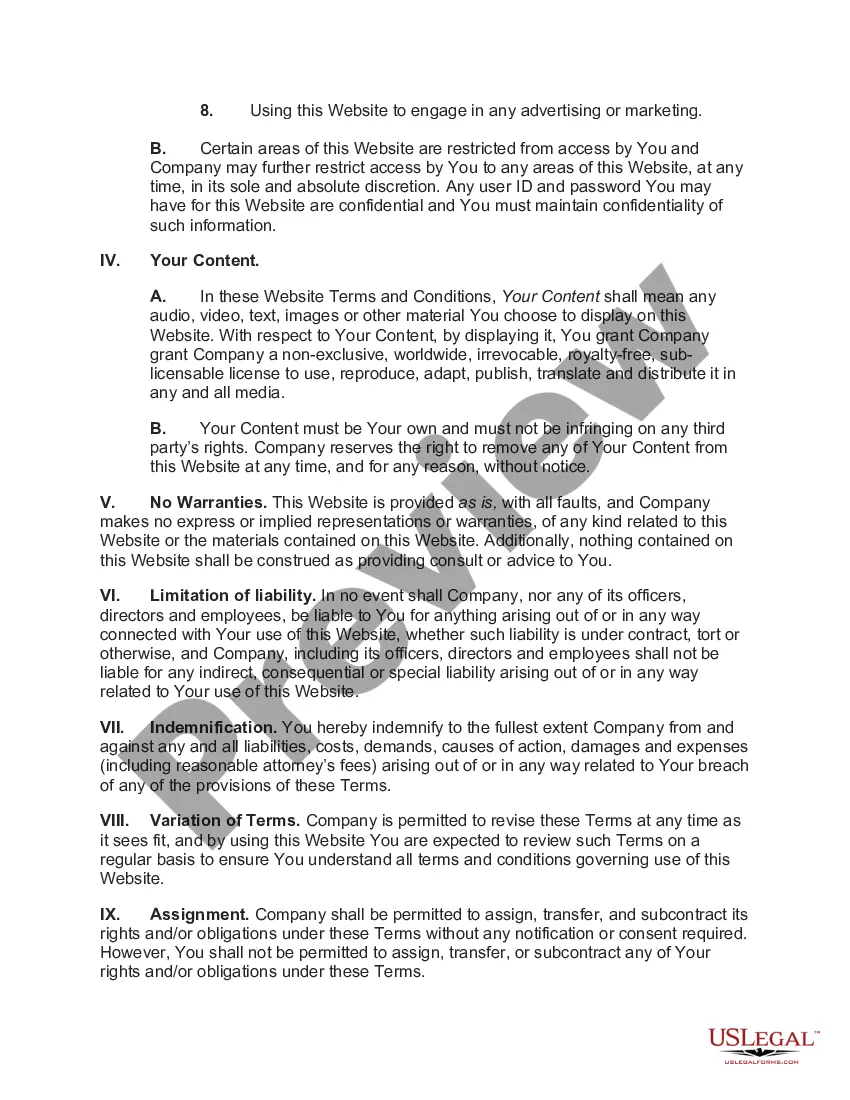
- Your Content: Describes user-generated content and associated licensing rights.
- Indemnification: Outlines user liability for breach of terms and responsibility for legal costs.
Common use cases
This form should be used when you launch a new website or when you significantly update an existing website. It is vital for ensuring that visitors understand their rights and responsibilities while using your site. Use this form also to protect your intellectual property and limit your liability in case of user disputes or misuse of your website.
Intended users of this form
- Website owners and operators of e-commerce sites.
- Bloggers and content creators with personal or professional websites.
- Non-profit organizations that manage websites for their initiatives.
- Businesses engaging in online services or information sharing.
Completing this form step by step
- Identify the parties involved by entering your company's name and address.
- Specify the intellectual property ownership details and any restrictions on user-generated content.
- Clearly articulate the restrictions placed on users regarding content use and access.
- Include indemnification clauses to protect your business from legal claims by users.
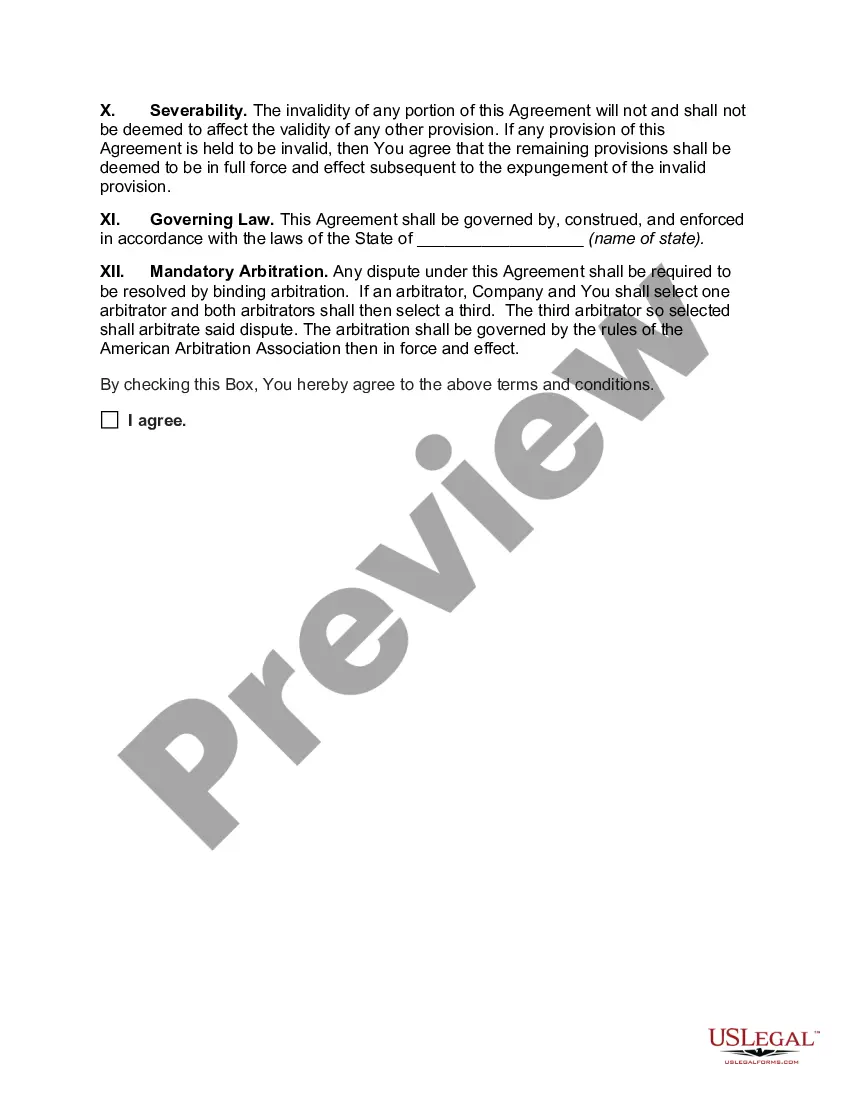
- Ensure users express agreement by checking the consent box at the end of the document.
Is notarization required?
This form does not typically require notarization unless specified by local law. You can complete and use the template without the need for notarization, streamlining the process for your online business.
Get your form ready online
Our built-in tools help you complete, sign, share, and store your documents in one place.
Make edits, fill in missing information, and update formatting in US Legal Forms—just like you would in MS Word.
Download a copy, print it, send it by email, or mail it via USPS—whatever works best for your next step.
Sign and collect signatures with our SignNow integration. Send to multiple recipients, set reminders, and more. Go Premium to unlock E-Sign.
If this form requires notarization, complete it online through a secure video call—no need to meet a notary in person or wait for an appointment.
We protect your documents and personal data by following strict security and privacy standards.

Make edits, fill in missing information, and update formatting in US Legal Forms—just like you would in MS Word.

Download a copy, print it, send it by email, or mail it via USPS—whatever works best for your next step.

Sign and collect signatures with our SignNow integration. Send to multiple recipients, set reminders, and more. Go Premium to unlock E-Sign.

If this form requires notarization, complete it online through a secure video call—no need to meet a notary in person or wait for an appointment.

We protect your documents and personal data by following strict security and privacy standards.
Common mistakes
- Failing to update the terms as laws change or as the website evolves.
- Not explicitly outlining user responsibilities and prohibited actions.
- Neglecting to include an acceptance checkbox or signature line for users.
- Overlooking the need for clarity in licensing user-generated content.
Advantages of online completion
- Convenient access to customizable templates that save time and reduce legal costs.
- Editability allows you to update terms quickly in response to business changes.
- Reliability of using professionally drafted terms ensures legal enforceability.
Legal use & context
- The Terms and Conditions are enforceable provided they are visible and users have explicitly accepted them.
- These terms help to mitigate risks associated with online transactions and user interactions.
- Noncompliance with these terms may result in the removal of user access or legal action if violations occur.
What to keep in mind
- The Standard Website Terms and Conditions protect your business from legal disputes.
- Clearly define user roles and responsibilities to prevent misuse.
- Regularly review and update your terms to reflect changing laws and business practices.
Looking for another form?


Form popularity
FAQ
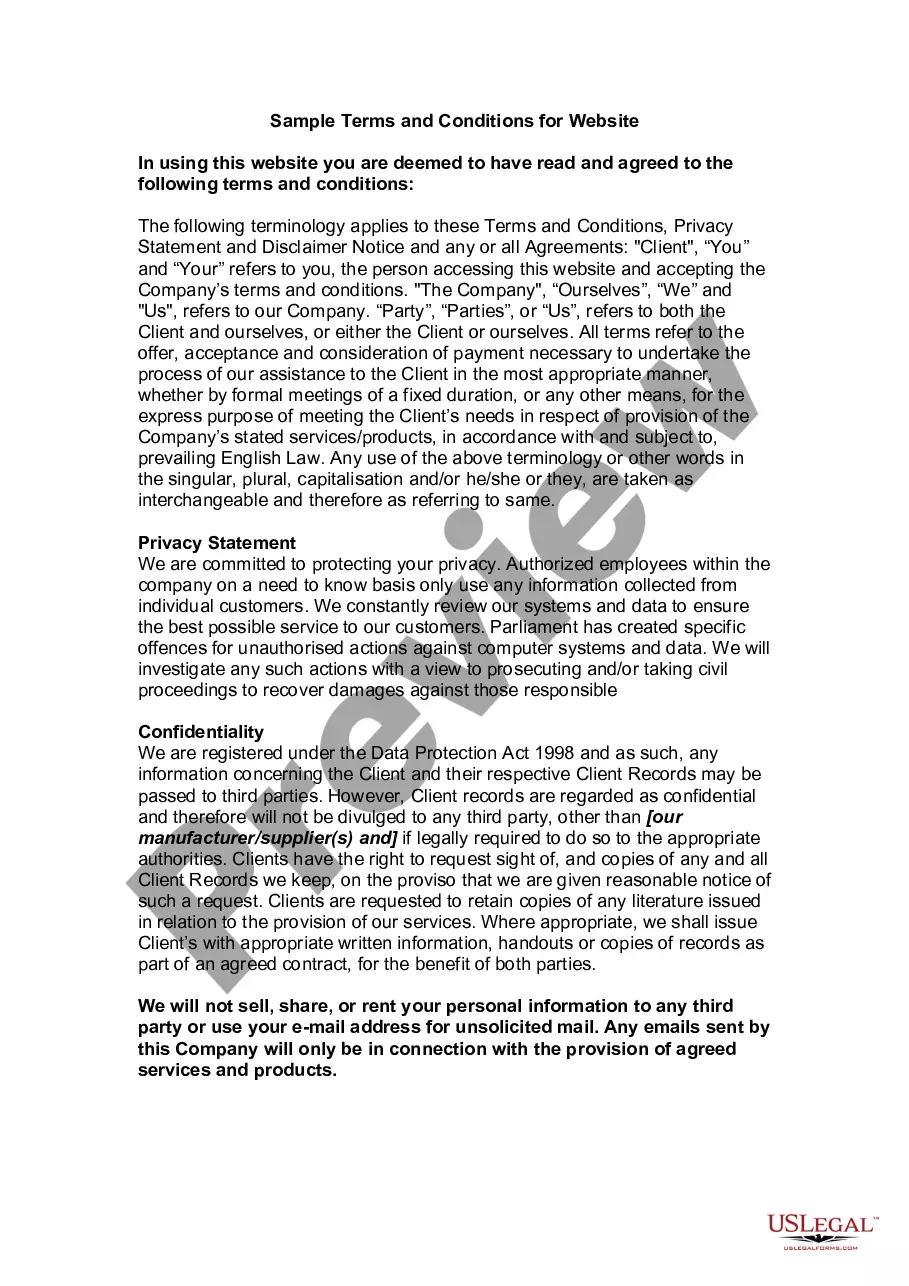
General terms and conditions are provisions set out in writing. Everything related to an agreement is arranged in them. This agreement can be concluded between various entrepreneurs or between entrepreneurs and customers.
Read terms and conditions on other websites like yours. Set out the ground rules of your website. Tailor the terms and conditions to fit your website. Personalize your language. Don't make it more complicated than it needs to be. Create a new page for your terms and services, and upload it to your website.
A terms of use is an agreement that a user must agree to and abide by in order to use a website or service.Terms of use are often seen on e-commerce websites and social media websites, but it is not limited to those types of websites and should be used with any website that stores personal information of any kind.
Review Competitor Sites. Agreement to be Bound. Prohibited Uses. Service Interruptions and Updates. Term, Termination, and Survival. Subscriber Data and Legal Compliance. Confidential Information. Indemnification and Limitation of Liability.
Terms and Conditions Overview While most websites seem to have one, there's actually no legal requirement for defining Terms and Conditions.These pages can limit your liability should a customer take you to court, as well as protect your rights to the content contained in your website.
While most websites seem to have one, there's actually no legal requirement for defining Terms and Conditions.These pages can limit your liability should a customer take you to court, as well as protect your rights to the content contained in your website.
A brief introduction. The effective date. Jurisdiction/governing law. Link to your Privacy Policy. Contact information. Limitation of liability and disclaimer of warranties. Rules of conduct. User restrictions.
A Terms and Conditions acts as a legally binding contract between you and your users. This is the agreement that sets the rules and guidelines that users must agree to and follow in order to use and access your website or mobile app.
Introduction. Right to make changes to the agreement. User guidelines (rules, restrictions, requirements) Copyright and intellectual property. Governing law. Warranty disclaimer. Limitation of liability.