Notary Application Fee In Virginia
Description

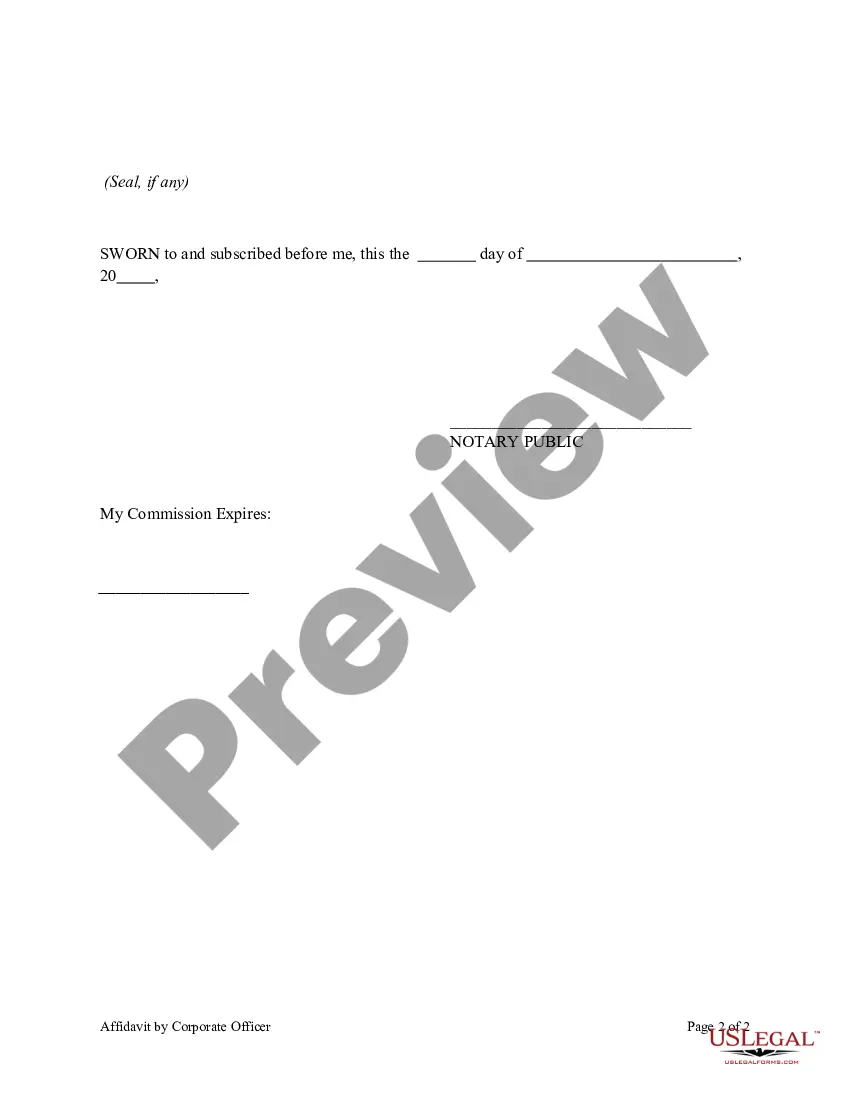
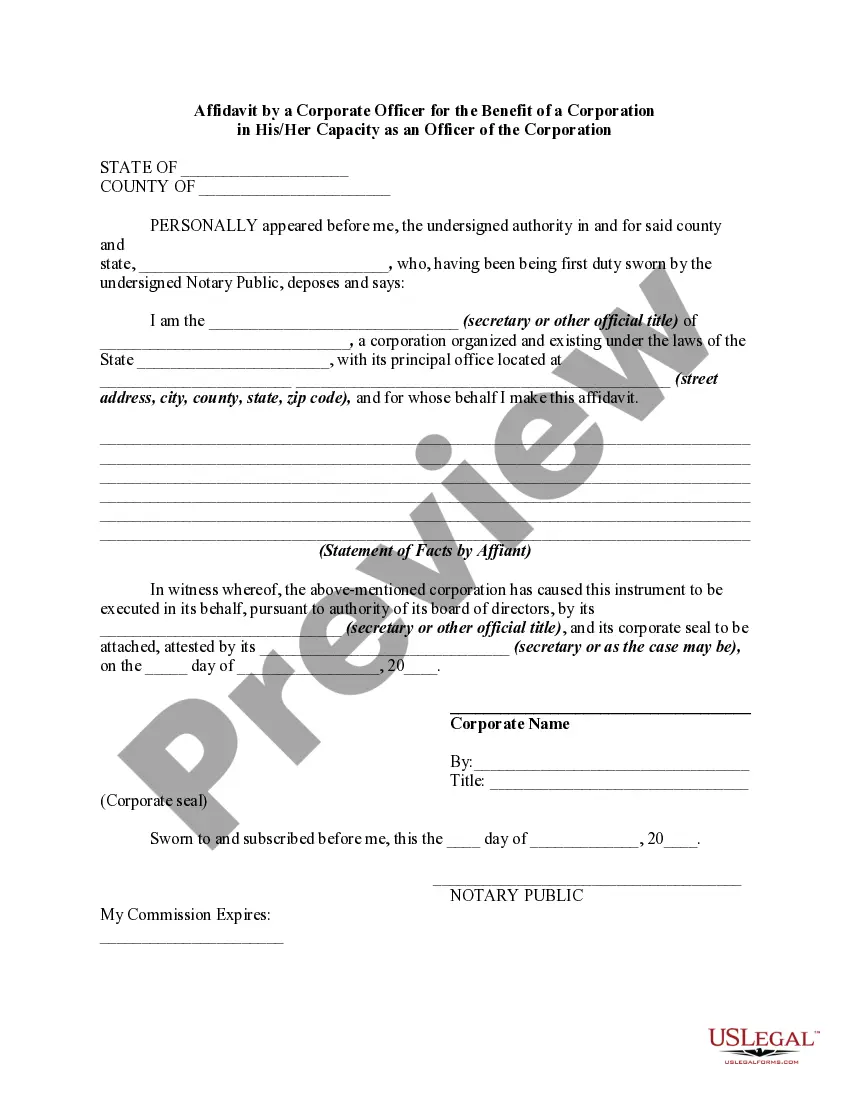
Get your form ready online
Our built-in tools help you complete, sign, share, and store your documents in one place.
Make edits, fill in missing information, and update formatting in US Legal Forms—just like you would in MS Word.
Download a copy, print it, send it by email, or mail it via USPS—whatever works best for your next step.
Sign and collect signatures with our SignNow integration. Send to multiple recipients, set reminders, and more. Go Premium to unlock E-Sign.
If this form requires notarization, complete it online through a secure video call—no need to meet a notary in person or wait for an appointment.
We protect your documents and personal data by following strict security and privacy standards.

Make edits, fill in missing information, and update formatting in US Legal Forms—just like you would in MS Word.

Download a copy, print it, send it by email, or mail it via USPS—whatever works best for your next step.

Sign and collect signatures with our SignNow integration. Send to multiple recipients, set reminders, and more. Go Premium to unlock E-Sign.

If this form requires notarization, complete it online through a secure video call—no need to meet a notary in person or wait for an appointment.

We protect your documents and personal data by following strict security and privacy standards.
Looking for another form?

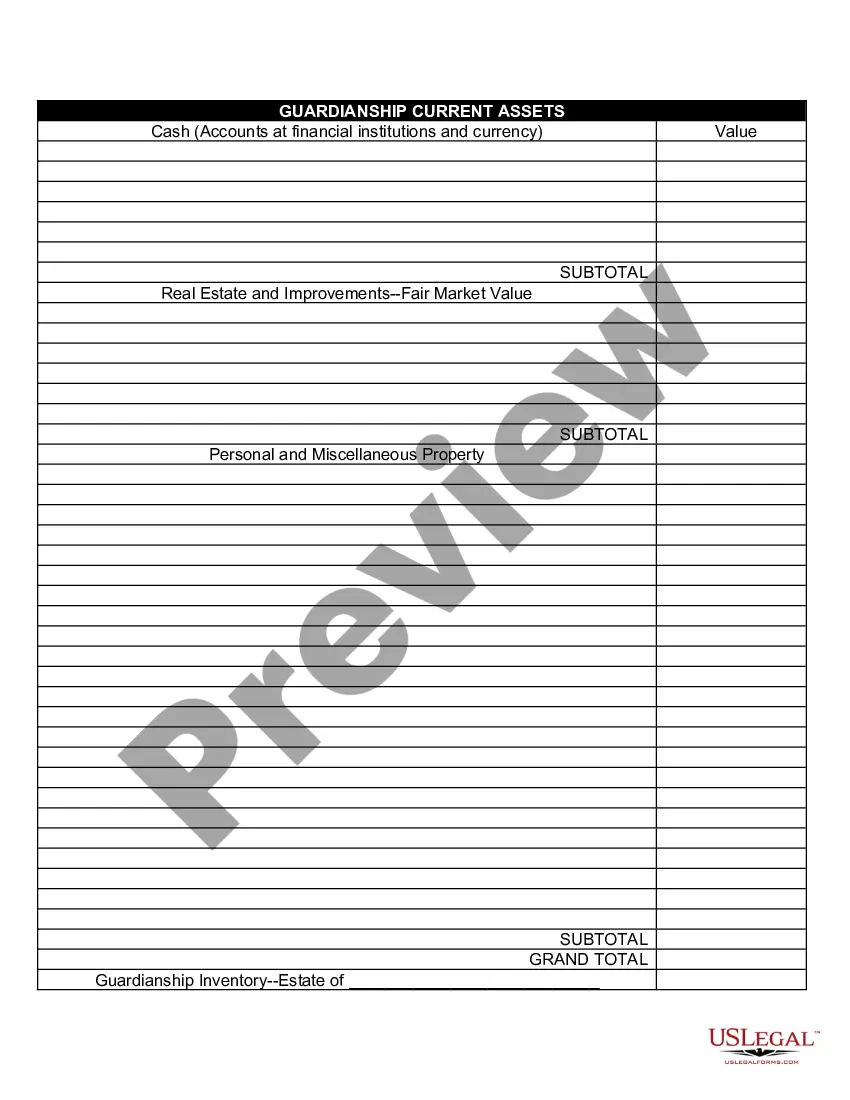

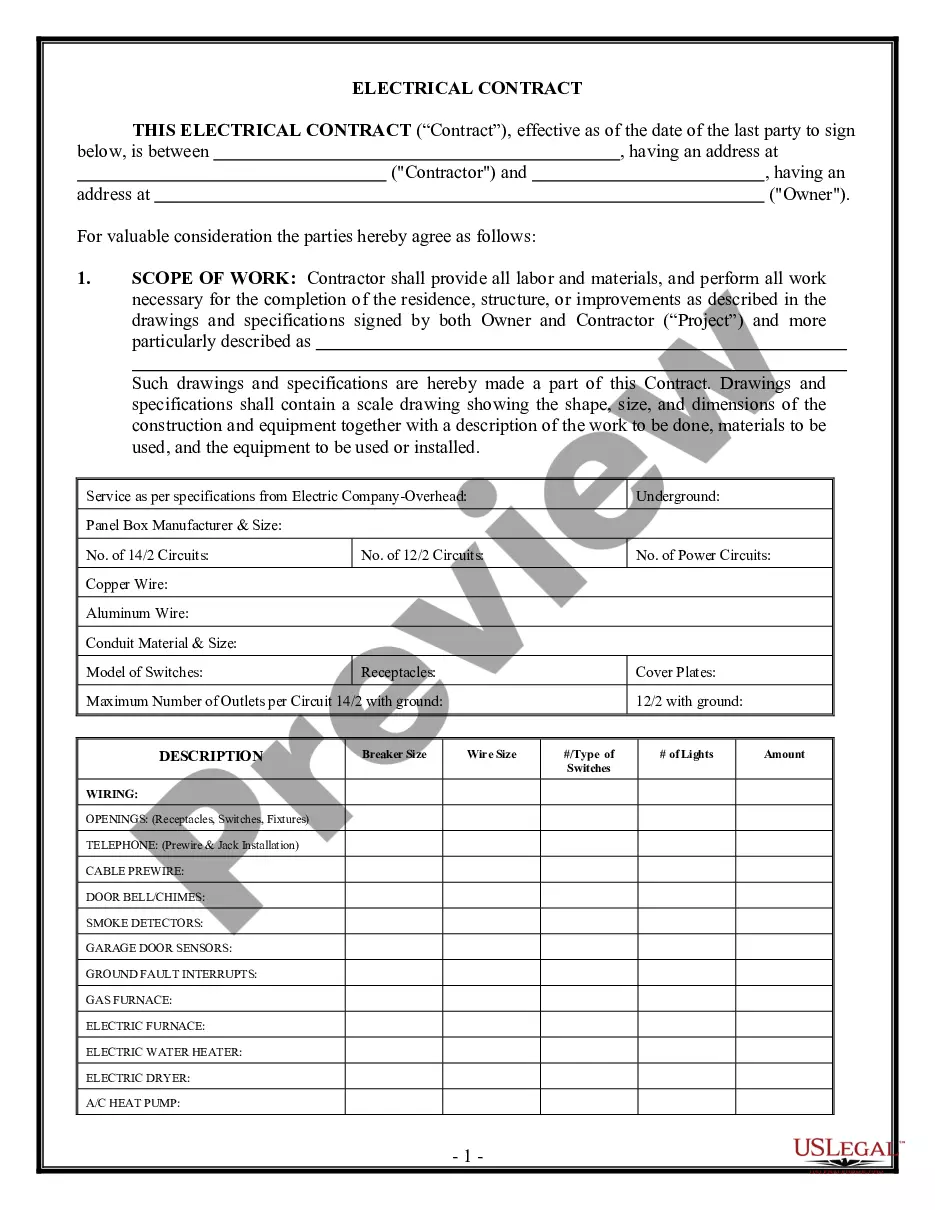



Form popularity
FAQ
All Notary Income must be reported income on on Form 1040 Schedule C or Schedule C-EZ. However, notary income is exempt from self-employment tax on their notarial income because they are public officials. This means you are exempt from paying Social Security and Medicare but you are taxed at full rate on your profit.
One of the most common mistakes that notaries make is not printing or signing their name exactly as it appears on their notary commission.
Here are the top twelve most common errors made by notaries: Making an Illegible Notary Stamp Impression. Improper Storage of Your Notary Stamp and Journal. Not Determining the Signer's Competency and Willingness to Sign. Notarizing for Close Relatives. Failing to Remain Properly Trained.
You can notarize for any member of the public who makes a sensible request and meets all the requirements for notarization. For Example: Must have proof of identity and be physically present. What kind of training do I need? No training or testing for notaries in Virginia.
I, __________________________, a Notary Public in the jurisdiction aforesaid, State of Virginia, do hereby certify that_____________________________________________________ whose names are signed to the foregoing Certificate of Confirmation by Owners, and Plat, bearing date of the _____ day of ____________________, 200 ...
The signer must appear before the notary. The notary must identify the signer. The signer must take an oath or affirmation in the notary's presence and verbally confirm the document's truthfulness (silent nods are not sufficient). The document must be signed by the signer in the notary's presence.
No person who has ever been convicted of a felony under the laws of the United States, the Commonwealth of Virginia, or the laws of any other state, qualify to be appointed and commissioned as a notary public unless such person has had their civil rights restored or received a pardon for the crimes –depending on where ...
To be eligible to apply for a Virginia Notary Public Commission, you must be: At least eighteen years old. A legal resident of the United States. Able to read and write the English language. A resident of Virginia or regularly employed in the state and perform notary services in connection with their employment.
