Request Letter For Court In Dallas
Description



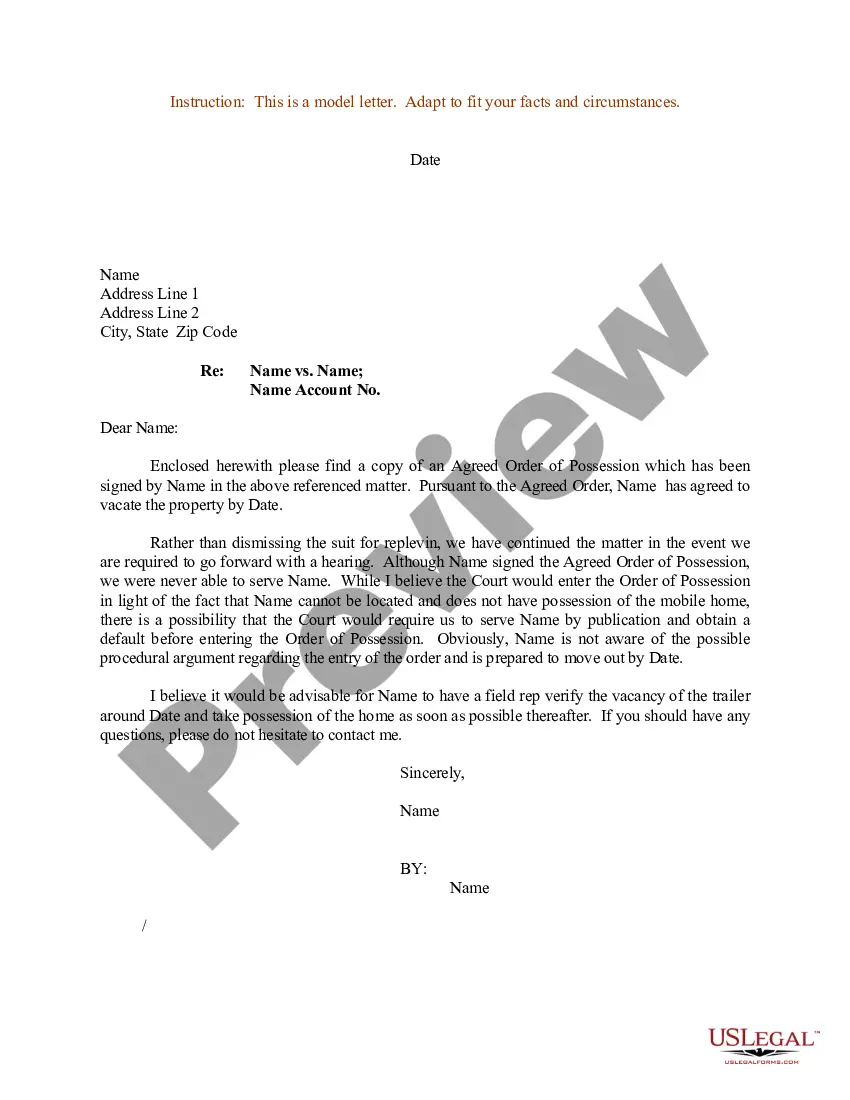
Get your form ready online
Our built-in tools help you complete, sign, share, and store your documents in one place.
Make edits, fill in missing information, and update formatting in US Legal Forms—just like you would in MS Word.
Download a copy, print it, send it by email, or mail it via USPS—whatever works best for your next step.
Sign and collect signatures with our SignNow integration. Send to multiple recipients, set reminders, and more. Go Premium to unlock E-Sign.
If this form requires notarization, complete it online through a secure video call—no need to meet a notary in person or wait for an appointment.
We protect your documents and personal data by following strict security and privacy standards.

Make edits, fill in missing information, and update formatting in US Legal Forms—just like you would in MS Word.

Download a copy, print it, send it by email, or mail it via USPS—whatever works best for your next step.

Sign and collect signatures with our SignNow integration. Send to multiple recipients, set reminders, and more. Go Premium to unlock E-Sign.

If this form requires notarization, complete it online through a secure video call—no need to meet a notary in person or wait for an appointment.

We protect your documents and personal data by following strict security and privacy standards.
Looking for another form?
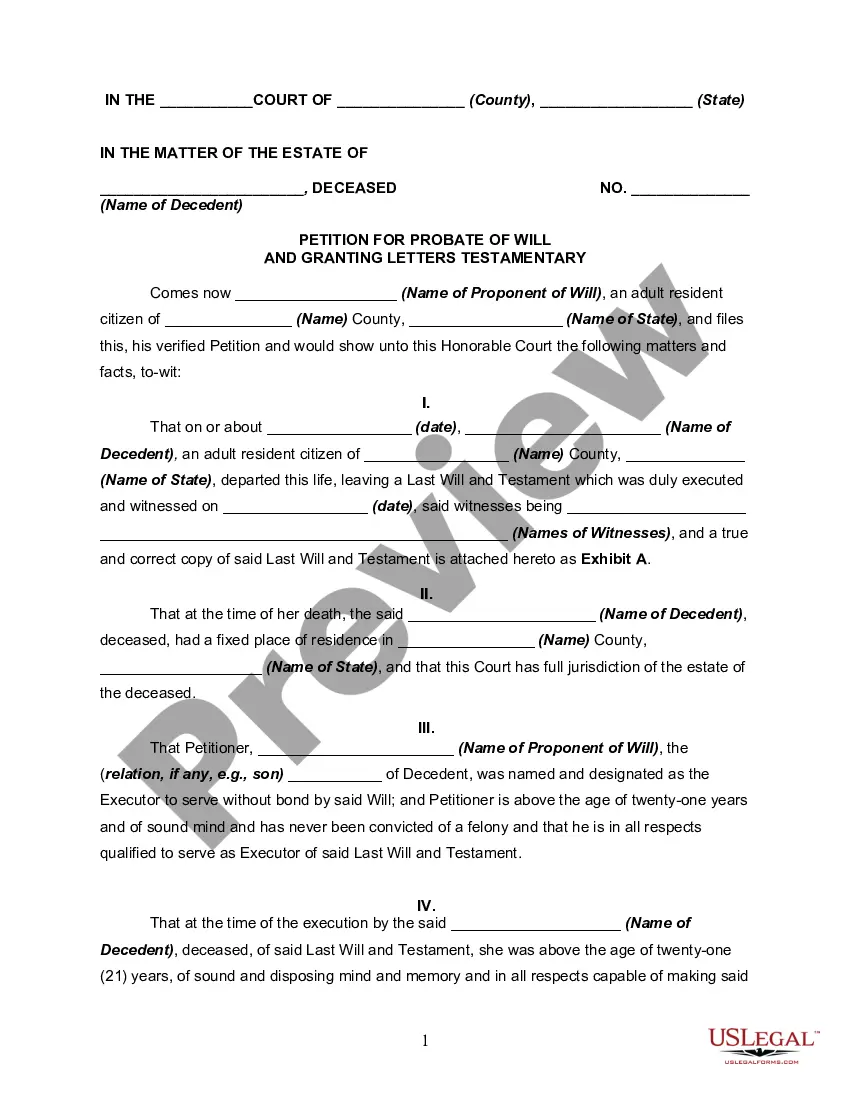


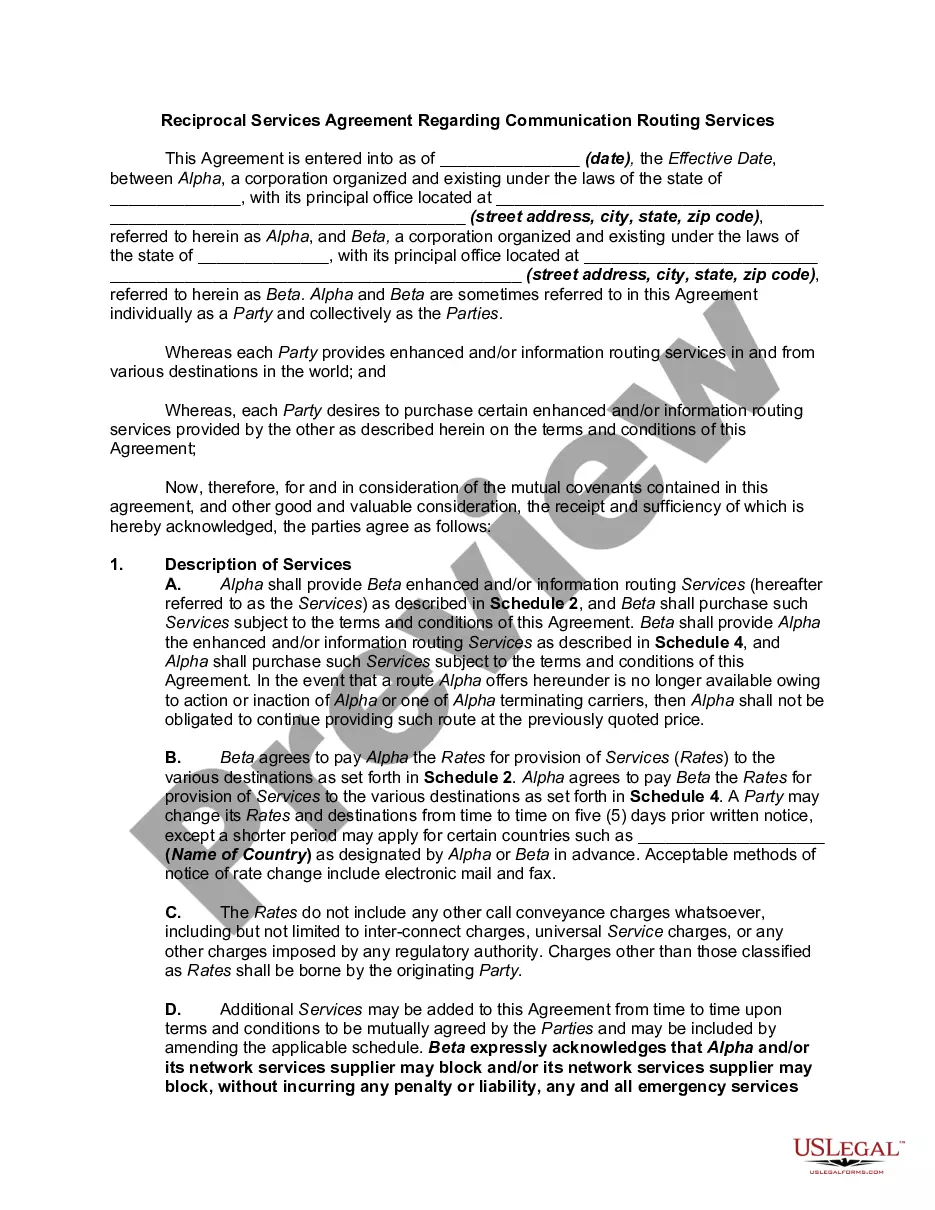






Form popularity
FAQ
Alaska stands out as one of the easiest states to get a divorce due to its approach to property division. Unlike Nevada's community property model, Alaska follows equitable distribution, aiming to divide property and assets fairly, though not necessarily equally.
Where To File For Divorce In Dallas County? Address: George L. Allen, Sr. Courts Building, 600 Commerce Street, Dallas, TX 75202. Phone: (214) 653-7301. Website: Dallas County District Clerk.
If you live in the unincorporated area of Dallas County and would like to verify, change or apply for a new address, please e-mail or call the Development Coordinator at development@dallascounty or 214-653-6565.
A letter of testamentary (also known as letters testamentary) is a legal document issued by a court having probate jurisdiction after a will has been presented for probate. The letters name an individual as executor and provide the authority to administer the estate.
Any attorney may reserve up to three weeks in any calendar year for vacations by sending a "vacation letter" for each case (with appropriate cause number and style) to the Court Coordinator and opposing counsel, reserving weeks in which no hearings, depositions, or trials are set as of the date of the letter.
Theoretically, the least amount of time it can take to get divorced in Texas is 61 days. However, even an uncontested divorce typically takes about three to four months to finalize due to the court's docket and the schedules of all the parties involved. What Is an Uncontested Divorce?
The Probate Courts of Dallas County.
As stated, Texas law deems wills to be public records once admitted to probate court. This means that any member of the public can access and view the will by visiting the county clerk's office in the county where the will was probated.
Obtaining a Copy of a Will from a Probate Court If the will went through probate court, it constitutes a public record. Consequently, head to the county clerk's office where the deceased resided.
Many Texas counties offer online resources to help you locate a will. These resources might include public records databases and electronic access to legal documents. Some counties even allow you to view and request copies of probate records from home.

