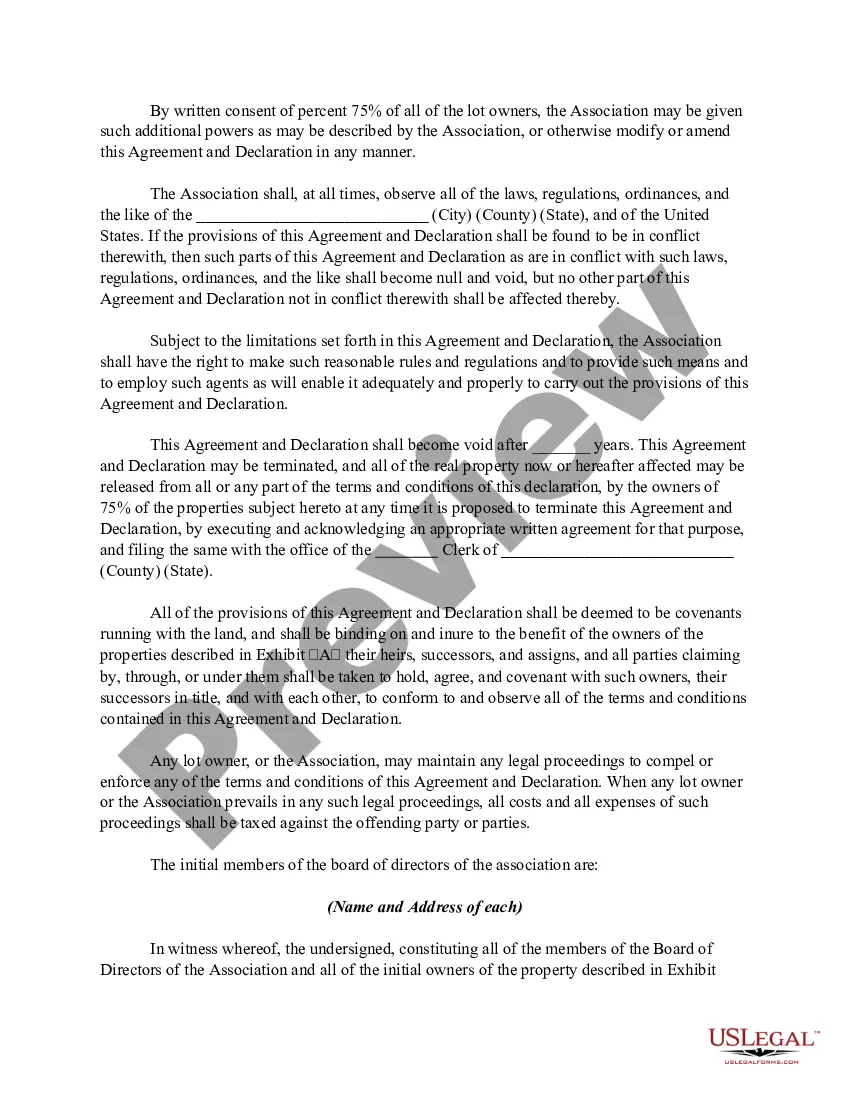
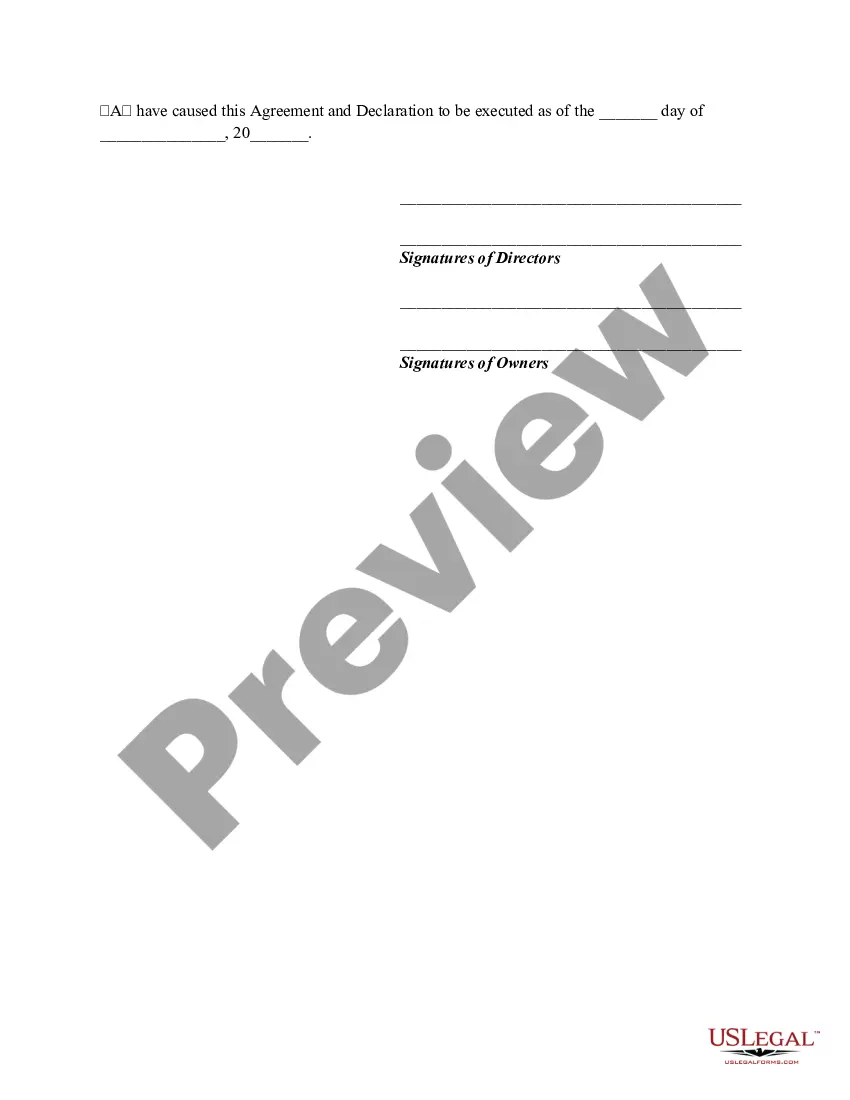
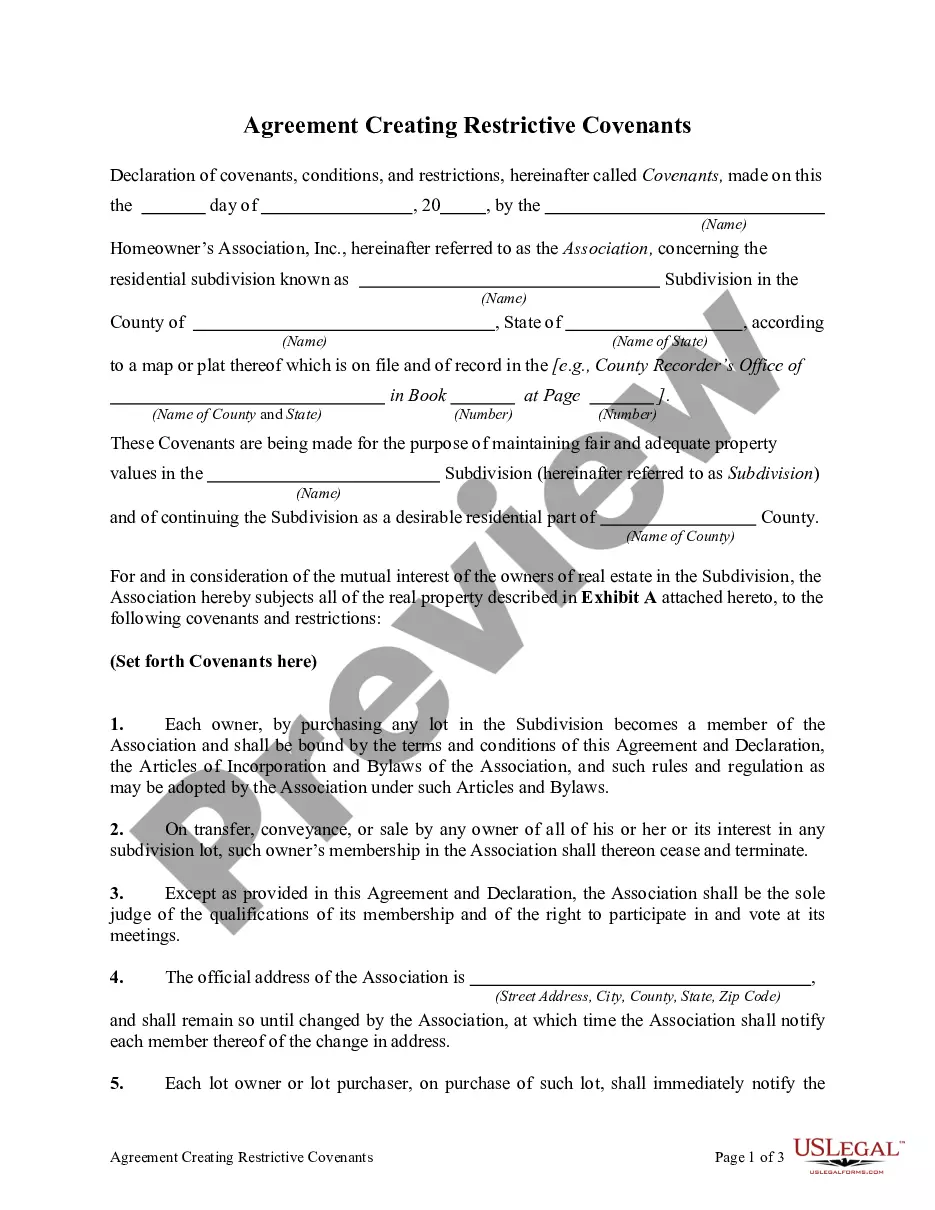
Restrictive Covenants For Independent Contractor In Massachusetts
Description

Get your form ready online
Our built-in tools help you complete, sign, share, and store your documents in one place.
Make edits, fill in missing information, and update formatting in US Legal Forms—just like you would in MS Word.
Download a copy, print it, send it by email, or mail it via USPS—whatever works best for your next step.
Sign and collect signatures with our SignNow integration. Send to multiple recipients, set reminders, and more. Go Premium to unlock E-Sign.
If this form requires notarization, complete it online through a secure video call—no need to meet a notary in person or wait for an appointment.
We protect your documents and personal data by following strict security and privacy standards.

Make edits, fill in missing information, and update formatting in US Legal Forms—just like you would in MS Word.

Download a copy, print it, send it by email, or mail it via USPS—whatever works best for your next step.

Sign and collect signatures with our SignNow integration. Send to multiple recipients, set reminders, and more. Go Premium to unlock E-Sign.

If this form requires notarization, complete it online through a secure video call—no need to meet a notary in person or wait for an appointment.

We protect your documents and personal data by following strict security and privacy standards.
Looking for another form?







Form popularity
FAQ
An NDA constitutes a legally binding agreement, albeit without the same level of scrutiny as a non-compete clause. It solely restricts the use of information rather than overall competition. Typically, the agreement will specify that the employer is entitled to injunctive relief in the event of a breach.
Conditions or restrictions, unlimited as to time, by which the title or use of real property is affected, shall be limited to the term of thirty years after the date of the deed or other instrument or the date of the probate of the will creating them, except in cases of gifts or devises for public, charitable or ...
An employee can challenge a restrictive covenant if they believe it is unreasonable or prevents them from finding suitable employment. If the covenant is too broad or not essential to protecting the employer's business, it may be deemed unenforceable by the courts.
Massachusetts utilizes a comprehensive three-part test, often referred to as the ABC test, to differentiate between employees and independent contractors.
An "anti-raiding" restrictive covenant is “only reasonable, and thus enforceable, if it is (1) necessary to protect a legitimate business interest, (2) reasonably limited in time and space, and (3) consonant with the public interest.”
"A covenant not to compete contained in a contract for personal services will be enforced if it is reasonable, based on all the circumstances."
Under the MNAA, to be valid and enforceable a non-compete agreement must: Be in writing and signed by both the employer and the employee. Expressly state that the employee may consult with an attorney before signing. – at least ten business days before the employment begins.
Unfair Competition: The Legal Standard Chapter 93A outlines the regulations for unfair business practices. It states: "Unfair methods of competition and unfair or deceptive acts or practices in the conduct of any trade or commerce are hereby declared unlawful."
