Health Record Amendment Denial Letter
What this document covers
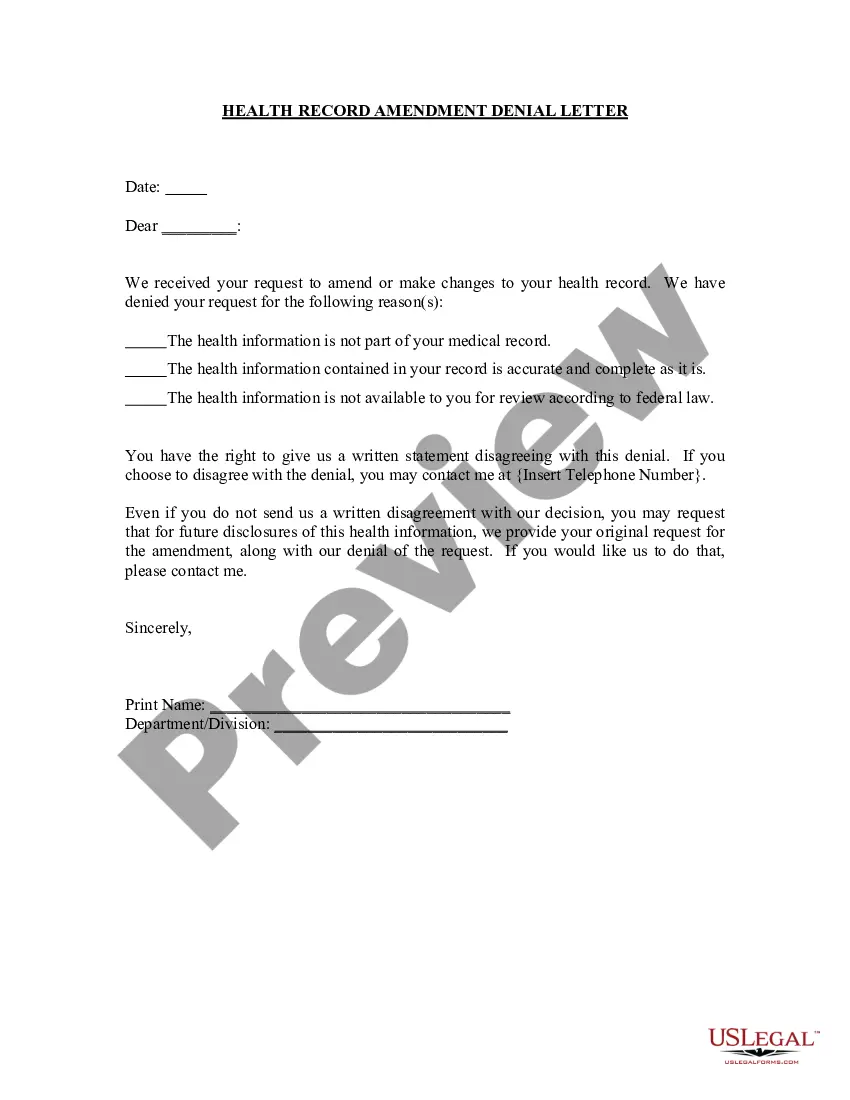
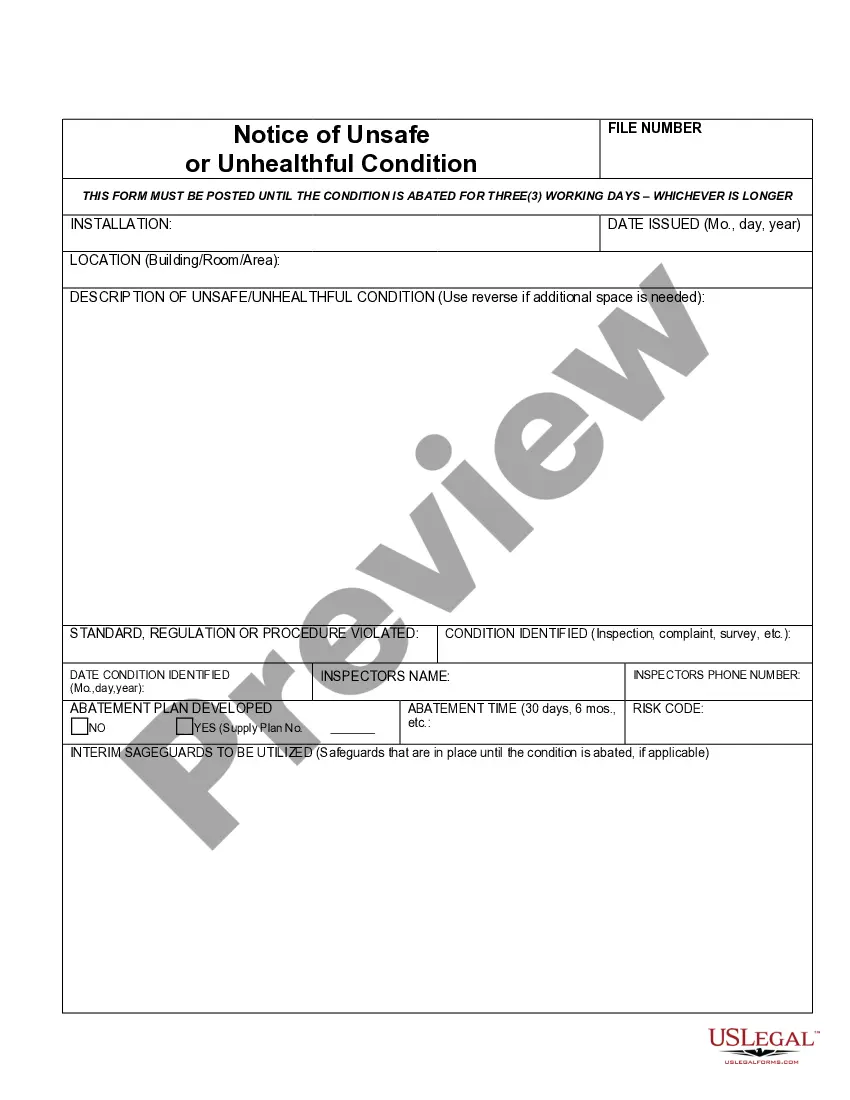
The Health Record Amendment Denial Letter is a formal document used by human resources to communicate the denial of an employee's request to amend their health records. Unlike other forms related to health records, this letter specifically addresses denied amendment requests, outlining the employee's right to dispute the decision. It ensures that the denial is officially documented and provides a means for the employee to express their disagreement in writing.
Form components explained
- Contact information for the employee to present their disagreement.
- A clear statement of denial regarding the requested amendment.
- Instruction on how to request future disclosures of the denied amendment request.
- Space for the human resources representativeâs name and department.
When to use this document
This form should be used when an employee has requested an amendment to their health records and that request has been denied. It serves to officially inform the employee of the denial and provides them with an opportunity to respond. For example, if an employee believes that important health information has been inaccurately recorded and their request to change it is refused, this letter must be issued to document the denial process.
Who needs this form
- Human resources personnel managing employee health records.
- Employers responding to an employeeâs amendment request regarding health information.
- Legal representatives or compliance officers overseeing health record practices.
Steps to complete this form
- Identify the employee by entering their name and relevant identification details.
- Clearly state the reasons for the denial of the amendment requested.
- Provide your contact information, including a telephone number, for any follow-up regarding the denial.
- Include a brief note about the employee's right to submit a written disagreement.
- Sign the letter and include your printed name and department.
Notarization requirements for this form
This form does not typically require notarization unless specified by local law. Always confirm local regulations to ensure compliance.
Get your form ready online
Our built-in tools help you complete, sign, share, and store your documents in one place.
Make edits, fill in missing information, and update formatting in US Legal Forms—just like you would in MS Word.
Download a copy, print it, send it by email, or mail it via USPS—whatever works best for your next step.
Sign and collect signatures with our SignNow integration. Send to multiple recipients, set reminders, and more. Go Premium to unlock E-Sign.
If this form requires notarization, complete it online through a secure video call—no need to meet a notary in person or wait for an appointment.
We protect your documents and personal data by following strict security and privacy standards.

Make edits, fill in missing information, and update formatting in US Legal Forms—just like you would in MS Word.

Download a copy, print it, send it by email, or mail it via USPS—whatever works best for your next step.

Sign and collect signatures with our SignNow integration. Send to multiple recipients, set reminders, and more. Go Premium to unlock E-Sign.

If this form requires notarization, complete it online through a secure video call—no need to meet a notary in person or wait for an appointment.

We protect your documents and personal data by following strict security and privacy standards.
Mistakes to watch out for
- Failing to provide complete contact information for the employee.
- Not clearly explaining the reasons for the denial, leading to confusion.
- Omitting the employee's right to disagree with the decision.
Why use this form online
- Convenient access to a pre-drafted letter, saving time in drafting from scratch.
- Easy customization to fit specific cases or employee details.
- Reliable and quickly downloadable, ensuring immediate use when needed.
Legal use & context
This form is legally recognized as a means to document the denial of a health record amendment. It provides necessary information for recordkeeping and ensures compliance with employee rights under relevant health information laws.
Key takeaways
- The form is essential for documenting the denial of an employee's request to amend health records.
- Employees have the right to dispute the decision, which must be communicated in the letter.
- Using this standardized form helps to maintain professionalism and legal compliance in the workplace.
Looking for another form?

Form popularity
FAQ
A Patient's Right to Amend PHI. The HIPAA privacy rule provides individuals with the right to request an amendment of their PHI within the designated record set.
A patient has the right to request an amendment to his or her medical record. A physician has the right to determine if the change will be made. The medical record should contain both the patient's request and the physician's response.
A late entry, an addendum or a correction to the medical record, bears the current date of that entry and is signed by the person making the addition or change.Addendum: An addendum is used to provide information that was not available at the time of the original entry.
Year of Allocation, Title of Program, Fund Source. Give the reason why the amendment is late: Example: We missed amending by the due date because 2026 Give why the budget changes are necessary--- Detailed explanation of changes.
When amending the medical record, the following guidelines should be followed: Clearly identify whether the entry is a late entry or an addendum. Enter the additional information as additional information. Do not make it appear that the information you are adding was part of the original document.
§ 164.526 Amendment of protected health information.An individual has the right to have a covered entity amend protected health information or a record about the individual in a designated record set for as long as the protected health information is maintained in the designated record set.
The definition of an amendment is a change, addition, or rephrasing of something, most often with the intention of improvement. An example of an amendment are the changes made to the U.S. Constitution. The act of changing for the better; improvement.
If you think that something in your medical records is wrong, the Patients Association recommends that you write to the GP or hospital saying what is wrong, and providing any evidence you have which supports your view. Medical records cannot usually be changed, but a note can be added explaining why they are incorrect.
The 14thAmendment of the U.S. Constitution protects an individual's zone of privacy. Individuals have an interest in avoiding disclosure of personal matters including information about one's body. As a result, the government cannot arbitrarily intrude into someone's medical records.