Trademark Law In Cambodia In Phoenix
Description



Get your form ready online
Our built-in tools help you complete, sign, share, and store your documents in one place.
Make edits, fill in missing information, and update formatting in US Legal Forms—just like you would in MS Word.
Download a copy, print it, send it by email, or mail it via USPS—whatever works best for your next step.
Sign and collect signatures with our SignNow integration. Send to multiple recipients, set reminders, and more. Go Premium to unlock E-Sign.
If this form requires notarization, complete it online through a secure video call—no need to meet a notary in person or wait for an appointment.
We protect your documents and personal data by following strict security and privacy standards.

Make edits, fill in missing information, and update formatting in US Legal Forms—just like you would in MS Word.

Download a copy, print it, send it by email, or mail it via USPS—whatever works best for your next step.

Sign and collect signatures with our SignNow integration. Send to multiple recipients, set reminders, and more. Go Premium to unlock E-Sign.

If this form requires notarization, complete it online through a secure video call—no need to meet a notary in person or wait for an appointment.

We protect your documents and personal data by following strict security and privacy standards.
Looking for another form?







Form popularity
FAQ
If you wish to use an existing trade mark, you should first contact the current owner. You can find the owner of a registered trade mark by searching the trade marks database . You can usually get permission to use someone else's trade mark by: buying the rights from them.
Trademarked words can be used in specific contexts like education, comparison, and commentary without permission. Accurate and non-misleading use of trademarks in comparisons is allowed under the law.
Using a trade mark without permission is considered trade mark infringement and can result in serious consequences. Infringing on someone else's trade mark rights can result in liability for damages and penalties, which can be substantial.
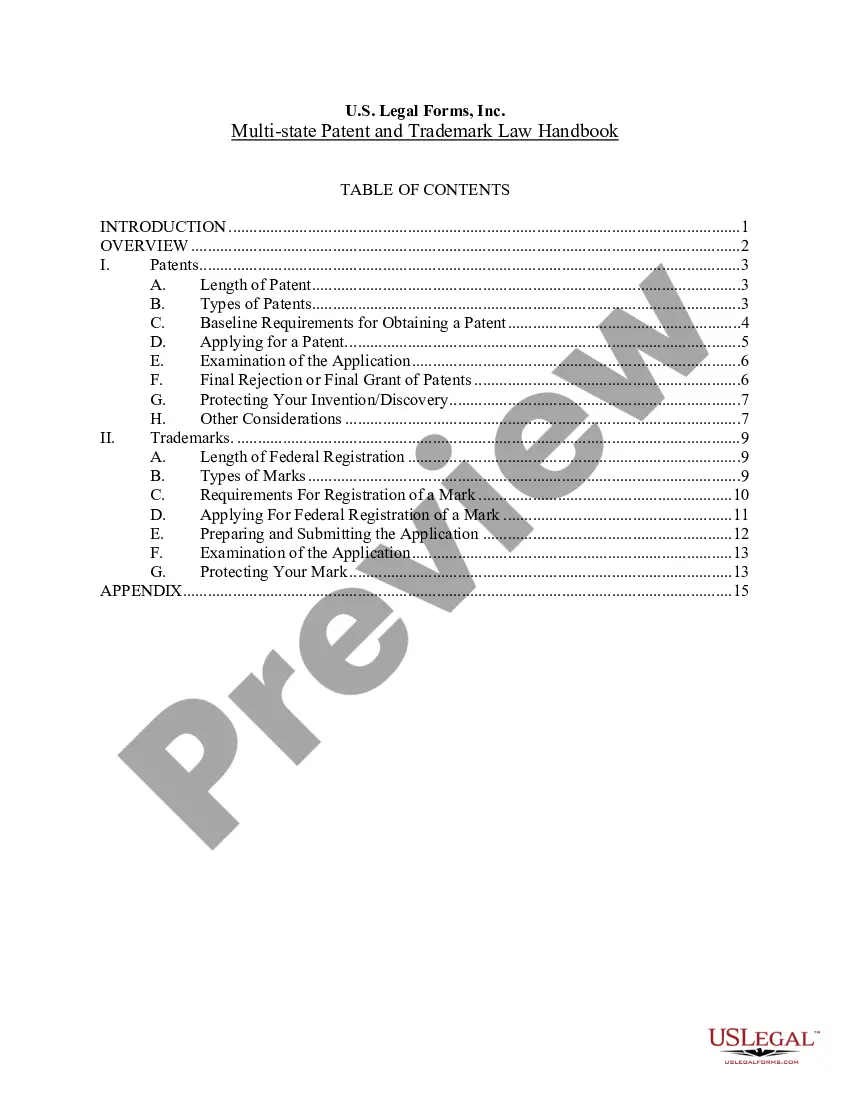
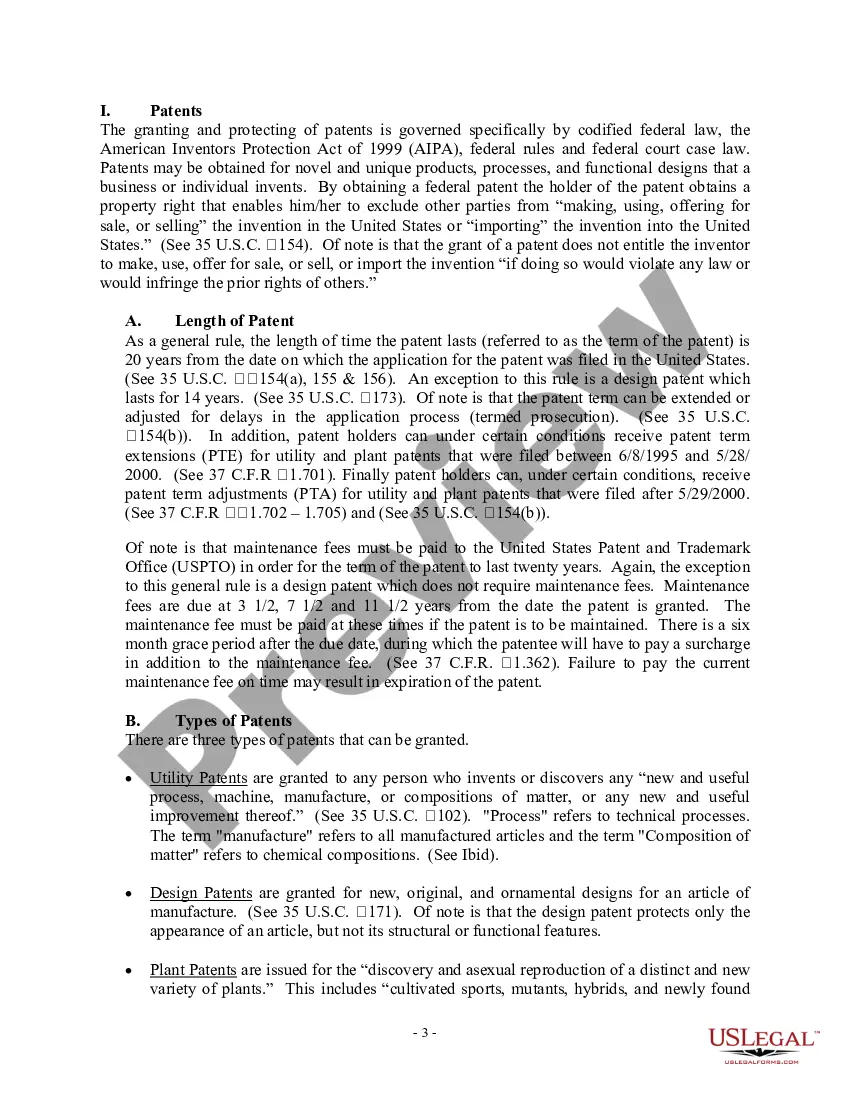
When it comes to how to trademark a business name, an owner has three options to consider from which to choose: Arbitrary and Fanciful, Suggestive, and Descriptive Trademarks. An arbitrary trademark and fanciful trademark refer to a strong word, phrase, or symbol.
You can file for and manage your trademark's protection in more than 120 countries and regional intellectual property offices using a single streamlined application and payment process. “Madrid Protocol” is the common name for the international trademark registration treaty that makes this process possible.
A trademark consent agreement is a straightforward contract in which one party agrees to permit another party to use and/or register a trademark that overlaps with their own. This agreement usually includes a statement affirming that the trademarks are not likely to cause consumer confusion.
Some trademark owners may grant others permission to use a trademark without requiring any type of payment. This is why it can be helpful to seek permission from the owner for use, as you may be able to agree on some type of favorable arrangement.
You can do this online, through the USPTO Trademark Center, an online trademark filing service, an attorney, or by submitting a paper application. Before the trademark application process, you'll want to start with a trademark search and make sure your trademark is available.
The processing time for Cambodian trademark registrations is approximately nine months to one year to obtain the registration certificate, if there are no any rejections/oppositions from the trademark office or third party.
Trademark process Step 1: Is a trademark application right for you? ... Step 2: Get ready to apply. Step 3: Prepare and submit your application. Step 4: Work with the assigned USPTO examining attorney. Step 5: Receive approval/denial of your application. Step 6: Maintain your registration.
