Letter Credit Attorney Without In Nassau
Description


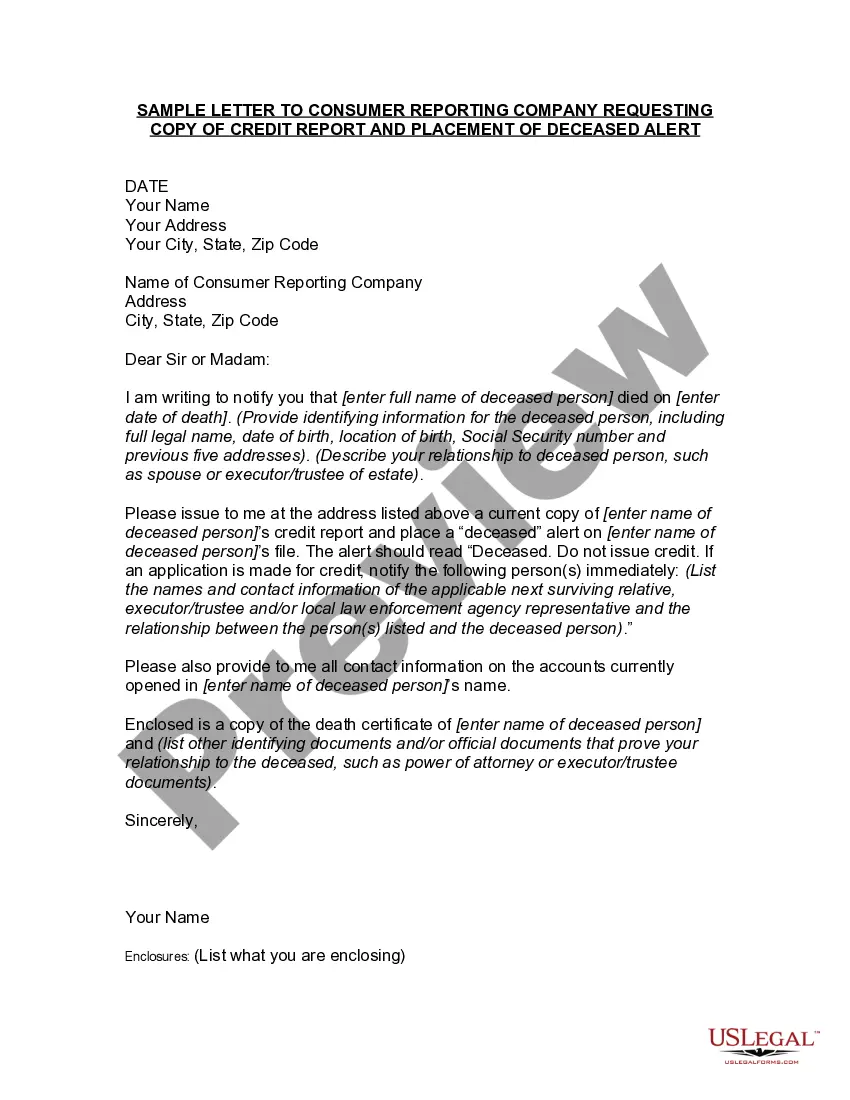
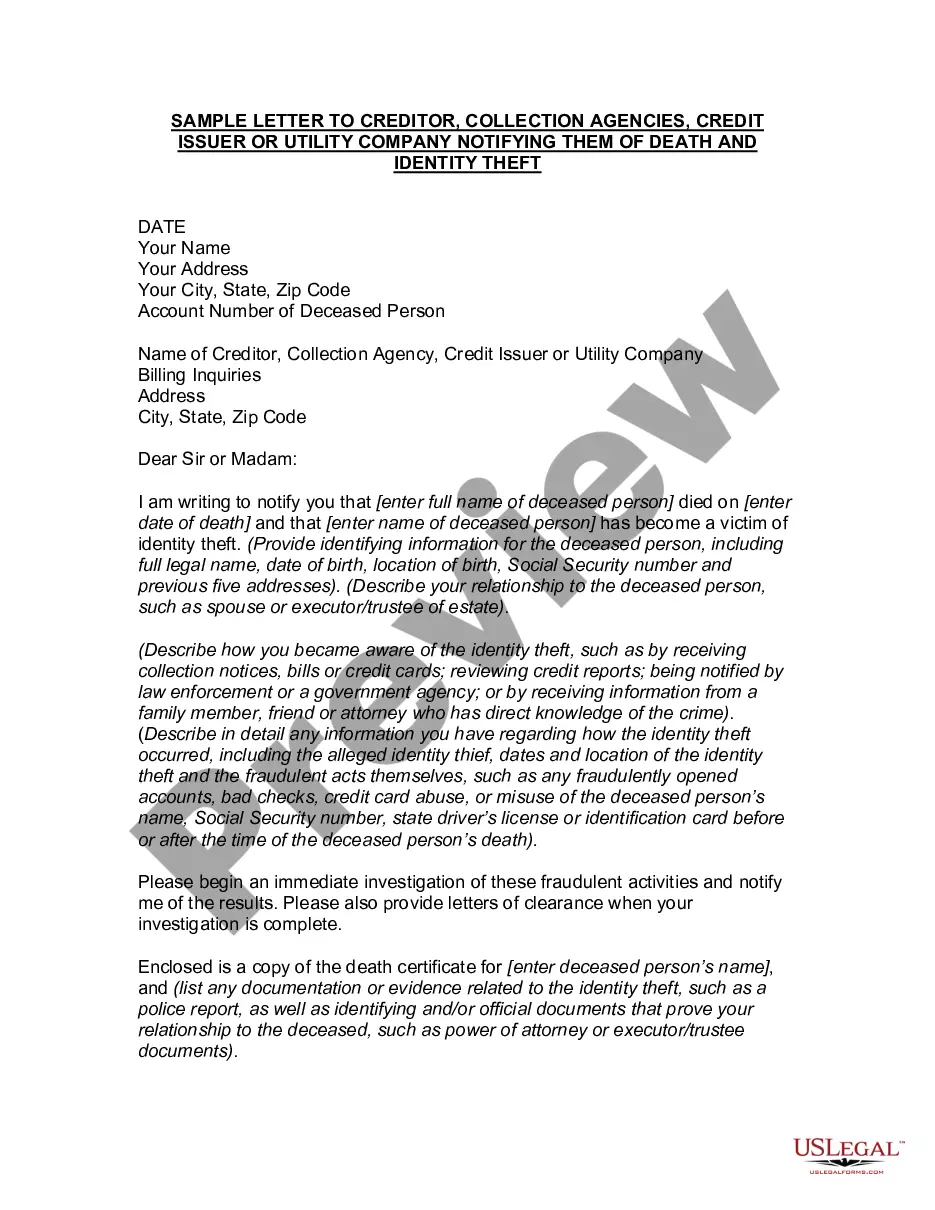
Get your form ready online
Our built-in tools help you complete, sign, share, and store your documents in one place.
Make edits, fill in missing information, and update formatting in US Legal Forms—just like you would in MS Word.
Download a copy, print it, send it by email, or mail it via USPS—whatever works best for your next step.
Sign and collect signatures with our SignNow integration. Send to multiple recipients, set reminders, and more. Go Premium to unlock E-Sign.
If this form requires notarization, complete it online through a secure video call—no need to meet a notary in person or wait for an appointment.
We protect your documents and personal data by following strict security and privacy standards.

Make edits, fill in missing information, and update formatting in US Legal Forms—just like you would in MS Word.

Download a copy, print it, send it by email, or mail it via USPS—whatever works best for your next step.

Sign and collect signatures with our SignNow integration. Send to multiple recipients, set reminders, and more. Go Premium to unlock E-Sign.

If this form requires notarization, complete it online through a secure video call—no need to meet a notary in person or wait for an appointment.

We protect your documents and personal data by following strict security and privacy standards.
Looking for another form?




Form popularity
FAQ
Your answer should include the court name, case name, case number, and your affirmative defenses. Print three copies of your answer. File one with the clerk's office and mail (or “serve”) one to the plaintiff or plaintiff's attorney.
Once a summons and complaint or summons with notice have been served, a defendant must respond in writing within a limited period of time. The response is sent to the plaintiff's attorney or directly to the plaintiff, if the plaintiff is appearing is self represented.
To file a motion for contempt in New York, certain criteria must be met. There must be an existing order of the court that is clear and unambiguous, and the accused must be proven to have known about this order and willfully disobeyed it.
The answer can be told to the clerk at the courthouse in person, or can be written down and given to the clerk in writing. It may be easier for you to answer in person.
You can either answer the summons in writing or in person. If you answer in person, you must go to the courthouse clerk's office and tell the clerk about your defenses to the plaintiff's claims. The clerk will check off the boxes in a Consumer Credit Transaction Answer In Person form.
That might mean writing a timely response and showing up to court on the date stated in the court papers, even if you think you don't owe the debt. Responding or showing up in court might help you settle the debt because some collectors would rather settle than go through a long (and expensive) lawsuit.
If you are not sure what to say in your answer you can call the NYC Financial Justice Hotline at 212 925-4929 for help, or you can visit the Civil Court's Help Center and speak to a court attorney. After you answer, the clerk will give the case a court date for you and the plaintiff to see a judge.
Ways you can settle a debt and dismiss your case If you settle your case by paying part or all of the debt. You may settle your case at any time prior to having the court make a decision (a judgment) by either. Have the Plaintiff dismiss the case. Settling after a judgment. If you agree to make payments over time.
You can either answer the summons in writing or in person. If you answer in person, you must go to the courthouse clerk's office and tell the clerk about your defenses to the plaintiff's claims. The clerk will check off the boxes in a Consumer Credit Transaction Answer In Person form.
Because of the Consumer Credit Fairness Act, which was enacted in 2021, the statute of limitations for most New York-based debt collections was reduced from six years to three years.

