Sample Letter Of Death Notification To Bank With
Description
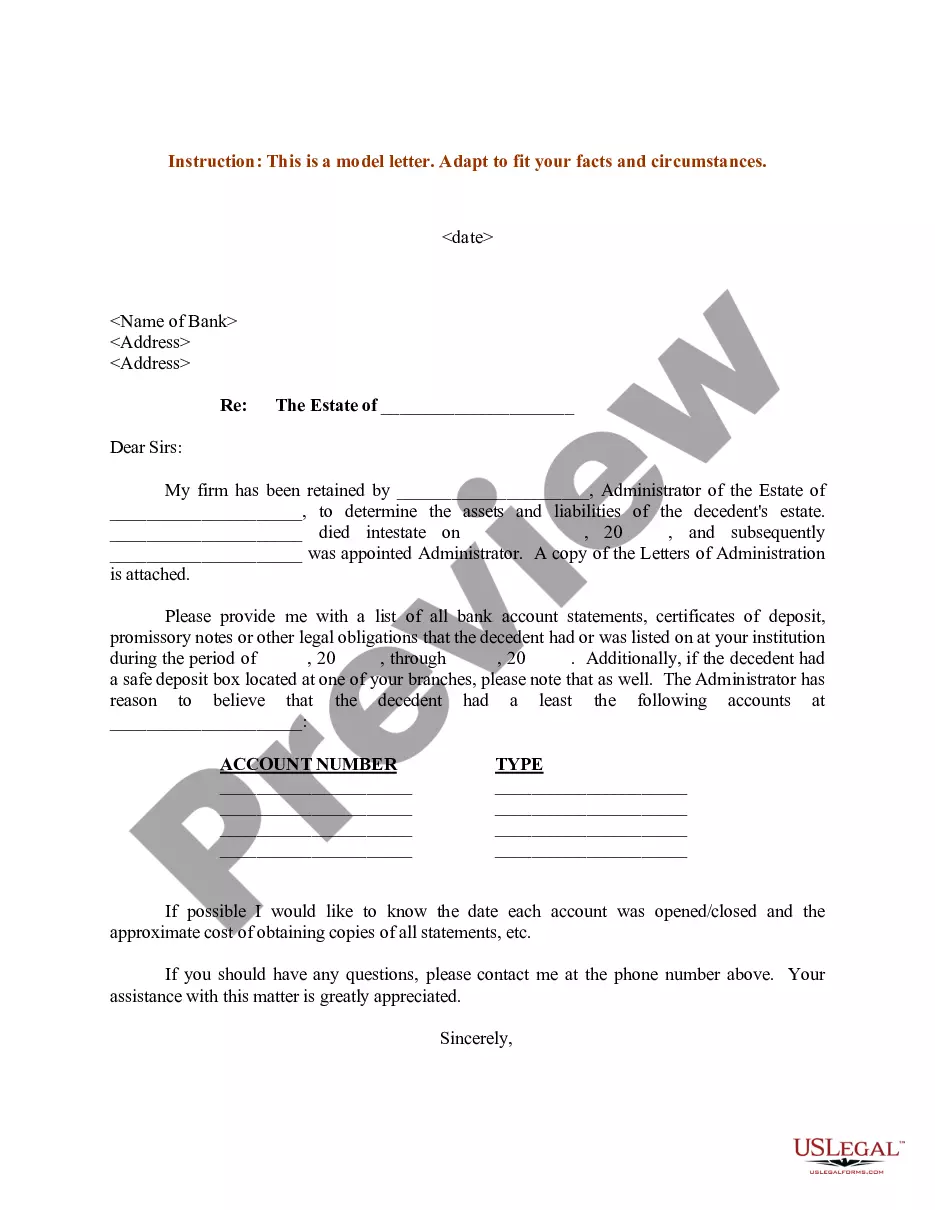

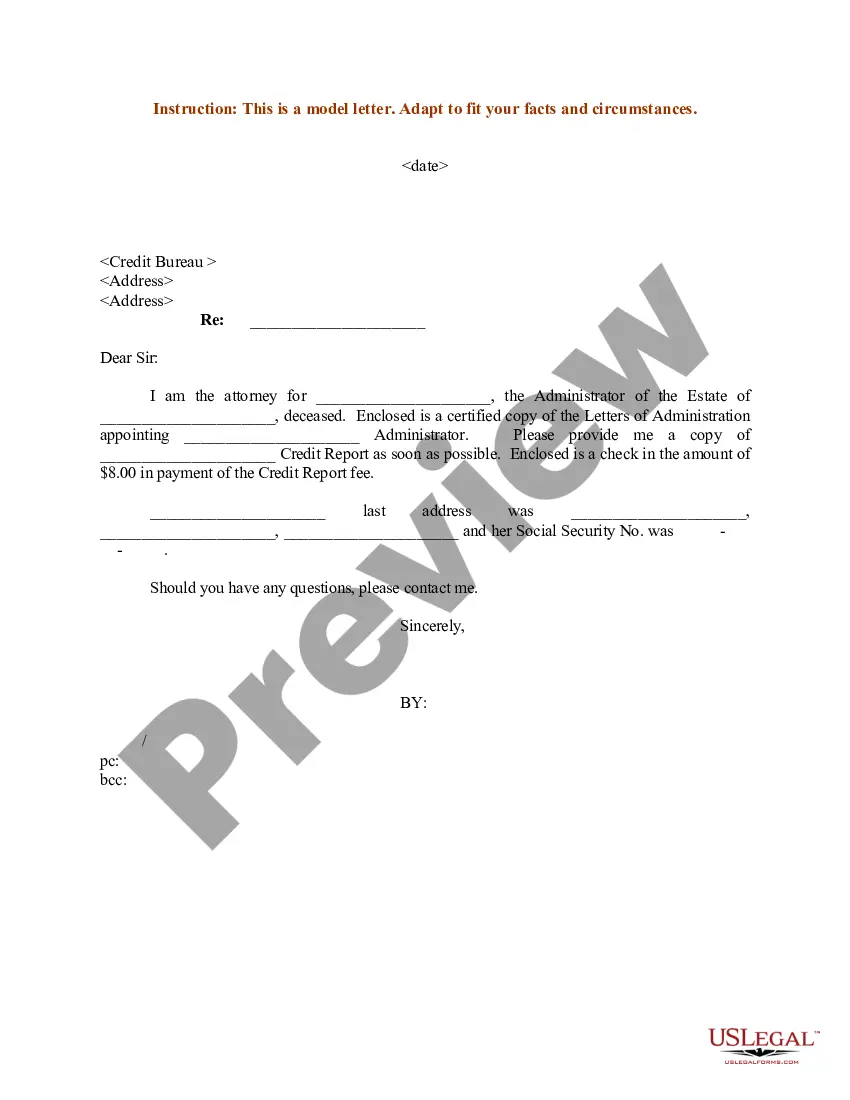
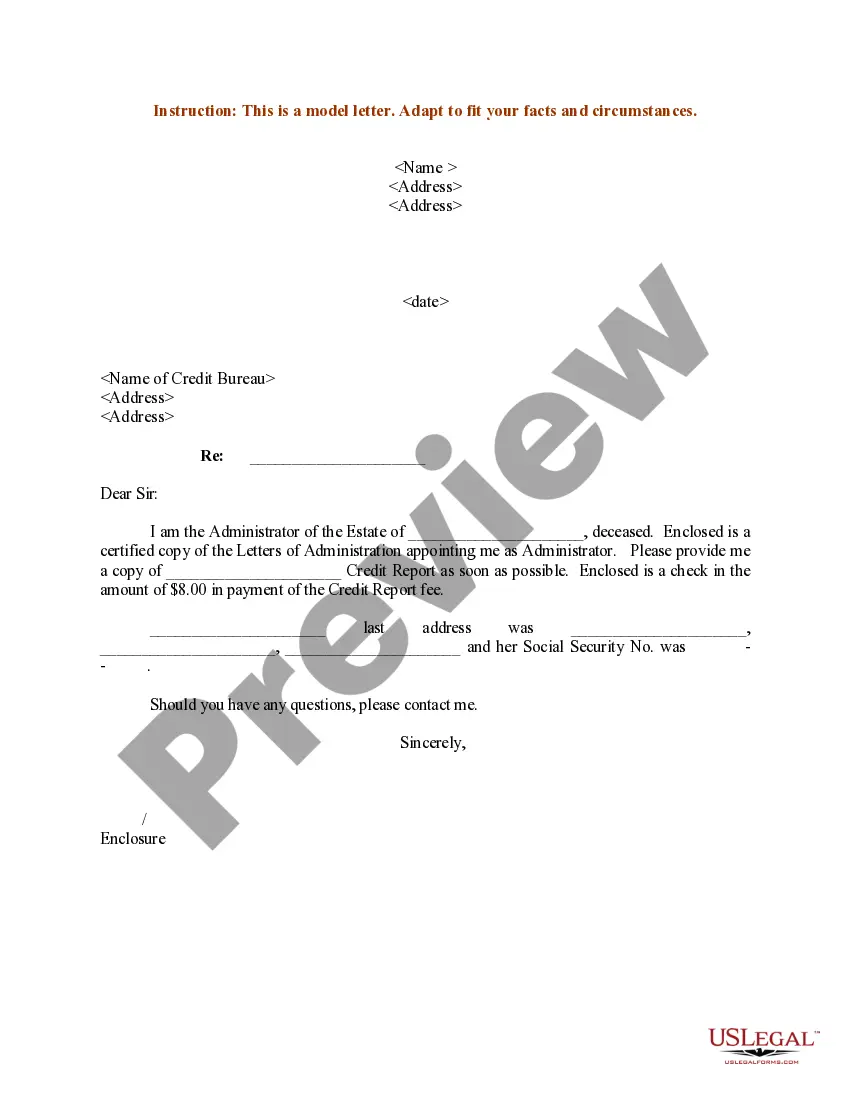
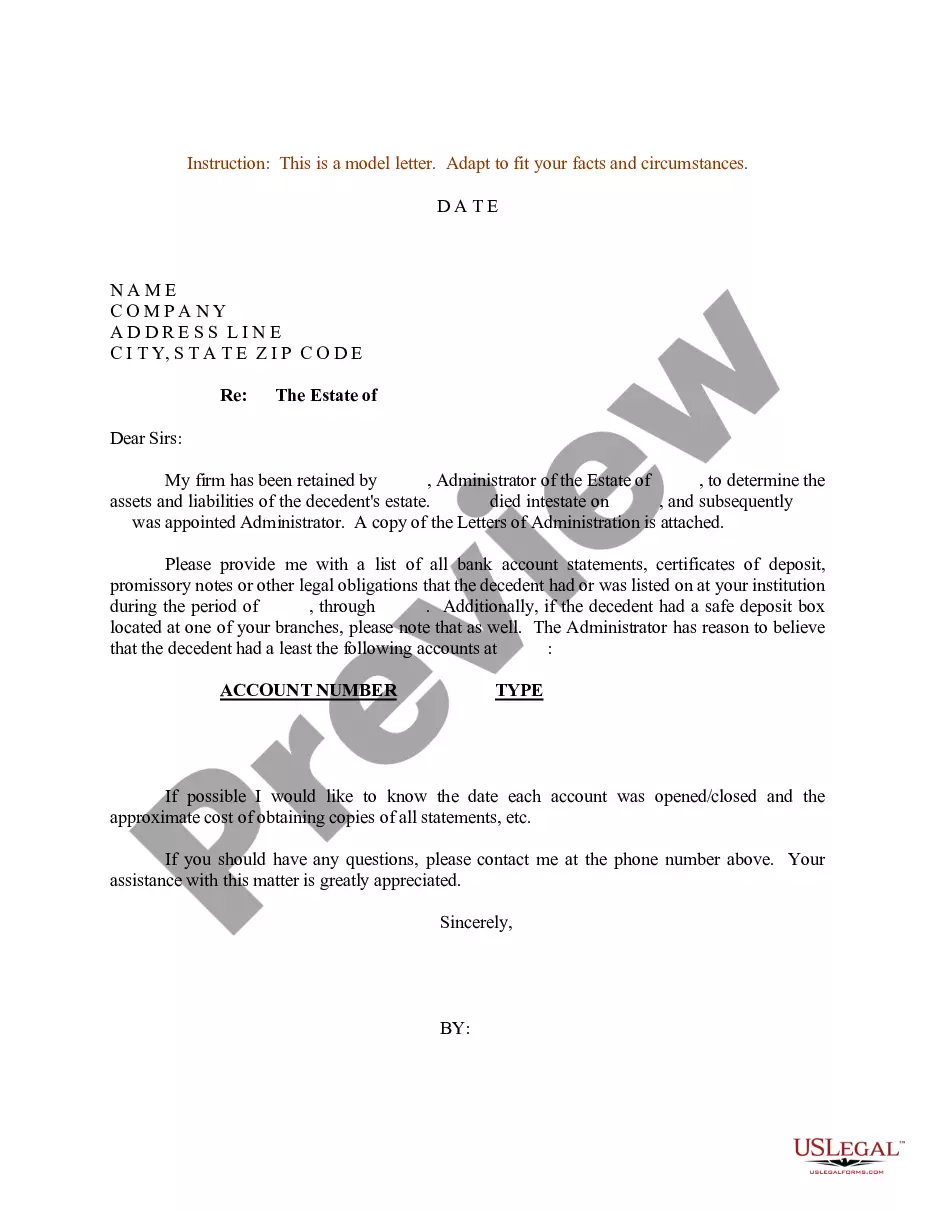
Get your form ready online
Our built-in tools help you complete, sign, share, and store your documents in one place.
Make edits, fill in missing information, and update formatting in US Legal Forms—just like you would in MS Word.
Download a copy, print it, send it by email, or mail it via USPS—whatever works best for your next step.
Sign and collect signatures with our SignNow integration. Send to multiple recipients, set reminders, and more. Go Premium to unlock E-Sign.
If this form requires notarization, complete it online through a secure video call—no need to meet a notary in person or wait for an appointment.
We protect your documents and personal data by following strict security and privacy standards.

Make edits, fill in missing information, and update formatting in US Legal Forms—just like you would in MS Word.

Download a copy, print it, send it by email, or mail it via USPS—whatever works best for your next step.

Sign and collect signatures with our SignNow integration. Send to multiple recipients, set reminders, and more. Go Premium to unlock E-Sign.

If this form requires notarization, complete it online through a secure video call—no need to meet a notary in person or wait for an appointment.

We protect your documents and personal data by following strict security and privacy standards.
Looking for another form?

How to fill out Sample Letter To Bank Concerning Accounts Of Decedent?
Whether for commercial reasons or personal matters, everyone must handle legal circumstances at some point in their lives.
Completing legal documents requires meticulous care, starting with choosing the correct template.
Once saved, you can complete the form using editing software or print it and finish it manually. With a vast collection of US Legal Forms available, you do not need to waste time searching for the correct template online. Utilize the library's user-friendly navigation to find the right form for any situation.
- For instance, if you select an incorrect version of the Sample Letter Of Death Notification To Bank With, it will be rejected upon submission.
- Thus, it is essential to find a trustworthy source of legal documents like US Legal Forms.
- If you wish to acquire a Sample Letter Of Death Notification To Bank With template, follow these straightforward steps.
- Locate the template you require using the search bar or catalog navigation.
- Review the form's description to ensure it is suitable for your situation, state, and locality.
- Click on the form's preview to examine it.
- If it is not the correct form, return to the search feature to locate the Sample Letter Of Death Notification To Bank With template you need.
- Download the document when it meets your needs.
- If you already possess a US Legal Forms account, click Log in to access previously saved documents in My documents.
- In case you do not have an account yet, you can obtain the form by clicking Buy now.
- Choose the suitable pricing option.
- Fill out the account registration form.
- Select your payment method: you can use a credit card or PayPal account.
- Choose the file format you desire and download the Sample Letter Of Death Notification To Bank With.
Form popularity
FAQ
If the decedent owned a bank account and did not name a beneficiary, the account will probably have to pass through probate?the rigorous and time-consuming process whereby the court oversees the dissolution of an estate.
The next of kin must notify their banks of the death when an account holder dies. This is usually done by delivering a certified copy of the death certificate to the bank, along with the deceased's name and Social Security number, bank account numbers, and other information.
Name Bank Account Beneficiaries The easiest way to pass your bank account on to your heirs after your passing is to make sure you name payable-on-death (POD) or transfer-on-death (TOD) beneficiaries on your accounts. This ensures that they will not have to go through probate, which can take months.
Start the letter with your introduction and the reason for writing the letter. Moreover, request the bank manager to settle the deceased account. Additionally, you have to provide details like account numbers and other documents. Signature ? Use ?Faithfully? or ?Sincerely? as signatures and then mention your name.
A court must grant you the power to withdraw money from the account if you're neither a joint owner or an account beneficiary. For example, an executor must produce proof of executor status and a certified copy of the death certificate to collect funds and place them in an estate account.