Mississippi Satisfaction, Release or Cancellation of Deed of Trust by Individual

What is this form?
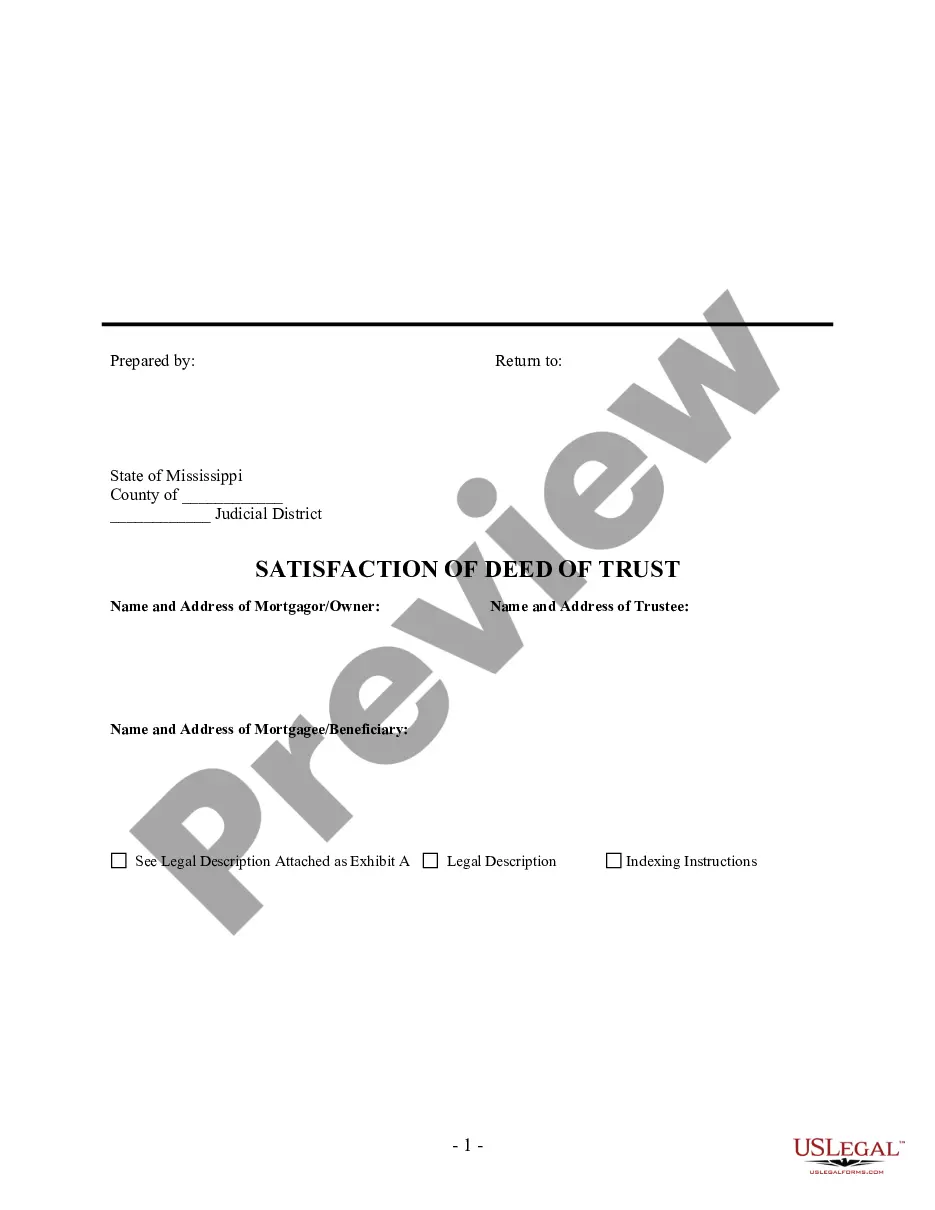
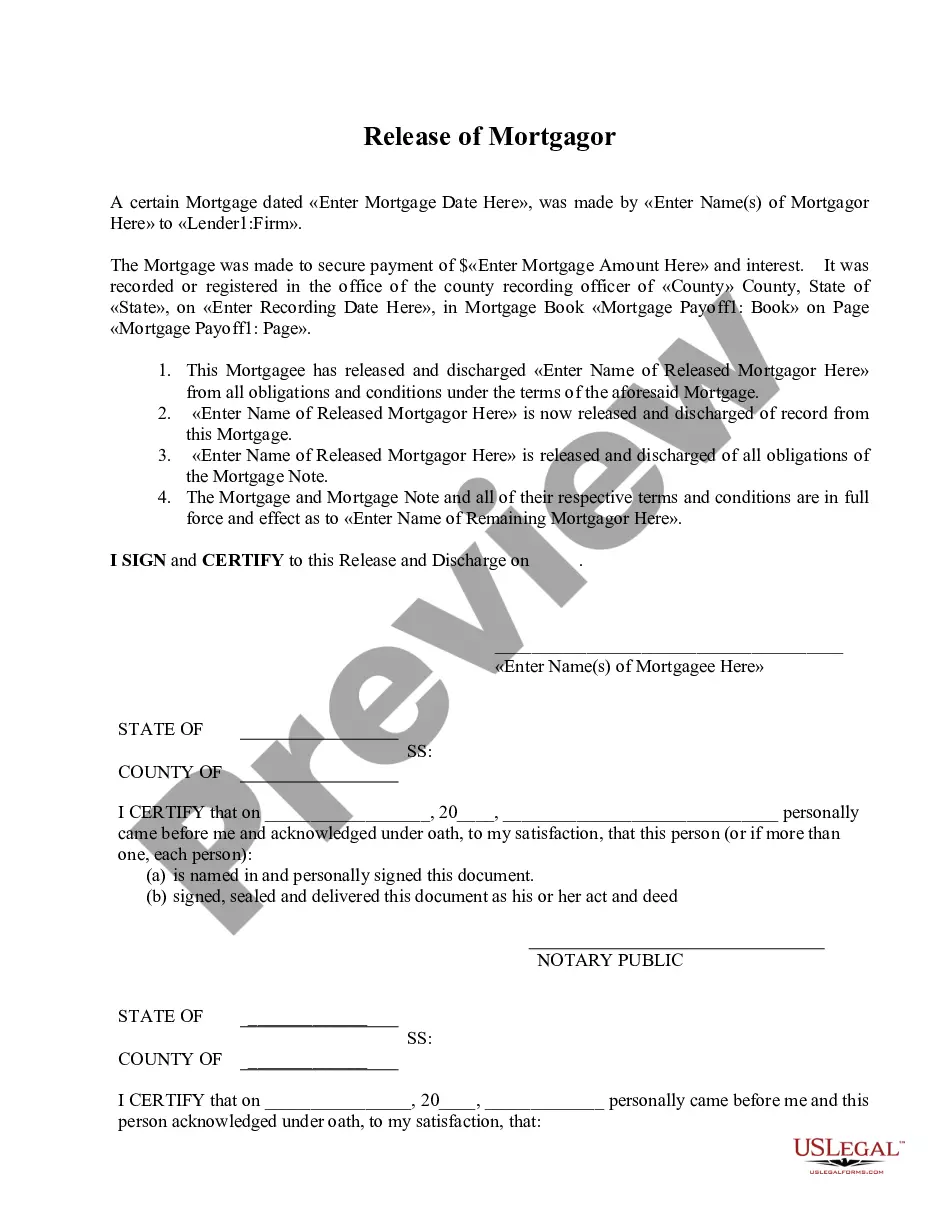
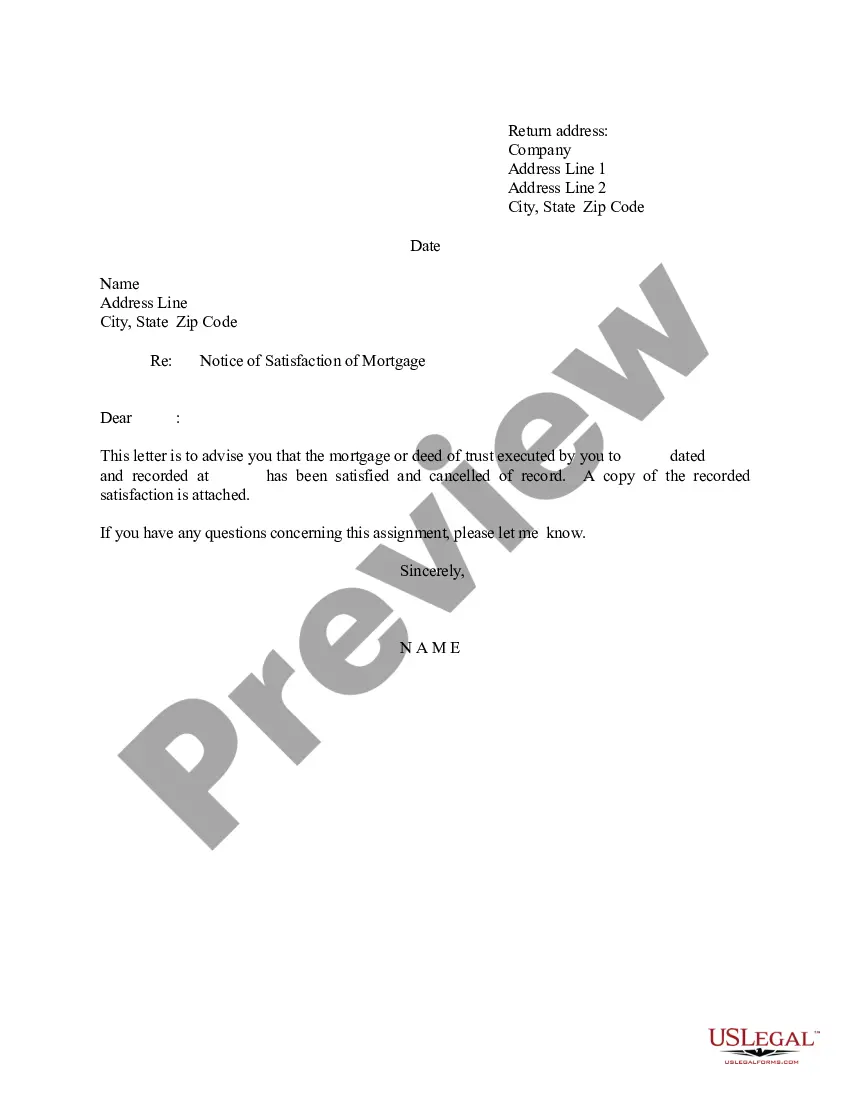
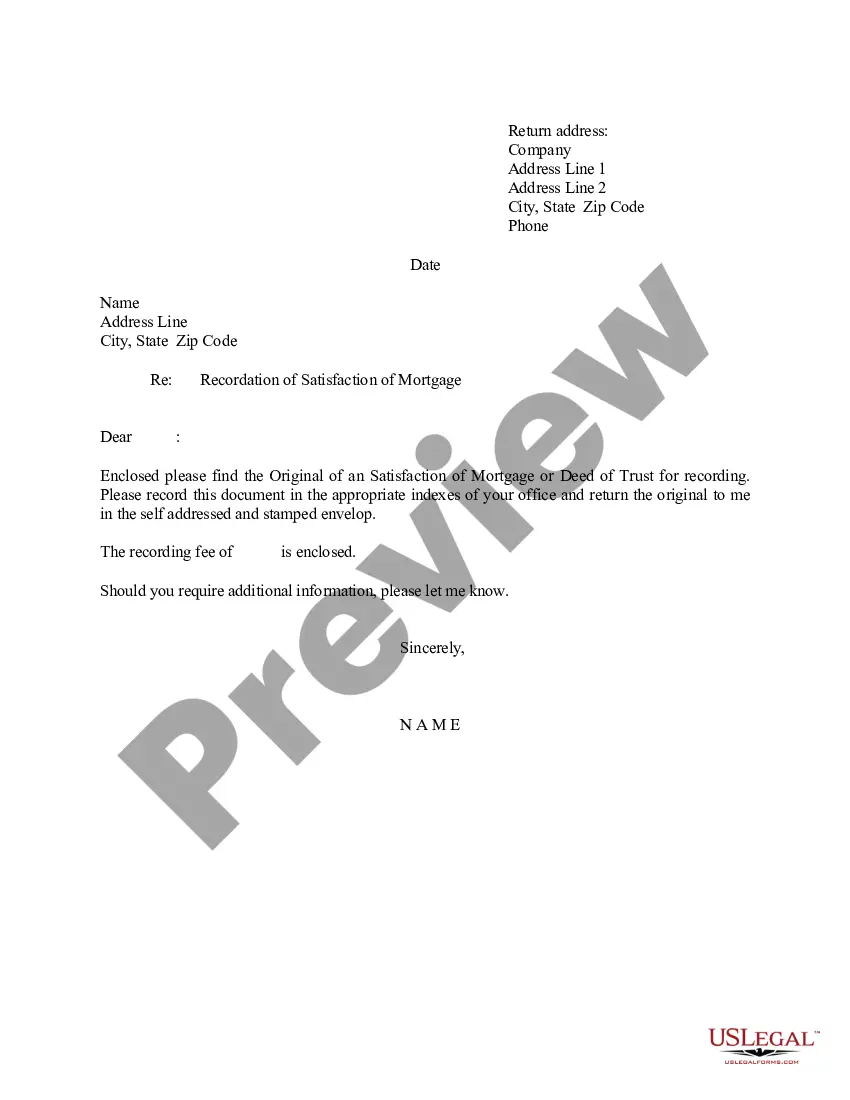
The Satisfaction, Release or Cancellation of Deed of Trust by Individual form is a legal document used in Mississippi to officially release a property from a deed of trust. This form ensures that the deed of trust, which serves as a security interest in the property, is satisfied, effectively removing the mortgage liability. Unlike other mortgage-related forms, this document is specifically intended for individual borrowers in Mississippi who have completed their payment obligations or wish to cancel the deed of trust.
Key components of this form
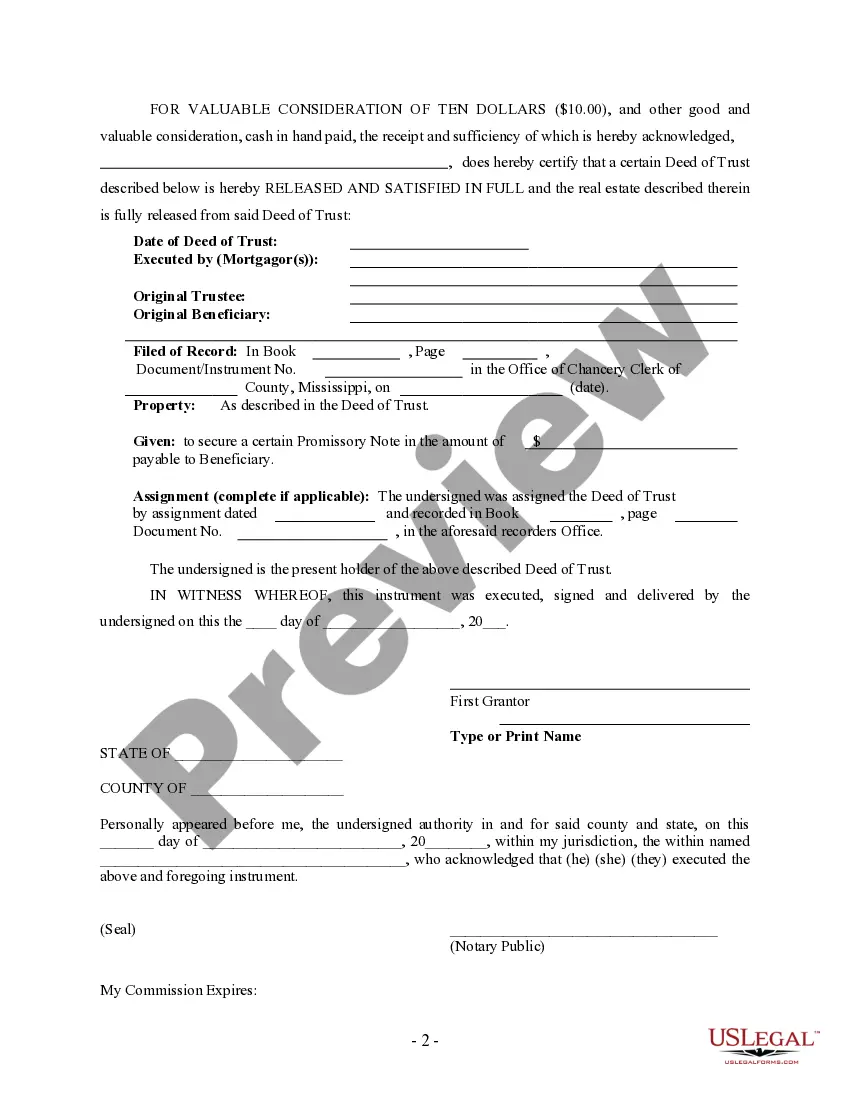
- Identification of the parties involved, including the borrower and lender.
- Clear description of the property being released from the deed of trust.
- Date of satisfaction and signatures of the involved parties.
- Notary section for verifying the authenticity of signatures.


Situations where this form applies
This form should be used when an individual has repaid the loan secured by a deed of trust, and therefore needs to formally remove any lien against the property. It is also applicable in cases where the borrower wishes to cancel the deed of trust but has not necessarily completed payments. Situations may include selling the property, refinancing, or settling the debt completely.
Who should use this form
- Individuals who have fulfilled their mortgage obligations in Mississippi.
- Property owners who wish to cancel a deed of trust for any reason.
- Homeowners selling their property and needing to clear lien records.
How to prepare this document
- Identify the parties involved by entering the names of the borrower and lender.
- Specify the property by providing a detailed description, including its address or parcel number.
- Enter the date on which the deed of trust is being satisfied or canceled.
- Have all parties sign the document in front of a notary public.
- Ensure the notary public completes the notarization section for validation.
Notarization requirements for this form
Yes, this form must be notarized to be legally valid. The notarization process ensures that signatures are authentic and that the individuals signing the document are doing so willingly. US Legal Forms offers integrated online notarization, available 24/7, through secure video calls, eliminating the need for in-person visits.
Get your form ready online
Our built-in tools help you complete, sign, share, and store your documents in one place.
Make edits, fill in missing information, and update formatting in US Legal Forms—just like you would in MS Word.
Download a copy, print it, send it by email, or mail it via USPS—whatever works best for your next step.
Sign and collect signatures with our SignNow integration. Send to multiple recipients, set reminders, and more. Go Premium to unlock E-Sign.
If this form requires notarization, complete it online through a secure video call—no need to meet a notary in person or wait for an appointment.
We protect your documents and personal data by following strict security and privacy standards.

Make edits, fill in missing information, and update formatting in US Legal Forms—just like you would in MS Word.

Download a copy, print it, send it by email, or mail it via USPS—whatever works best for your next step.

Sign and collect signatures with our SignNow integration. Send to multiple recipients, set reminders, and more. Go Premium to unlock E-Sign.

If this form requires notarization, complete it online through a secure video call—no need to meet a notary in person or wait for an appointment.

We protect your documents and personal data by following strict security and privacy standards.
Avoid these common issues
- Failing to provide a complete and accurate description of the property.
- Omitting signatures or notary acknowledgment.
- Not understanding if a satisfaction fee is required prior to filing.
Advantages of online completion
- Convenient access to a legally compliant form tailored for Mississippi.
- Editable format allows you to personalize the document easily.
- Reliable and secure means of completing important legal documentation.
Quick recap
- The Satisfaction, Release or Cancellation of Deed of Trust by Individual is essential for homeowners in Mississippi who have paid off their mortgage.
- Proper completion and notarization of this form are critical for legal validity.
- Failure to file the form after completion can result in ongoing complications with property titles.
Looking for another form?
Form popularity
FAQ
This form is a Mississippi legal instrument used by individual borrowers to release or cancel a deed of trust once the loan is satisfied or discharged. It records the parties, the property, the date of satisfaction, signatures, and a notary acknowledgment, and it is filed to clear the lien from public records.
A deed of trust satisfaction is the instrument that records that the loan secured by a deed of trust has been fully paid and the lien on the property is released. In Mississippi, this form captures the satisfaction date, signatures of the parties, and a notary, to effect the release.
In many states, including Mississippi, a deed of trust is used to secure a real estate loan with a trustee holding legal title until the loan is repaid. This form helps borrowers formally release that security when the loan is satisfied, clearing the lien.
No. A satisfaction of mortgage releases a mortgage lien, while a deed of trust uses a different security instrument. The Mississippi Satisfaction, Release or Cancellation of Deed of Trust by Individual specifically releases a deed of trust after repayment, recording the release with the required signatures and notary.
The form must identify the borrower and lender, provide a clear description of the property, set the date of satisfaction, include signatures of the involved parties, and include a notary section to verify signatures, ensuring the document is ready for recording.
This form is designed for Mississippi and specifically for individual borrowers to release a deed of trust. It records the satisfaction date, requires the signatures of the parties, and includes a notary acknowledgment, providing a state-specific release that clears the lien on the property.