Issued With Shares In New York
Description



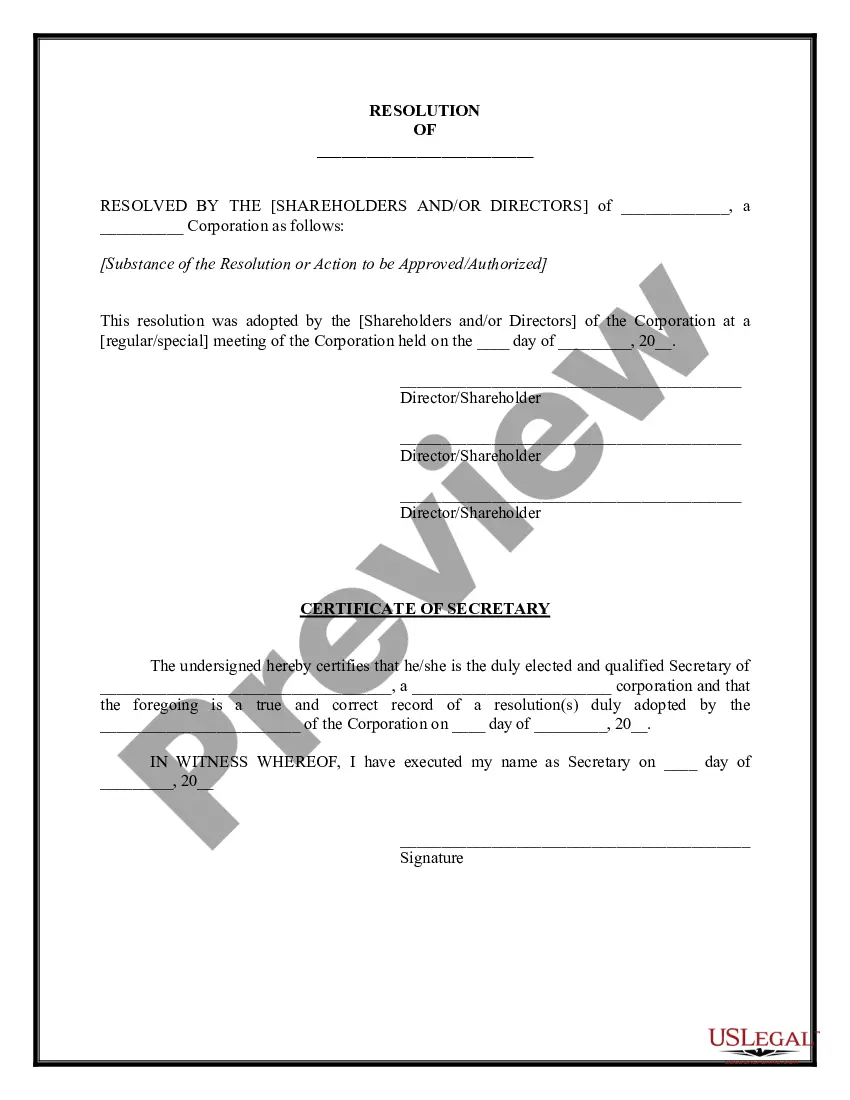
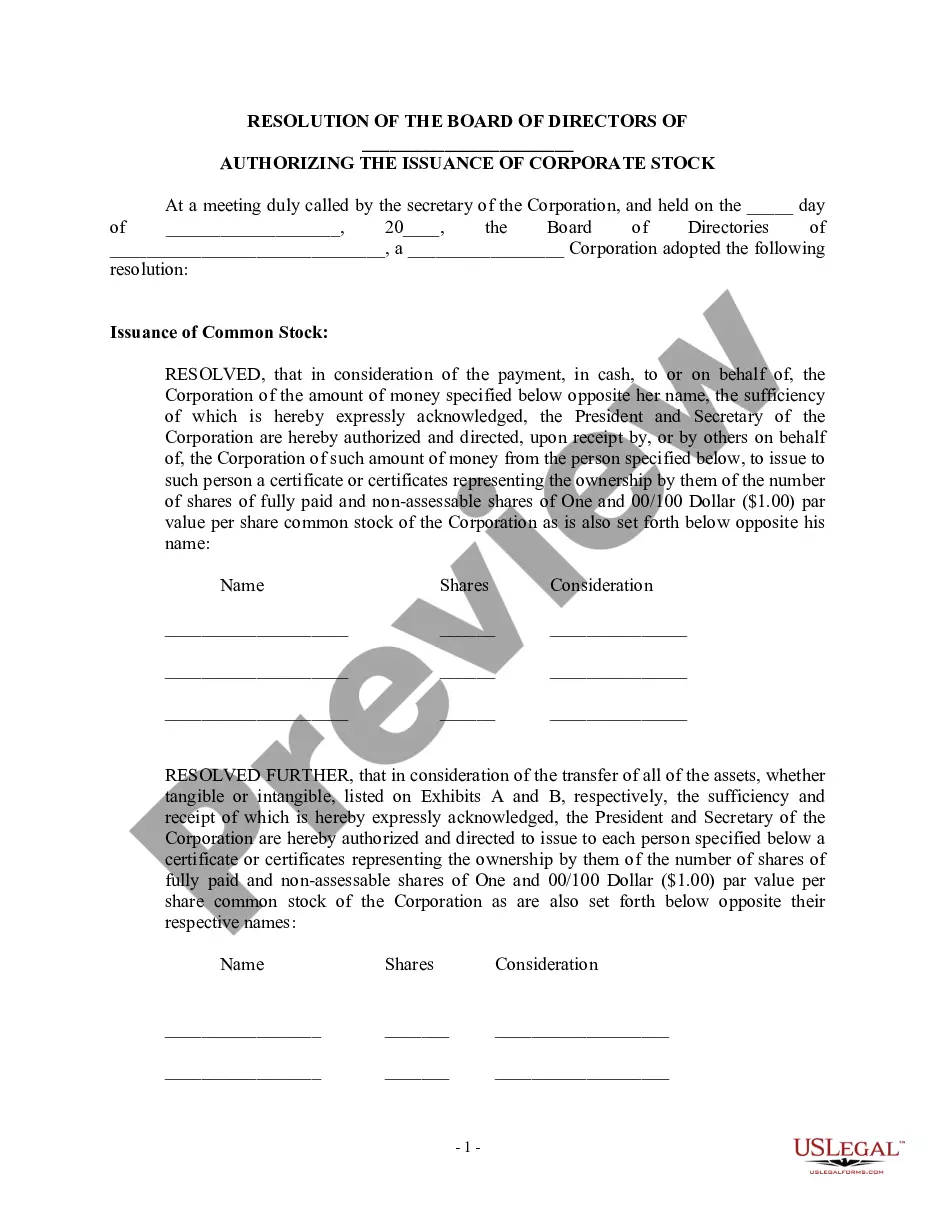
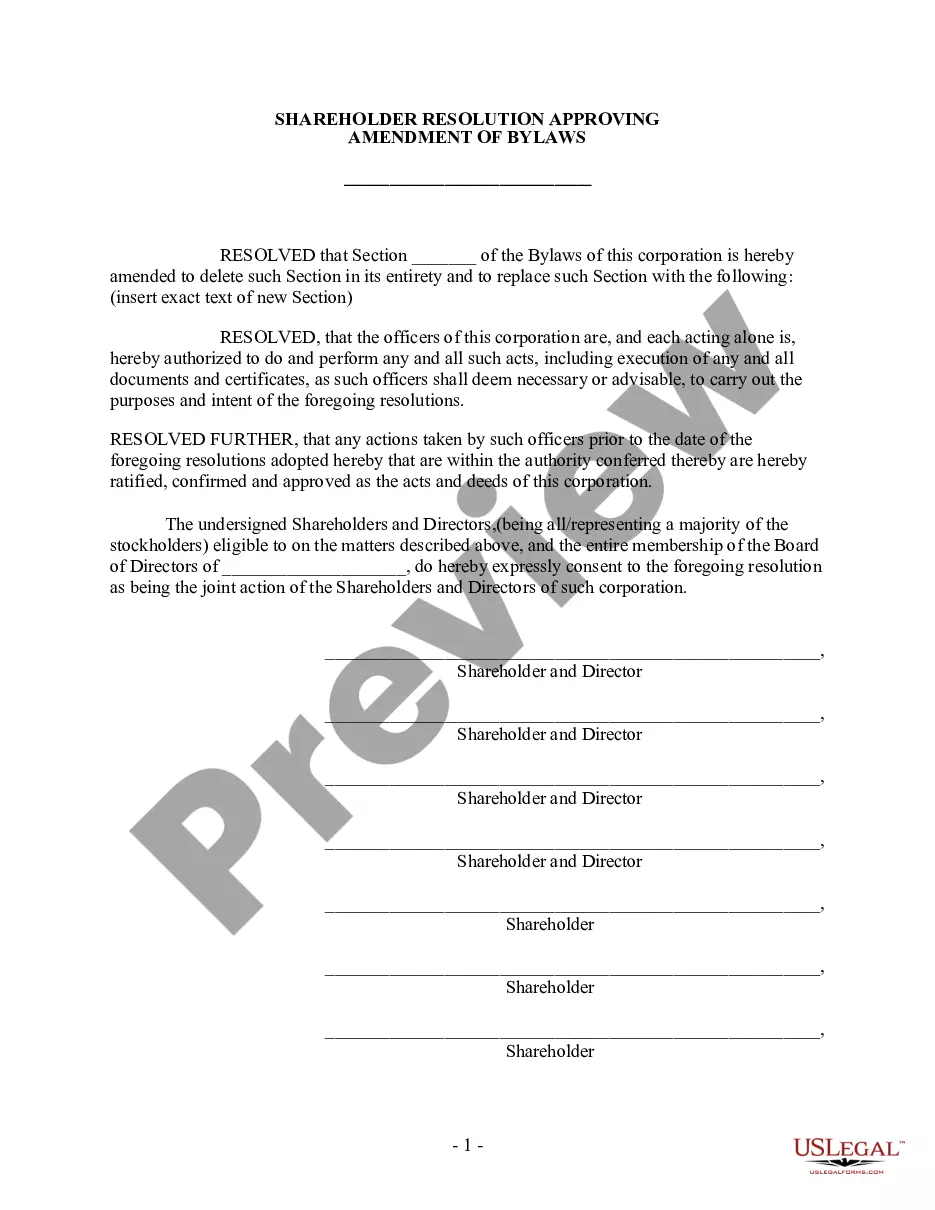
Get your form ready online
Our built-in tools help you complete, sign, share, and store your documents in one place.
Make edits, fill in missing information, and update formatting in US Legal Forms—just like you would in MS Word.
Download a copy, print it, send it by email, or mail it via USPS—whatever works best for your next step.
Sign and collect signatures with our SignNow integration. Send to multiple recipients, set reminders, and more. Go Premium to unlock E-Sign.
If this form requires notarization, complete it online through a secure video call—no need to meet a notary in person or wait for an appointment.
We protect your documents and personal data by following strict security and privacy standards.

Make edits, fill in missing information, and update formatting in US Legal Forms—just like you would in MS Word.

Download a copy, print it, send it by email, or mail it via USPS—whatever works best for your next step.

Sign and collect signatures with our SignNow integration. Send to multiple recipients, set reminders, and more. Go Premium to unlock E-Sign.

If this form requires notarization, complete it online through a secure video call—no need to meet a notary in person or wait for an appointment.

We protect your documents and personal data by following strict security and privacy standards.
Looking for another form?









Form popularity
FAQ
Similar Terminology. Of the two, "stocks" is the more general, generic term. It's often used to describe a slice of ownership of one or more companies. In contrast, in common parlance, "shares" has a more specific meaning: It often refers to the ownership of a particular company.
To issue company shares, directors will need to grant the approval of the new shares and the conditions of the creation of the new shares as per the company's articles. For example, the new shares could be issues to new investors or alternatively to existing shareholders as part of a share split.
Unlike issuing shares, selling shares does not create new shares; it simply changes the ownership of the shares. This process typically occurs in secondary markets, where shareholders sell their equity stake in the company to other investors.
Issue of Prospectus, Receiving Applications, Allotment of Shares are three basic steps of the procedure of issuing the shares. The process of creating new shares is known as Allocation or allotment.
Founders, employees and investors are typically issued shares in a startup. Founders receive a large number of shares because they started the company and did the initial work to get it off the ground. Employees may also receive shares as part of their compensation package, giving them a stake in the company's success.
New York Registry Shares (NYRSs), securities of non-U.S. companies that are quoted in U.S. dollars and traded in the U.S. market, have long provided the U.S. investor with a convenient way to invest in foreign stocks.
Biennial Statements may still be filed online on the Department's website. If the Biennial Statement cannot be filed online, you may request a paper form by contacting the Statement Unit of the Department of State's Division of Corporations. You may contact the Statement Unit by fax at (518) 486-4680 or by E-mail.
If you need to prove that your business is in compliance with state requirements and that it is registered to conduct business in New Jersey State, you need a Certificate of Good Standing.
You must apply for a regular Certificate of Authority if you will be making taxable sales from your home, a shop, a store, a cart, a stand, or any other facility from which you regularly conduct your business. It does not matter whether you own or rent the facility.
Certificates of good standing must be requested from the Appellate Division where the attorney was admitted. Attorneys may submit requests online and the certificate will be delivered as PDF document. To request a certificate, please complete the Certificate of Good Standing form.
