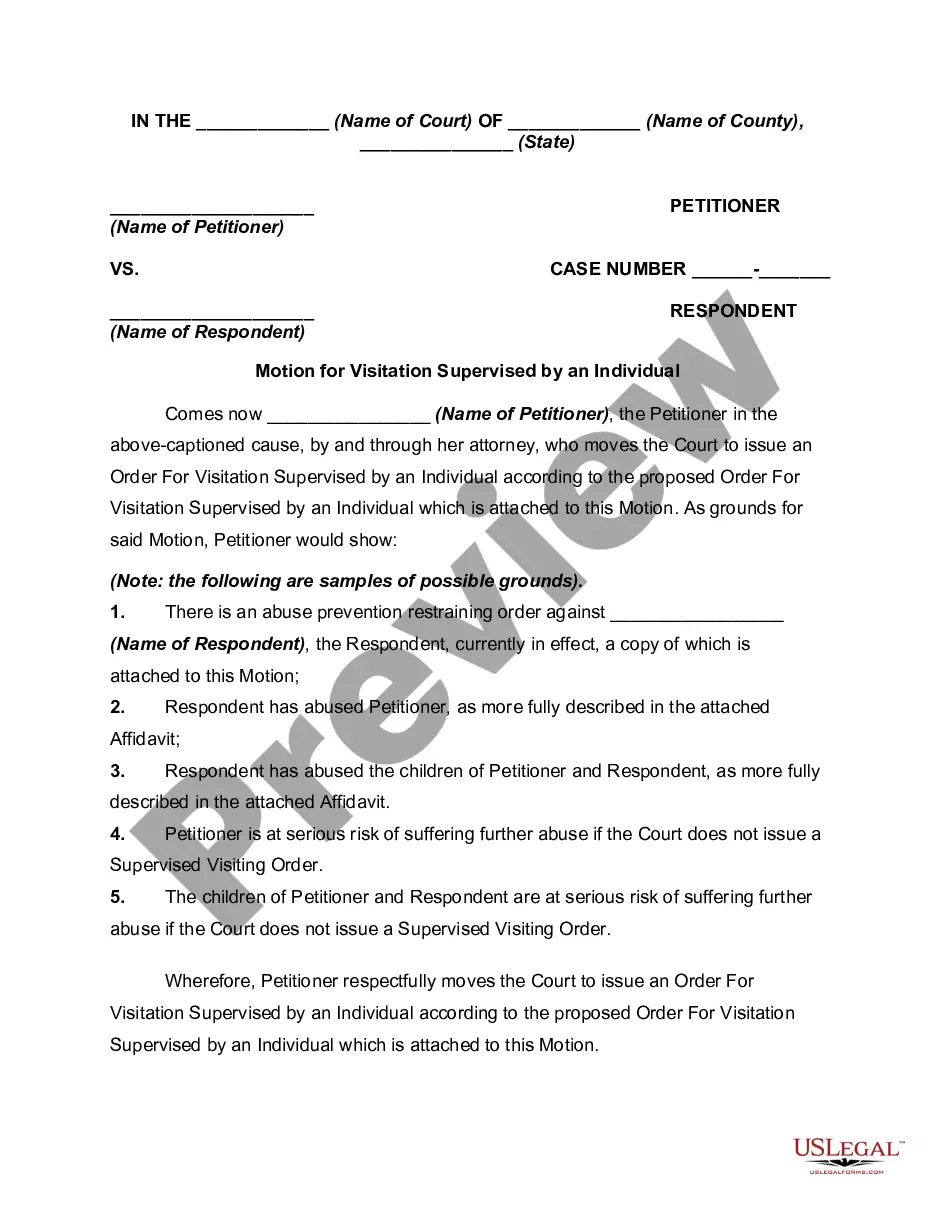
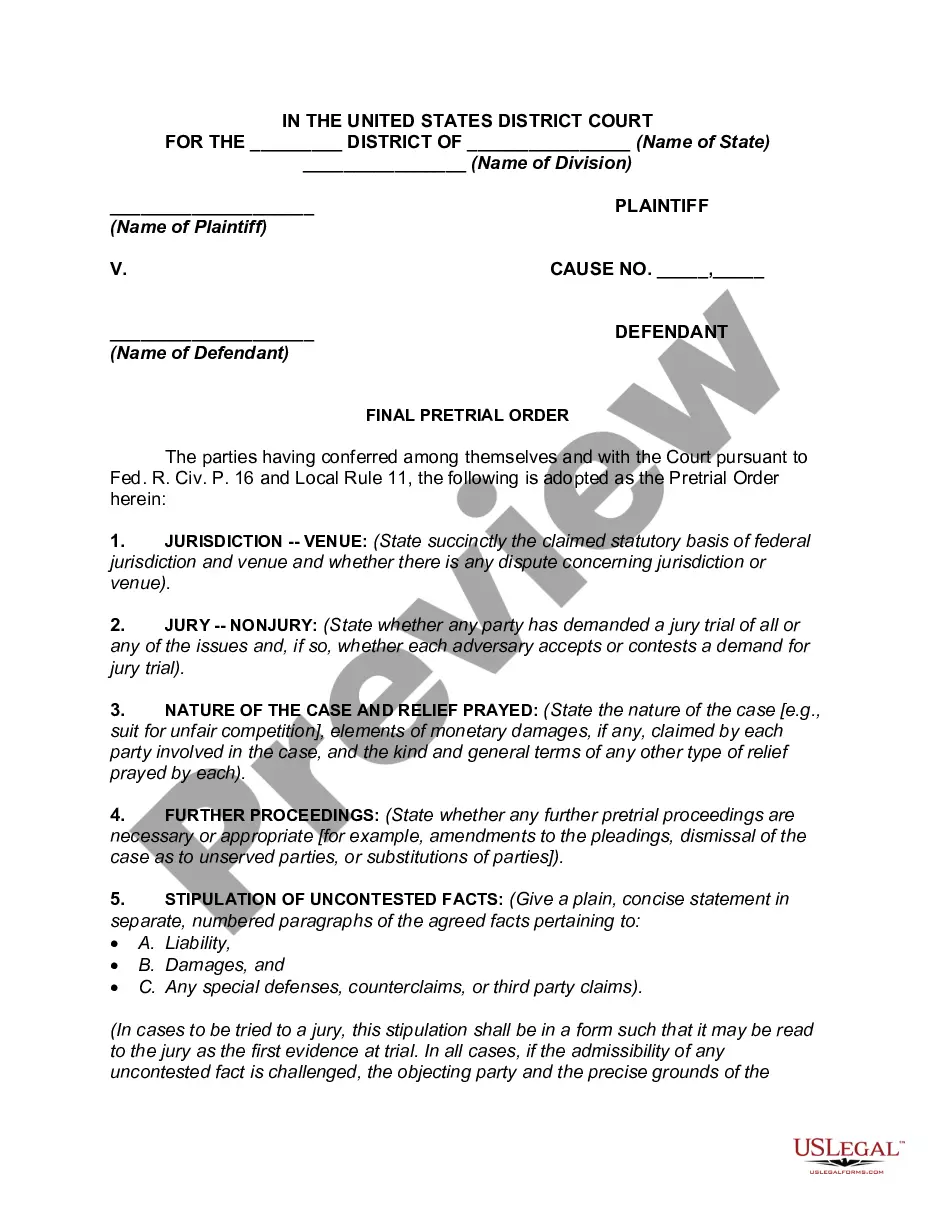
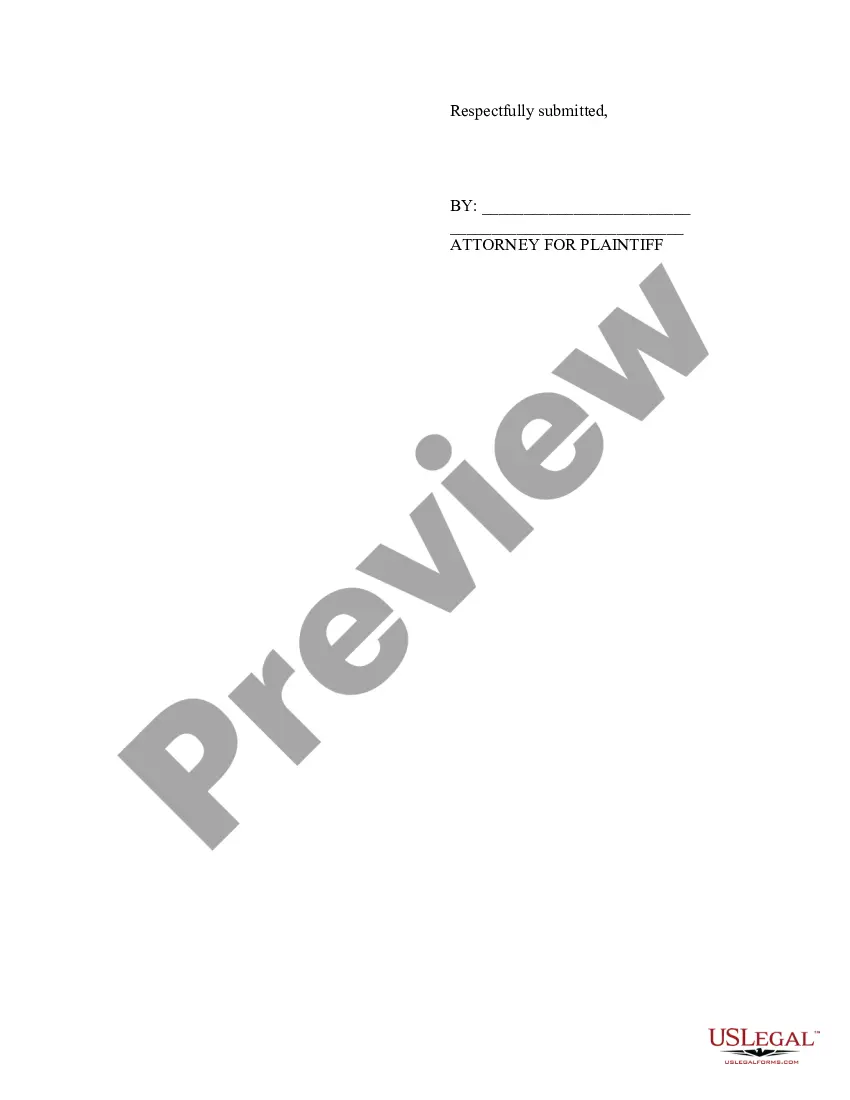
Notice Discovery Template With Lines In Utah
Description

Get your form ready online
Our built-in tools help you complete, sign, share, and store your documents in one place.
Make edits, fill in missing information, and update formatting in US Legal Forms—just like you would in MS Word.
Download a copy, print it, send it by email, or mail it via USPS—whatever works best for your next step.
Sign and collect signatures with our SignNow integration. Send to multiple recipients, set reminders, and more. Go Premium to unlock E-Sign.
If this form requires notarization, complete it online through a secure video call—no need to meet a notary in person or wait for an appointment.
We protect your documents and personal data by following strict security and privacy standards.

Make edits, fill in missing information, and update formatting in US Legal Forms—just like you would in MS Word.

Download a copy, print it, send it by email, or mail it via USPS—whatever works best for your next step.

Sign and collect signatures with our SignNow integration. Send to multiple recipients, set reminders, and more. Go Premium to unlock E-Sign.

If this form requires notarization, complete it online through a secure video call—no need to meet a notary in person or wait for an appointment.

We protect your documents and personal data by following strict security and privacy standards.
Looking for another form?
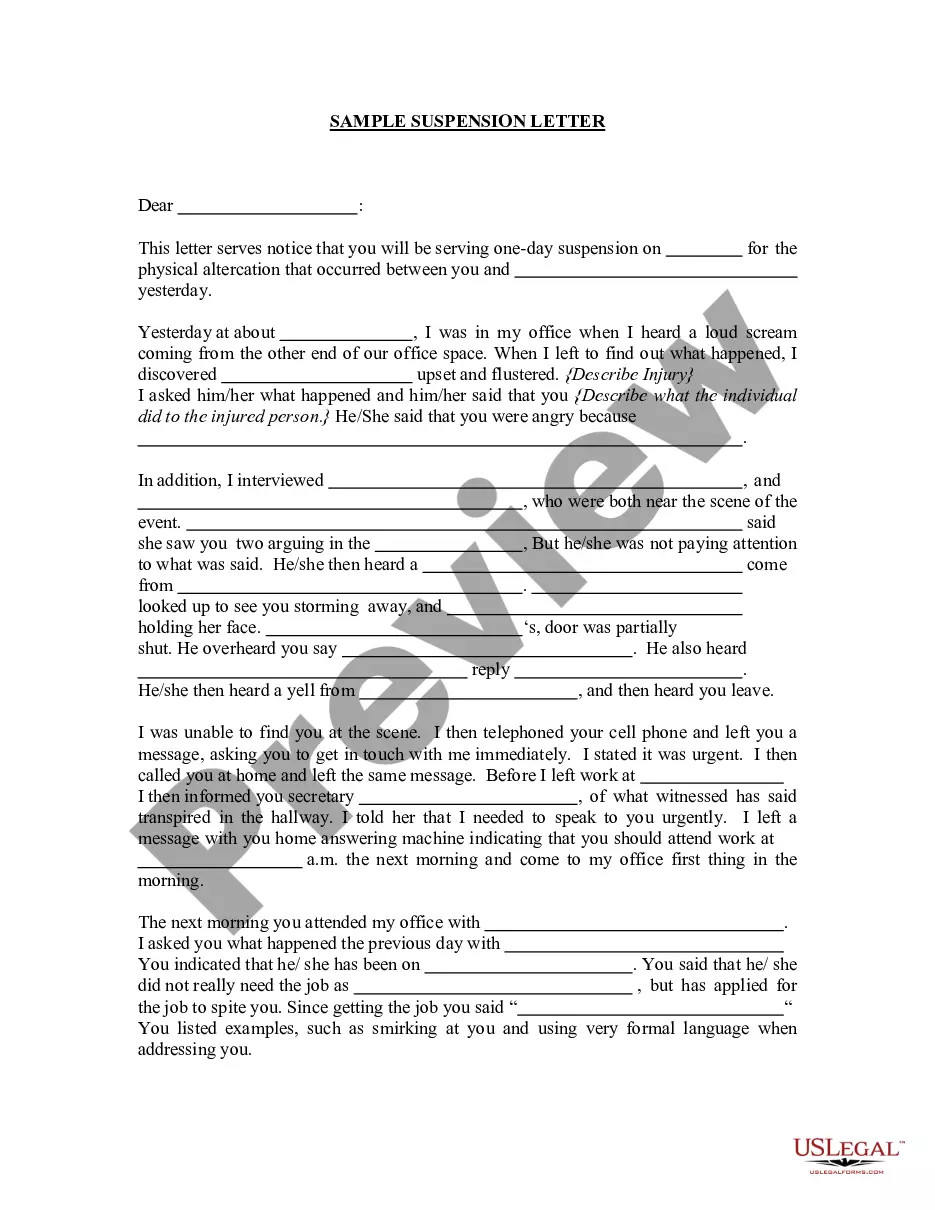
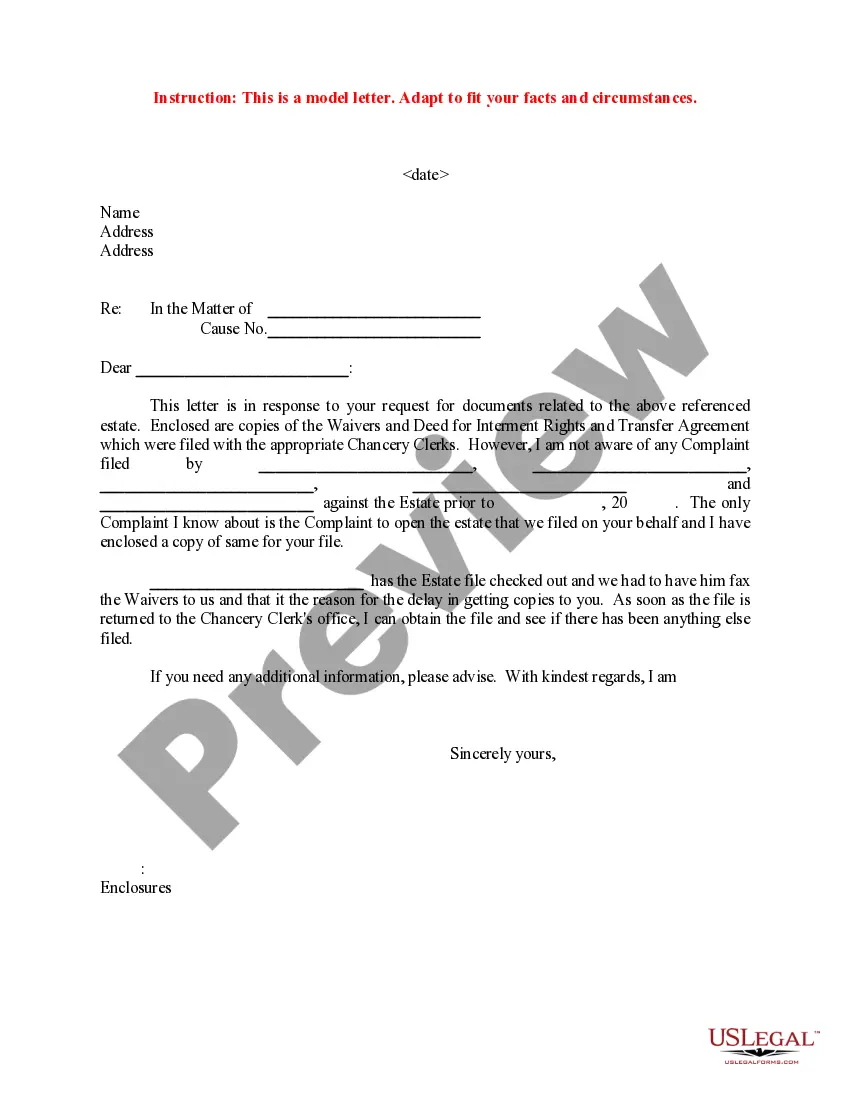
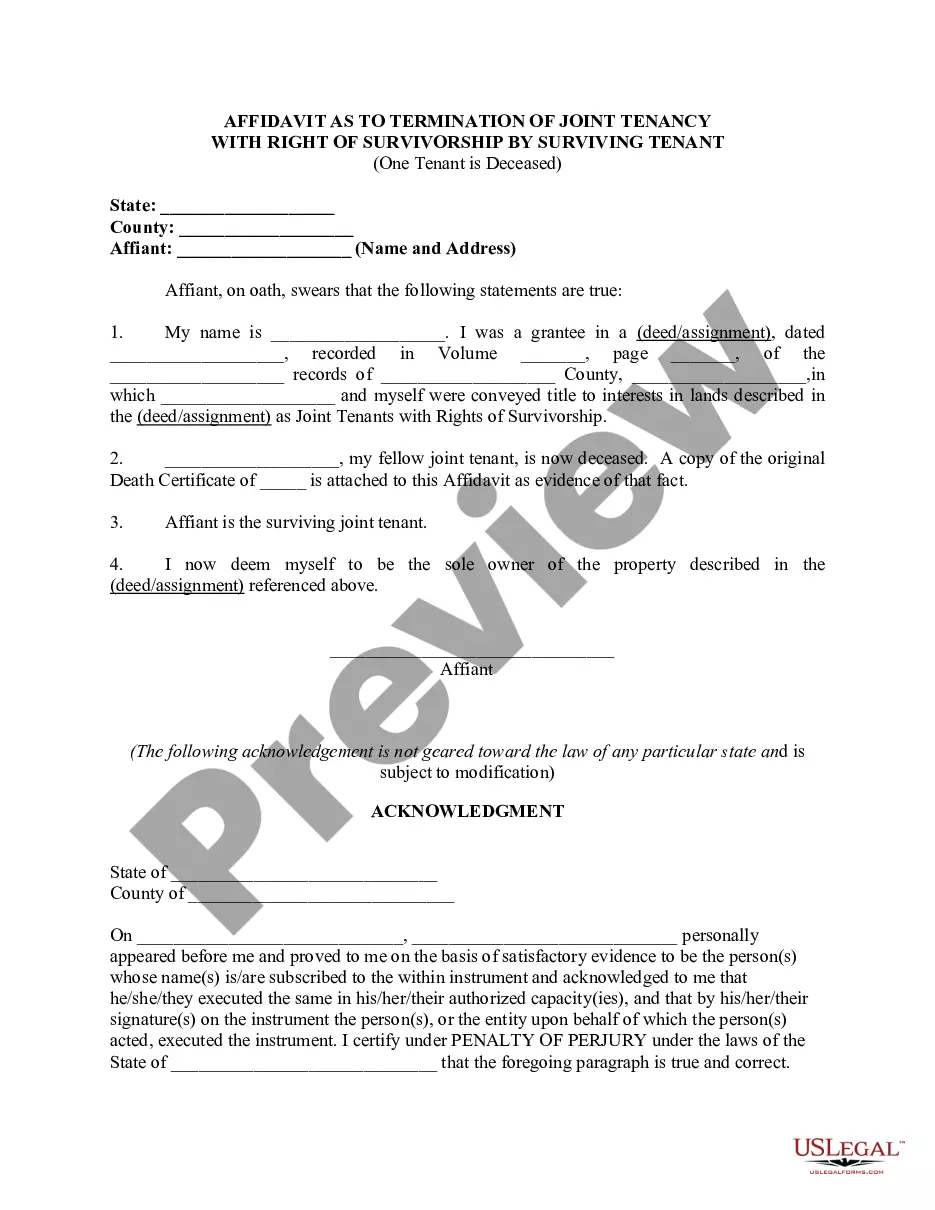
Form popularity
FAQ
The Federal Rules of Civil Procedure (officially abbreviated Fed. R. Civ. P.; colloquially FRCP) govern civil procedure in United States district courts.
Misjoinder of parties is not ground for dismissal of an action. Parties may be dropped or added by order of the court on motion of any party or of its own initiative at any stage of the action and on such terms as are just. Any claim against a party may be severed and proceeded with separately.
These rules may be known and cited as the Utah Rules of Civil Procedure, or abbreviated U.R.C.P.
The matter must relate to statements or opinions of fact or the application of law to fact. Generally, a party has 28 days to respond to a request for production of documents, but if the requests were served by U.S. mail they have 7 extra days to respond.
An appeal dismissed for failure to take a step other than the timely filing of a notice of appeal may be reinstated by the court upon motion of the appellant for (a) mistake, inadvertence, surprise, or excusable neglect or (b) fraud, misrepresentation, or misconduct of an adverse party.
Generally, though, the initial disclosures are not a place for gamesmanship. See, e.g., POL. The Rule lists four categories of information that are required in the initial disclosures: 1) witnesses; 2) documents; 3) damages calculations; and 4) insurance agreements.
This is the formal process of exchanging information between the parties about the witnesses and evidence they ll present at trial. Discovery enables the parties to know before the trial begins what evidence may be presented.
Answer: Unless the Disclosure/Discovery Document/Subpoena is filed in connection with a motion or otherwise ordered by the court, it is not filed in the record.
(a) Pleadings. Only these pleadings are allowed: (1) a complaint; (2) an answer to a complaint; (3) an answer to a counterclaim designated as a counterclaim; (4) an answer to a crossclaim; (5) a third-party complaint; (6) an answer to a third-party complaint; and (7) if the court orders one, a reply to an answer.
Rule 7B. - (b) Probable cause determination. If from the evidence the magistrate finds probable cause to believe that the crime charged has been committed and that the defendant has committed it, the magistrate must order that the defendant be bound over for trial.